Some firearm designs earn instant attention because they solve a visible problem on paper. A lighter receiver, a folding profile, a huge magazine, or an unusual recoil system can all sound like engineering progress before a first round is fired.
Range use is less forgiving. Heat, recoil, fast reloads, sight consistency, and plain mechanical durability tend to expose whether a clever idea actually improves shootability. These eight designs stand out as examples where innovation looked sharp, but practical use revealed serious tradeoffs.
1. FG-42
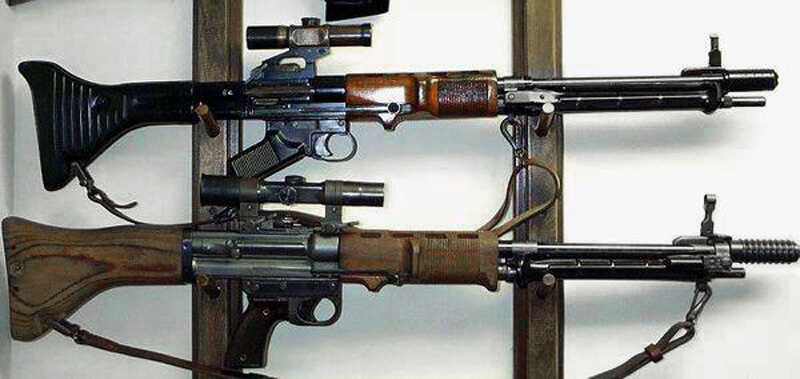
The FG-42 remains one of the most admired attempts at combining rifle, automatic fire, and parachute portability in one platform. Its inline stock and compact overall layout were advanced for the era, and the design even switched between closed-bolt semi-auto and open-bolt full-auto fire. On paper, that reads like a remarkably modern answer to multiple battlefield needs.
On the range, the weaknesses were harder to ignore. Full-auto control was poor, the side-mounted magazine upset balance, and the light bipod gained a reputation for being flimsy. A 20-round magazine also emptied quickly for a gun intended to cover several roles at once. The design looked efficient and compact, but practical shooting exposed how much it asked the user to tolerate.
2. Calico helical-magazine carbines
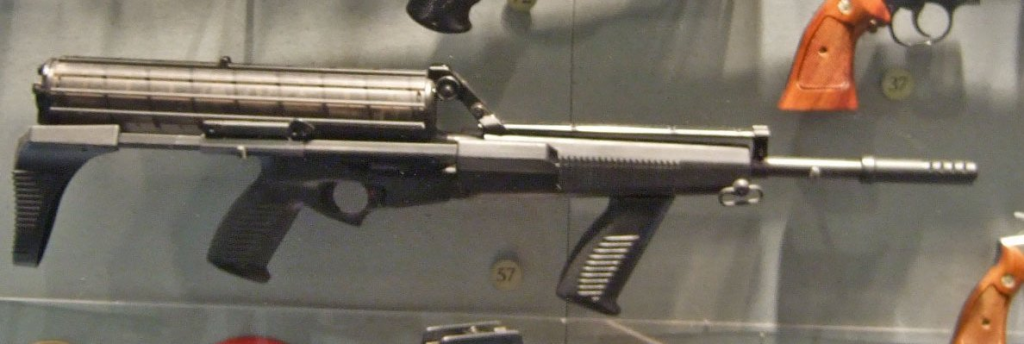
Calico’s top-mounted helical magazine is one of the clearest examples of a smart-looking idea that carried too much baggage into live fire. Packing 50 to 100 rounds into a compact magazine gave the platform a futuristic appeal, and the top-mounted weight helped keep the gun from feeling nose-heavy.
The problem was that the magazine itself became the weak point. Reliability complaints followed some examples, and the tall sight arrangement created awkward height-over-bore issues at the close distances where 9mm carbines are often used. The rear sight being mounted on the magazine also meant sight alignment could vary with indexing. That kind of design can impress at first glance, but repeatable hits and consistent feeding matter more than novelty.
3. Pedersen Device
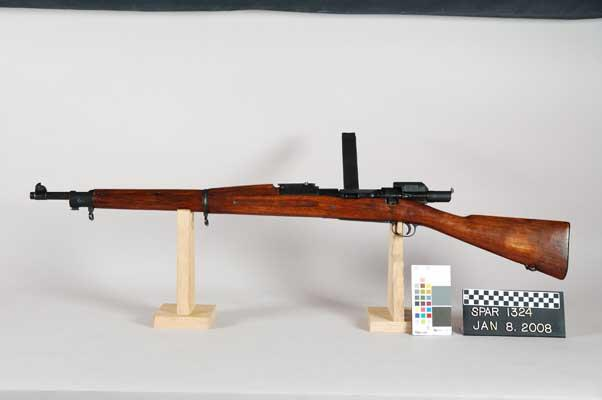
The Pedersen Device was not a standalone rifle, which made the concept even more ambitious. It was meant to convert the M1903 Springfield into a semiautomatic weapon for close-range fighting, feeding from a 40-round magazine and using a compact internal mechanism that was effectively a self-loading pistol system fitted into a bolt-action rifle.
That concept delivered speed in theory, but not enough confidence in use. Reliability issues centered on a small extractor and a firing pin that also served as the ejector. The cartridge was also underpowered for the role envisioned. It was a clever workaround to a tactical problem, yet the range-style realities of extraction, ejection, and cartridge performance kept it from becoming the practical leap its design promised.
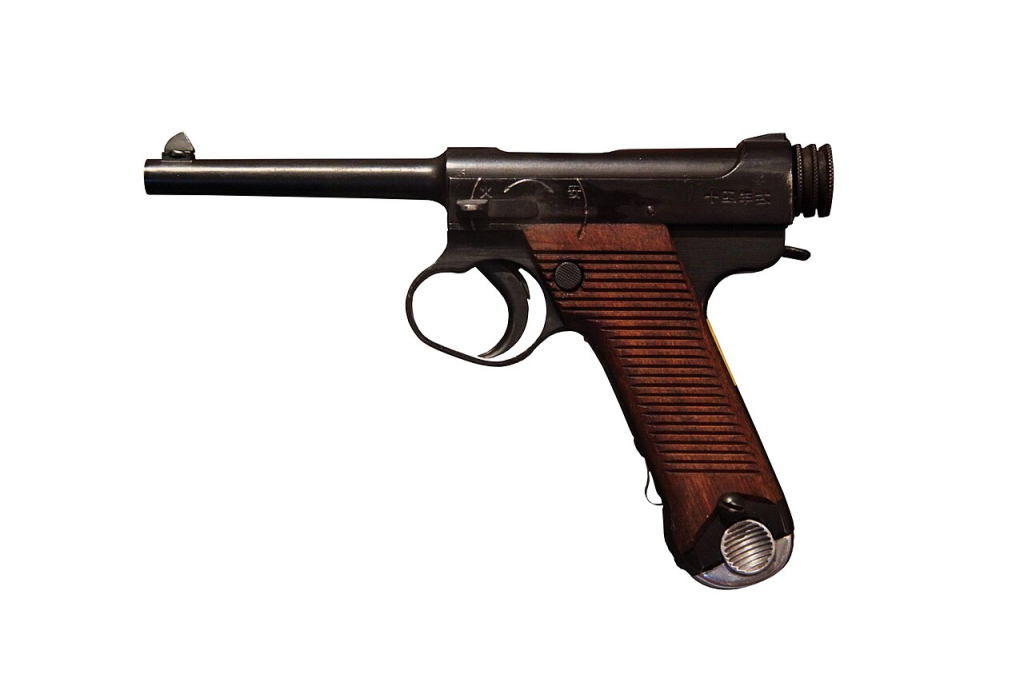
4. Nambu Type 14
The Nambu Type 14 looked mechanically advanced for its time because it used a locked-breech system and even included a magazine safety. Those features gave it a more sophisticated profile than many handguns of its era, especially when viewed strictly as engineering choices.
Handling told a different story. The slanted grip complicated reloads, the magazine did not drop free, and the safety was awkward enough to require a second hand. Fragile internal parts and a weak striker added another layer of frustration. A design can look refined in a schematic and still feel clumsy once reload speed, stoppage risk, and real hand placement enter the equation.
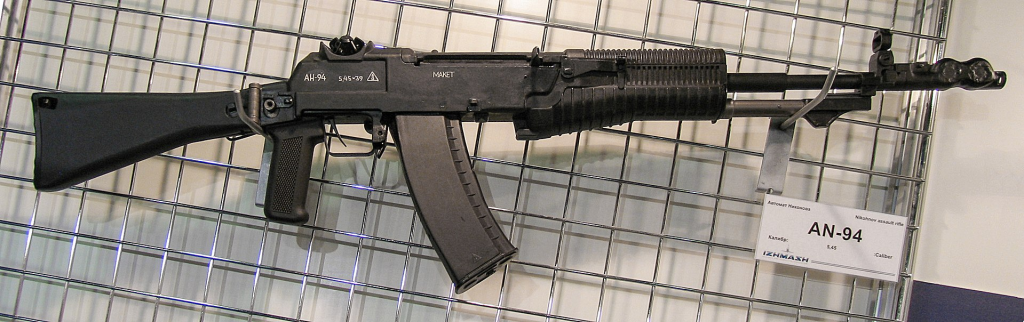
5. AN-94
The AN-94 is one of the most famous examples of complexity chasing a real shooting benefit. Its recoil-delay system and hyper-burst setting were designed to put two rounds on target before the shooter fully felt recoil, including a two-round burst at 1,800 rounds per minute. As a pure engineering concept, that remains striking.
Complexity has a cost. The mechanism was difficult and expensive to manufacture, the layout required an unusual offset magazine arrangement, and the system gained a reputation for being delicate compared with simpler rifles. Range performance is not just about what happens in one burst. It is also about how easily a platform can be maintained, trusted, and kept running over time, and that is where the AN-94’s brilliance became harder to justify.
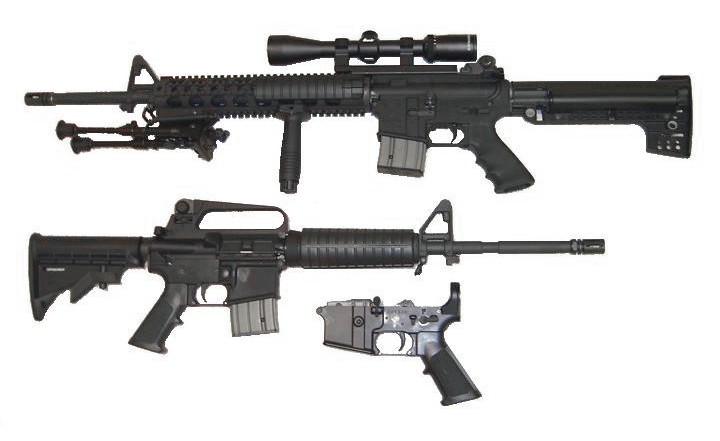
6. Fully polymer AR-pattern receivers
Polymer has succeeded in many firearms, so extending it deeper into AR-pattern rifles always had some logic behind it. Weight savings are real, and some builders have chased them aggressively because polymer receivers weigh around one pound, while aluminum versions are often roughly double that. That sounds like meaningful efficiency before a range session begins.
Stress points are where enthusiasm cools down. Receiver extensions, magazine wells, and threaded areas can flex or warp if not reinforced, while metal-on-polymer interfaces can loosen under use. One range test of polymer ARs described early trouble with loosening hardware at the barrel attachment area, along with stoppages tied to magazine sensitivity in both 5.56 and .300 Blackout platforms. The core lesson is simple: lower weight does not automatically produce a better shooter when rigidity and consistency begin to matter.
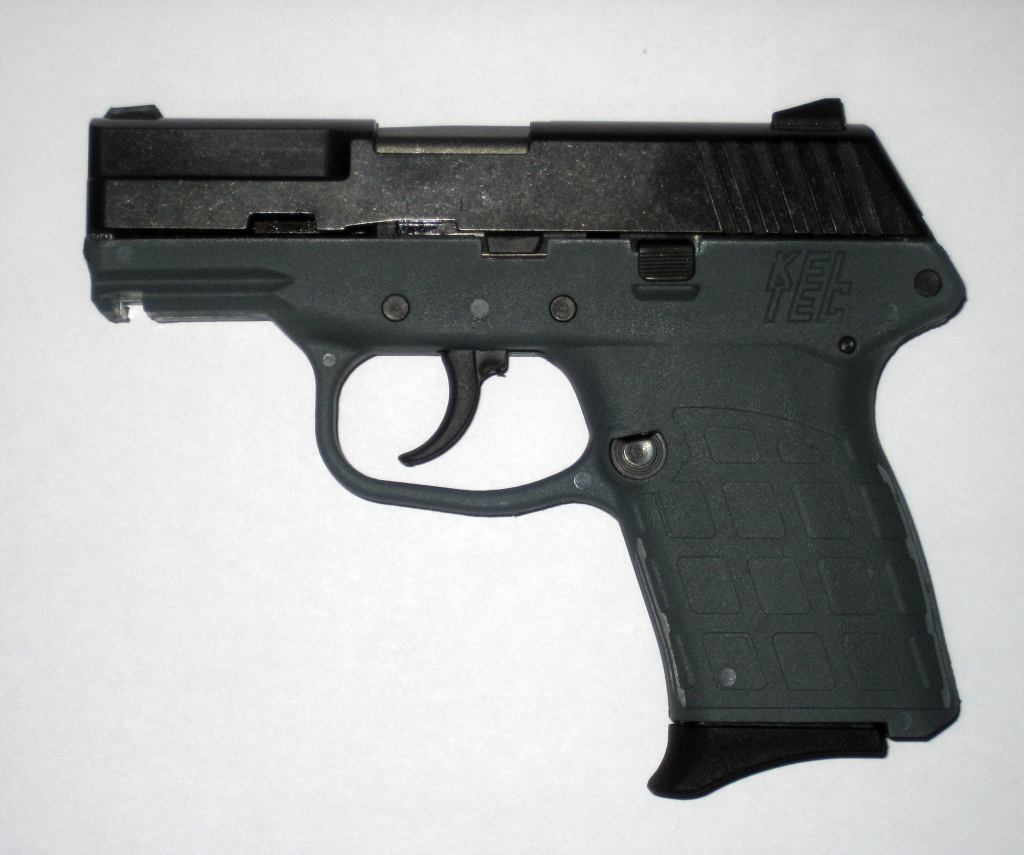
7. KelTec Sub-2000 Gen 1
The first-generation Sub-2000 built its reputation on compactness. A folding pistol-caliber carbine that stores easily and uses handgun magazines is the kind of idea that immediately makes sense to a broad audience.
Range sessions exposed the compromises fast. The sight picture was crude, the cheek weld on the tube was uncomfortable, and the charging handle could punish poor hand placement under recoil. Accuracy was usable but not especially rewarding. The design delivered portability first, and the shooter felt that choice every time comfort and control became more important than storage length.
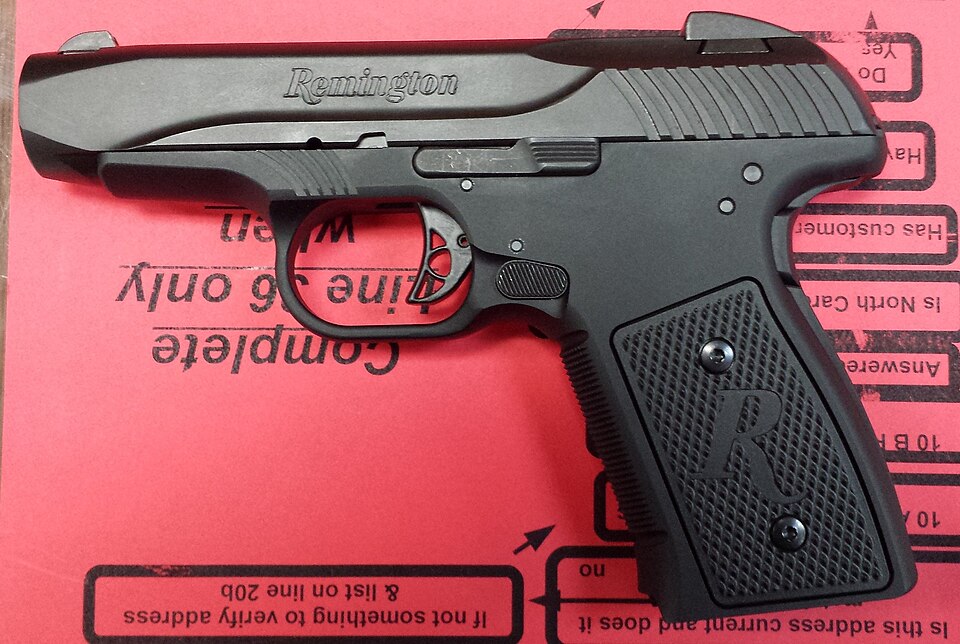
8. Remington R51 Gen 1
The early R51 drew attention because it revived an unconventional operating concept in a slim concealed-carry pistol. It looked like a smart blend of innovation and compact carry design, which made it especially attractive in theory.
Its first impression at the range often unraveled quickly. Reports consistently focused on feeding hesitation, inconsistent extraction, and recoil behavior that did not match the pistol’s promising ergonomics. When a carry-sized pistol fails to settle in the hand or cycle cleanly through a basic session, its engineering story becomes secondary. Reliability overwhelms novelty in a hurry.
These designs share a common pattern: each offered a genuine attempt to solve a problem through layout, materials, or mechanics. None failed because innovation itself was misguided.
They struggled because live fire punishes weak assumptions. A firearm can look brilliant in silhouette, on a bench, or in a patent drawing, but the range remains the place where balance, durability, recoil behavior, and repeatable function decide whether a smart concept is actually a smart gun.


