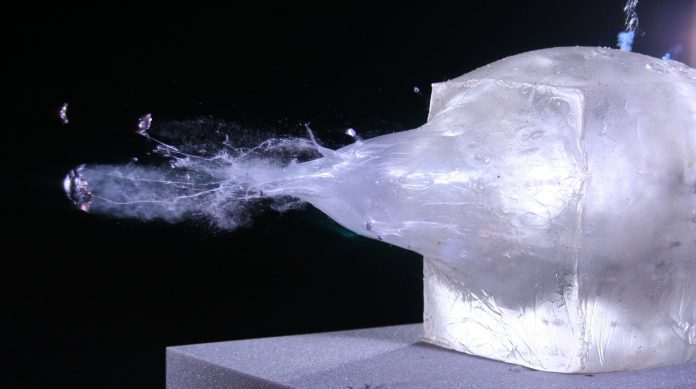
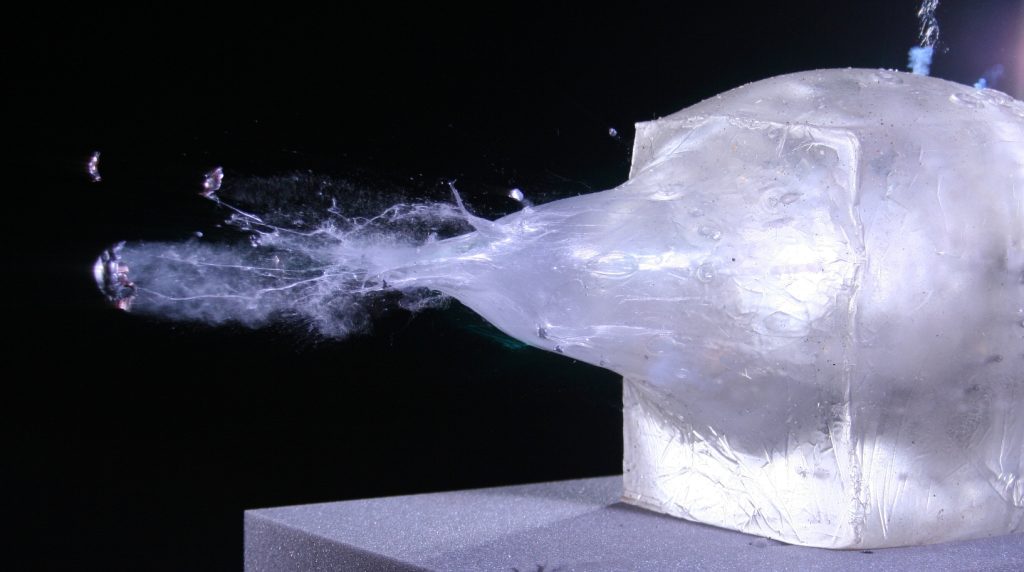
Ballistic gel testing has a way of stripping drama out of caliber debates. Once rounds are fired through a heavy clothing barrier from realistic carry-length barrels, many long-repeated claims about “stopping power,” hollow points, and pocket-pistol performance start to look less like rules and more like habits of speech.
The useful lesson is not that gel answers everything. It does not. But standardized testing does show which assumptions keep failing when bullets meet fabric, short barrels, and the penetration demands that matter most. Across large test sets, the same myths keep getting corrected.
1. Bigger bullets automatically stop threats better
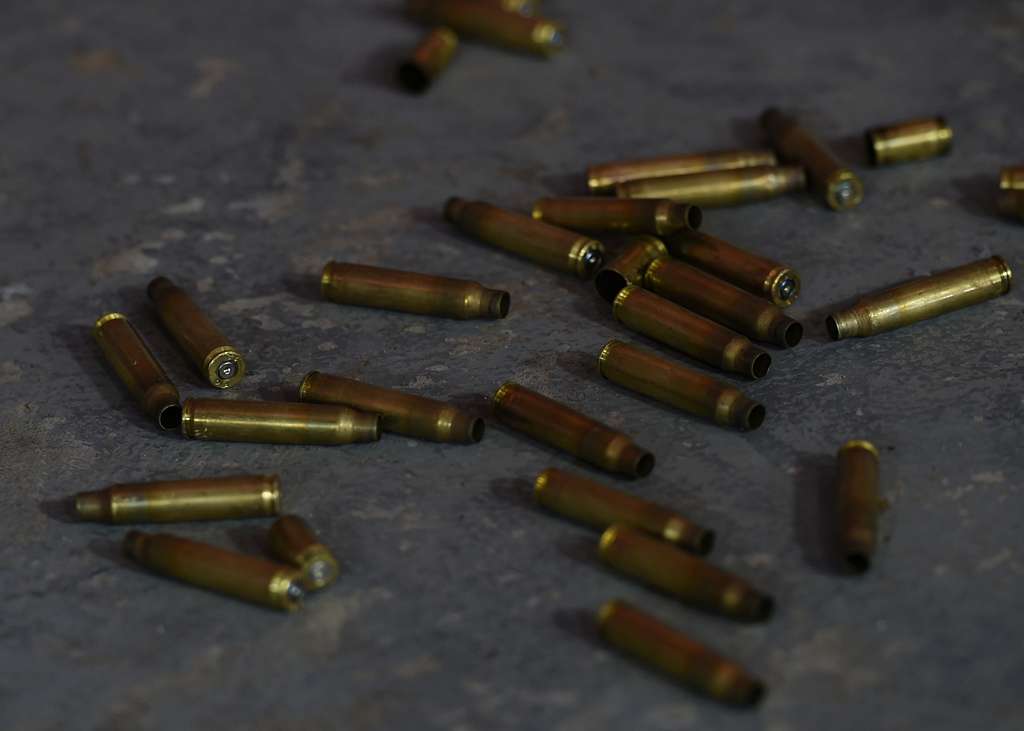
Testing repeatedly shows that bullet diameter alone is not the deciding factor. Penetration depth, expansion reliability, and consistency from shot to shot matter more than caliber labels by themselves. A larger round that plugs up and over-penetrates, or expands too quickly and stops short, does not automatically outperform a smaller round that stays inside the accepted performance window. That is why the 12-18 inch penetration range remains such a useful benchmark. It reflects the need to reach vital structures from less-than-ideal angles and through intermediate barriers like clothing. Testing data across 9mm, .40 S&W, and .45 ACP consistently shows overlap in real terminal performance when modern bullet design works as intended.
2. Hollow points always expand the way the box suggests
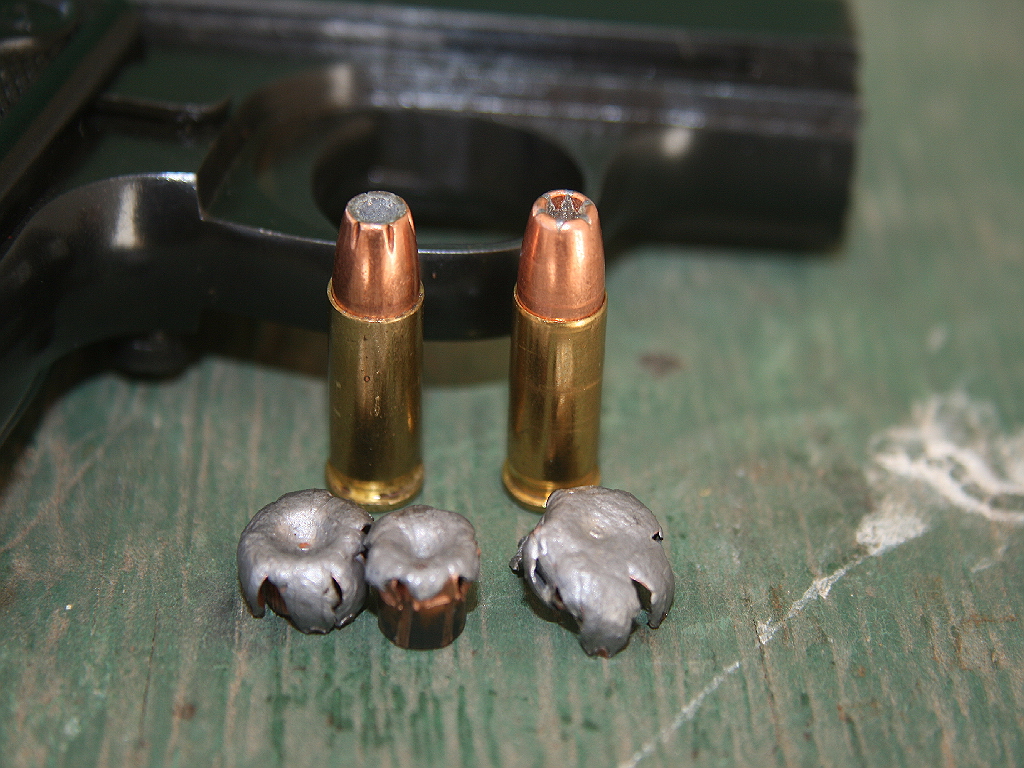
Heavy clothing keeps disproving that idea. Four layers of fabric can clog a hollow point cavity and prevent proper expansion, turning an expanding design into something that behaves more like a non-expanding bullet. When that happens, penetration can increase sharply, sometimes well past the target depth many shooters expect. That pattern appears across service calibers and small calibers alike. In one of the clearest summaries from large-scale testing, clothing materials tend to cause real problems clogging up the hollow tip of some loads. The result is simple: expansion is not a guarantee, even with modern defensive ammunition.
3. Penetration beyond 12 inches means a round is “too much”
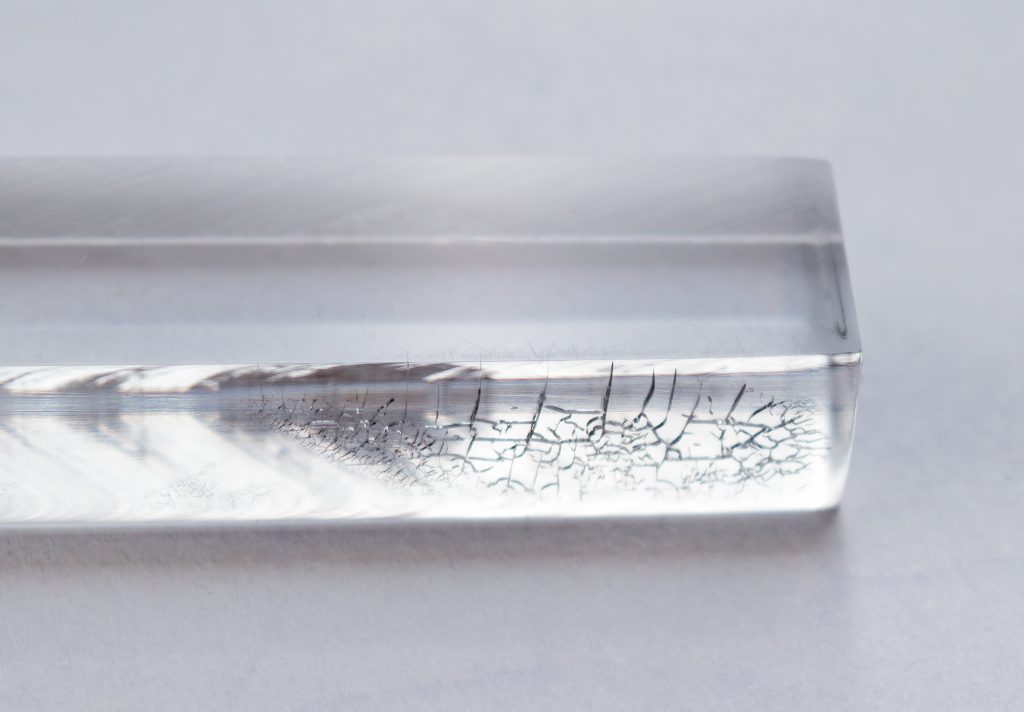
This myth usually ignores anatomy and shot angle. The target is not always square to the muzzle, and arms, bone, and oblique presentation can eat up penetration before the bullet ever reaches the structures that matter most. FBI-style standards were built around that reality, not around a straight-on range target. Testing also shows that slight over-penetration is often treated as more acceptable than under-penetration. Loads that stop at 9 or 10 inches may look controlled, but they can come up short when the bullet has to pass through more tissue on an angled path. Ballistic work does not reward shallow performance simply because it sounds safer.
4. Pocket calibers are all basically interchangeable
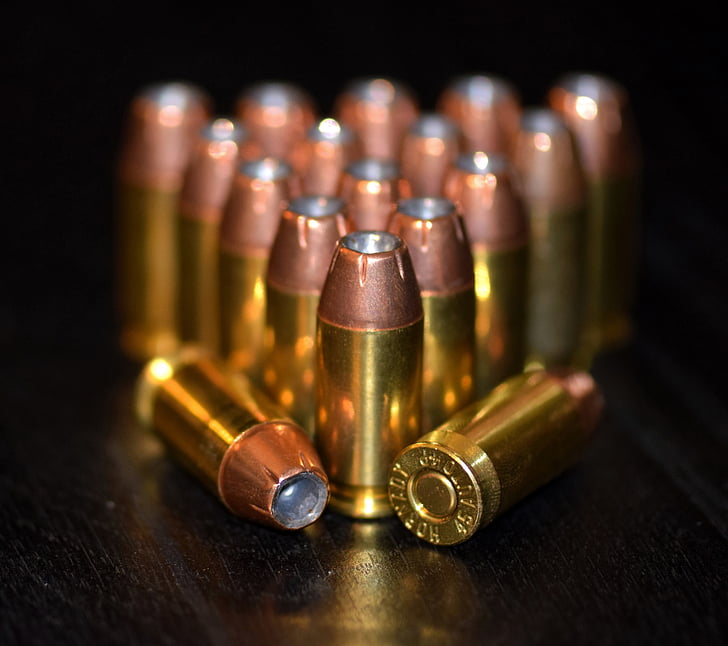
Small cartridges often get lumped together, but gel data makes the differences hard to miss. In tests covering eight pocket-pistol calibers, some loads showed respectable penetration while others struggled badly, even within the same caliber family. .25 ACP was notably weak in the tested loads, while .32 ACP often showed an unusual pattern: FMJ loads could outperform JHPs because the hollow points frequently failed to penetrate deeply enough. At the upper end of the small-bore revolver spectrum, .327 Federal Magnum delivered performance that was described as comparable to service-caliber loads when matched with the right bullet. “Pocket gun” is not a ballistic category by itself.
5. Short barrels make magnum rimfires pointless
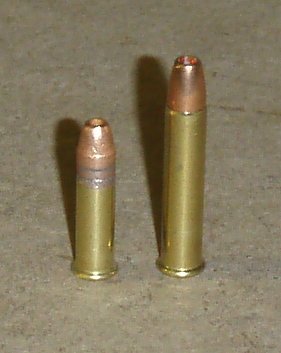
.22 WMR often gets dismissed as losing all of its edge in snub-nose handguns. Testing did not support that blanket claim. From a 1.9-inch revolver, the tested .22 Magnum loads averaged 255 fps faster than the .22 LR loads fired from a similarly short handgun, and that extra speed translated into better gel performance. The tradeoff was familiar: loads built for expansion often gave up penetration, while conventional loads penetrated better but did not expand. Even so, the idea that .22 WMR simply turns into .22 LR from a short barrel did not hold up.

6. Energy figures tell the whole story
Muzzle energy remains one of the easiest numbers to market and one of the weakest numbers to rely on by itself. Testing places more value on whether the bullet reaches adequate depth, expands consistently, and stays intact. A fast, flashy round that fragments early or stalls short in gel does not gain much practical credit from an impressive energy figure.
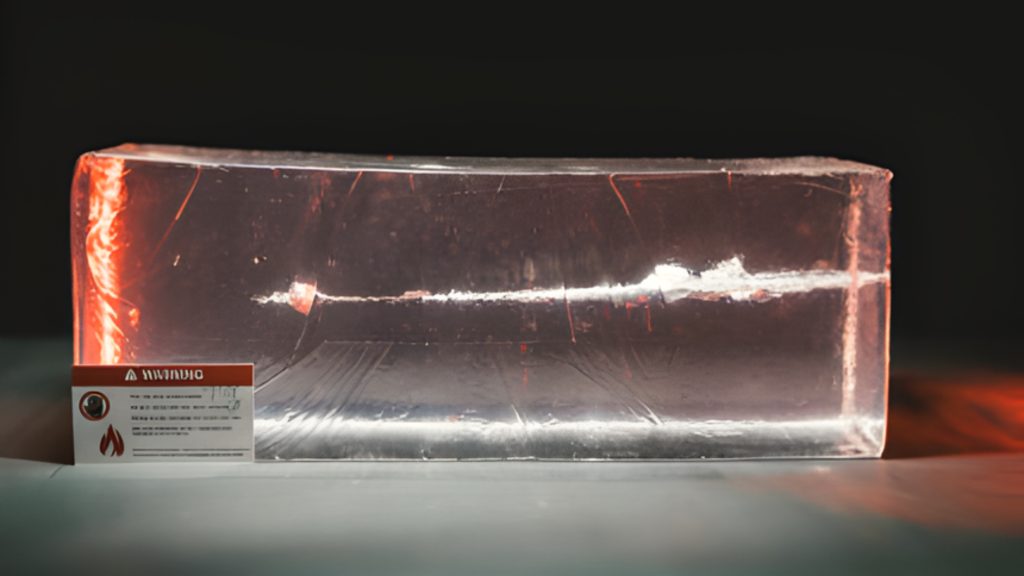
This is also why temporary cavity visuals can mislead. According to the ballistics testing overview, only the permanent wound cavity should be considered to have a reliable effect for handgun ammunition. Handgun bullets simply do not behave like high-velocity rifle rounds.

7. One gel test settles the question forever
Good testing is useful because it is repeatable and comparative, not because it is absolute. Even the strongest datasets note that barriers, barrel length, and individual load behavior can shift results. Some loads also vary shot to shot, which is exactly why five-round strings and standardized methods matter. The broader takeaway is that gel is a screening tool. It can reveal weak penetration, unreliable expansion, or strong consistency under the same conditions. It cannot promise identical real-world behavior, and serious testing sources repeatedly say so.
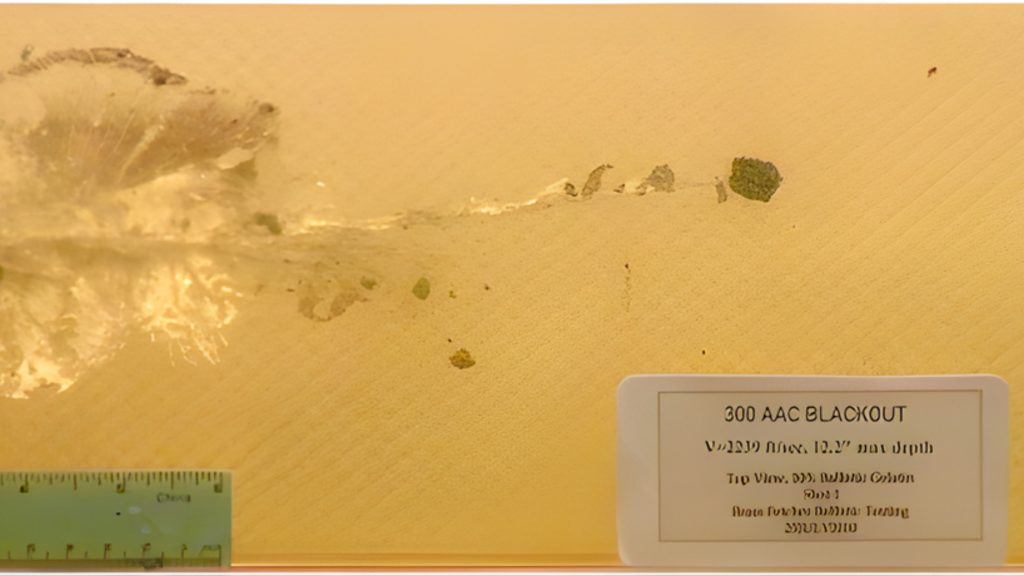
That is what makes the debunked myths worth revisiting. The most durable lessons are not glamorous: penetration matters, consistency matters, and bullet design matters more than slogans. Ballistics testing keeps returning to those points because the data keeps returning to them too. For self-defense ammunition, the most persistent myths usually fail where standards, short barrels, and heavy clothing begin.


