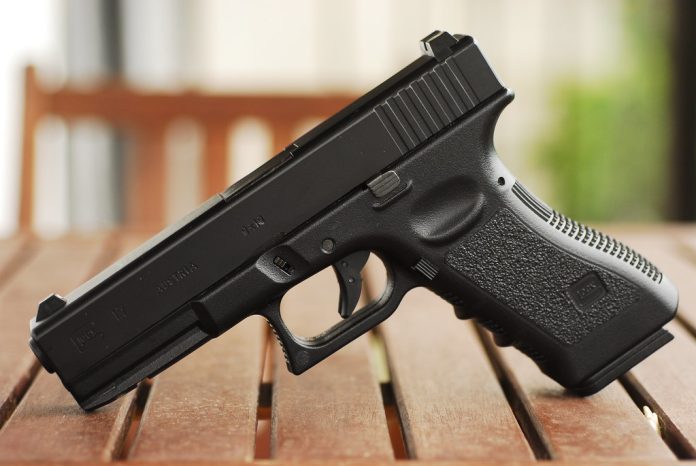
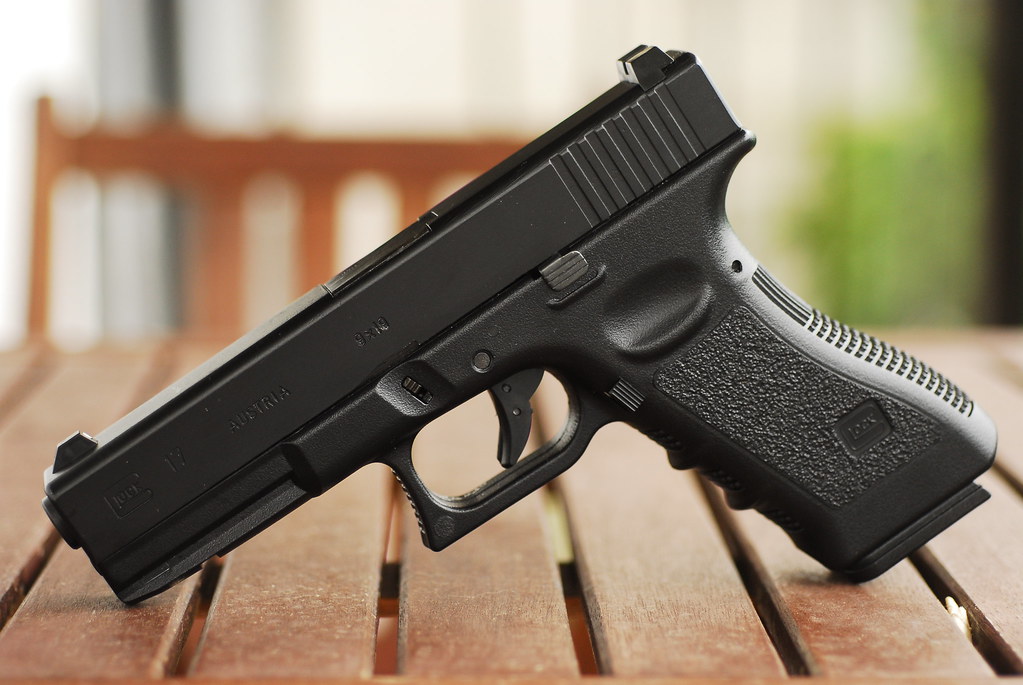
Glock spent decades building a reputation on familiarity. Controls stayed consistent, model lines stayed in production for long stretches, and armorers could plan around a parts ecosystem that felt unusually stable for a mass-market pistol platform.
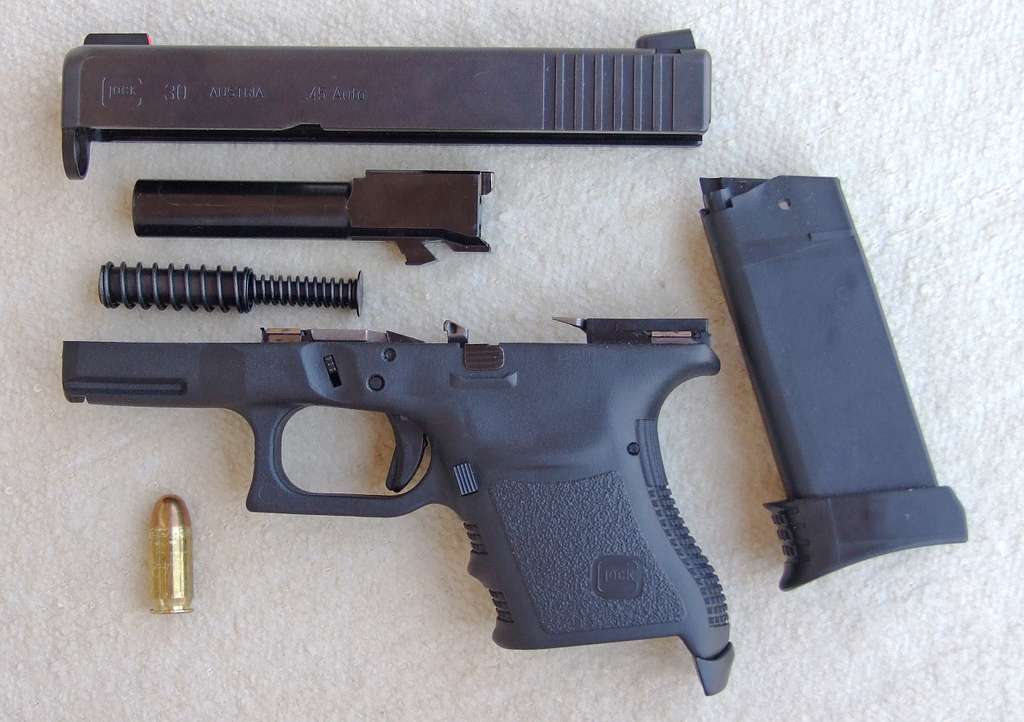
That stability is now being narrowed into something more focused. What looks like simple catalog cleanup is better understood as a broader reset shaped by manufacturing efficiency, optics-ready expectations, fit-and-ergonomics changes, and a design environment increasingly sensitive to conversion-device concerns.
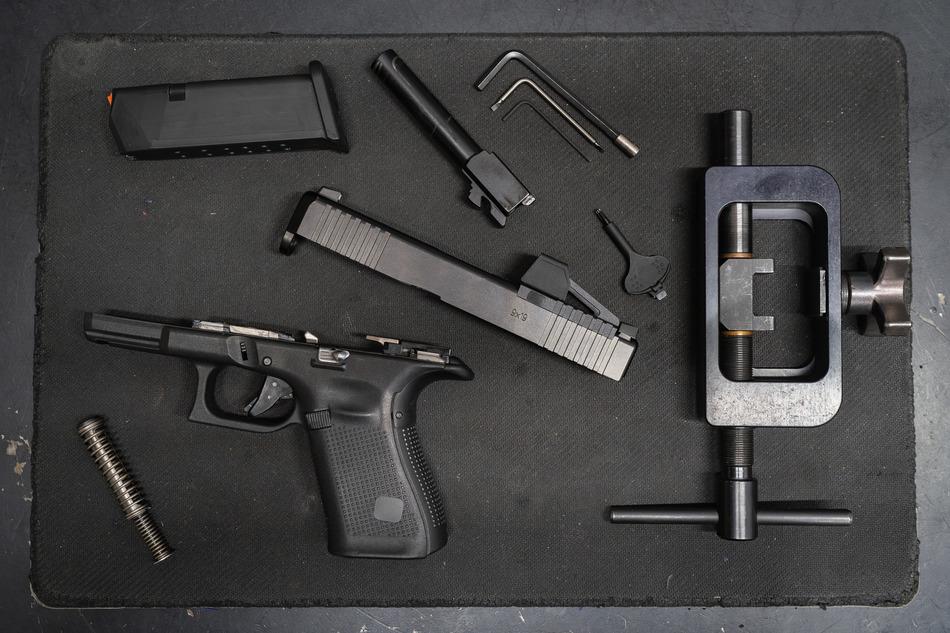
1. A smaller catalog makes production easier to concentrate
When multiple generations, niche chamberings, and overlapping frame-slide combinations remain active at the same time, manufacturing complexity rises fast. Fewer commercial variants mean fewer line changeovers, fewer inspection permutations, and less warehousing drag across low-volume parts.

That kind of pruning matters because Glock is no longer feeding a market that treats every SKU equally. Demand has shifted toward a smaller group of core 9mm models, which makes consolidation more than bookkeeping. It becomes a way to reclaim machine time and standardize output around the configurations with the strongest long-term pull.

2. Optics-ready slides have moved from premium feature to baseline expectation
The modern striker-fired market is crowded with optics-capable pistols, and that changes what counts as standard equipment. Across the wider handgun field, optics-ready pistols dominate new releases, from compact carry guns to full-size duty models, which leaves less room for legacy iron-sight-only production priorities.
Glock’s recent direction reflects that shift. Its Gen6 launch centers on an optic-ready system rather than treating slide cuts as an add-on, and that signals a different factory priority than earlier generations. Once optics mounting becomes the default path, maintaining large numbers of older slide variants starts to look less like customer choice and more like duplicated workload.
3. Gen6 gives Glock a clean point to standardize key user-facing changes
The new generation is not a cosmetic refresh. In Glock’s own rollout, the initial Gen6 family includes the G17, G19, and G45, with a flat faced trigger, revised ergonomics, and a new optic-ready interface built into the platform.
Those frame changes are substantial enough to matter for standardization. Glock describes a palm swell, extended thumb rest, enlarged beavertail, deeper slide serrations, and an undercut trigger area intended to improve purchase and reach. Reference coverage from early hands-on evaluations also described the pistols as feeling more like factory-built customizations than the usual incremental generational step. That makes Gen6 a logical anchor point for trimming overlapping legacy models and treating the new baseline as the center of the catalog.
4. Illegal conversion devices have become an engineering issue, not just an enforcement issue
One of the strongest external pressures on pistol design now comes from illegal conversion devices often called switches. These devices have drawn attention not just from law enforcement but from lawmakers and civil litigation, pushing the idea of “readily convertible” handguns closer to the center of design scrutiny.
That pressure is backed by data. Federal tracing and recovery efforts recorded 11,088 machine gun conversion devices recovered between 2019 and 2023, which keeps the issue visible far beyond the aftermarket. For a manufacturer with Glock’s scale and recognition, that kind of visibility creates strong incentives to simplify the lineup and align future production around designs that are easier to defend, easier to explain, and less tied to older rear-of-slide configurations.
5. Rear-slide redesigns are being treated as part of the next baseline
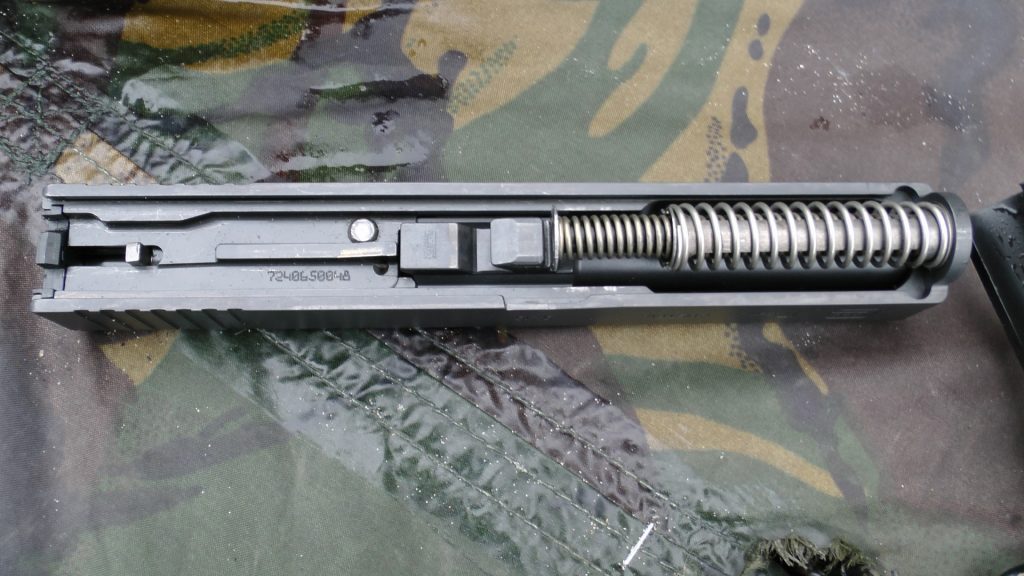
Coverage of the current transition has repeatedly focused on changes near the rear of the slide, where illegal conversion devices are typically installed. Discussion around upcoming or refreshed Glock variants has centered on hardware changes intended to obstruct or complicate that attachment point.
This matters because it shows where design energy is being spent. Rather than leaving the issue to policy debates or aftermarket fixes, Glock appears to be folding deterrence-minded geometry into the production pistol itself. That turns what once looked like a niche legal concern into a core engineering consideration, and it gives the company another reason to move away from older model architecture.
6. Parts compatibility is no longer as forgiving as Glock’s reputation suggests
Glock earned part of its following by being predictable across generations, but the newer the platform gets, the less universal that assumption becomes. Practical compatibility guidance for 9mm models shows that Gen4 and Gen5 changes already narrowed how easily slides, recoil systems, and frames can be mixed without adapters or compromises.
That trend continues with Gen6. Early industry coverage notes that some parts interchange while others do not, and barrels are specifically not interchangeable. Even small dimensional changes can ripple outward into holster fit, recoil-system fit, and maintenance planning. A leaner lineup helps Glock manage that complexity internally while reducing the number of half-compatible combinations circulating through commercial channels.

7. Duty use still rewards simplicity, but modern fit and support matter more
Glock’s long institutional value came from straightforward maintenance, broad armorer familiarity, and reliable issue-gun behavior. Those strengths still matter, especially for agencies that do not have the budget to run exhaustive in-house pistol trials and often rely on validated outside testing, fit data, and existing support networks.
At the same time, standardization now has to account for optics, ergonomics, and accessory fit in ways older procurement models did not. Agency-side commentary has emphasized factors like slide cut systems, holster availability, trigger reach, and how well a pistol accommodates different hand sizes. Glock’s Gen6 changes line up closely with that reality. A tighter core lineup built around better fit, optics-ready slides, and simpler support paths is easier to sustain than a sprawling catalog built for an earlier era.
The larger pattern is clear: Glock is not abandoning its identity so much as compressing it. The company still leans on the familiar logic that made its pistols dominant in law enforcement, civilian carry, and the broader polymer-striker market. What has changed is the definition of “standard.” In today’s market, standard increasingly means 9mm, optics-ready, more refined ergonomics, and fewer legacy branches competing for factory attention.


