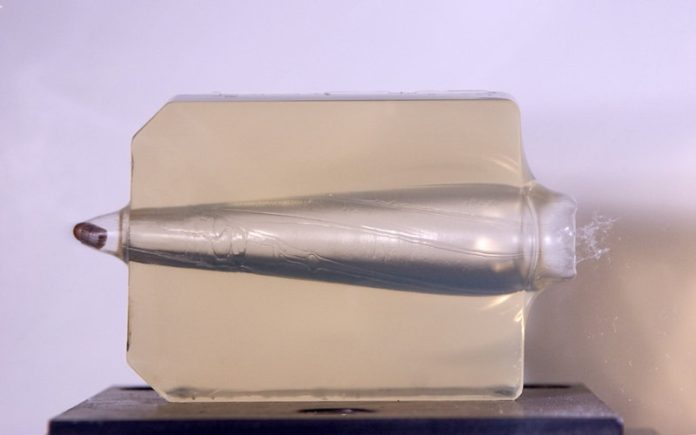
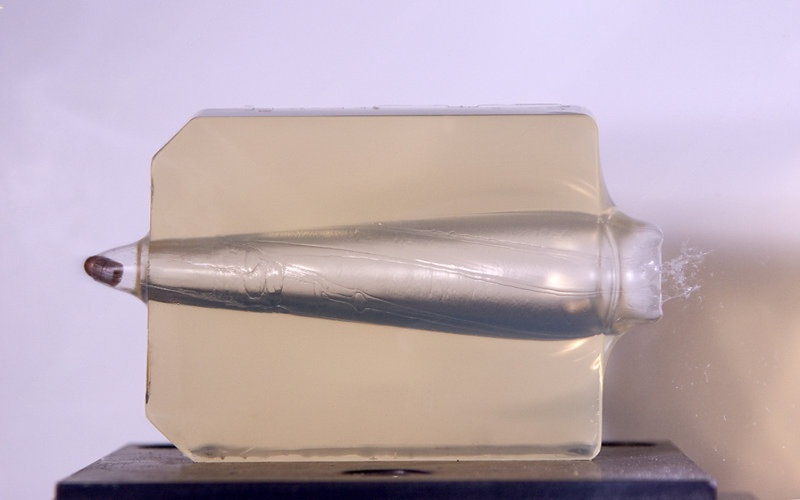
Handgun ballistics arguments have a way of turning into folklore. One camp treats gelatin blocks as the final word, while another dismisses them as a laboratory sideshow. The truth sits in the middle: gel is not a stand-in for anatomy, but it remains one of the most useful controlled tools for comparing handgun bullet behavior.
That is why the FBI-style gelatin standard still matters. In a repeatable medium, bullets can be judged on the qualities that actually show up from shot to shot: penetration, expansion, and consistency after barriers such as heavy clothing. Several popular beliefs do not survive that kind of scrutiny.
1. A “pass” in gel means the bullet will behave the same way in a body
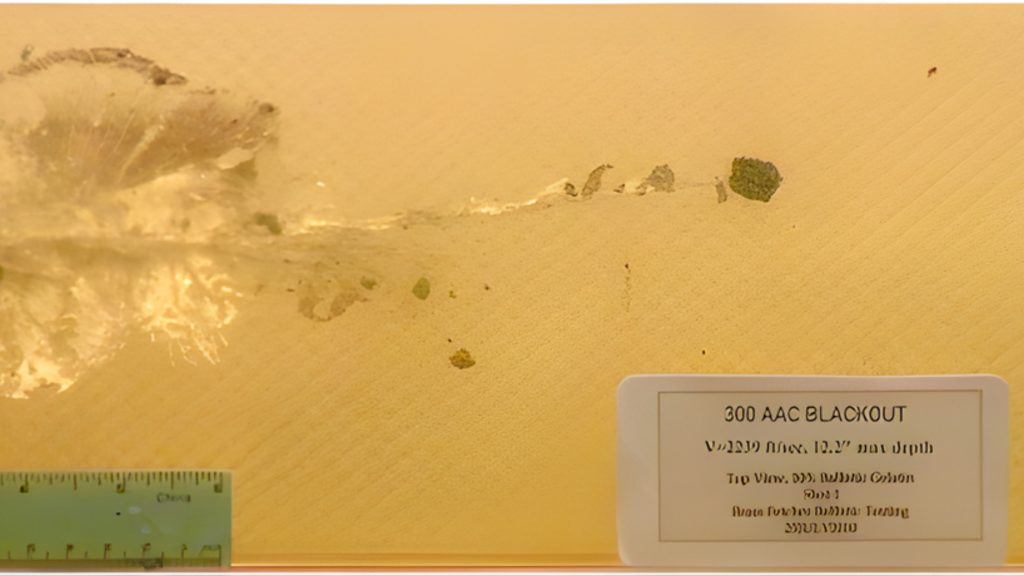
This is the biggest misunderstanding in the entire discussion. Ballistic gelatin is useful because it is consistent, not because it duplicates skin, ribs, tendons, organs, and shifting angles inside the human body. A good showing in gel is a strong sign that a load is mechanically sound, but it is not a prediction machine. As testing protocols explain, a homogeneous block creates an apples-to-apples comparison between ammo loads. That is a major advantage. It also means gel should be read like engineering data: a bullet that performs poorly in gel is a warning sign, while one that performs well is simply a better bet, not a guarantee.
2. Handgun bullets drop attackers with “shock” more than penetration
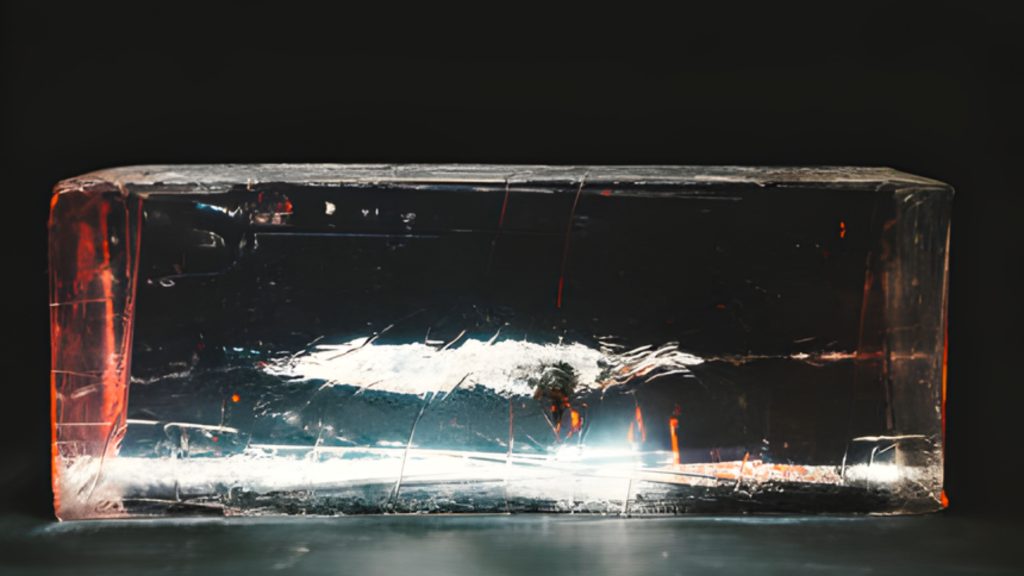
Gel testing consistently pushes this myth aside. Handgun rounds do not produce rifle-like terminal effects, and the impressive splash seen in high-speed footage is often misread as fight-stopping force. At ordinary handgun speeds, the repeatable damage mechanism is the permanent cavity, meaning the tissue actually crushed or torn by the bullet. Lucky Gunner’s plain-language summary is blunt: “Bullets fired from handguns do only one thing: poke little holes in stuff.” That line captures why penetration remains central. If the bullet does not reach a vital structure, extra discussion about energy transfer does not change the outcome.
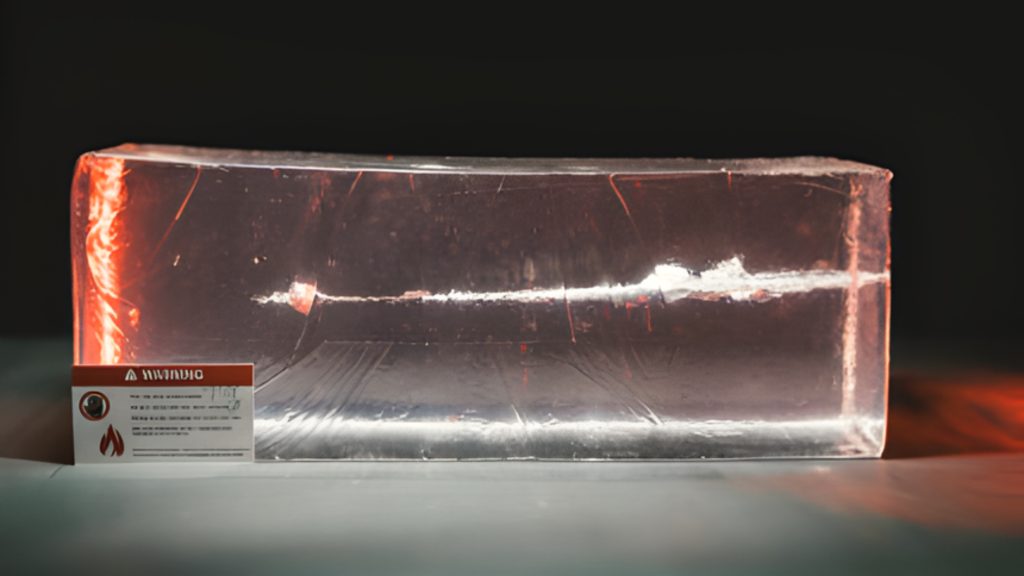
3. The FBI’s 12 to 18 inches is excessive for a chest shot
On paper, many shooters picture a square target facing straight ahead at close range. Realistic geometry is less tidy. Arms can cover the chest, bodies can be turned, and bullets may need to travel through intermediate tissue before they ever reach something vital. The widely cited 12- to 18-inch penetration standard exists for that reason, not because torsos are that thick from front to back. A bullet that stops at 9 inches can look adequate in conversation and still come up short once angle, bone, or an arm enters the path. Gel does not prove what any one hit will do, but it does show whether a load has enough reserve penetration for imperfect shot paths.
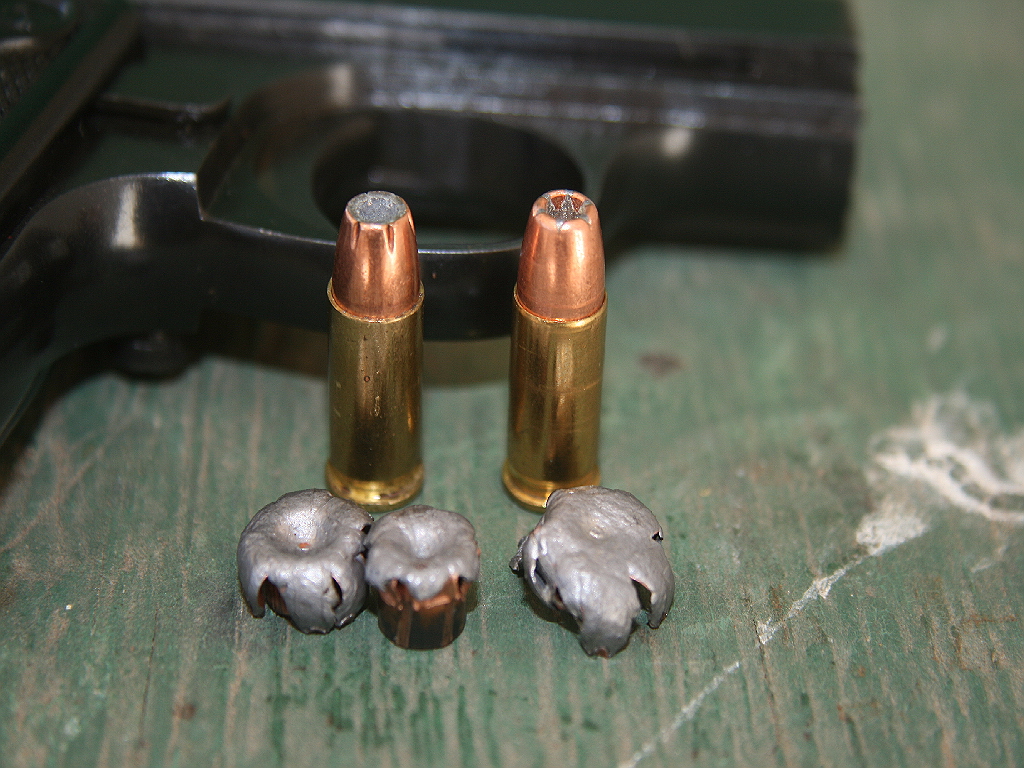
4. Heavy clothing tests are unrealistic and mostly cosmetic
Clothing barriers are not there to imitate fashion. They are there to challenge bullet design. The standard heavy-clothing setup used in civilian-facing testing commonly layers two cotton fabrics, fleece, and denim to see whether the hollow point cavity plugs before it enters the gel. That matters because clogging can turn an expanding bullet into something behaving much more like a non-expanding one. When that happens, penetration often increases while expansion decreases. The barrier is useful precisely because it exposes loads that only work under ideal conditions, including those fired through a four-layer heavy clothing barrier.
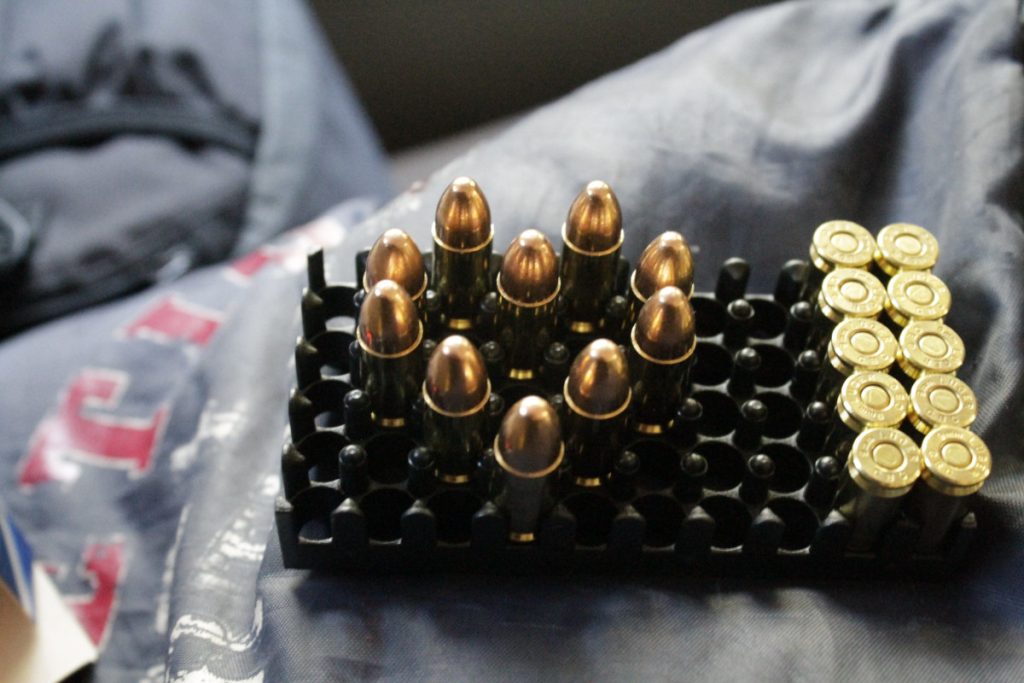
5. Velocity printed on the box tells the whole story
Barrel length can change the result enough to make a load look like a different product. Many published velocities come from longer test barrels, while many carry pistols use barrels in the low 3-inch range. That gap can reduce impact velocity enough to alter expansion reliability, final diameter, and penetration depth. This is why shorter-barrel testing remains so valuable. A bullet tuned for one speed window may open beautifully from a service pistol and behave much less consistently from a compact. Gel does not create that difference; it reveals it.
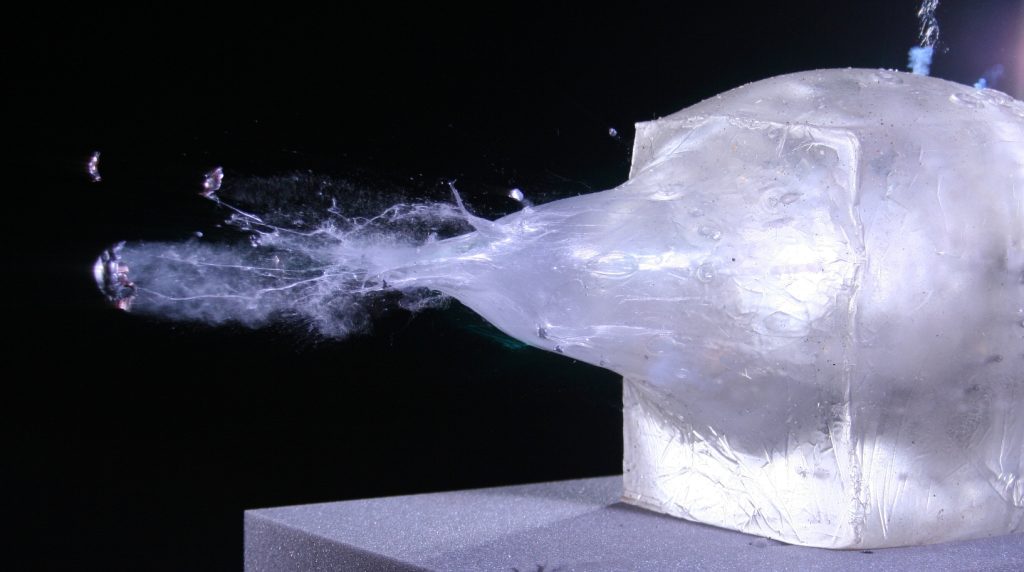
6. A bigger temporary cavity in gel means a more effective handgun load
Slow-motion footage has probably done more than anything else to keep this myth alive. Synthetic blocks visibly balloon, stretch, and ripple in a way that looks dramatic on camera. The effect is real in the block, but it is not the same thing as reliable tissue destruction in living targets.
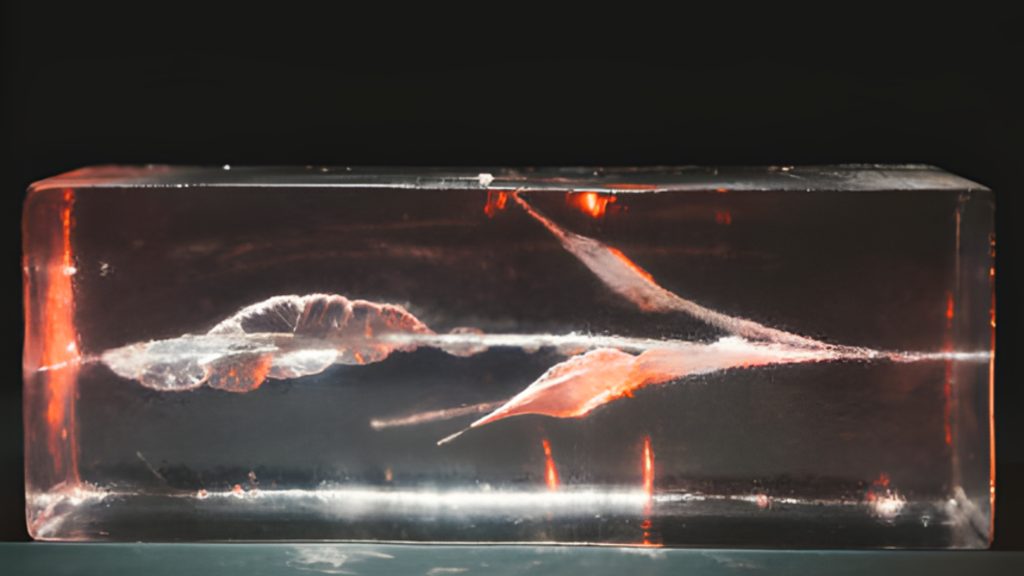
Researchers and test writers repeatedly note that handgun temporary cavity is of limited practical value at normal pistol velocities. Even 10,000 frames per second footage does not change the underlying rule: for handguns, permanent cavity and adequate penetration remain the more dependable indicators.
7. Bigger calibers always produce clearly superior gel results
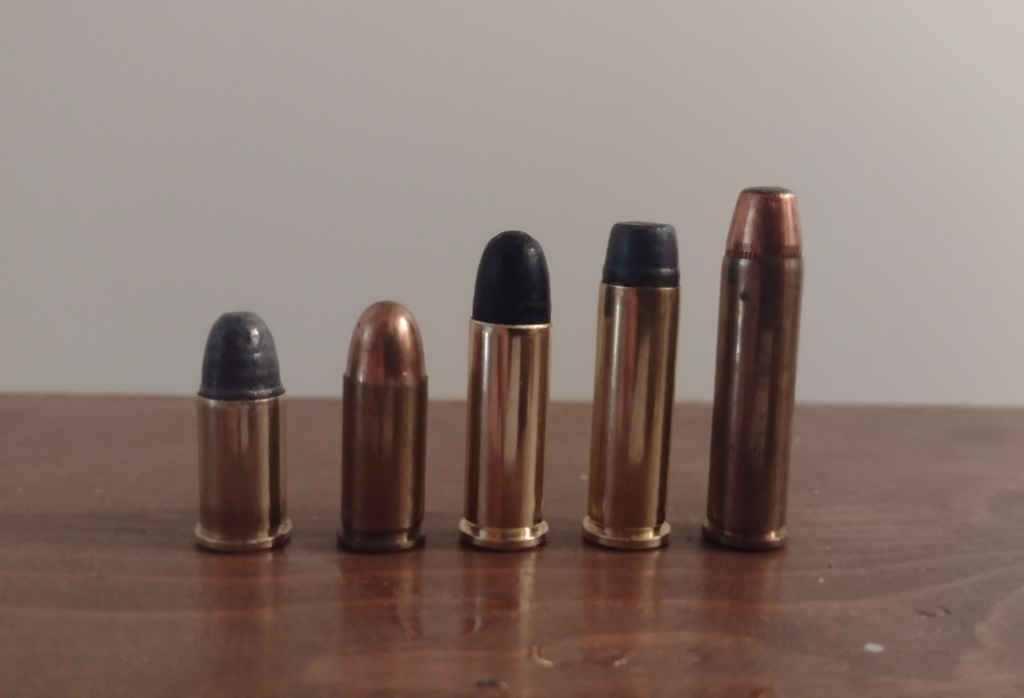
This is where many caliber wars run into hard data. In modern service calibers, bullet design has narrowed the spread enough that overlap is common. Some 9mm loads penetrate and expand so well that the practical difference between them and larger service rounds becomes much smaller than older assumptions suggested. Forum debates often overstate caliber gaps, but one comment from the reference discussion captures the modern view: “There really isnt much diff between good jhp among the service calibers.” Gel does not say all calibers are identical.
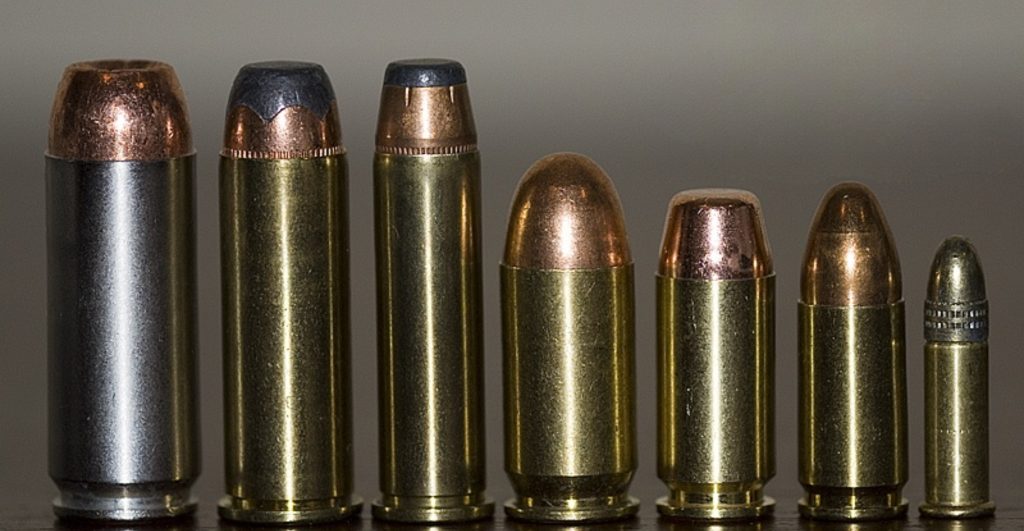
It does show that well-designed bullets in common service chamberings often converge more than expected, especially when manufacturers are engineering toward the same testing window. FBI-style gelatin tests do not settle every argument, and they do not claim to. They simply strip away enough variables to show what a handgun bullet is consistently capable of doing in controlled conditions. That is their value. The myths fall apart when gel is treated neither as gospel nor as gimmick, but as a disciplined measurement system for the two things handgun bullets can least afford to get wrong: reaching deep enough and expanding reliably enough.


