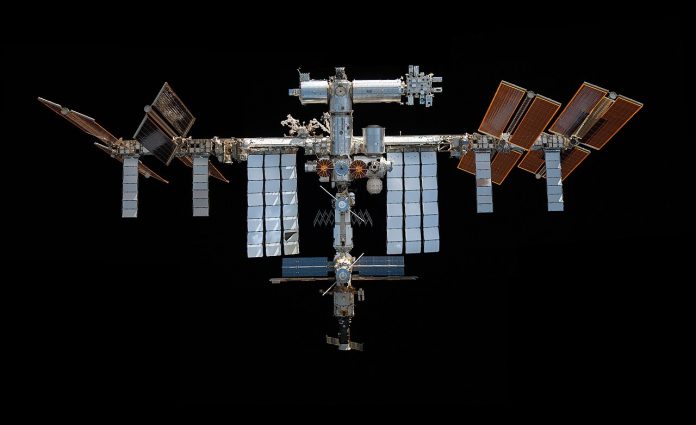
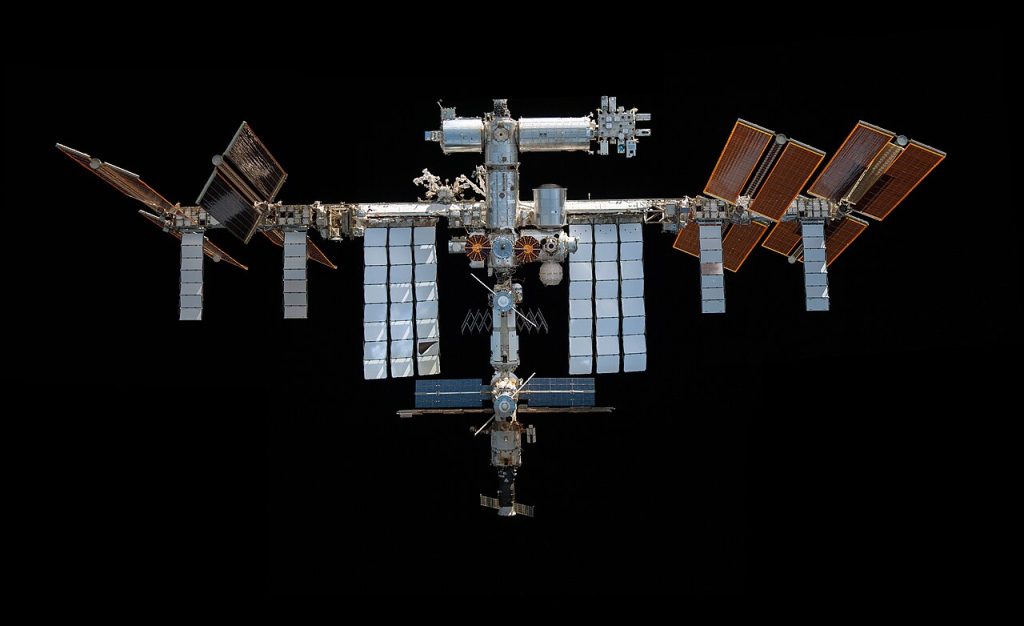
The International Space Station has never been just a laboratory in orbit. It is also a logistics system that depends on regular crew rotation, constant maintenance, and a transportation network that cannot afford to be fragile.
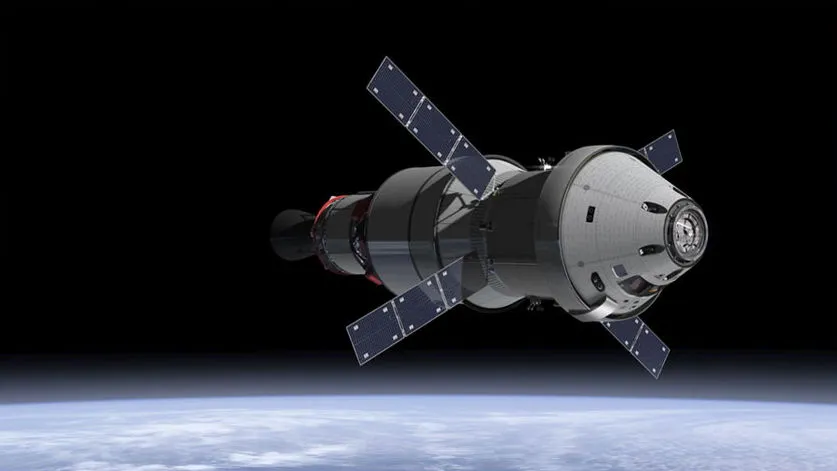
That is why NASA’s long-running push for two independent crew vehicles has survived delays, program setbacks, and hard lessons. The case is no longer only about competition or schedule flexibility. It is about resilience in a system where one grounding can ripple across science plans, station operations, and crew safety.
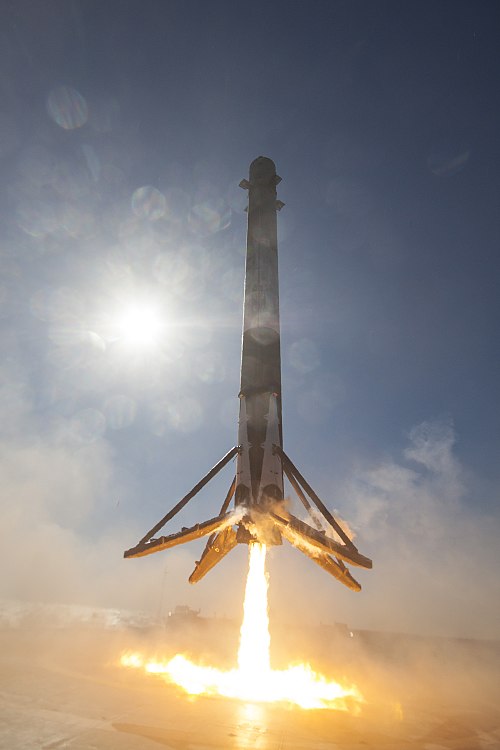
1. A single launch system can become a bottleneck overnight
NASA’s current operational crew access to the ISS runs through Crew Dragon, which has been highly successful. Even so, the agency has repeatedly emphasized that one healthy provider is not the same thing as a resilient transportation architecture. A launch anomaly, fleet stand-down, or spacecraft issue can interrupt the entire rotation model if there is no second U.S. option available.
NASA officials have made that point directly. As Dana Weigel explained during an ISS briefing, if Falcon 9 had to pause, “if we had another vehicle, we could continue flying.” That logic remains central because the station cannot be operated as though launch systems are immune to interruptions.
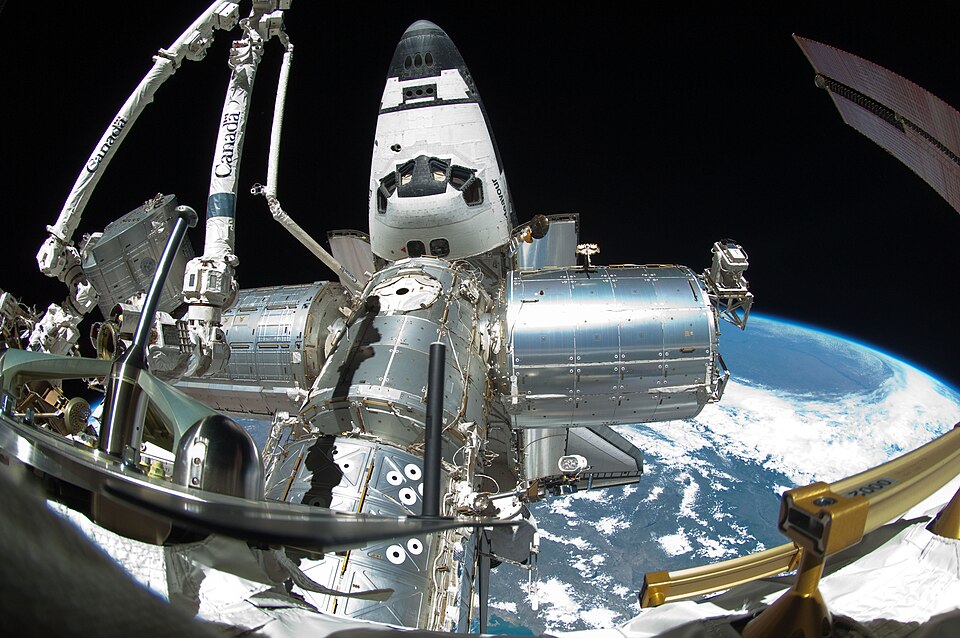
2. ISS operations depend on continuous human presence
The station is built around long-duration occupancy, not occasional visits. Crew members do science, but they also maintain environmental systems, inspect hardware, manage water recovery equipment, and respond to routine faults before those faults become bigger problems.
NASA has described station life support and water processing as dependent on constant throughput from astronauts. That phrase captures the engineering reality. A delayed handover is not merely a calendar inconvenience; it can compress maintenance windows, alter cargo priorities, and force mission planners to protect the station first and science second.
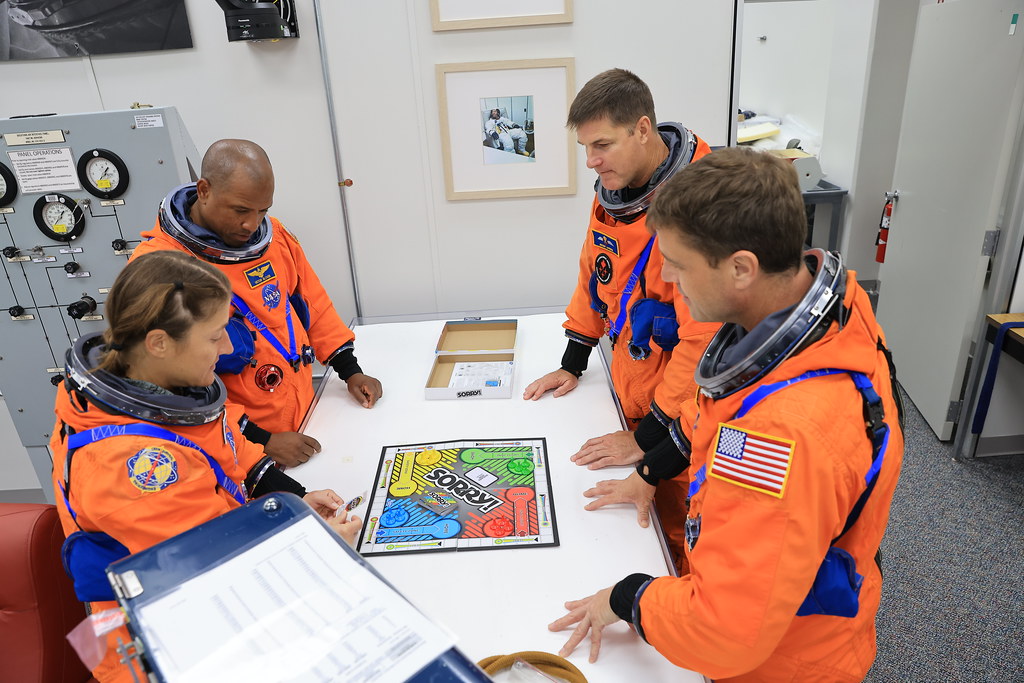
3. Redundancy is a core aerospace safety principle, not a luxury
NASA’s own reliability guidance has long treated redundancy as a way to prevent a single failure from turning into a hazardous condition. In critical systems, the agency’s lesson learned archive notes that dual redundancy can raise reliability by an order of magnitude or more when common-cause failures are minimized.
The same principle applies at the program level. Two dissimilar crew systems are not simply two copies of the same answer. They are a hedge against design-specific flaws, launch vehicle stand-downs, supplier problems, and certification surprises. In plain engineering terms, NASA is trying to avoid a situation where one fault path can shut down all American crew access to low Earth orbit.
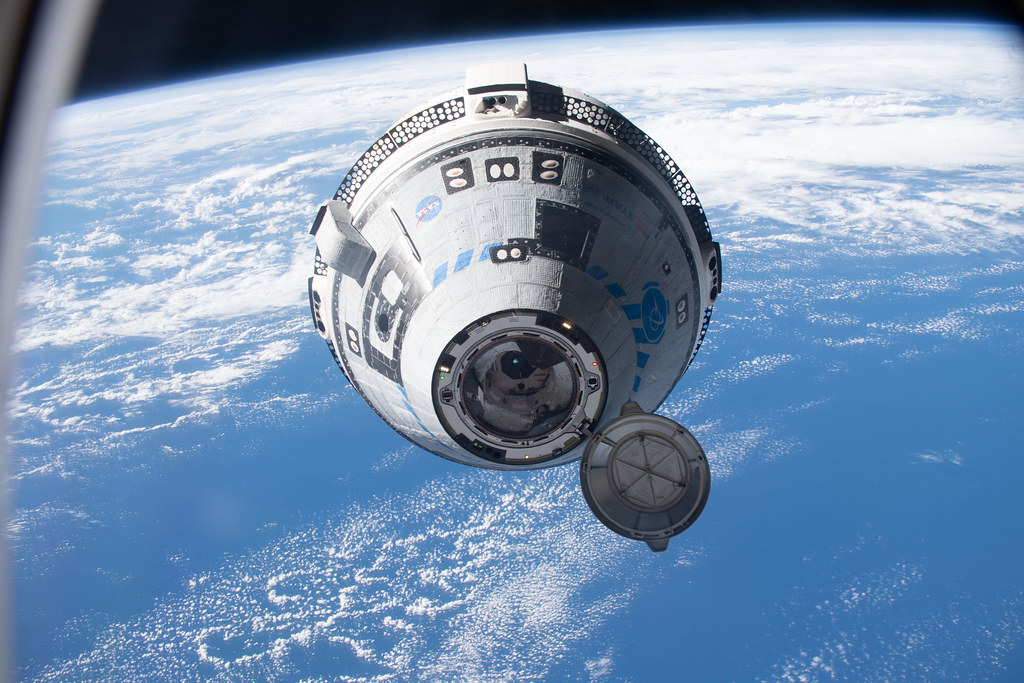
4. Starliner’s troubles reinforced the need for dissimilar systems
The strongest argument for a second spacecraft did not disappear when Starliner ran into trouble. It became sharper. NASA’s investigation into the 2024 Crewed Flight Test found not only propulsion issues, but also organizational and cultural failures that allowed risk to be accepted too easily.
On approach to the ISS, five of Starliner’s thrusters failed, temporarily removing key maneuvering capability until some thrusters were recovered. NASA later classified the mission as a Type A mishap, the agency’s highest mishap category, because the event involved a serious loss of spacecraft control authority and significant damage risk. That outcome damaged confidence in Starliner’s readiness, but it did not weaken the broader case for two vehicles. It showed exactly what happens when the backup system is not yet dependable.
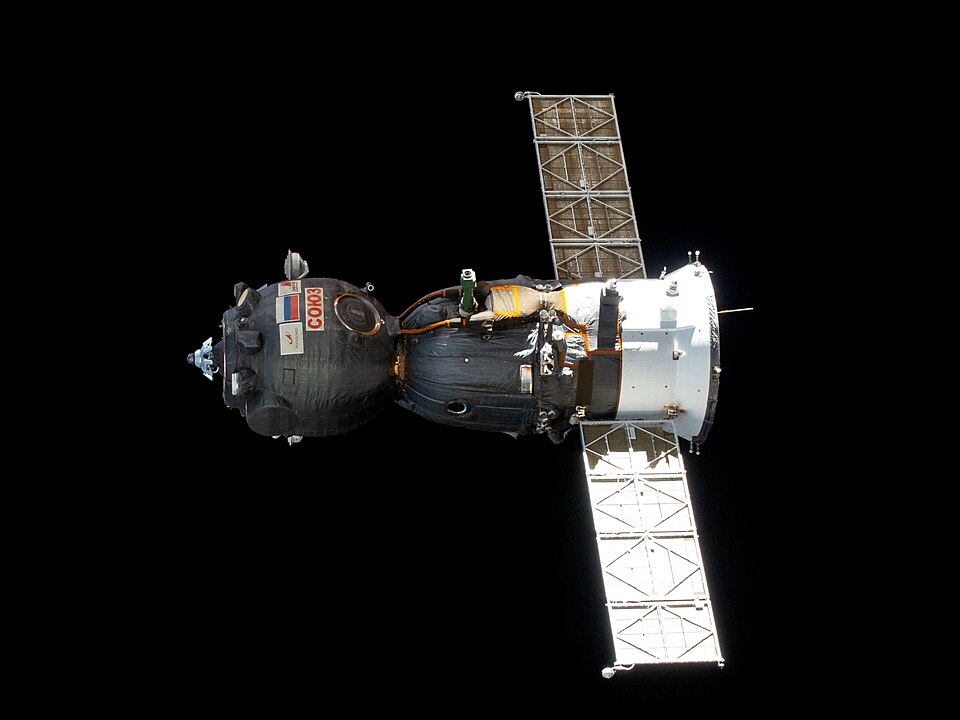
5. NASA does not want to relive the post-shuttle dependence era
After the shuttle retired in 2011, NASA spent nearly a decade buying Soyuz seats to keep American astronauts flying to the ISS. That arrangement preserved station operations, but it also revealed the strategic cost of lacking a domestic transportation alternative.
The agency’s commercial crew strategy was designed to avoid returning to that kind of dependence. Two American systems launching from American soil were supposed to reduce the chance that one retirement, grounding, or geopolitical complication could narrow the path to orbit down to a single option. That objective still stands even as the ISS approaches the end of its planned lifetime.
6. Cargo redundancy problems already show what crew redundancy gaps look like
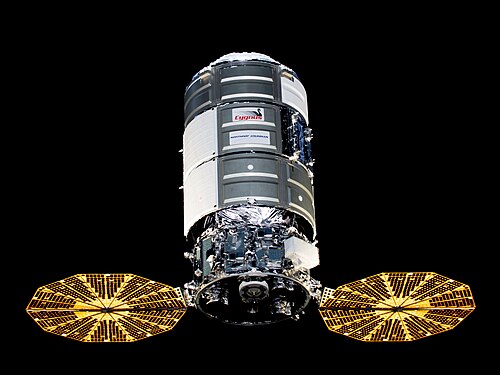
NASA’s Office of Inspector General has warned that ISS logistics are already exposed by concentration risk. With delays affecting other cargo systems, the report noted that both cargo and crew transportation have been pushed toward a single U.S. launch backbone, increasing the chance that one disruption could affect station plans.
The OIG’s conclusion was blunt: the delayed arrival of redundant transportation options heighten the risks associated with a single launch provider. Crew transportation is even less forgiving than cargo, because every rotation mission carries not just people but the station’s operational continuity.
7. “Two providers” only works if safety standards stay ahead of schedule pressure
NASA’s recent Starliner findings also exposed a harder truth. Wanting two providers can become a source of risk if that goal starts to influence engineering judgment. Administrator Jared Isaacman said the agency allowed “overarching programmatic objectives” to influence decisions during and after the mission, and he stated that NASA will not put another crew on Starliner until the technical causes are fully understood and corrected.
That distinction matters. The agency still needs two spacecraft, but it cannot treat the existence of a second provider as success by itself. The real requirement is two safe, independent, operational systems. Anything less creates the appearance of redundancy without the protection redundancy is supposed to provide.
For the ISS, two crew spacecraft remain an engineering necessity disguised as a policy goal. One vehicle keeps missions moving when the other pauses, and history keeps showing that pauses are part of human spaceflight.
NASA’s challenge is not deciding whether redundancy matters. It is finishing the harder work of restoring it without compromising the safety case that made redundancy necessary in the first place.


