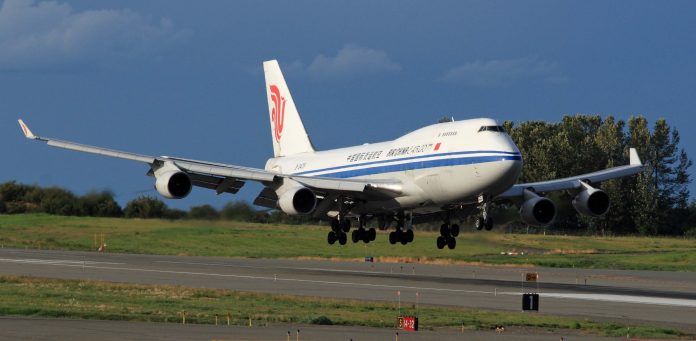
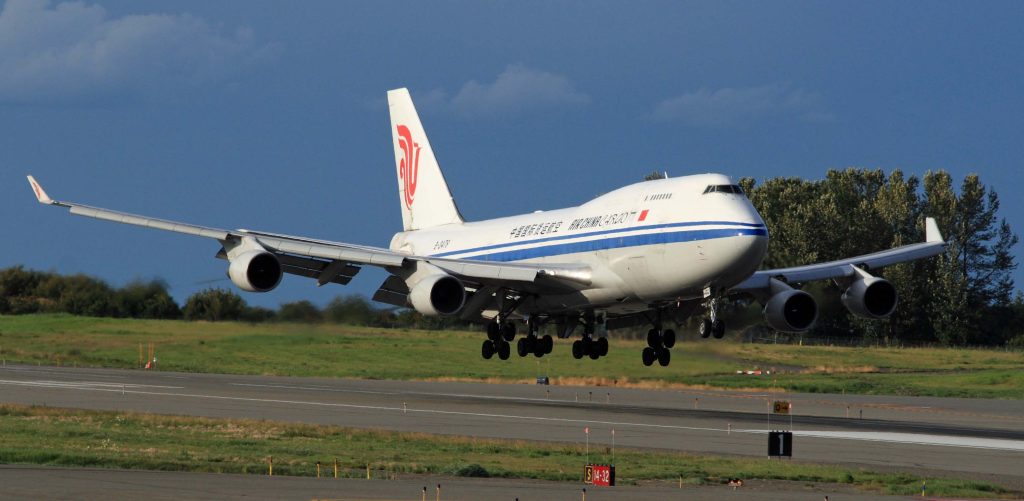
Older freighters often stay in service because their airframes still deliver payload, range, and dispatch value. What changes with age is not the basic mission, but the difficulty of proving that heavily loaded structure still has the margin engineers expect.
A recent focus on widebody freighter pylon structure has highlighted a broader engineering reality: fatigue risk rarely appears as a single dramatic defect. It develops through accumulated cycles, local stress concentrations, inspection limits, environmental exposure, and the challenge of applying maintenance assumptions created in an earlier certification era.
1. Fatigue usually starts where loads concentrate, not where damage is easiest to see
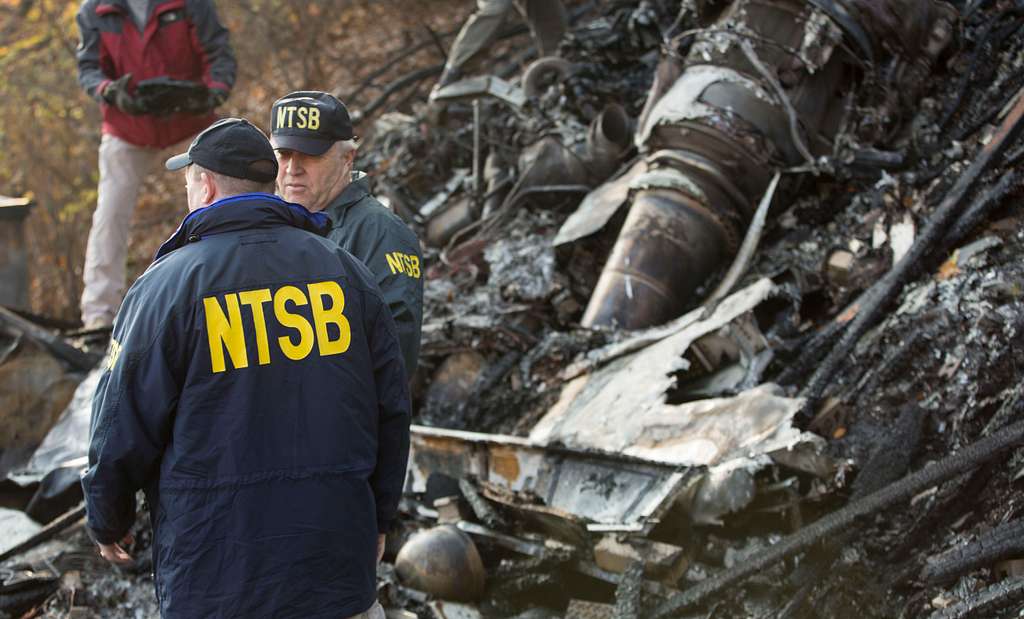
Aircraft structure does not wear evenly. Fatigue cracks tend to form at attachment lugs, fastener holes, load-bearing skins, and other stress “hot spots” where geometry concentrates force. Skybrary’s overview of ageing aircraft notes that crack propagation is driven by the very high local stress at a crack tip, which is why apparently small flaws can become structurally important long before widespread visible damage appears. That pattern is especially relevant in engine pylons. In the MD-11 investigation, the NTSB said fatigue cracking on multiple fracture surfaces was found in the left pylon aft-mount lug area. The detail matters because attachment fittings are highly loaded transfer points between engine, pylon, and wing, making them classic candidates for localized fatigue accumulation.
2. Flight cycles can matter as much as total hours
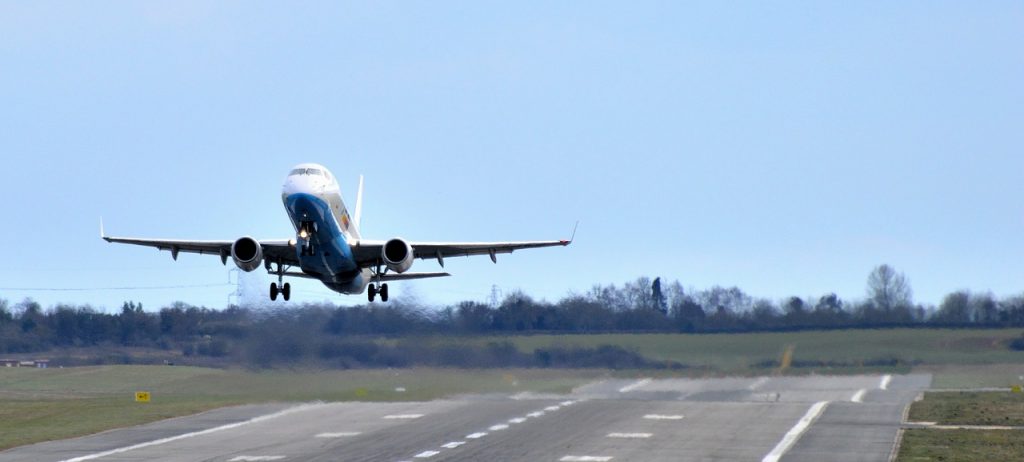
Structural ageing is not measured by calendar years alone. Repeated pressurization, takeoff rotation, landing impact, thrust loading, and vibration all add cycle-related stress, and cargo aircraft can accumulate that exposure in distinctive ways depending on route structure and utilization. The MD-11F under investigation had logged 92,992 hours and 21,043 cycles. Those numbers do not automatically indicate an unsafe aircraft, but they show why engineers track both hours and cycles. A long-haul freighter and a short-sector aircraft may age differently even when they share the same time-since-new, because fatigue damage responds to load repetition as much as elapsed service life.
3. Inspection compliance does not always guarantee defect discovery
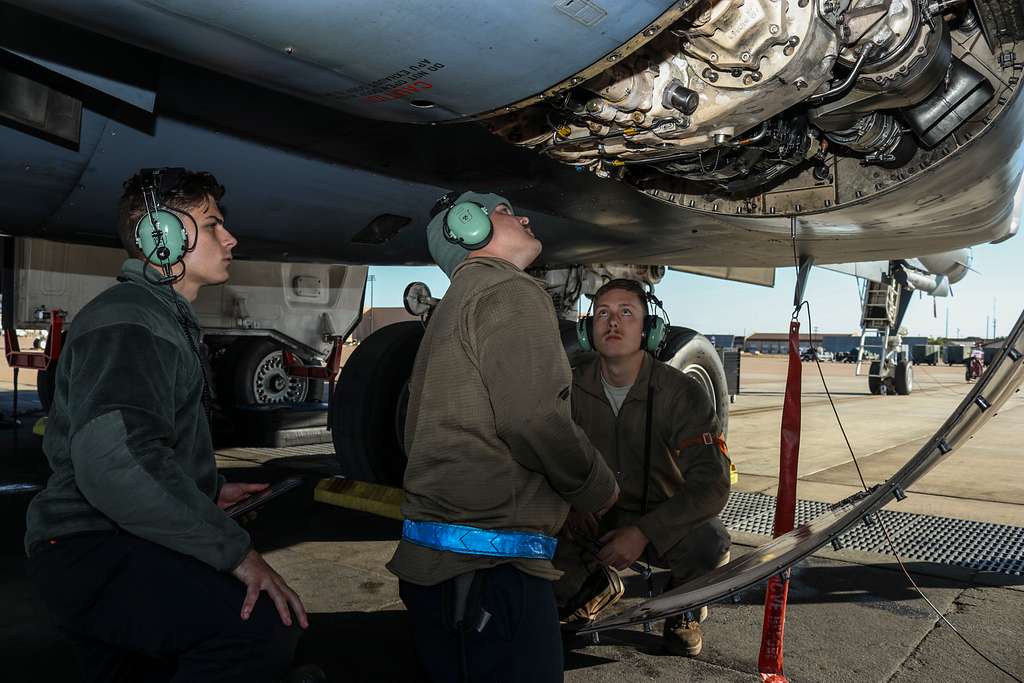
One of the hardest lessons in structural integrity is that an aircraft can be maintained in accordance with required tasks and still harbor damage below the threshold of detection. Ageing-aircraft programs were built around damage tolerance and scheduled inspections, but older designs can expose gaps between the original assumptions and the actual service experience decades later. According to the preliminary findings, visual inspections of the affected pylon area had been completed in 2021, and lubrication tasks for related components were completed in 2025. The same report said certain special detailed inspections tied to higher cycle thresholds were not yet due for this airplane. That combination illustrates a recurring issue in ageing fleets: inspection intervals are designed around known risk models, but structural behaviour in service can reveal critical degradation before a threshold-triggered task is reached.
4. Shared design features can spread concern across multiple aircraft types
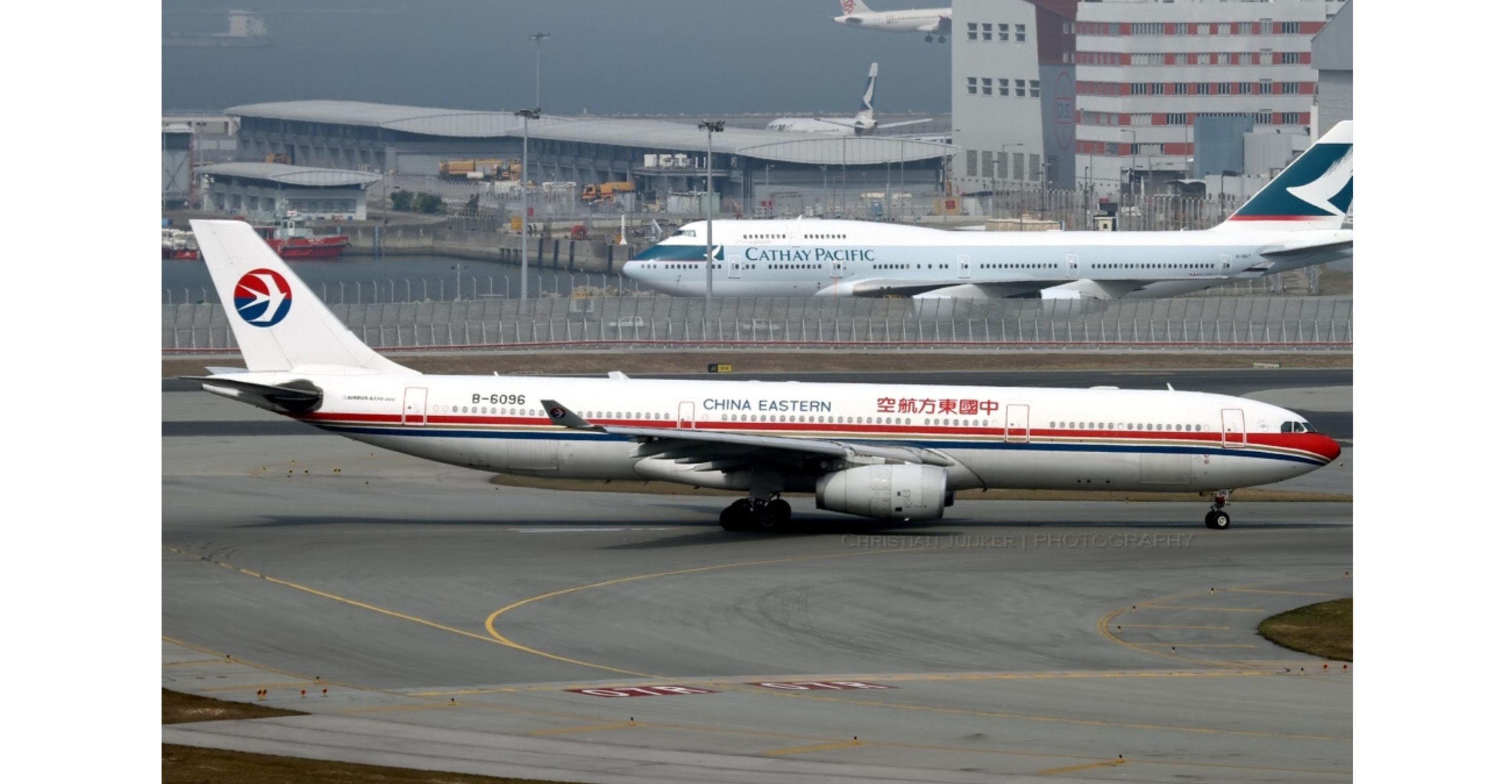
Ageing risk is rarely confined to a single tail number when the underlying structure is common across a family. Once investigators identify a potentially vulnerable architecture, regulators look for similar load paths, attachment details, and failure modes elsewhere in the fleet. That is why the FAA expanded an emergency directive beyond the MD-11 to include MD-10 and several DC-10 variants, citing structural similarities in the engine-pylon design. For engineers, that move underscores an important principle: fatigue management is design-specific as much as aircraft-specific. If the same pylon concept carries similar loads in related models, one finding can quickly become a fleet-wide structural question.
5. Corrosion and fatigue often work together
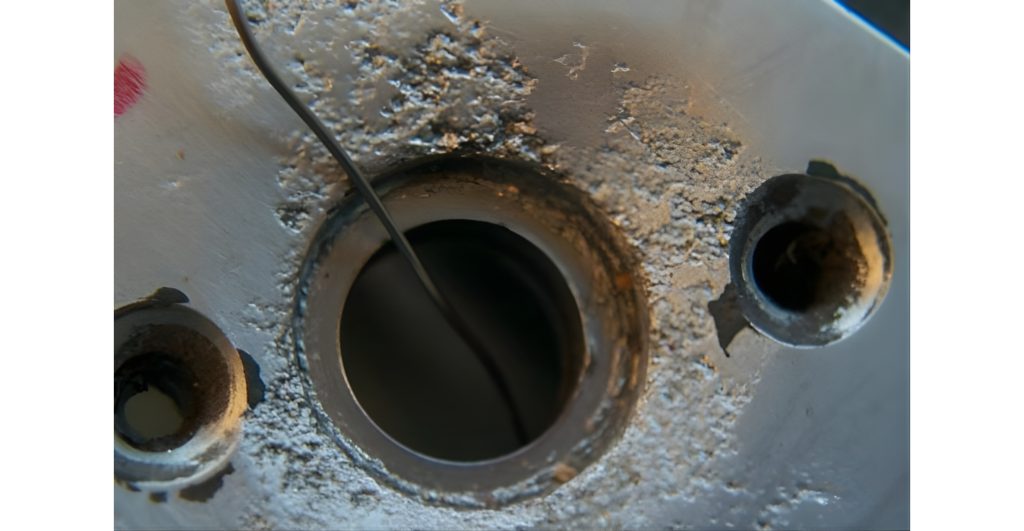
Fatigue is frequently discussed as a crack-growth problem, but corrosion can help create the conditions that allow crack initiation and acceleration. Skybrary notes that corrosion may go undetected and reduce structural integrity, and in some cases it can initiate fatigue effects. This interaction is particularly relevant to older cargo jets because many have seen decades of ramp exposure, weather cycles, contamination, and maintenance activity across multiple operators. Even when corrosion is not the headline finding, engineers treat it as part of the structural picture because material loss, surface pitting, and hidden moisture paths can change local stress behaviour at attachments and joints.
6. Repairs can become long-term structural variables
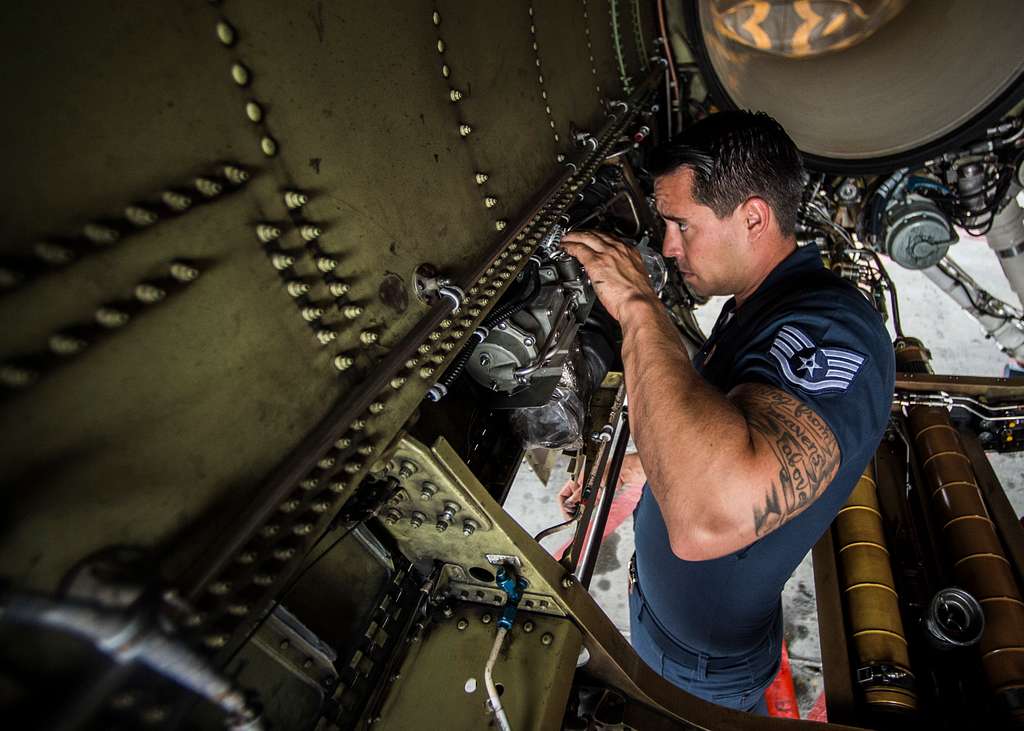
Ageing aircraft history shows that repair quality is only part of the issue. The long-term inspectability of a repaired area matters just as much. Several major structural-failure cases cited by Skybrary found that continued monitoring after repairs did not effectively detect the developing weakness. That matters on freighters because converted or high-time airframes often carry a deep maintenance record, multiple heavy checks, and localized rework accumulated over decades. Every repair changes geometry, load transfer, or inspection access to some degree. In structural life management, documentation and follow-up become engineering tools, not paperwork.
7. Engine pylons are more than mounting hardware
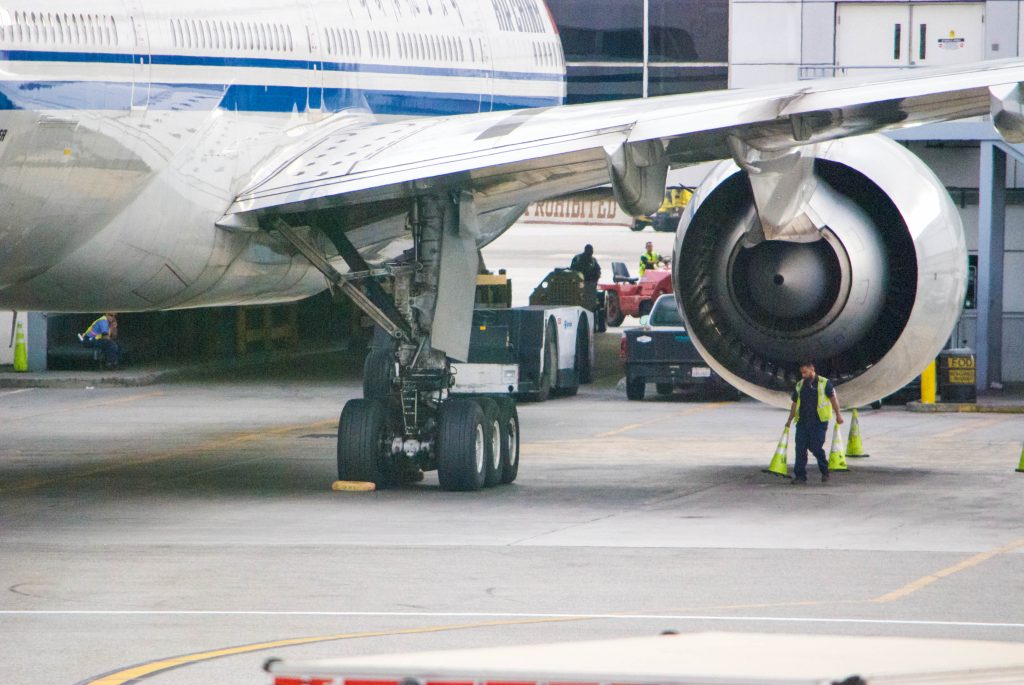
To non-specialists, a pylon can seem like a support bracket. In practice, it is a primary structural interface that transfers engine weight, thrust, aerodynamic loads, and dynamic inputs into the wing. When that system is degraded, the consequences can extend immediately beyond the engine itself. The NTSB reported that the separated engine remained attached to the pylon and that investigators also documented a fractured spherical bearing outer race in the aft mount assembly. Those findings show why pylon integrity is treated as a system question involving lugs, bearings, fittings, and attachment hardware rather than a single failed part.

8. Ageing-aircraft safety depends on feedback loops, not only maintenance manuals
Modern structural safety relies on service data flowing back into inspection programs, directives, and fleet assessments. Skybrary points to longstanding concerns that minor findings or incidents have not always been reported in ways that help authorities and manufacturers identify patterns early enough. That is one of the hidden lessons from ageing cargo fleets. A crack indication, unusual wear pattern, or attachment anomaly on one aircraft may be the first useful signal for many others. The strongest defence is not a single inspection but an evolving system of nondestructive testing, recurring review, corrective action, and rapid reassessment when new evidence appears.

The engineering message from older freighters is straightforward. Structural fatigue risk is usually cumulative, local, and difficult to detect before it becomes significant. As cargo jets remain economically useful deep into maturity, structural assurance depends on more than calendar age or broad maintenance status. It depends on how well operators, manufacturers, and regulators understand load paths, inspection blind spots, common design features, and the small material changes that can quietly alter residual strength over time.


