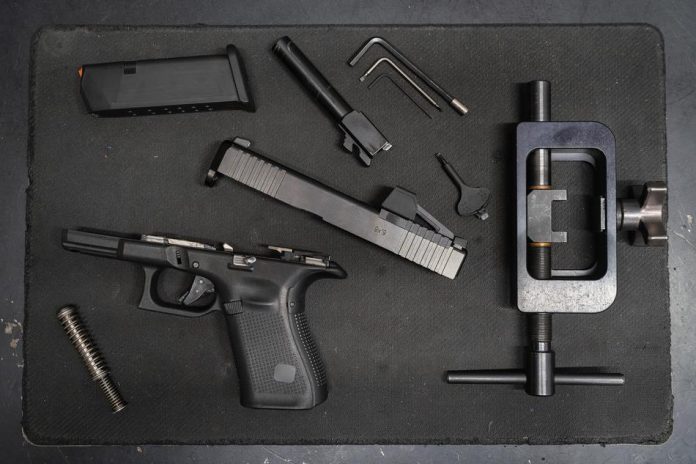
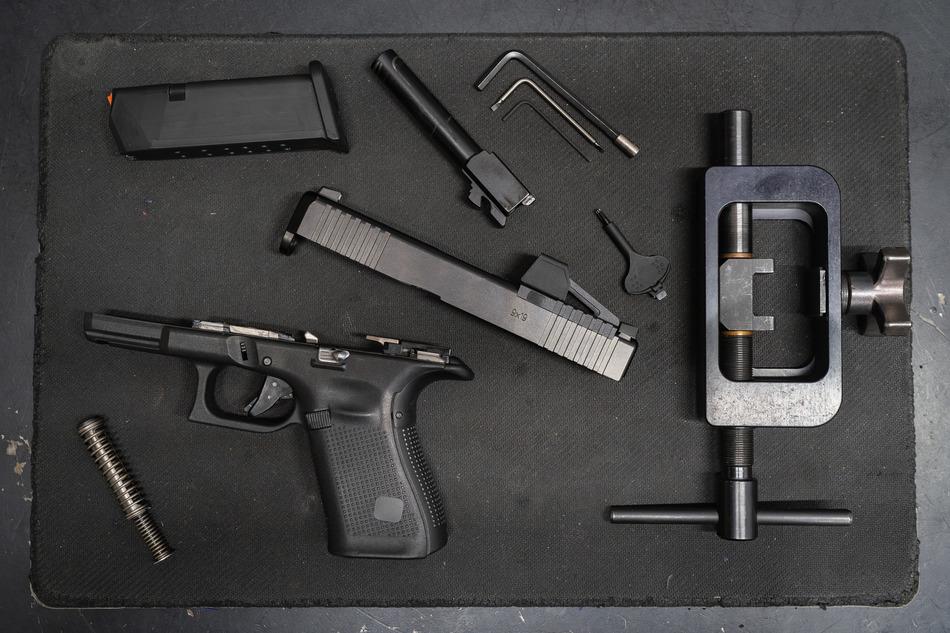
Defensive handguns are machines built around timing, spring pressure, slide velocity, and ammunition energy. That balance can tolerate small changes, but many popular upgrades push the system away from the operating window that made the pistol dependable in the first place.
That does not make every modification a bad idea. It does mean that parts marketed as improvements can create stoppages, light strikes, erratic ejection, or inconsistent feeding when the pistol is expected to work with carry ammunition instead of idealized range conditions.
1. Reduced-Power Striker Springs
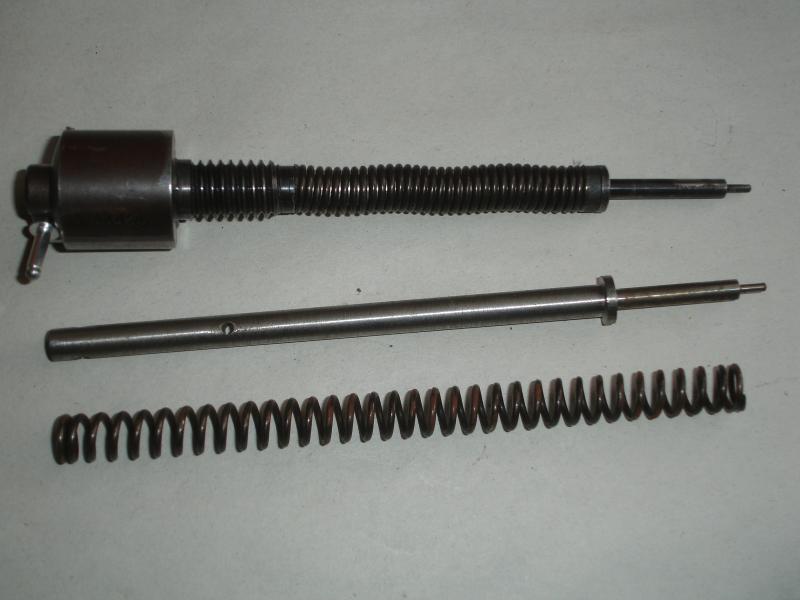
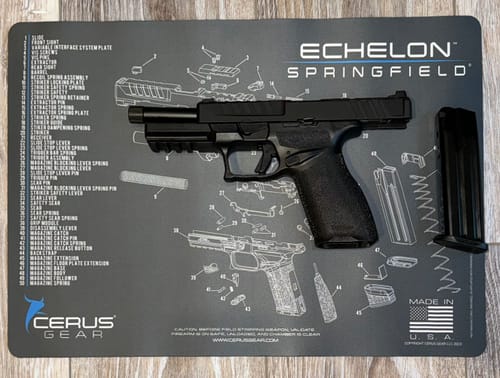
The appeal is obvious: a lighter trigger pull without replacing the entire trigger system. The tradeoff is harder to ignore on a defensive pistol. A reduced-power striker spring cuts the energy available to ignite primers, which can turn a previously reliable handgun into one that produces intermittent clicks instead of consistent ignition. That failure mode is especially troublesome because it may not appear every magazine. A pistol can run through several boxes of ammunition, then stumble on a harder primer or a dirtier gun. For a carry gun, “mostly works” is not a reliability standard.
2. Home-Polished Trigger Parts
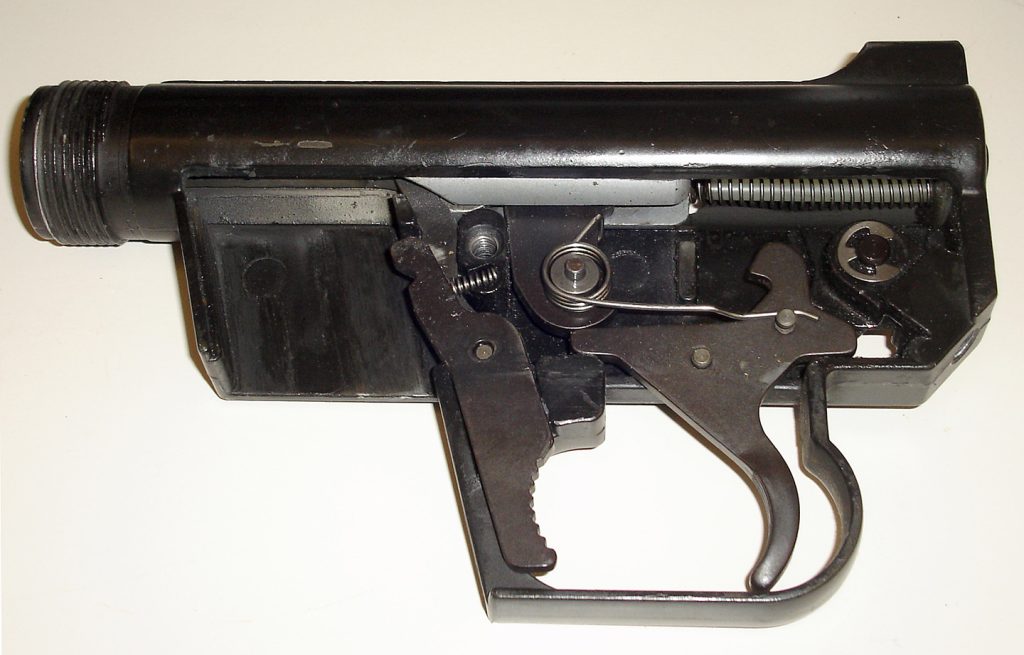
Polishing internal parts is often described as free performance, but aggressive polishing can do more than smooth a trigger. It can round engagement surfaces, alter sear geometry, and change how consistently the trigger resets over time. The problem is not always immediate. A pistol may feel improved at first, then gradually develop inconsistent reset or unstable engagement as the modified surfaces continue to wear. Once geometry changes, the original engineering margin is gone, and restoring it is not as simple as adding lubricant or changing ammunition.
3. Ultra-Light Trigger Kits
Aftermarket trigger kits vary widely, but the riskiest versions chase lower pull weight and shorter travel by changing springs, connectors, and engagement relationships all at once. That combination can reduce the force needed to fire the gun while also reducing tolerance for dirt, fouling, and imperfect handling. Even sources that are open to carry-gun modifications warn that changing spring weight can cause ignition problems. One defensive-gun discussion specifically notes that changing the spring weight to lighten the trigger can create light primer strikes. On a handgun carried for defense, that is a steep price for a cleaner break.
4. Match Barrels With Tight Chambers
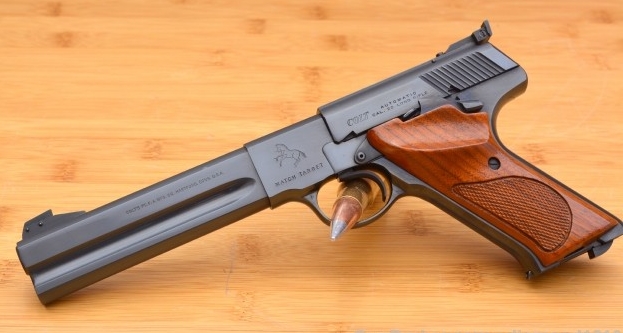
Accuracy upgrades sound harmless until the gun has to feed varied bullet shapes and lock up under less-than-perfect conditions. A tight match barrel can narrow the ammo tolerance that the factory barrel handled without complaint, especially with hollow points or cartridges near the edges of specification. Barrel swaps can also change feed ramp geometry and lockup timing. That means the pistol may no longer chamber the same defensive loads that worked before the change. A carry pistol does not benefit from added precision if it becomes selective about ammunition.
5. Recoil Spring Changes
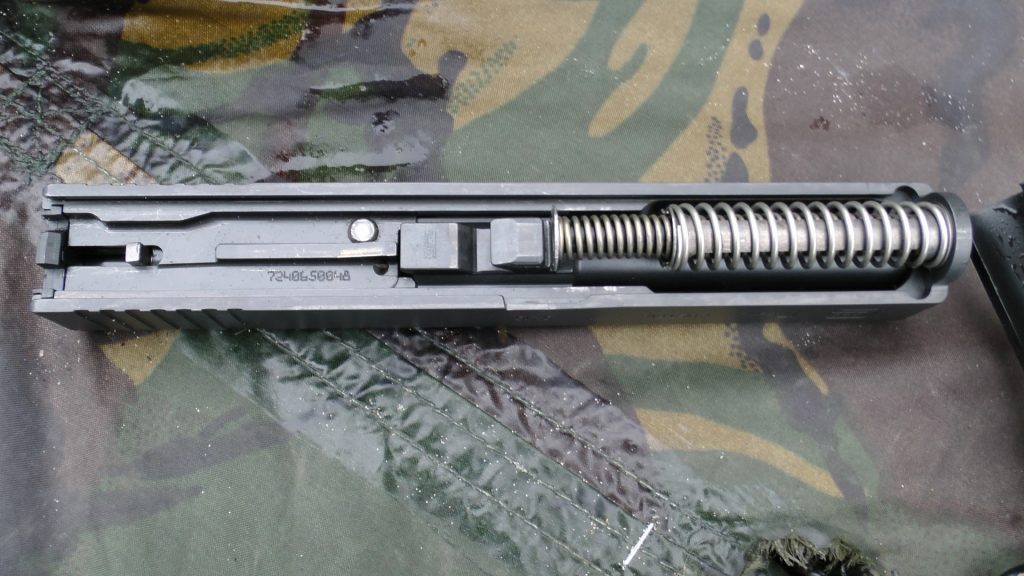
Recoil springs are often treated like tuning parts, but they control much of the pistol’s timing. A lighter spring may help a setup cycle with weak range ammunition, while a heavier spring may make recoil feel different or keep the gun flatter in the hand. Either change can upset the relationship between slide speed, extraction, feeding, and magazine presentation. That is why spring swaps can cause trouble in both directions. Too light, and the pistol may batter itself or eject erratically. Too heavy, and it may short-cycle or fail to feed when using lower-powered practice loads or when the gun gets dirty. Factory spring weights are usually selected to function across a broad range of conditions, not one carefully tuned load.
6. Add-On Compensators
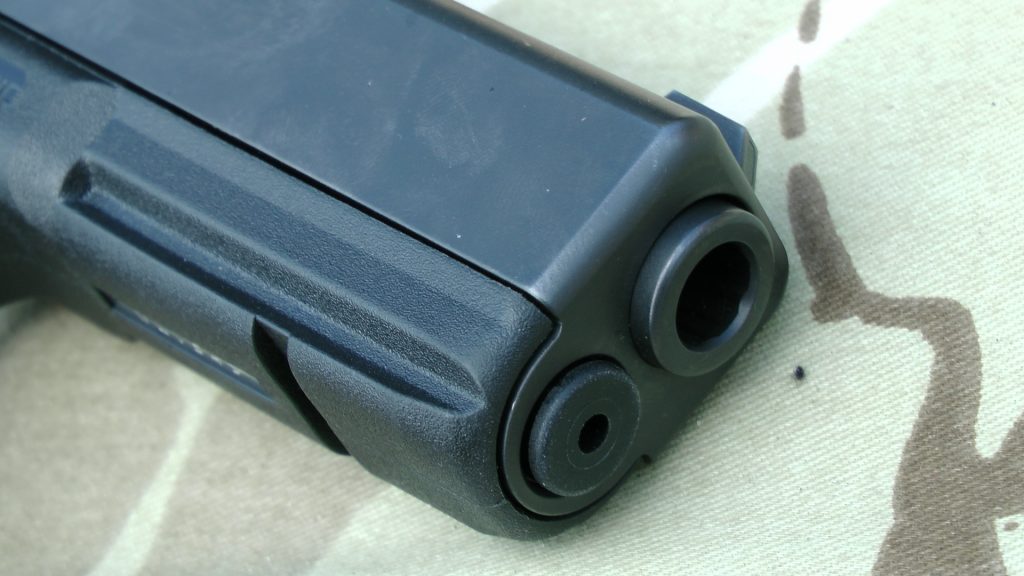
Compensators can reduce muzzle rise, but they are heavily dependent on gas volume, barrel length, ammunition pressure, and spring tuning. In practice, that means their benefits are inconsistent across defensive ammunition. One experienced shooter in a carry-focused discussion stated that low pf ammo and carry ammo often do not produce enough gas for a compensator to work efficiently. There is also the cycling question. Some compensated pistols need spring changes to remain reliable with softer loads, and once spring weights start moving, the whole timing system changes with them. A setup that works for one ammunition type can become finicky with another.
7. Barrel Porting on Carry Pistols
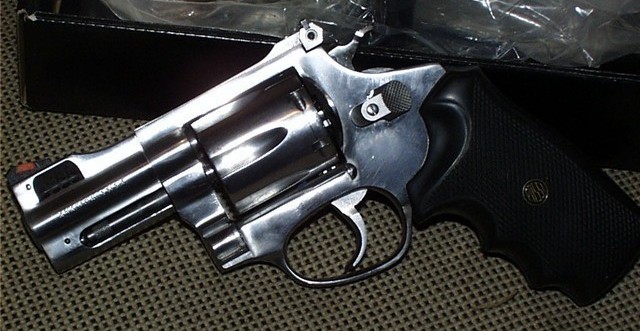
Porting is more nuanced than its critics and supporters often claim. In testing with a 9mm 1911, one ported setup showed only about one percent less velocity on average, with measured sound roughly 3 to 5 dB higher than the unported version. That suggests velocity loss alone is not the central issue. The reliability concern is broader. Porting changes gas flow, increases fouling around the slide cuts, and adds blast near the shooter. Those effects do not automatically make a pistol unreliable, but they add variables to a handgun that may be carried close to the body, exposed to lint, and fired with ammunition that was never selected around a ported system. For a dedicated range or competition gun, that trade may be manageable. For defensive use, it narrows the margin for neglect and inconsistency.
8. Lightened Slides and Large Slide Cuts
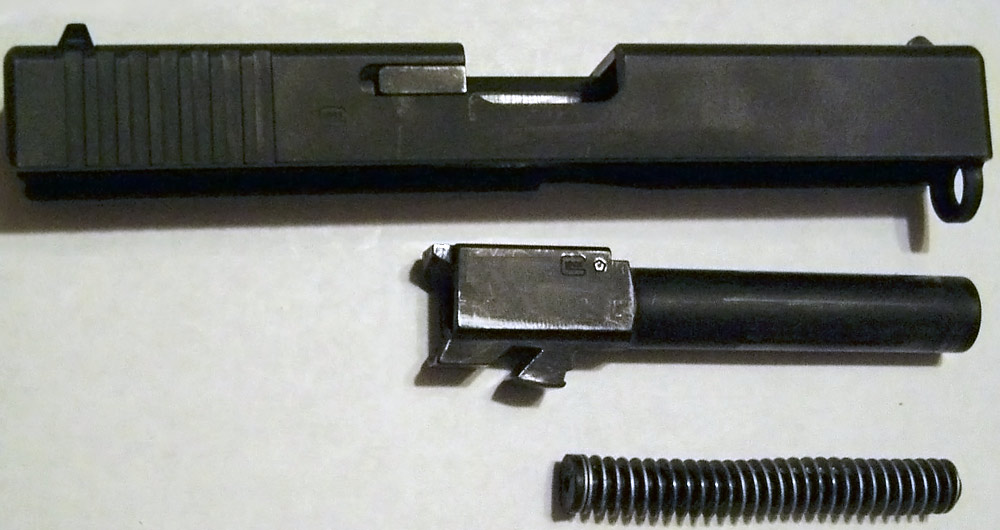
Slide cuts are often marketed as reducing reciprocating mass and making the gun cycle faster or feel flatter. They also change how much resistance the slide provides during the firing cycle. Once the slide is materially lighter, recoil spring choice and ammunition pressure become more sensitive factors. A pistol that originally ran across a broad spread of loads can become tuned to a narrower band. Add dirt, carry lint, weak practice ammunition, or a magazine that is not presenting rounds with perfect timing, and malfunctions appear that were not part of the original design.
9. Stacked Modifications
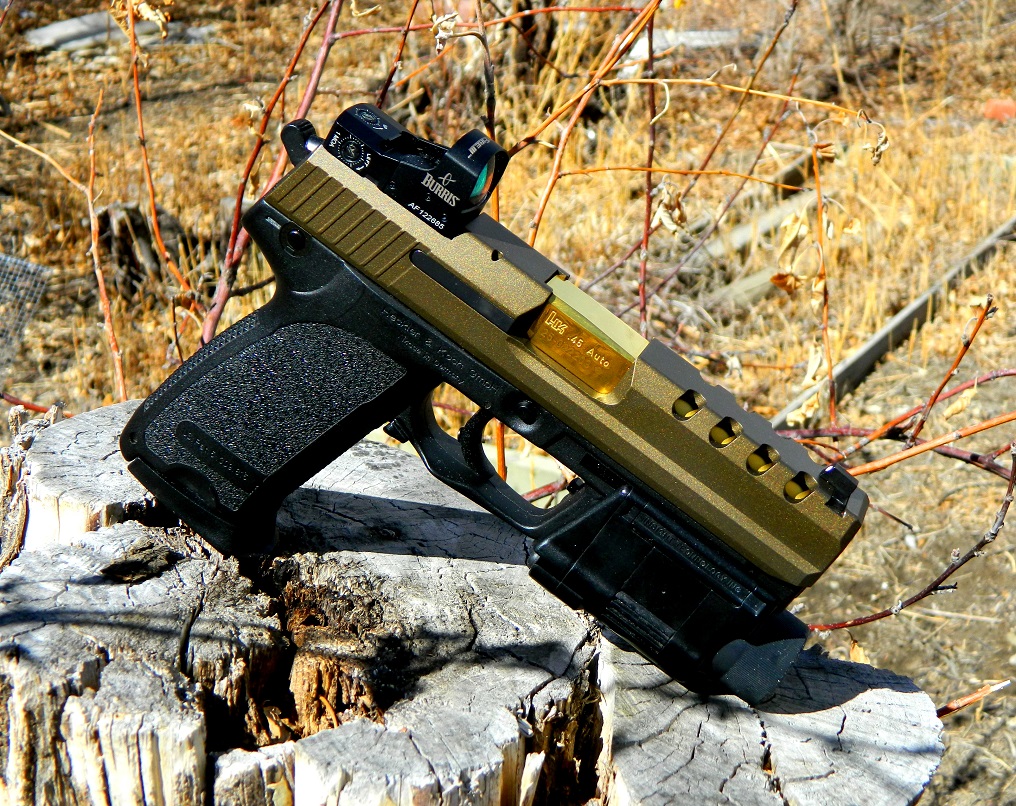
The most damaging “upgrade” is often not one part, but several installed together. A trigger kit, lighter striker spring, compensator, aftermarket barrel, and recoil spring change may each seem manageable on their own. Combined, they can move the pistol far outside the baseline it was engineered around. This is where owners start blaming ammunition for problems created by the parts list. As one source put it, the gun’s baseline behavior changes every time the trigger is pulled. Defensive reliability suffers because the pistol is no longer a general-purpose tool; it has become a tuned system that demands specific ammo, spring rates, and maintenance.
The safest pattern is usually the least glamorous one. Handguns meant for defense benefit more from broad reliability, familiar controls, and verified function with carry ammunition than from performance mods that only show their advantages under narrow conditions. When changes are made, the burden shifts to testing. A modified pistol has to prove that it still runs with the same magazines, the same carry load, and the same consistency that mattered before the first part was swapped.


