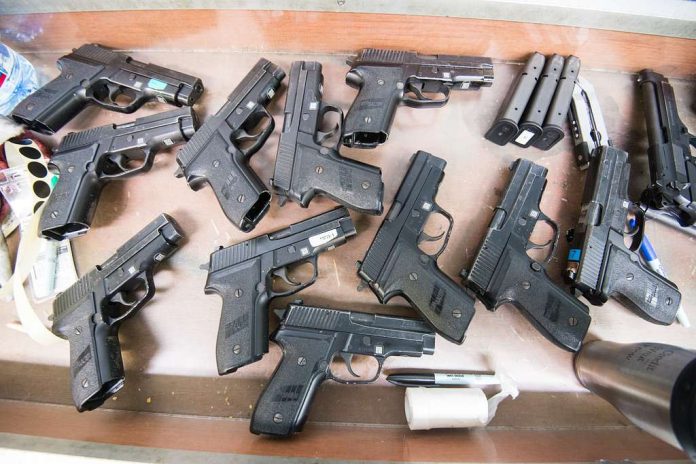
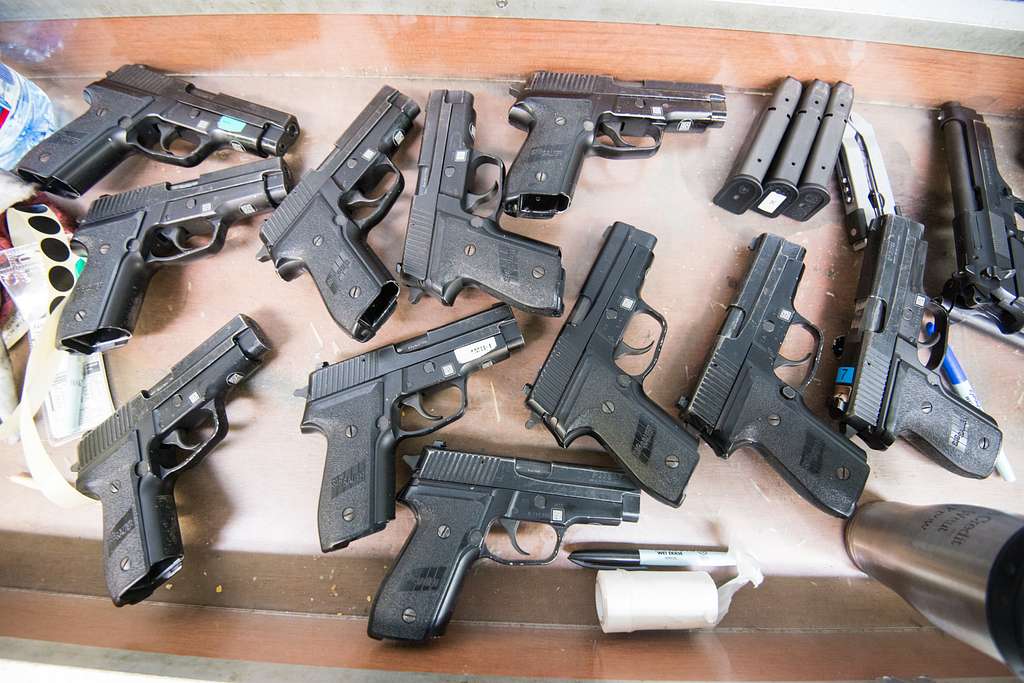
For much of the 20th century, the American police sidearm was a double-action revolver. It was durable, simple, and familiar across generations of officers. By the early 1990s, however, most departments had shifted to semiautomatic pistols as agencies looked for more ammunition capacity, faster reloads, and easier adaptation to modern training.
That transition did not happen around a single handgun. Several service pistols helped move law enforcement away from six-shot duty revolvers and toward the high-capacity era that defines modern policing.
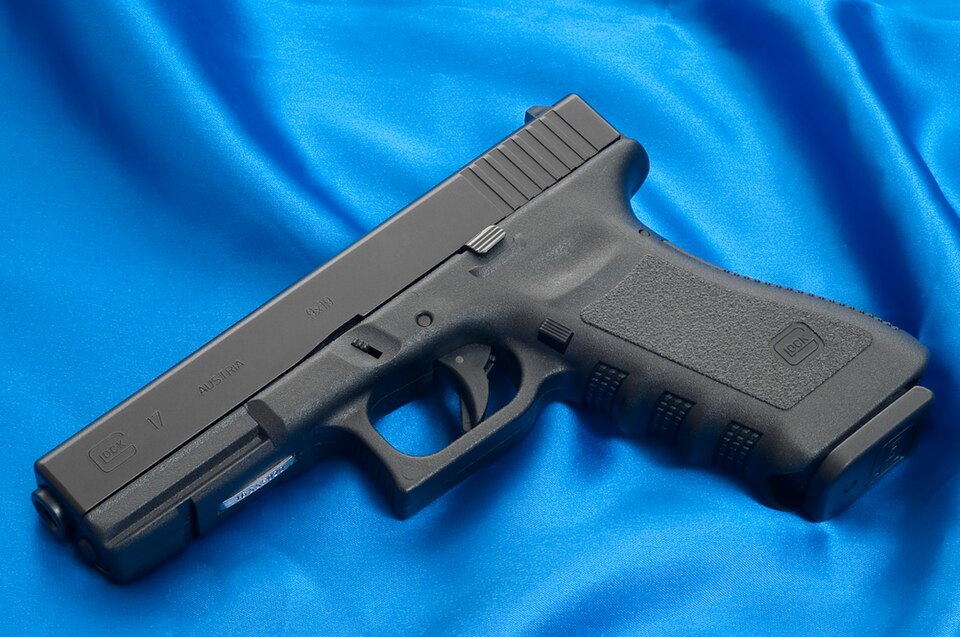
1. Glock 17
The Glock 17 became one of the clearest symbols of the revolver-to-pistol transition. Designed for Austria’s military trials and adopted there in 1983, it paired a polymer frame with a 17-round magazine and a simple striker-fired operating system. That combination looked radically different from the steel revolvers police had carried for decades.
Its appeal in the United States came from low weight, straightforward controls, and a consistent trigger pull from shot to shot. The design also relied on three internal safeties rather than the exposed hammers and manual manipulations common on older handguns. For departments trying to standardize training while increasing on-body ammunition, the Glock 17 offered a very different template for a duty gun.
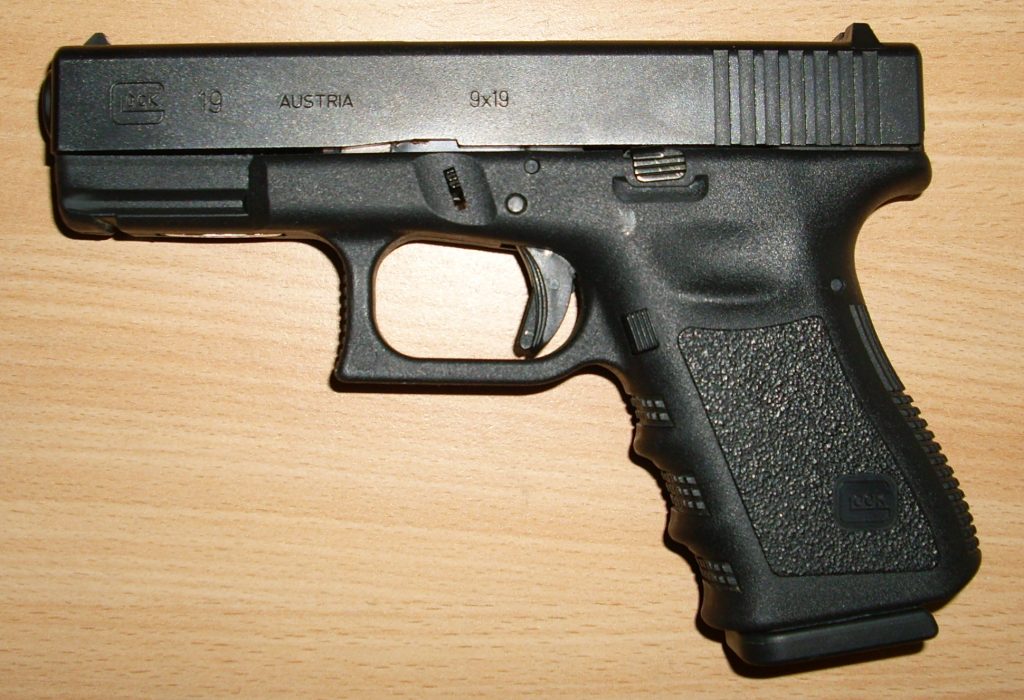
2. Glock 19
If the Glock 17 opened the door, the Glock 19 made the format even more adaptable. The compact model preserved the same operating system and much of the same firepower while fitting a wider range of hands, holsters, and assignments. That flexibility helped compact 9mm pistols become normal service sidearms rather than specialist options.
The platform’s broad acceptance also reflected just how deeply Glock had penetrated the law-enforcement market. By one account, up to 75 percent of the police handgun market had gone to Glock at its peak influence. The Glock 19 became especially important because it showed that a service pistol did not need the size of a full steel auto to replace a revolver on patrol.
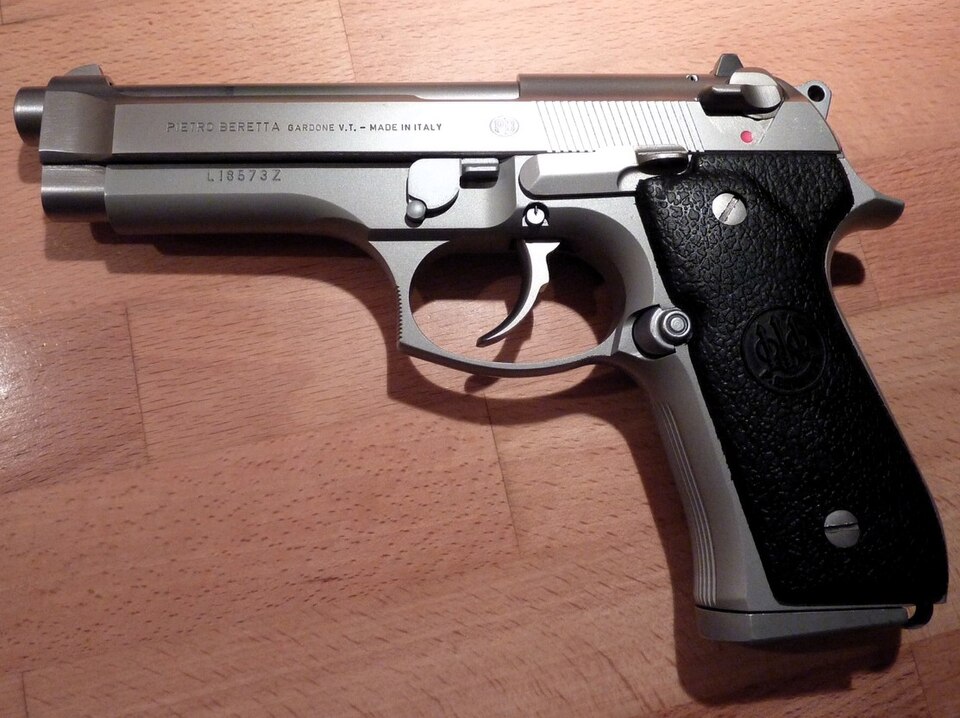
3. Beretta 92
The Beretta 92 arrived with the kind of profile revolvers could not match: a large-capacity 9mm magazine, double-action/single-action trigger system, and proven institutional backing. Its U.S. military adoption as the M9 gave the pistol broad visibility during the same years many police departments were reconsidering sidearms.
That mattered. Reference material on the police revolver era notes that the U.S. military’s transition to the Beretta 9mm was one of the factors influencing law-enforcement adoption of semiautos. For agencies long accustomed to six-shot revolvers, the Beretta represented the full-sized, high-capacity service pistol in its most recognizable form.
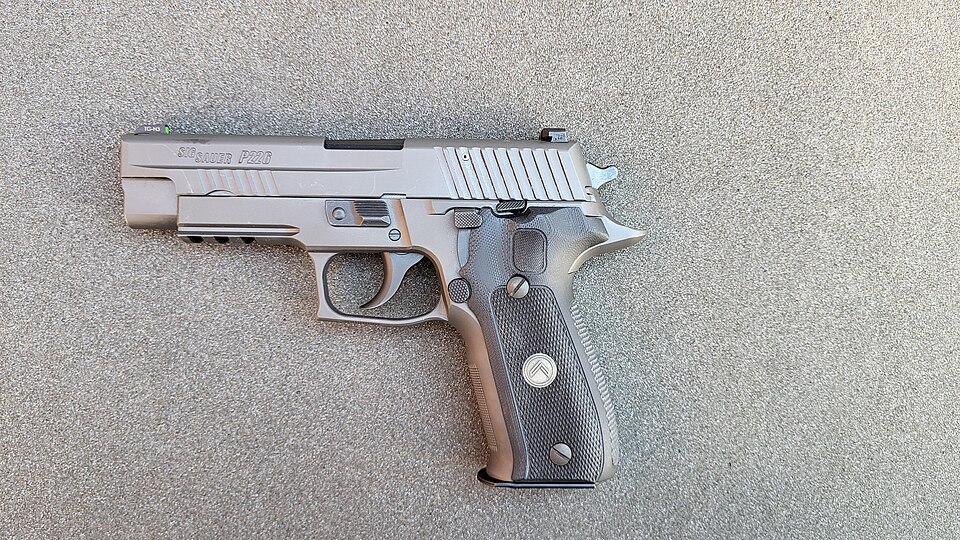
4. SIG Sauer P226
The P226 helped define the premium end of the service-pistol market in the same transitional period. It offered a robust alloy-frame design, double-action first shot, and a reputation for durability under hard institutional use. For agencies not ready to jump immediately to striker-fired guns, the P226 preserved some familiar hammer-fired handling while still delivering the magazine capacity revolvers lacked.
Its standing rose further after it emerged as a prominent alternative during the XM9 competition era. In practical terms, the P226 showed that departments could step into the semiautomatic age without abandoning traditional metal-frame construction or duty-oriented controls.
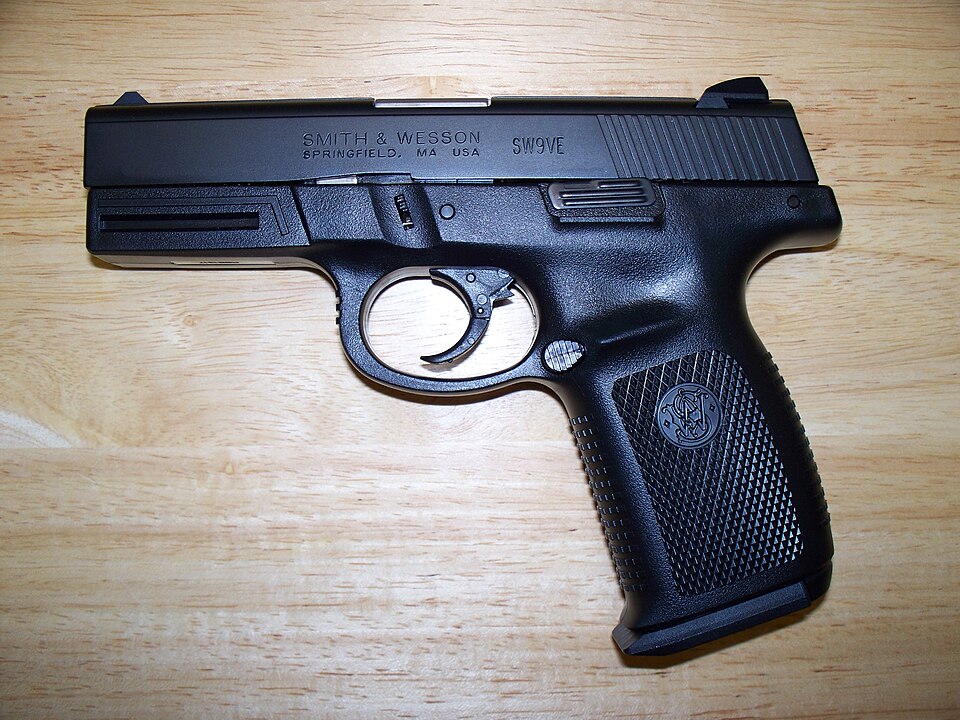
5. Smith & Wesson Third Generation Autos
Smith & Wesson had enormous credibility in the revolver age, so its double-action semiautomatics served as an important bridge for police armorers and training staffs. Models from the company’s Third Generation family translated a familiar law-enforcement brand into the new high-capacity format.
That role was significant even when newer polymer designs eventually captured more market share. Agencies that had long issued Smith & Wesson revolvers often found it institutionally easier to adopt a semiauto from the same maker before moving further into the modern striker-fired era.
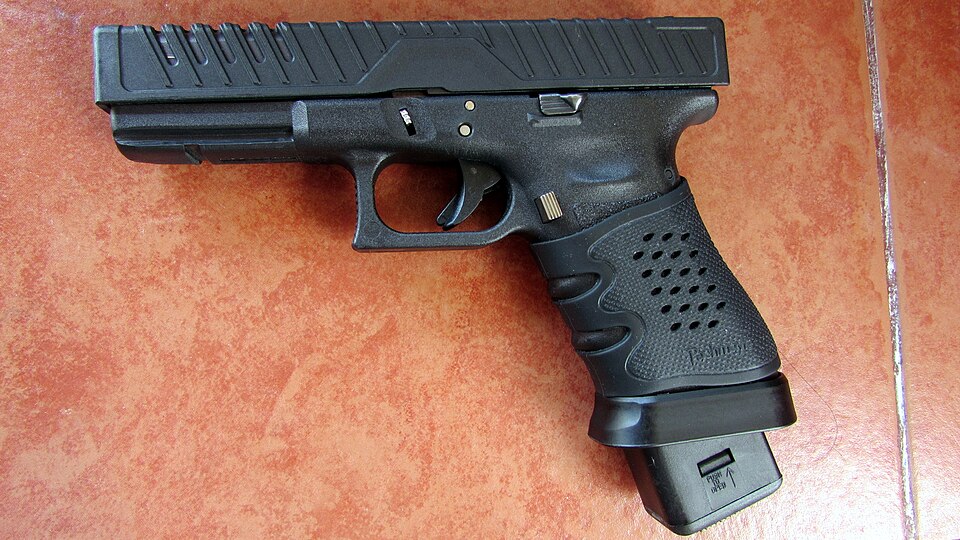
6. Glock 22
The Glock 22 deserves a place in this story because the move away from revolvers was not only about switching action types. It was also about redefining what a duty pistol could be in terms of magazine capacity, maintenance, and training volume. Chambered in .40 S&W, the Glock 22 became a common police sidearm during the decades after the initial revolver transition.
It kept the same basic virtues that made Glock attractive to departments in the first place: light weight, simple field service, and strong reliability. Even as 9mm later regained momentum, the Glock 22 helped cement the idea that polymer-framed semiautos had fully displaced the revolver as the standard law-enforcement handgun.
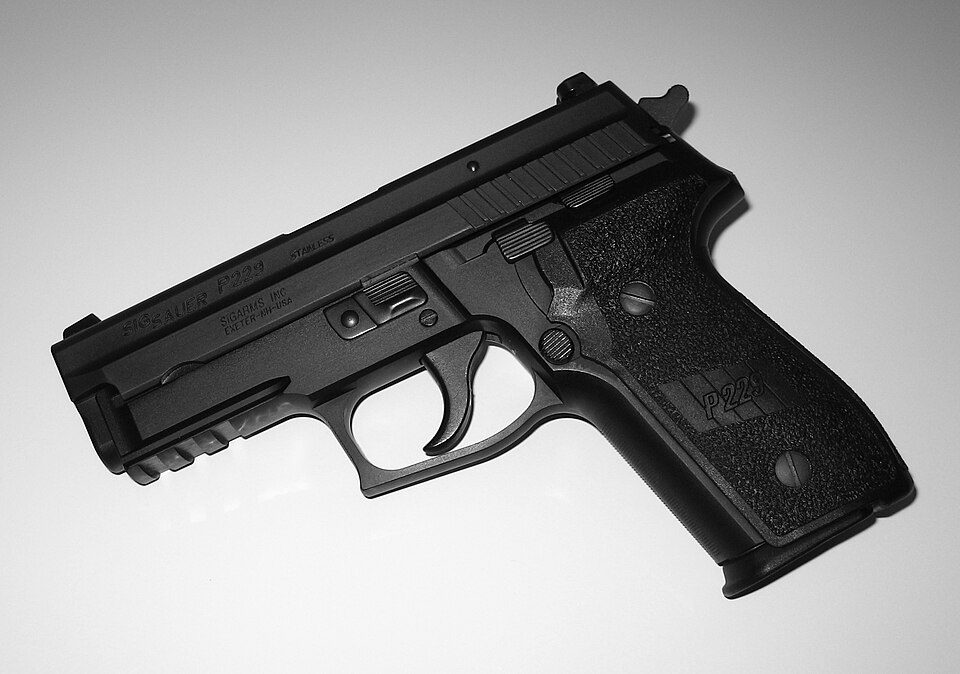
7. SIG Sauer P229
The P229 represented the compact-duty concept in a metal-frame package. Smaller than some full-size service pistols but still built for uniformed carry, it fit the needs of agencies balancing patrol use with plainclothes and detective work. Revolvers had once handled that crossover role through barrel-length and frame variations; pistols like the P229 took over with higher capacity and faster reloads.
Its adoption pattern also reflected a broader shift in police procurement. Departments no longer saw a duty sidearm as a simple replacement for a revolver, but as a platform that could support multiple assignments with one manual of arms.
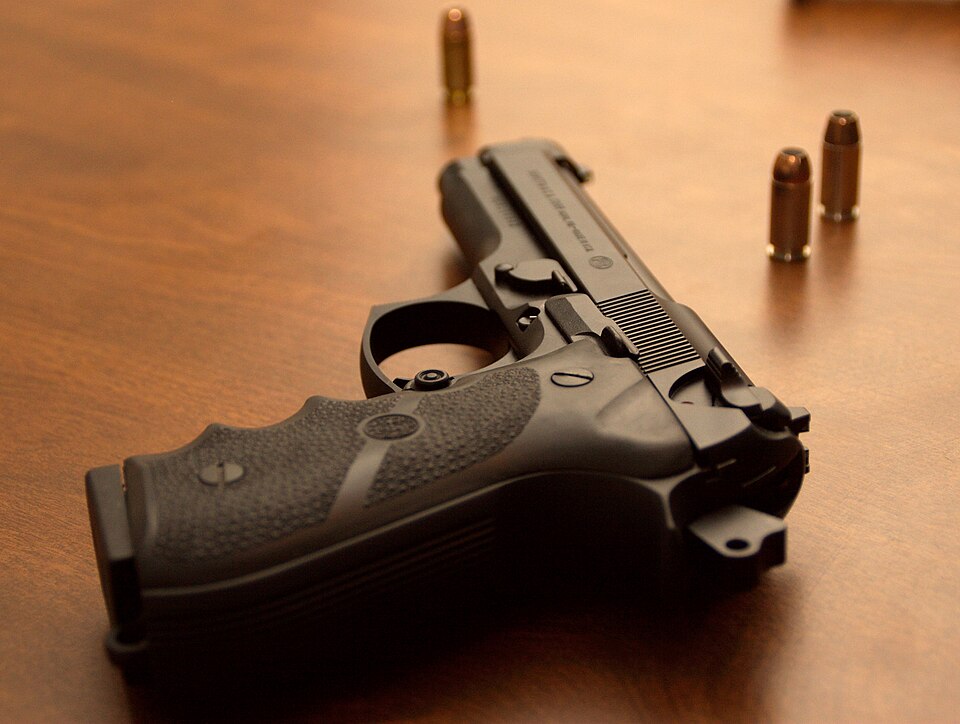
8. Beretta 96
The Beretta 96 extended the familiar 92-series layout into .40 S&W, a caliber that became highly influential in American policing after the first big wave away from revolvers. For departments that liked the feel, weight, and controls of the 92 but wanted a different chambering, the 96 offered continuity without returning to wheelguns.
That continuity mattered during the transitional decades. Agencies often changed ammunition philosophies, qualification standards, and holster systems all at once. A pistol like the 96 reduced disruption by keeping a well-known service format while still advancing beyond the revolver era.
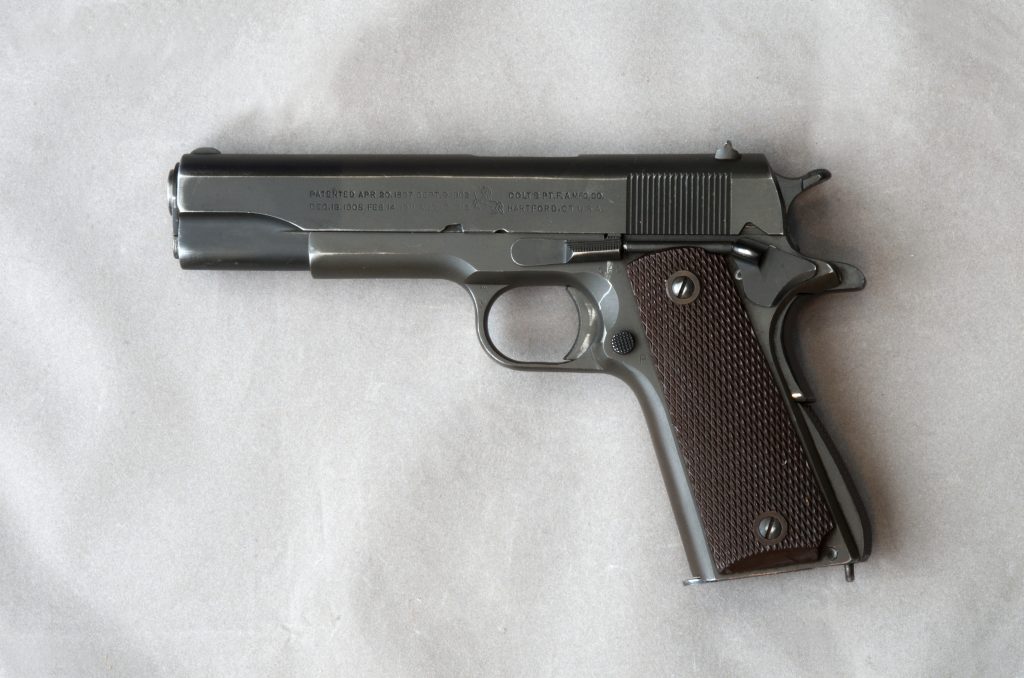
9. Colt 1911 Variants in Police Use
The 1911 did not replace revolvers across policing in the same way as later high-capacity pistols, but it remains part of the transition story because it was one of the earliest semiautos officers adopted in meaningful numbers. Reference material notes that the most popular early semiauto choice among officers was the 1911-type pistol in .45 ACP.
Its limitations for broad department issue were also instructive. It demanded more training than the simpler revolver, which made it less ideal for universal adoption across large agencies. Even so, the 1911 helped establish that many officers were willing to move beyond revolvers well before polymer service pistols became dominant.
The shift from revolvers to semiautomatics was not only a hardware change. It altered training doctrine, reload speed, ammunition expectations, and what officers considered a normal duty sidearm.
These pistols did not all win the same agencies or the same era, but together they mark the path modern policing took from six-shot service revolvers to the magazine-fed handguns now standard across law enforcement.


