Home-defense ammunition attracts more folklore than almost any other corner of shooting technology. Many of the loudest claims sound simple and decisive, yet controlled testing keeps showing a messier reality: handgun bullets are limited tools, barriers matter, and performance has to be judged by consistency rather than legend.
That is why modern test protocols focus so heavily on penetration, expansion, and repeatability. The 12- to 18-inch gelatin standard did not emerge from marketing language. It came from the need to evaluate whether a bullet can still reach vital structures after clothing, angles, and intermediate tissue complicate the shot path.
1. “Any hollow point automatically solves the problem”
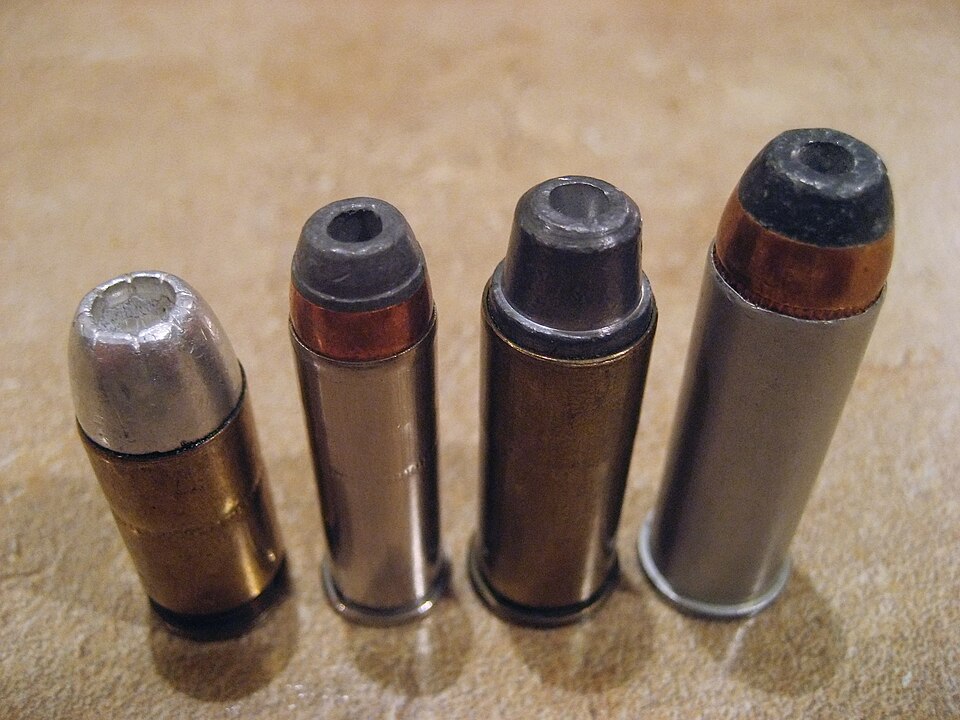
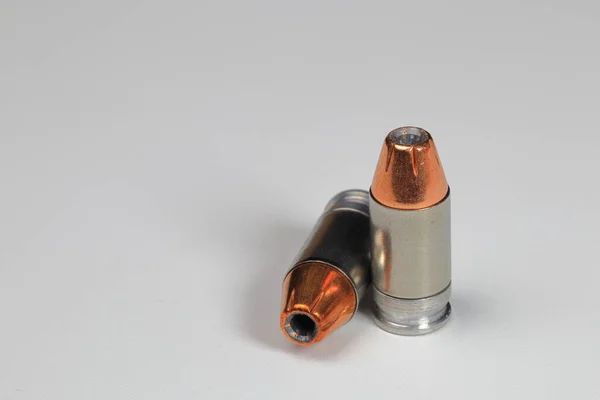
Ballistics testing repeatedly shows that a hollow cavity in the nose is not a guarantee of ideal performance. Heavy clothing can clog the cavity and prevent normal expansion, turning an expanding design into something much closer to a non-expanding bullet. When that happens, penetration can increase sharply, and the wound profile changes with it.
In controlled gel work using layered fabric barriers, some handgun loads expanded well while others failed in the same general caliber class. The lesson is narrow but important: bullet design matters more than the label on the box. “Hollow point” is a category, not a performance verdict.
2. “More caliber always means better stopping performance”
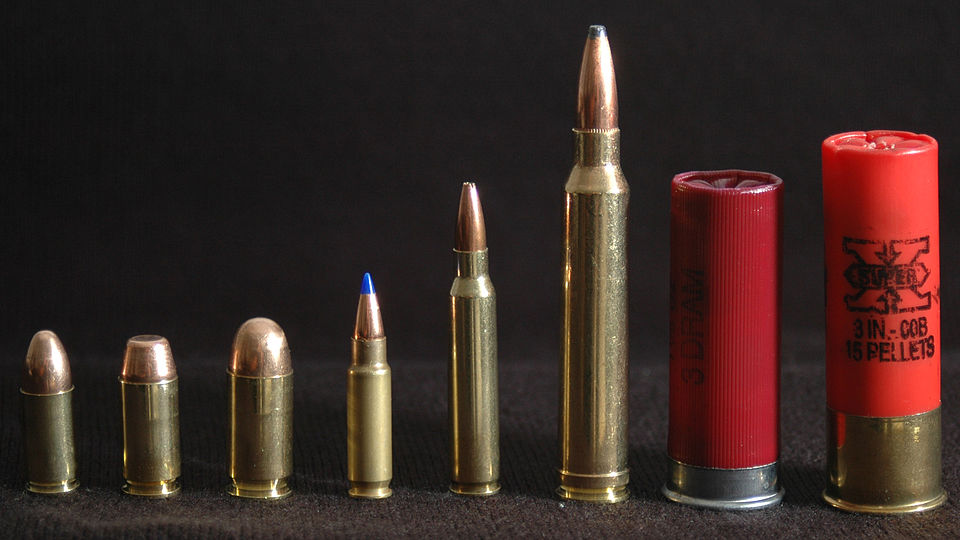
Larger diameter rounds often carry a reputation for decisive superiority, but the data does not support a simple bigger-is-better rule. The FBI’s early move toward 10mm exposed the problem. Full-power 10mm produced recoil and penetration levels that were excessive for duty use, which led to the development of a reduced-velocity load pushing a 180-grain bullet at 950 fps.
That reduced recipe mattered because it showed that practical performance depends on controllability and terminal behavior, not headline power. The later rise of .40 S&W came from packaging similar ballistic goals into a more manageable format. In other words, useful handgun performance is a balance, not a raw-caliber contest.
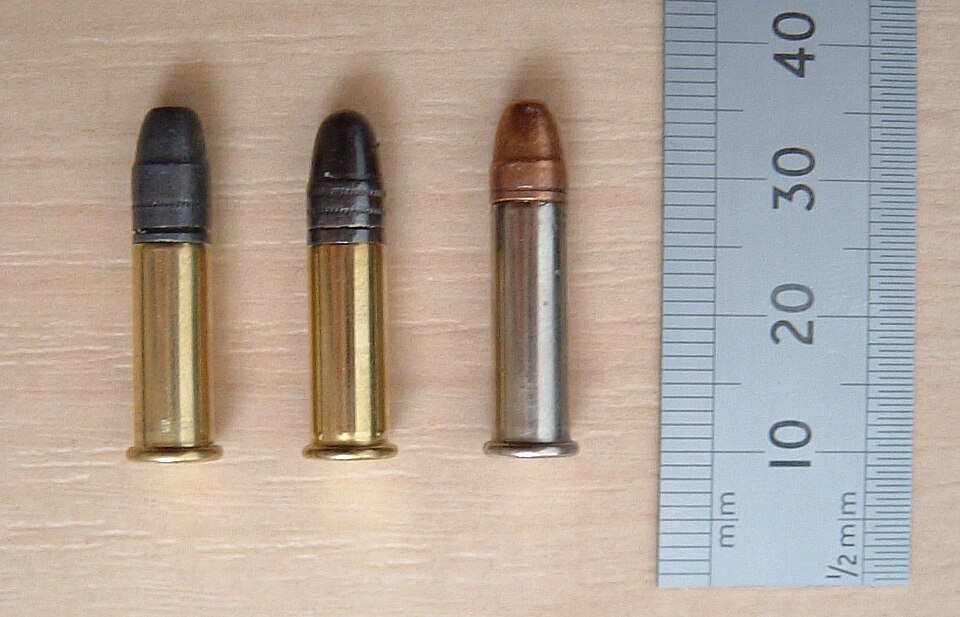
3. “Rimfire is basically just as dependable as centerfire”
Rimfire remains popular because recoil and blast are low, especially in .22 LR. But the cartridge architecture itself carries reliability limits that centerfire avoids. In rimfire ammunition, priming compound is spun into the rim, and that process can leave uneven distribution.
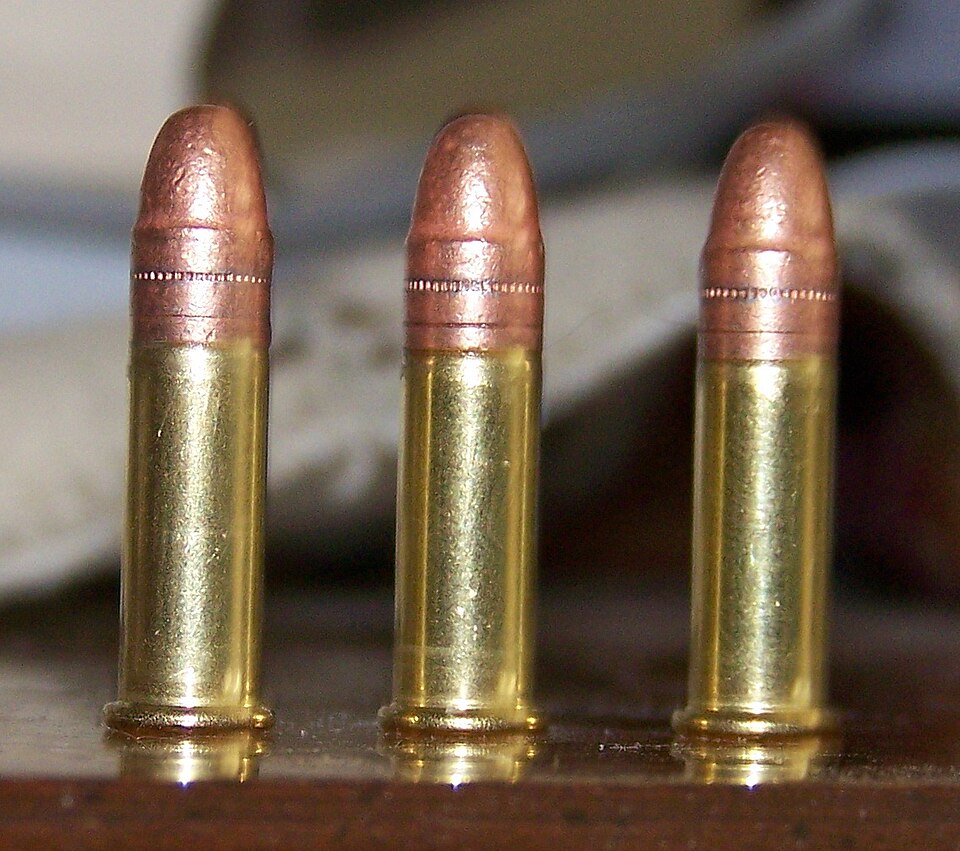
That is one reason bulk rimfire misfire rates of 8-10% have long been part of the discussion, with better loads still not matching centerfire consistency. For defensive use, that gap is not academic. Ballistics only matter after ignition, and centerfire primers remain the more reliable system.
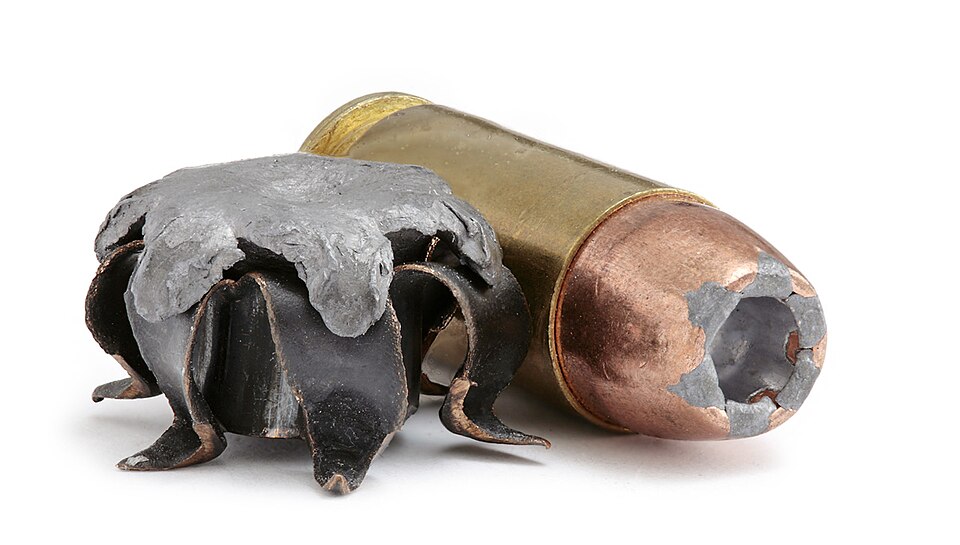
4. “If it reaches 12 inches in gel, it is overkill for a person”
This myth survives because many people picture a straight-on chest shot into a motionless target. Real bodies are not square blocks. Arms can cover the torso, a target can be angled, and the bullet may need to pass through more tissue than expected before reaching something vital.
The FBI standard exists to account for that geometry. Testing literature explains that under 12 inches is heavily penalized because shallow penetration can fail after clothing, bone, or an oblique entry path. The standard is not trying to imitate a typical shot. It is trying to preserve enough margin for a bad angle and a determined threat.
5. “Gelatin is fake, so gelatin tests are useless”
Ballistic gelatin is not a human body. It does not include skin, bone, or organs, and no serious testing program treats it as a literal replica. What it provides is consistency. Every properly prepared block offers the same medium, allowing one load to be compared against another without the noise of anecdote.
That matters because handguns are unpredictable wounders. As one major testing overview puts it, bullets from handguns mostly “poke little holes in stuff,” and the variables in actual shootings are enormous. Gelatin does not predict every outcome, but it does create a repeatable baseline for penetration and expansion. Comparable data beats folklore.
6. “Low-powered rounds are safer indoors because they will not go through walls”
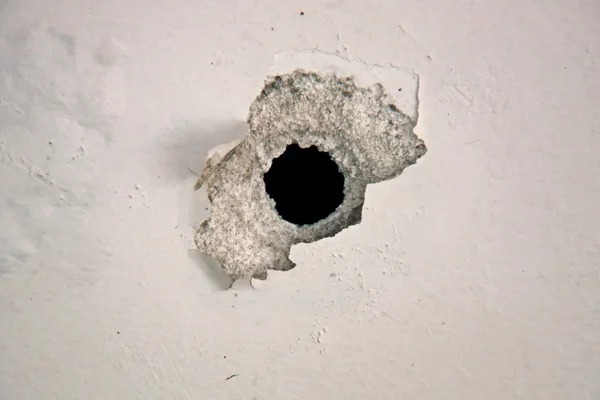
This belief collapses quickly when wall tests are examined. Even relatively small handgun rounds can travel through multiple layers of drywall, and the differences between calibers are often smaller than expected. One wall-penetration review found that common handgun rounds can pass through several interior partitions, while standard 9mm, .357, and .45 ACP loads often penetrated around 10 inches of drywall.
That does not make low-powered rounds equal to service calibers in terminal performance, and it does not make service calibers uniquely reckless. It means the structure itself is a weak barrier. Interior wall penetration is a real concern, but reduced cartridge power is not a clean fix.
7. “Temporary cavity and dramatic gel splash are what really count”
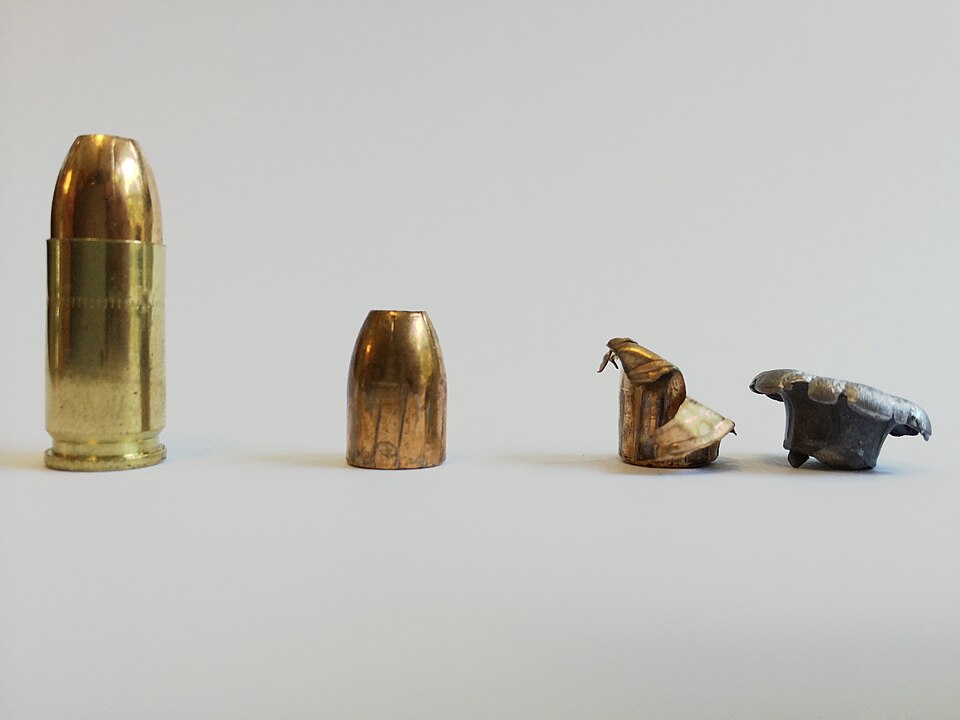
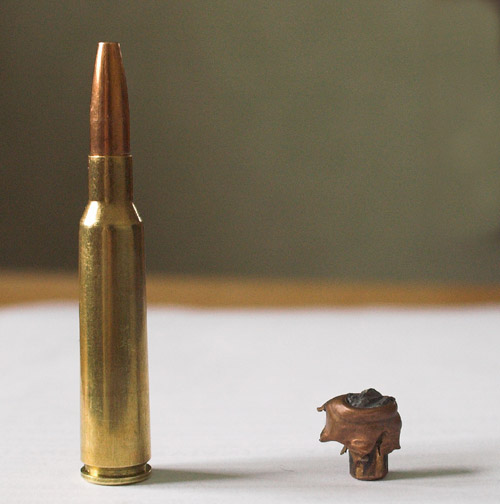
High-speed footage can make handgun impacts look violent, especially in synthetic media. But handgun velocities generally do not create the kind of tissue disruption associated with high-velocity rifles. Testing guidance consistently points back to the permanent cavity and final penetration depth as the useful indicators.
That is why loads are judged on whether they expand consistently and still drive deep enough. A bullet that looks dramatic in video but stops short is not meeting the engineering problem. For handguns, adequate penetration and consistent expansion remain the more meaningful metrics.
The common thread behind these myths is the same: home-defense ammunition is often discussed as if one feature settles everything. Ballistics testing keeps reaching a less convenient conclusion. Reliability, penetration, expansion, and barrier performance all interact, and none can be judged in isolation.
That is why the most durable takeaway is also the least flashy. Good defensive ammunition is not the round with the biggest reputation. It is the round that performs consistently in repeatable testing and functions reliably in the firearm using it.


