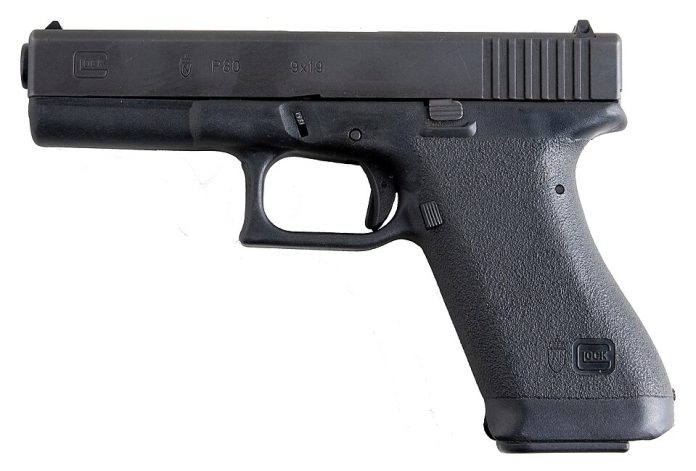
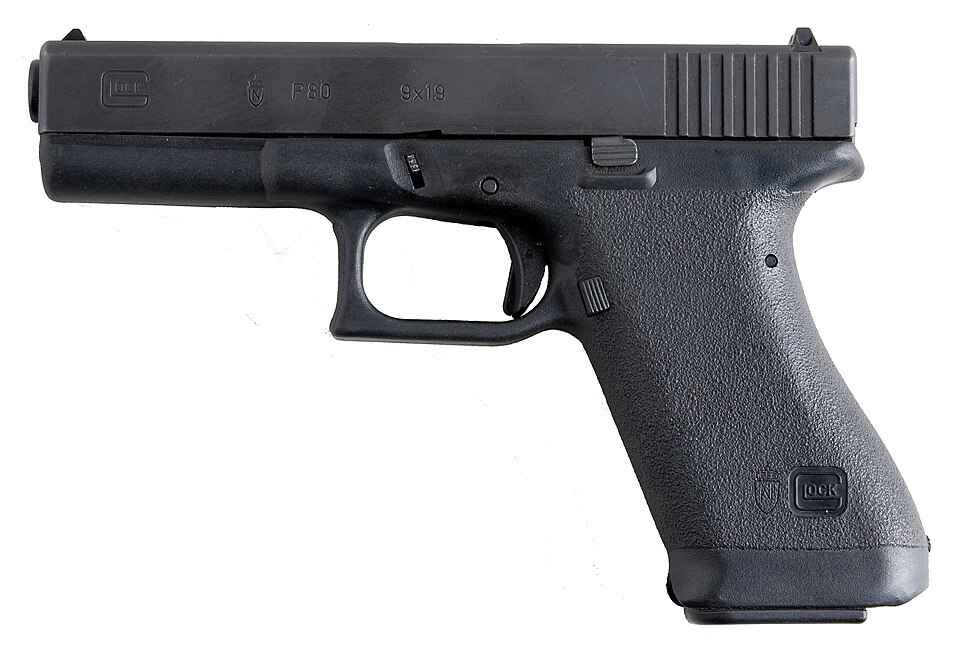
Glock built its reputation on consistency, which is why a broad commercial lineup reset has drawn so much attention across the firearms world. This is not a minor trim around the edges. It is a structural change that reaches across multiple generations, several calibers, and some of the company’s most familiar model names.
The company framed the move around “innovation and future growth”, while continuing support for existing pistols through parts and maintenance. Read as an industry shift rather than a momentary announcement, the decision reveals how modern handgun design is being shaped by manufacturing efficiency, optics compatibility, regulatory exposure, and the long tail of earlier generation choices.”
1. Glock is cutting low-demand variants to simplify the catalog
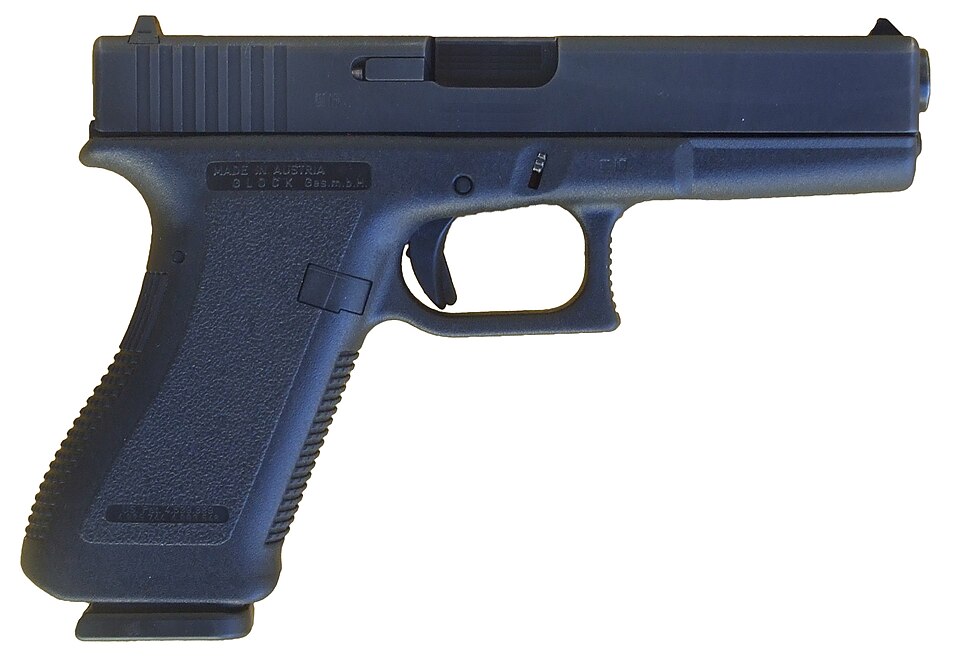
For years, Glock’s commercial range grew into a maze of generations, caliber options, MOS and non-MOS versions, and niche configurations. Streamlining that spread removes slow-moving models and gives the company a narrower production focus. The biggest pressure points appear to be legacy Gen 3 and Gen 4 carryovers, along with calibers that never matched 9mm demand in the civilian market.
That matters because fewer SKUs usually mean simpler inventory planning, less manufacturing friction, and more room for the models that actually move in volume. Among the clearest examples are the reduced emphasis on .357 SIG and .45 GAP, both of which occupied shelf space without commanding mainstream interest.
2. Optics-ready handguns are now the center of the lineup
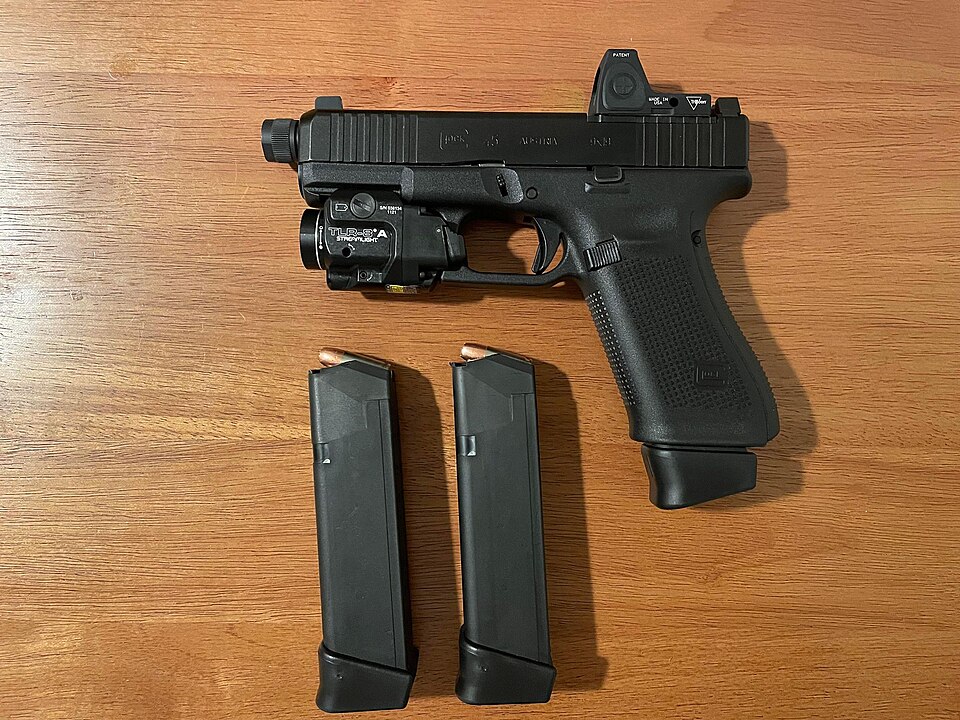
One of the strongest clues in the reshuffle is the weight now given to optics-compatible pistols. Glock has spent years moving into MOS cuts and carry-optic configurations, and the commercial market has followed. Duty guns, concealed-carry pistols, and competition setups increasingly revolve around red-dot use rather than iron-sight-only layouts.
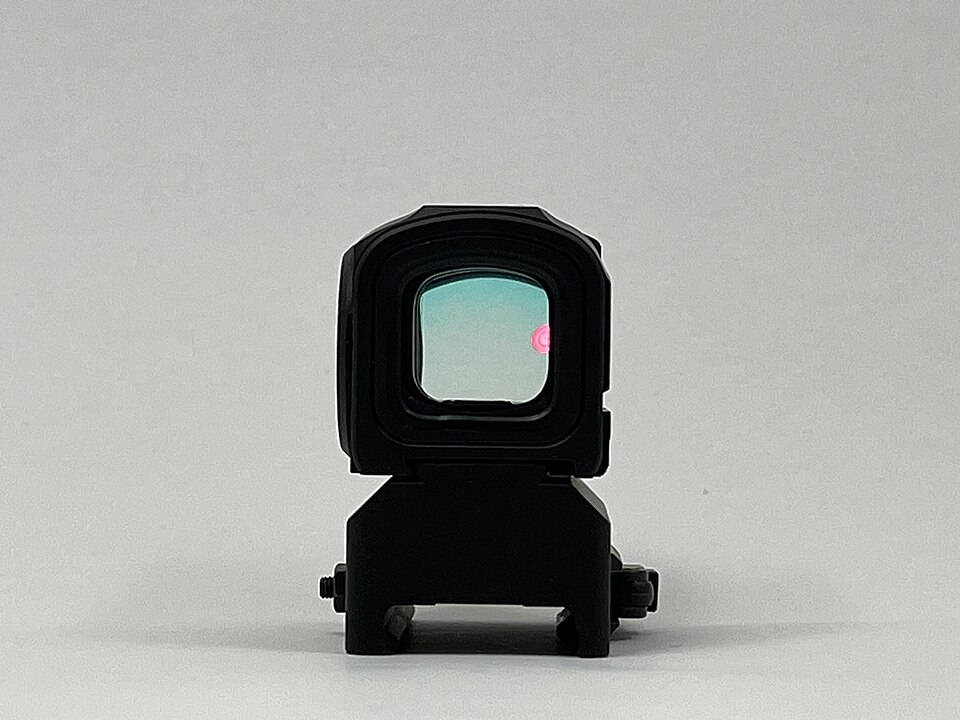
That makes older slides and frame combinations less useful in a catalog built around forward compatibility. The discontinuation wave strongly suggests that future Glock planning will favor platforms already aligned with optics mounting, even if rumored replacement lines do not deliver every optics variant immediately. In practical terms, Glock appears to be reducing legacy overlap so newer mounting standards can define the baseline.
3. The reset reaches far beyond obscure models
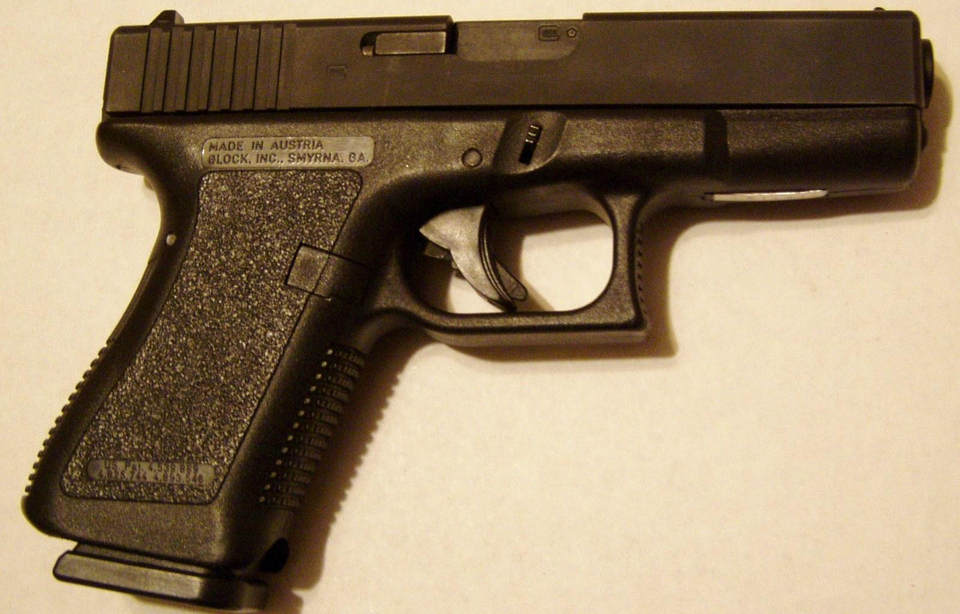
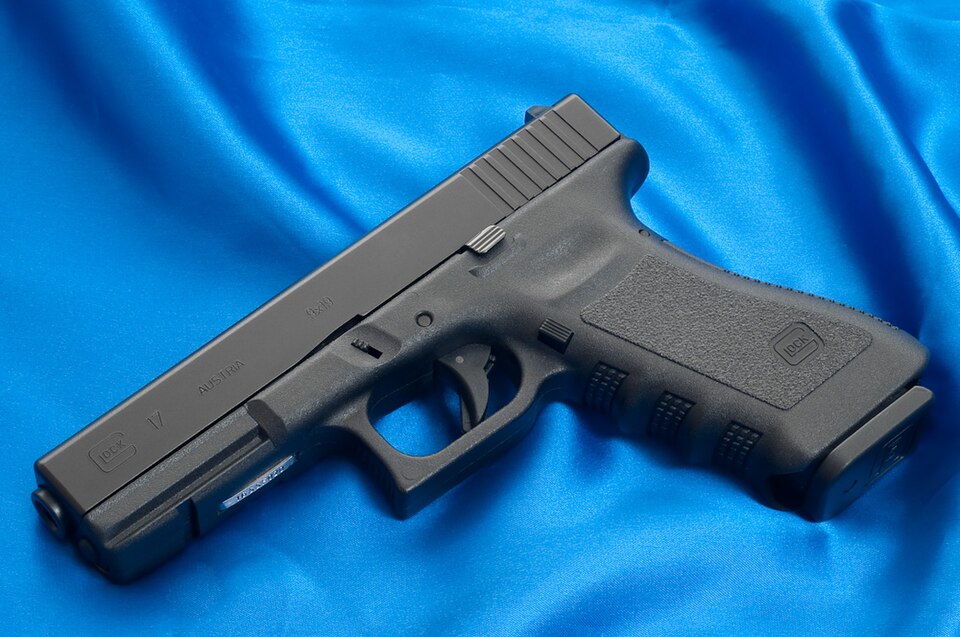
This was not limited to oddball pistols at the edge of the catalog. Reports on the affected lineup included commercial versions of the G17, G19, G22, and G30, along with long-slide, MOS, and specialty variants spread across Gen 3, Gen 4, and some Gen 5 offerings.
That breadth is what makes the move significant. A company can retire one caliber family without changing its identity. Pulling back on multiple flagship lines at once signals a deliberate reset of the commercial map, not a seasonal housekeeping exercise.
4. Illegal conversion-device pressure has become impossible to ignore
A major shadow over the discussion is the rise of illegal conversion devices commonly referred to as “switches.” These devices are not part of lawful product use, but they have become a persistent legal and reputational problem for the brand because they are associated with Glock-pattern pistols. That broader pressure helps explain why lineup decisions now intersect with compliance concerns as much as consumer preference.
Public enforcement data shows how fast the issue expanded. ATF seizures climbed from 814 in 2019 to 5,454 in 2023, turning a criminal misuse problem into a product-design headache for the manufacturer. The result is that commercial planning can no longer be separated from how a pistol may be viewed by regulators, litigants, and distributors.
5. The rumored V Series points to a compliance-minded redesign
Discussion around a replacement family has centered on the V Series, which Glock described as helping “establish a baseline of products while simplifying our processes.” That wording suggests a common architecture replacing a much wider spread of previous variants. It also points toward a more standardized product tree, with fewer one-off combinations and clearer separation between baseline pistols and later feature expansions.
Several outside reports have tied the V concept to internal changes meant to resist illegal conversion-device installation, although fine technical details remain limited. What is established is the company’s own statement that the V Series is part of the simplification effort, not just a cosmetic rename. That makes the new line important as an engineering response, not merely a branding exercise.
6. Older generation design choices still shape today’s business decisions
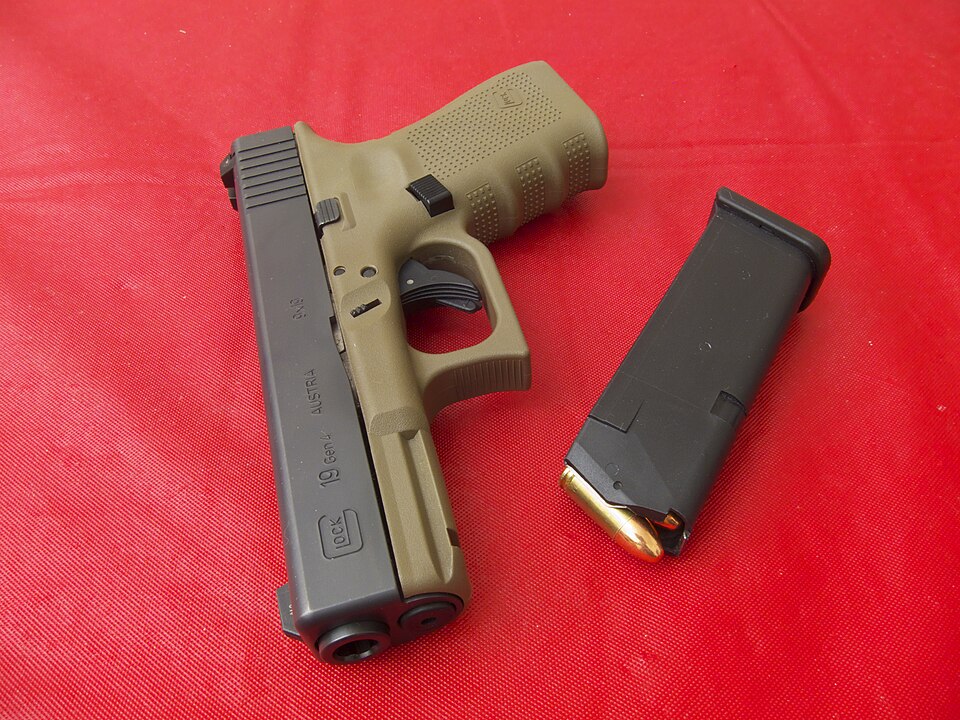
Generational overlap gave Glock a broad customer base, but it also created technical baggage. Gen 4 introduced interchangeable backstraps and a dual recoil spring setup, while Gen 5 brought an ambidextrous slide stop, revised barrel design, and nDLC finish. Keeping several generations alive at once let buyers pick their preferred feature set, but it also multiplied assembly paths and parts complexity.
There is also an import-history angle buried in the platform’s evolution. Glock pistols sold in the United States have long had to navigate federal import standards, including the handgun points system. ATF guidance still notes that imported pistols must meet a minimum score of 75 points, and long-running details such as sights, trigger styles, and dimensions have mattered in that environment. The modern lineup reset is not only about what shooters want now; it also reflects how accumulated design obligations eventually become a drag on a sprawling catalog.

7. Owners, agencies, and the aftermarket are entering a transition period
Glock has said discontinued commercial pistols will continue receiving service parts and maintenance, and reporting around the change indicates law-enforcement channels are largely unaffected. That keeps existing duty inventories and private-owner support on stable ground.
At the same time, the secondary effects are already easy to map. Aftermarket makers focused on Gen 3 and Gen 4 support are likely to see continued demand, especially for parts tied to retired competition and niche-caliber models. Collectors tend to pay closer attention when familiar long-slide or uncommon-caliber variants stop shipping, and discontinued configurations such as the G17L, G24, or certain .45 and 10mm models now sit in a different category than routine stock pistols. The broader lesson is simple: Glock’s commercial reset is not just about what leaves the catalog, but about which features, formats, and compliance priorities will define the next standard.

Viewed in full, the discontinuations are less a retreat than a realignment. Glock is narrowing its lineup around modern mounting standards, lower manufacturing complexity, and a design path that better fits today’s legal and commercial landscape.
For the handgun market, that makes this one of the clearest examples of how platform evolution no longer turns on ergonomics alone. Production logic, optics integration, and compliance engineering now sit alongside reliability as core parts of the design brief.


