Some firearm designs stop being products and become reference points. They keep showing up in training, competition, hunting, and daily carry conversations because their core engineering still answers the same old demands: feed reliably, recover quickly, and stay predictable when the shooter is moving fast.
The models below are not grouped by age or fame. They endure because each one established a mechanical idea, an ergonomic standard, or a manufacturing logic that modern guns still follow.
1. Colt 1911
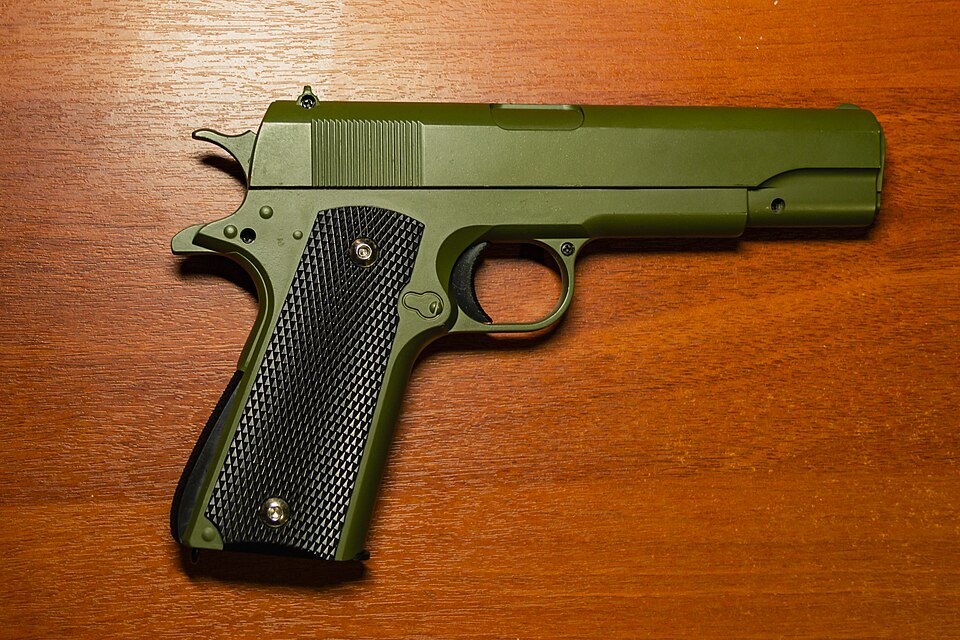
The 1911 remains the benchmark for how a full-size single-action pistol can feel when trigger geometry, grip shape, and recoil behavior line up. Its straight-to-the-rear trigger press still defines what many shooters mean by a clean break, and the platform’s low, flat profile keeps it relevant far beyond its original service era.
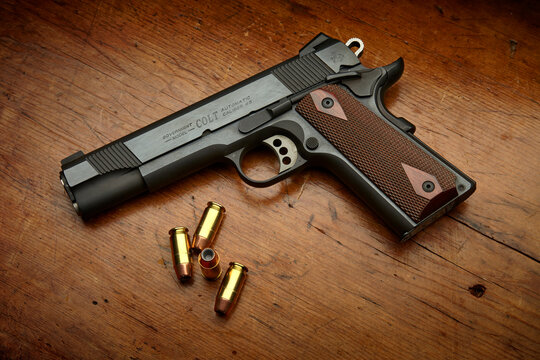
Its staying power is not just sentimental. The short-recoil, tilting-barrel layout refined by John Browning became the dominant template for centerfire semi-automatic pistols, and Browning’s tilting barrel design dominates centerfire handguns to this day. Even where modern pistols depart in materials or safeties, many still trace their operating logic back to the same basic unlocking sequence. The original 7-round format no longer sets the market standard, but the platform’s shootability still does.
2. Browning Hi-Power
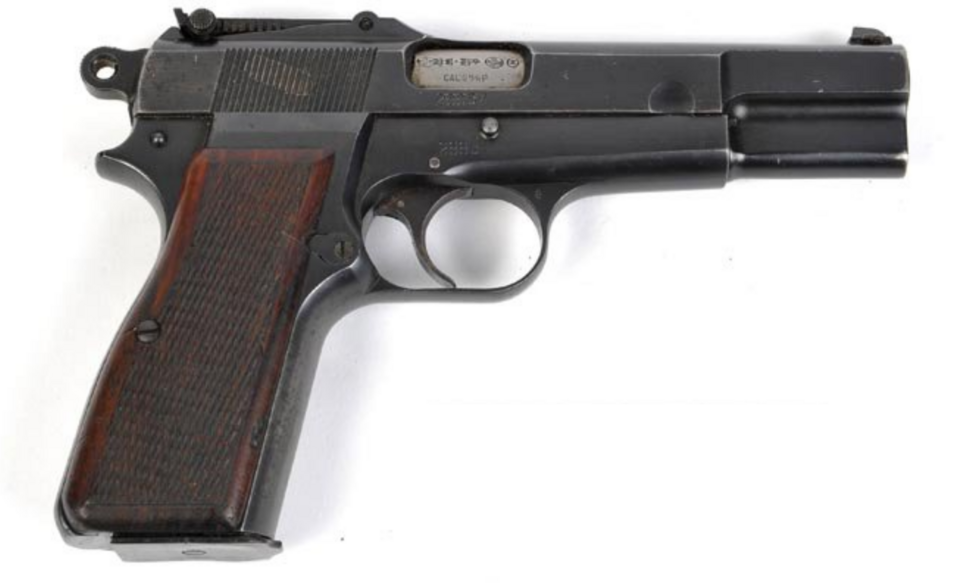
The Hi-Power carried Browning’s influence into a different direction: higher capacity without turning the pistol into a brick. FN named it for its 13-round magazine capacity, a remarkable figure for its era and one that helped normalize the double-stack service pistol long before that became standard.
Completed by Dieudonné Saive after Browning’s death, the design blended a slim feel with serious onboard capacity and wide military adoption. It served with forces in more than 50 countries, and that scale mattered because it pushed the idea that a fighting pistol could be compact, controllable, and still carry substantially more ammunition than earlier service autos. Many later high-capacity 9 mm handguns owe part of their basic packaging logic to the Hi-Power, even when their internals moved on.
3. Glock’s polymer-framed striker system
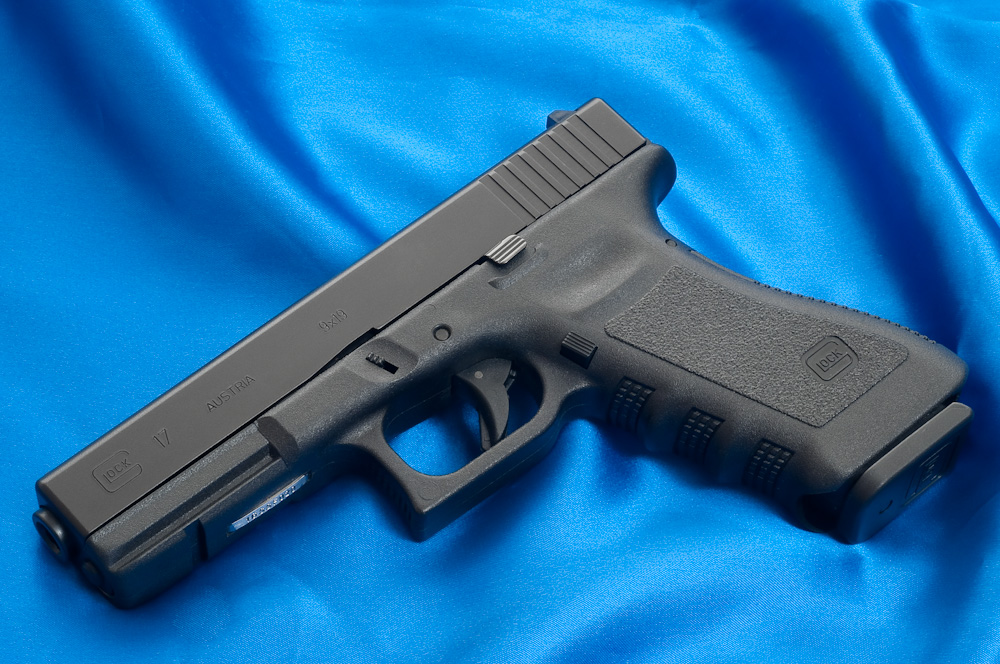
Glock changed the center of gravity in handgun design by making simplicity itself a selling point for institutions. A Glock pistol is often described as using only 34 component parts, and whether the appeal is armorers’ maintenance, standardized training, or field stripping, the message is the same: fewer moving pieces and repeatable procedures scale well.
The larger breakthrough was conceptual. Polymer framing, corrosion resistance, and a consistent striker-fired trigger across multiple sizes turned the duty pistol into a modular family instead of a one-off sidearm. Once that formula proved durable, the rest of the handgun market had to respond.
4. Smith & Wesson double-action revolvers
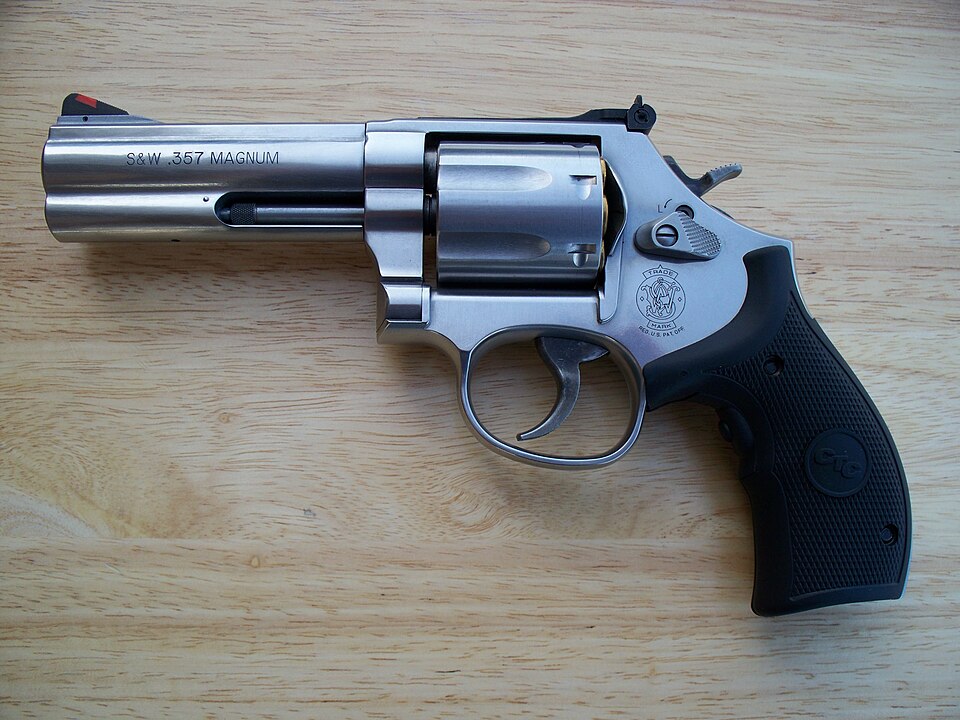
Double-action revolvers still matter because they demonstrate mechanical timing in plain sight. Every trigger press unlocks the cylinder, rotates a new chamber into place, locks it, and releases the hammer in one continuous cycle. That directness keeps the revolver relevant as a study in durable, feedback-rich design.
Smith & Wesson’s mechanism also earned respect for how carefully it managed internal forces. Contemporary descriptions emphasized features such as front support for the extractor rod and centrally applied spring pressure, details aimed at maintaining alignment and reducing binding. It is an old system, but not a crude one. Even now, a well-tuned double-action revolver remains a mechanical lesson in precision sequencing.
5. AR-15 pattern rifles
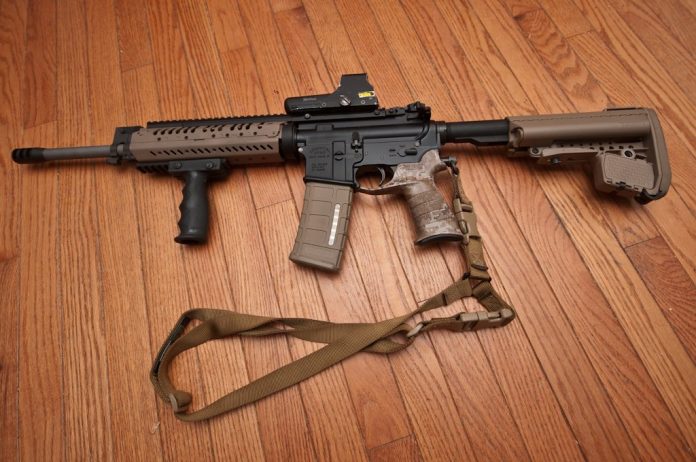
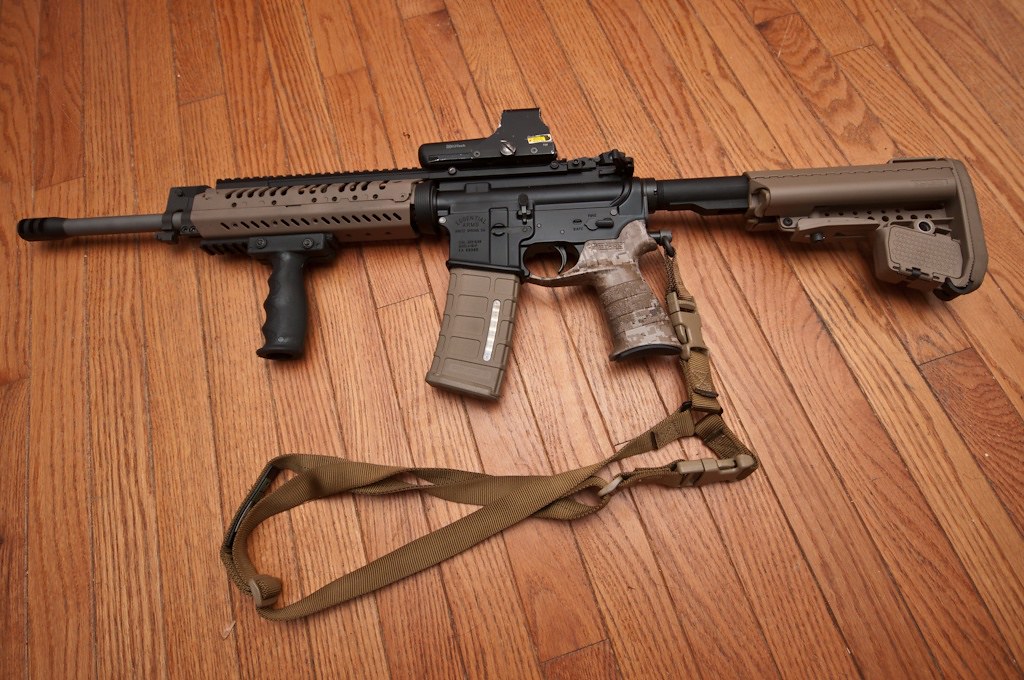
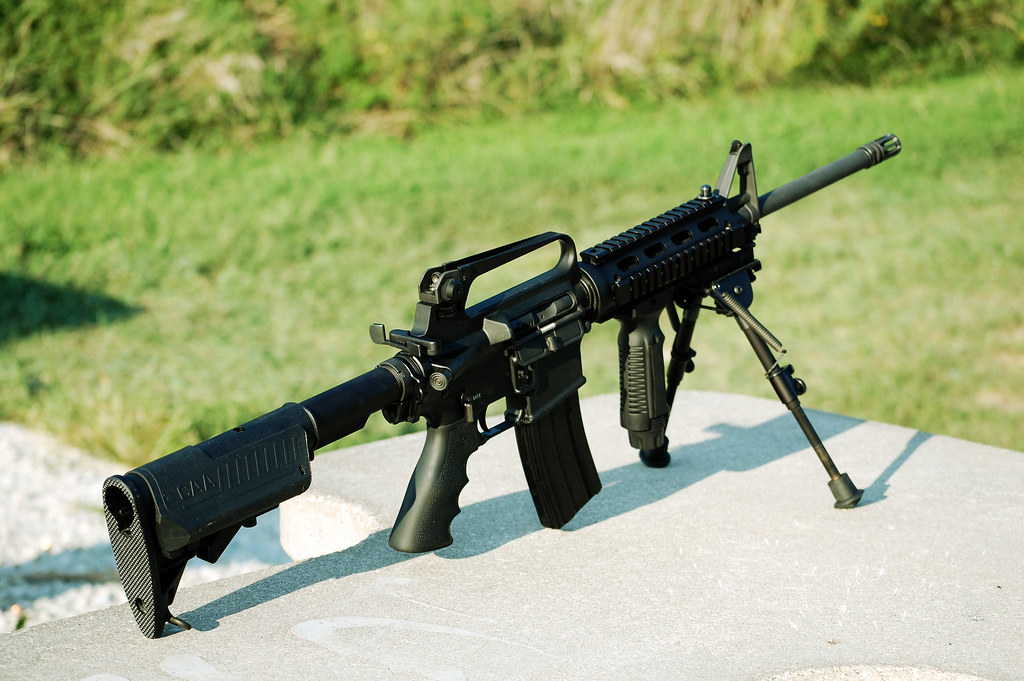
The AR-15 endured because it turned the rifle into a configurable system. Upper and lower receivers separate major functions cleanly, which lets shooters change barrels, optics, stocks, and roles without abandoning the underlying manual of arms.
Its operating system is often mislabeled, but the real engineering appeal is elegant packaging. Eugene Stoner’s mechanism is actually a piston within the bolt carrier, keeping moving mass in line with the bore. That inline layout helps reduce weight and preserve handling while supporting the platform’s accuracy reputation. The AR’s real legacy is not one configuration; it is the fact that the same architecture can serve training, competition, varmint work, and general-purpose shooting with minimal disruption to the user.
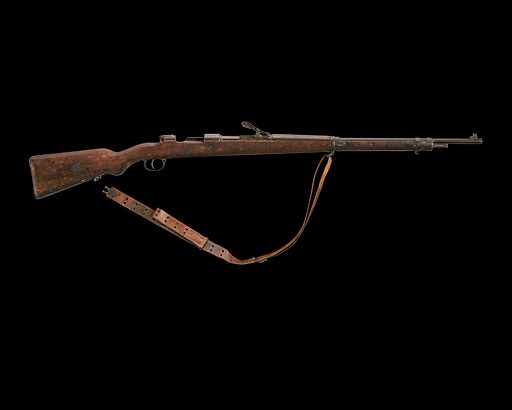
6. Mauser 98 bolt-action
The Mauser 98 still anchors discussions of serious bolt-gun reliability because its controlled-round-feed system keeps hold of a cartridge through the feeding cycle. That feature has long mattered to shooters who want the action to stay composed even when the bolt is worked hard or awkwardly.
Its influence stretches past extraction alone. The action became a baseline for strength, safety, and receiver layout in sporting rifles across generations. Modern builds continue to prove the point, including one documented example that produced a 0.685-inch four-shot group during early range work. The old receiver pattern survives because it still supports modern barrels, stocks, and precision expectations without losing its original mechanical strengths.
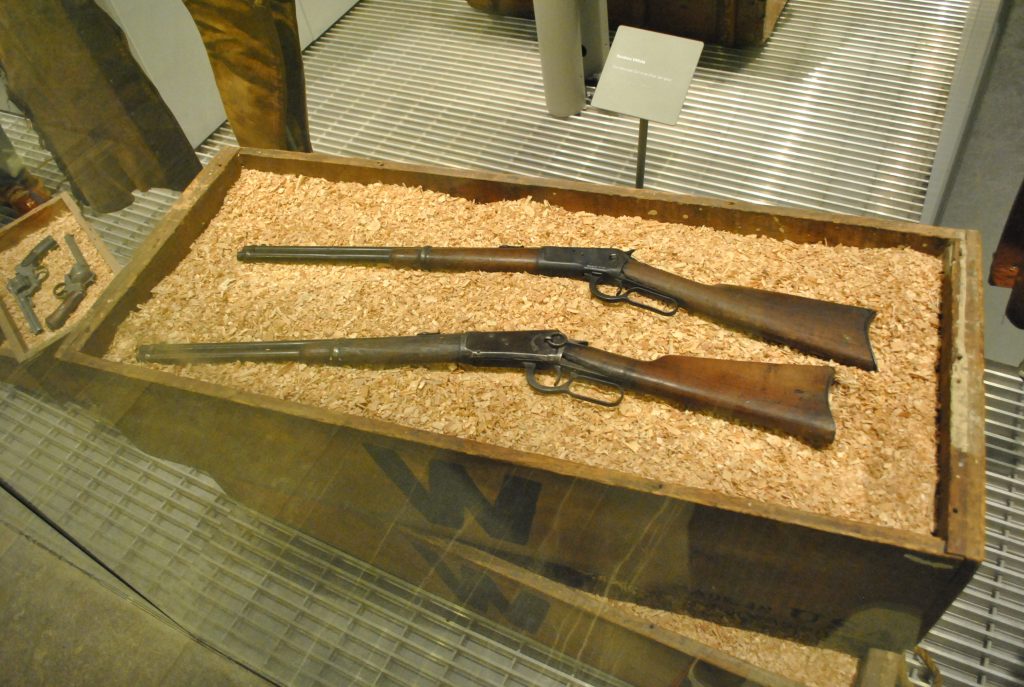
7. Winchester Model 94
The Winchester 94 solved a practical field problem with unusual efficiency: how to carry a rifle all day and still get quick follow-up shots. Slim, fast to shoulder, and easy to operate without shifting the firing hand far from the grip, it became one of the clearest examples of packaging driving long-term success.
Its historical place is secure because it was the first commercial American repeating rifle built for smokeless powder, and its production passed 7,000,000 units. Those numbers matter, but the engineering lesson matters more. The Model 94 balanced speed, weight, and compactness in a form that remained practical in woods hunting long after more modern actions arrived.
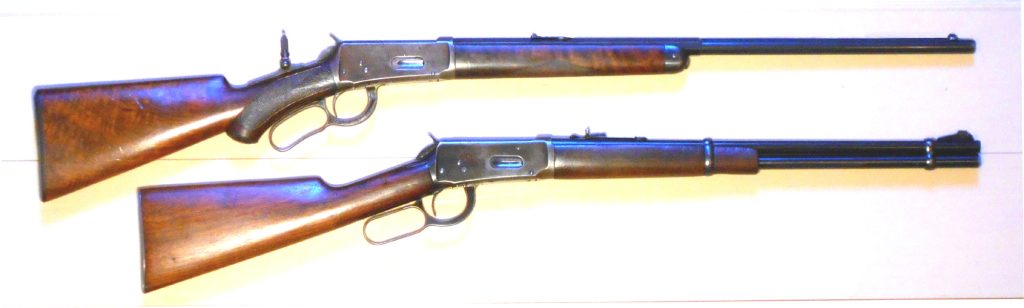
What links these designs is not nostalgia. Each one established a durable answer to a persistent problem, whether that meant trigger control, capacity, modularity, timing, or field handling. That is why they still shape current shooting. New materials and new manufacturing methods keep arriving, but the strongest old ideas never really left.


