Handgun arguments often sound settled until gelatin blocks and calibrated test standards get involved. The moment bullet performance is measured against the FBI’s long-established 12-to-18-inch penetration window, several popular claims start to collapse.
The reason is simple: handguns are limited tools, and their bullets are being asked to do a very specific job. They must reach vital structures after passing through clothing, tissue, and sometimes bone, while still expanding in a controlled way. Myths usually focus on caliber slogans, energy figures, or dramatic visual effects. Test protocols focus on penetration, expansion, and consistency.
1. Bigger calibers always stop better
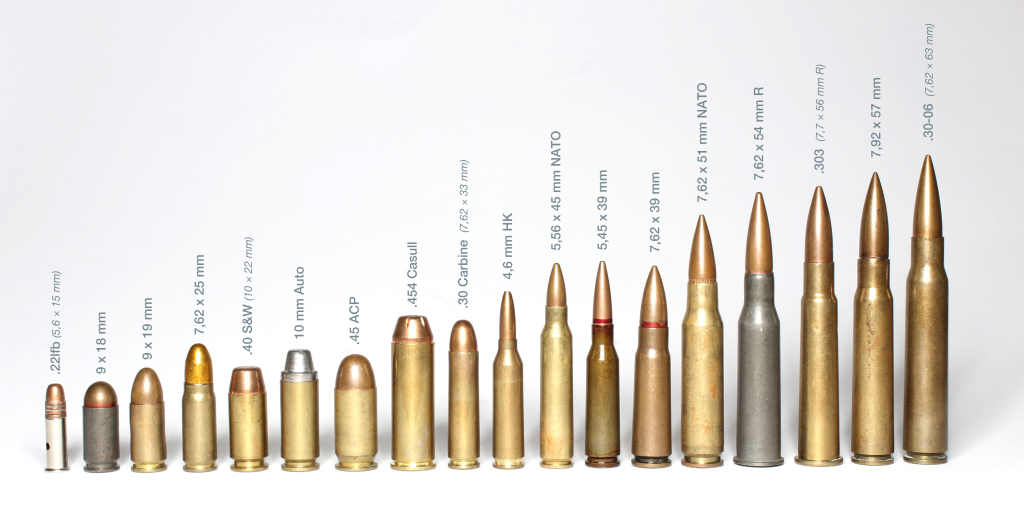
This remains one of the most durable myths in handgun culture. The idea is that a larger diameter bullet automatically delivers a dramatically better outcome, regardless of design, placement, or penetration. That is not what modern ballistic research supports. Common service calibers such as 9mm, .40 S&W, and .45 ACP can all perform adequately when loaded with modern hollow points that penetrate to useful depth and expand consistently.
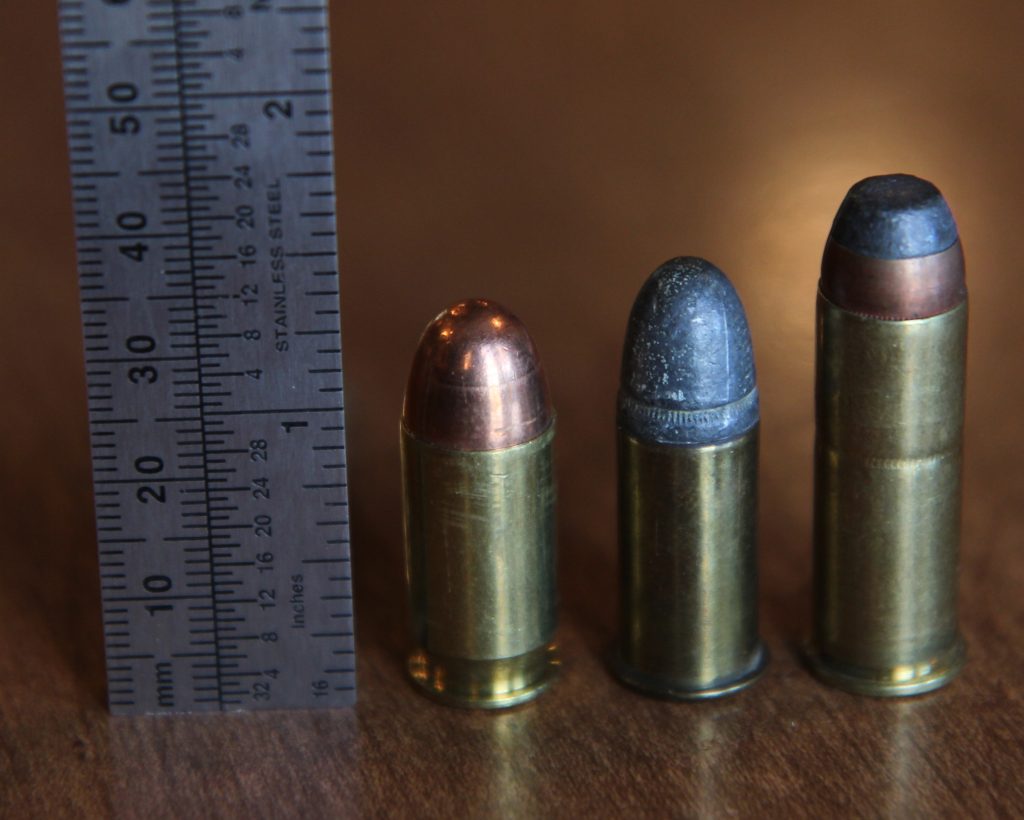
Even the FBI-centered literature around handgun effectiveness places the emphasis on reaching vital anatomy, not on caliber tribalism. As one reference article noted, medical professionals often cannot reliably distinguish wound paths from common handgun calibers during examination. That is a blunt reminder that bullet path matters more than caliber pride.
2. Hollow points always expand, so overpenetration is no longer a concern
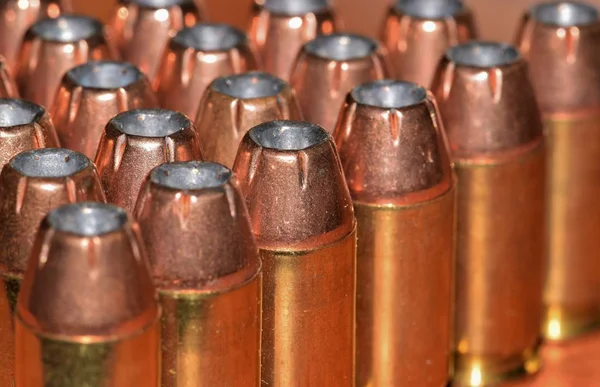
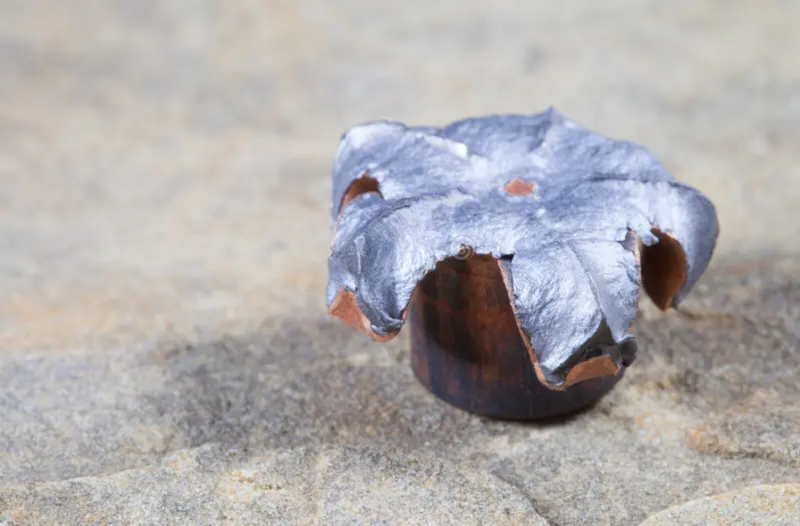
Modern hollow points are far better than older designs, but “always” is the word that fails here. Heavy clothing can clog a hollow point cavity and delay or prevent expansion, which changes the bullet’s behavior fast.
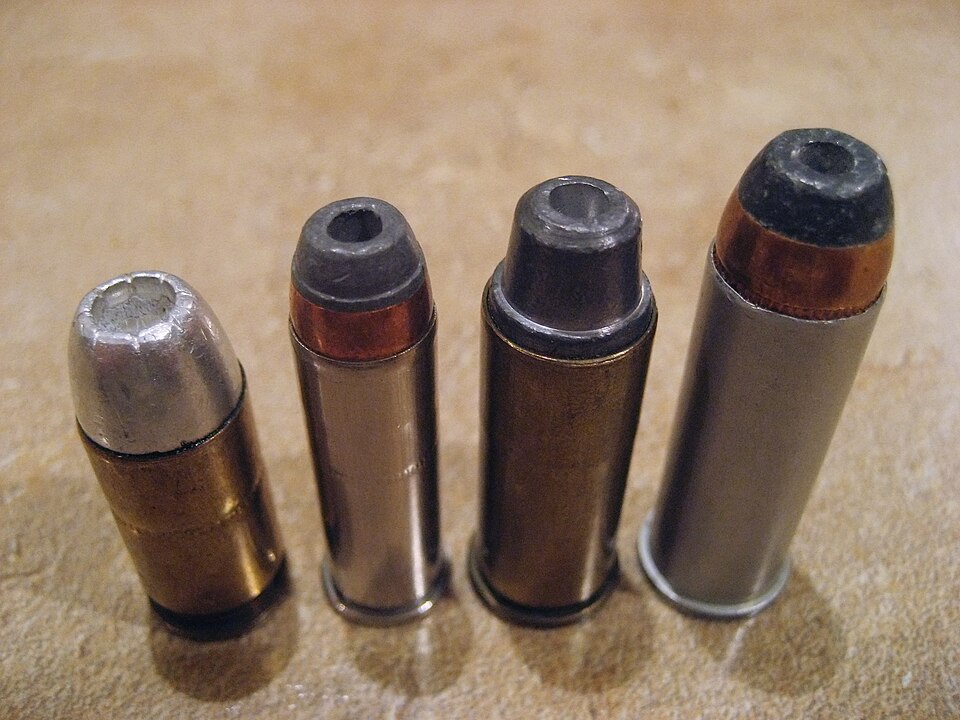
Lucky Gunner’s heavy-clothing testing used four layers meant to mirror the FBI clothing barrier concept, and the data repeatedly showed that some loads expanded well while others did not. In several calibers, loads that failed to expand penetrated far deeper than expected, including instances of severe overpenetration. In other words, a hollow point is a design intention, not a guarantee. Consistency from shot to shot matters more than a label on the box.
3. If a round penetrates less than 12 inches, it is still enough for a chest hit
This myth sounds reasonable only when the target is imagined as a flat paper silhouette standing square to the shooter. Real anatomy is three-dimensional, and real encounters are rarely tidy.
The FBI minimum exists because bullets may have to pass through an arm, heavy clothing, angled torso tissue, or intermediate bone before reaching the organs that reliably stop a threat. Lucky Gunner’s explanation of the standard makes that point clearly: a shot entering through an arm or shoulder can consume a surprising amount of penetration before it reaches the chest cavity. That is why less than 12 inches is commonly treated as inadequate, not merely suboptimal.
4. Temporary wound cavity proves a handgun load is devastating
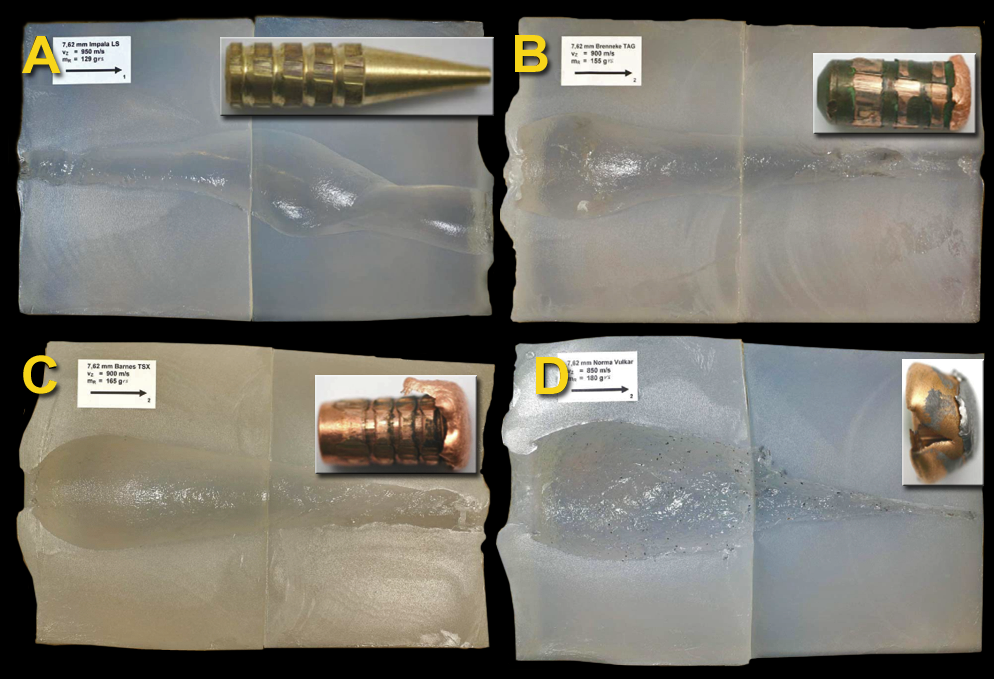
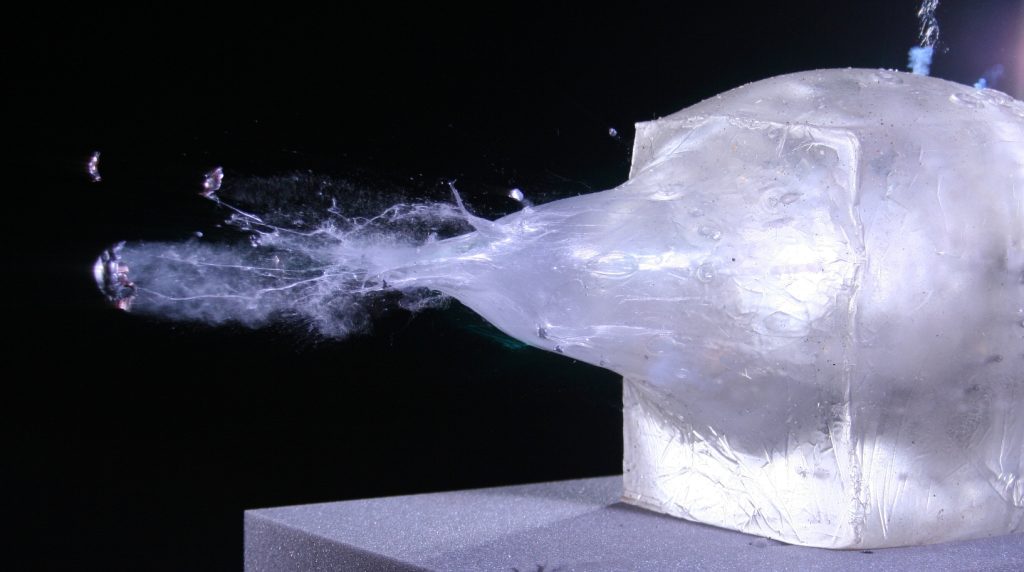
High-speed footage makes handgun rounds look violent in gelatin. Large bubbles, dramatic stretch, and rapid motion create the impression that massive damage is occurring outside the bullet’s direct path. For handguns, that impression is misleading. The more useful measure is the permanent wound cavity: the actual crushed path left by the bullet.
Multiple sources in the reference set point to the same conclusion that handgun velocities usually do not produce the kind of remote tissue disruption associated with rifles. Lucky Gunner also cautioned that synthetic gel can exaggerate visual temporary cavity effects. The dramatic video may look impressive, but the FBI-style evaluation still comes back to penetration depth and bullet expansion, not spectacle.
5. Ballistic gel is fake, so FBI test standards do not mean much
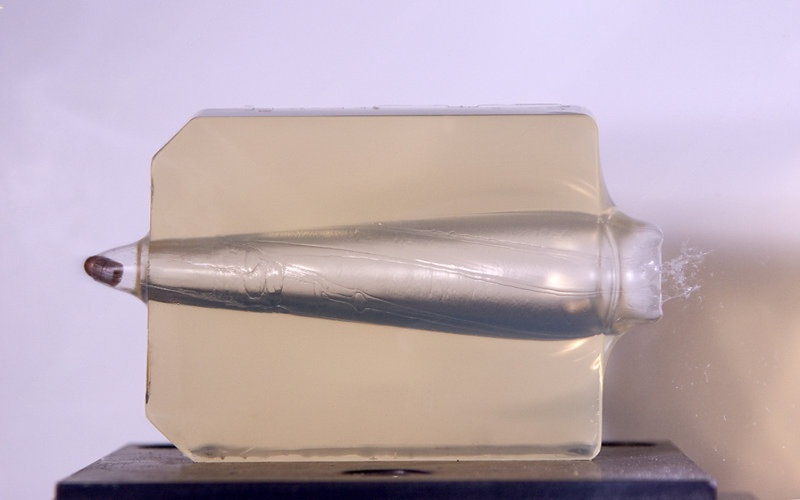
Gelatin is not a human body. It does not have skin, bone, or organs arranged in all the ways found in real anatomy. That part is true. What the myth gets wrong is the conclusion. Standardized gelatin exists because it creates a repeatable baseline for comparing ammunition under controlled conditions. The FBI protocol was built around calibrated 10% ordnance gelatin and barrier tests specifically to remove guesswork and anecdote from the process. It does not claim to predict every outcome. It does provide a common yardstick for whether a bullet penetrates enough, expands reliably, and stays within a practical range. For ammunition development, that repeatability is why the protocol reshaped the industry.
6. Any clear synthetic gel test can be judged by FBI numbers
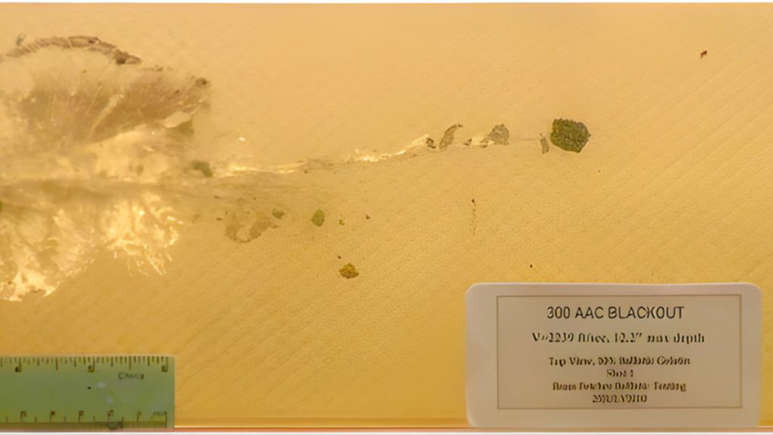
This is where a lot of internet test videos go off track. The FBI standard was developed around calibrated organic gelatin, not every transparent substitute on the market.
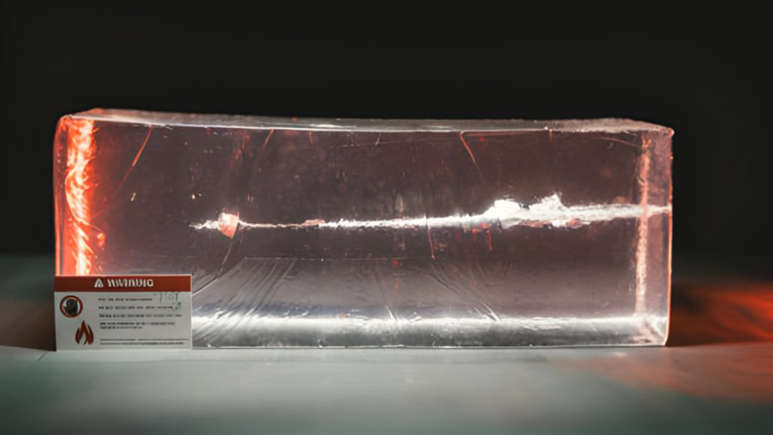
That difference matters. The reference materials include repeated warnings that some synthetic blocks can reduce expansion and increase penetration compared with FBI-standard gelatin. Hornady’s technical material states there is a clear difference between synthetic and organic gelatin, and several cited analyses argue that clear synthetic media should not be directly scored by FBI pass-fail benchmarks. A load that looks like an overpenetration in one medium may behave differently in calibrated gel, while a weak expander may appear better than it is. The medium is part of the test, not a neutral container.
Ballistic myths usually survive because they are easy to repeat and hard to test. FBI-style penetration standards do the opposite. They force handgun ammunition to answer a narrow question: can it penetrate deeply enough, after realistic barriers, without becoming wildly inconsistent?
That is why the myths keep losing. The data does not care about caliber slogans, dramatic gel footage, or bullet marketing language. It cares about whether a handgun round reaches the depth that matters and does it reliably.


