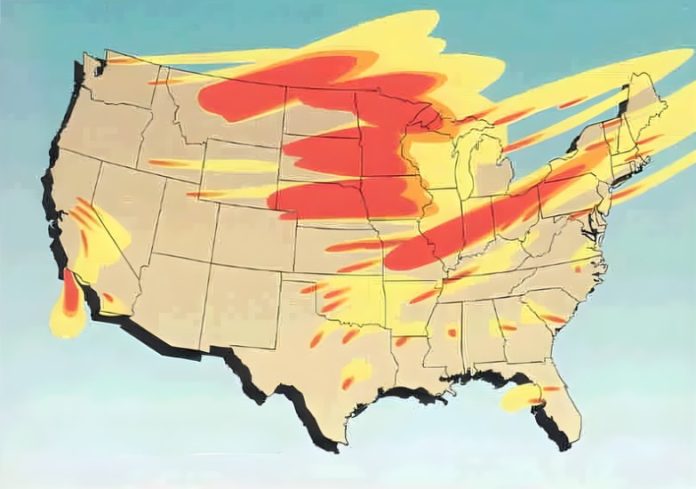
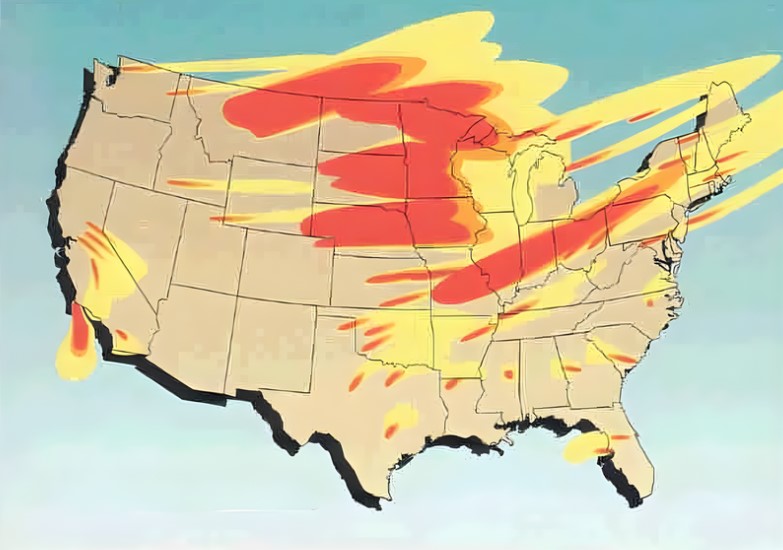
Nuclear fallout does not spread as a neat expanding circle. Its path is shaped by physics, meteorology, terrain, and the design of the explosion itself, which is why contamination maps can look radically different from one day to the next.
Research on U.S. missile-field scenarios and historical atomic tests shows the same pattern: fallout is governed less by simple distance than by the atmosphere it enters and the particles it creates. In modern modeling, radioactive material has traveled hundreds of miles in days, while historical reconstructions found Trinity fallout reached 46 states, Canada and Mexico.
1. Wind direction at the moment of detonation
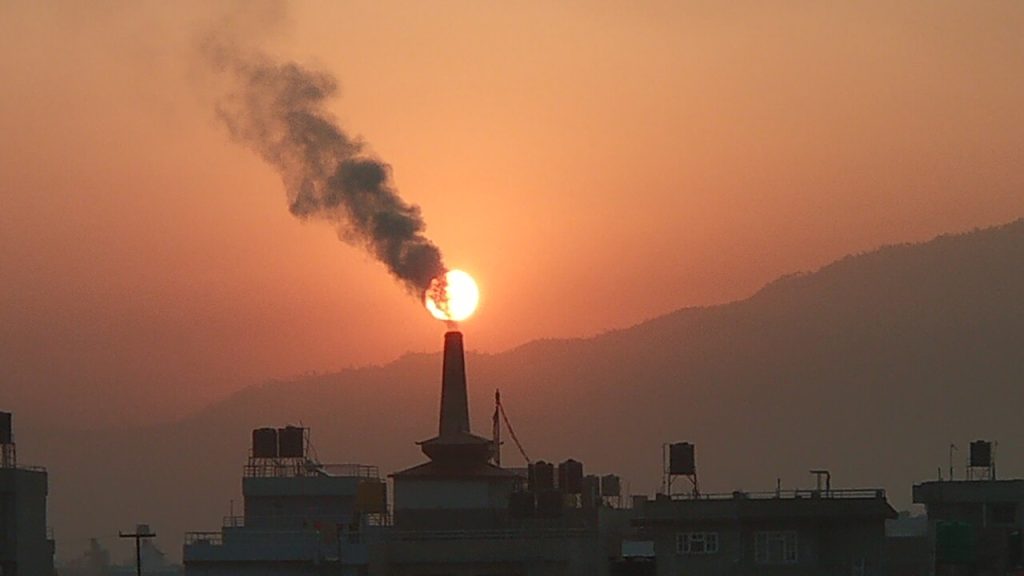
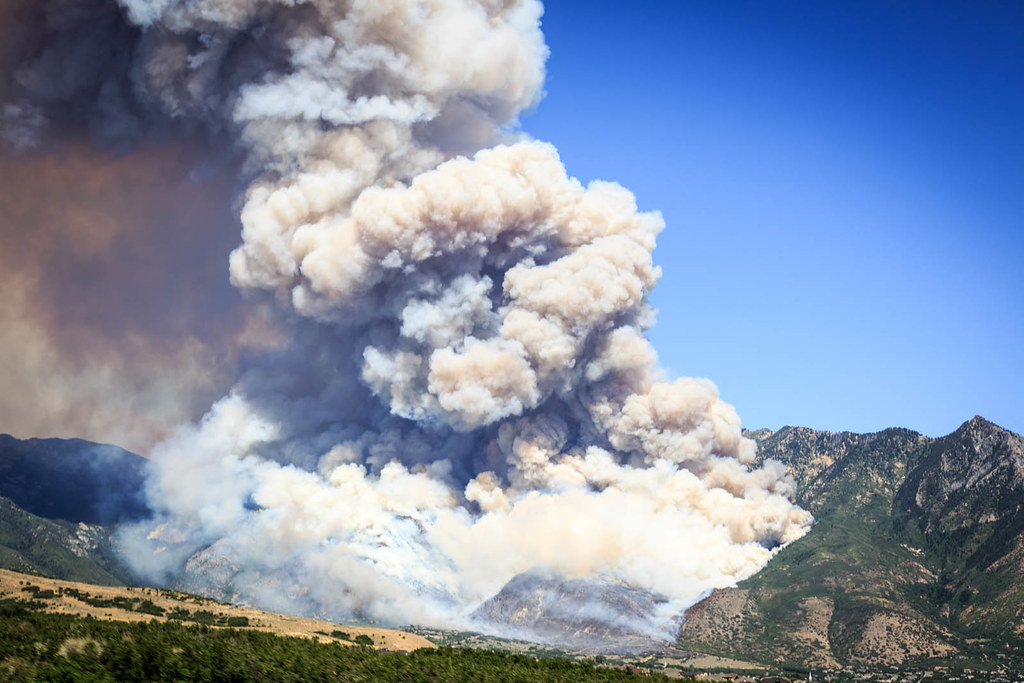
The most immediate factor is the direction of the air flow when radioactive debris rises into the atmosphere. Once the cloud forms, it begins moving with the winds at the altitudes it occupies, which means areas downwind face the heaviest early burden while places at the same distance in another direction may receive far less.
Simulations of attacks on U.S. missile silos showed that daily wind shifts can transform the map of exposure. In one set of calculations using archived 2021 weather, estimated fatalities from the same broad attack scenario ranged from 340,000 to 4.6 million depending on the day. The central engineering lesson is simple: fallout forecasting depends on the air mass present at the time, not on a static radius drawn around the blast.
2. How high the cloud rises
Altitude changes everything. A cloud injected higher into the atmosphere can enter faster, more organized wind streams and travel much farther before its radioactive particles settle out. Lower clouds tend to deposit more material closer to the source. Historical evidence illustrates that point clearly.
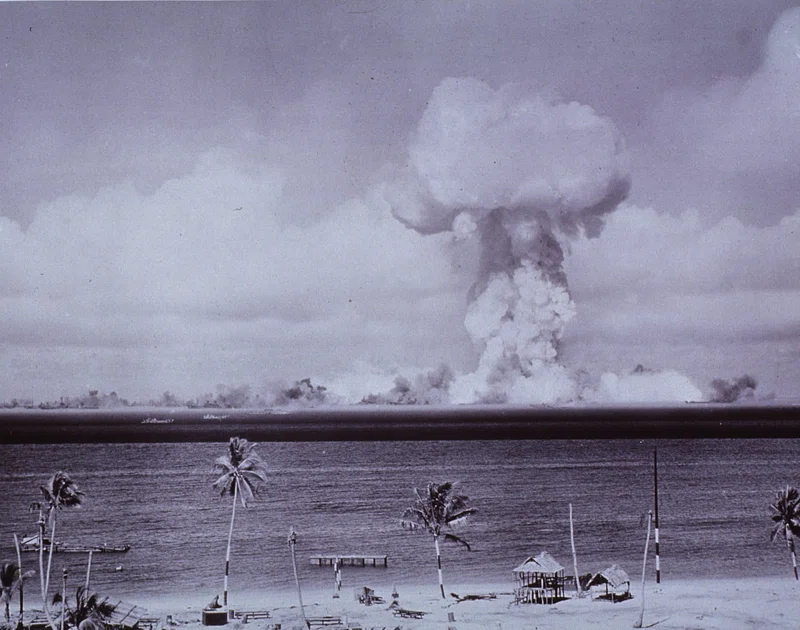
The Trinity test produced a cloud estimated at 50,000 to 70,000 feet, helping disperse contamination over a continental scale. The Scientific American analysis of silo strikes also notes that fallout forms after debris and fission products rise into miles-high radioactive mushroom clouds, where high-altitude winds begin to control the footprint.
3. Whether the burst is close to the ground
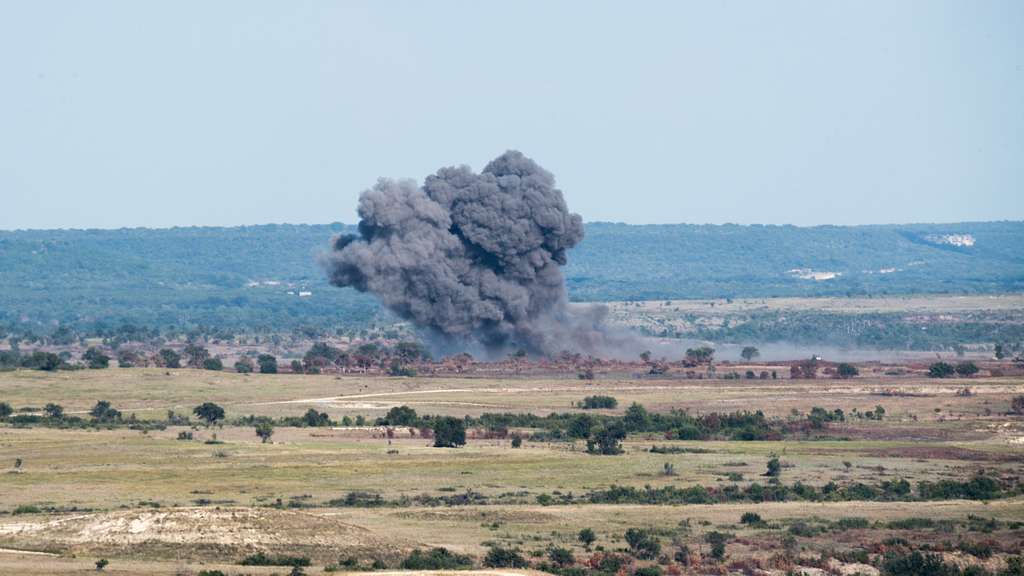
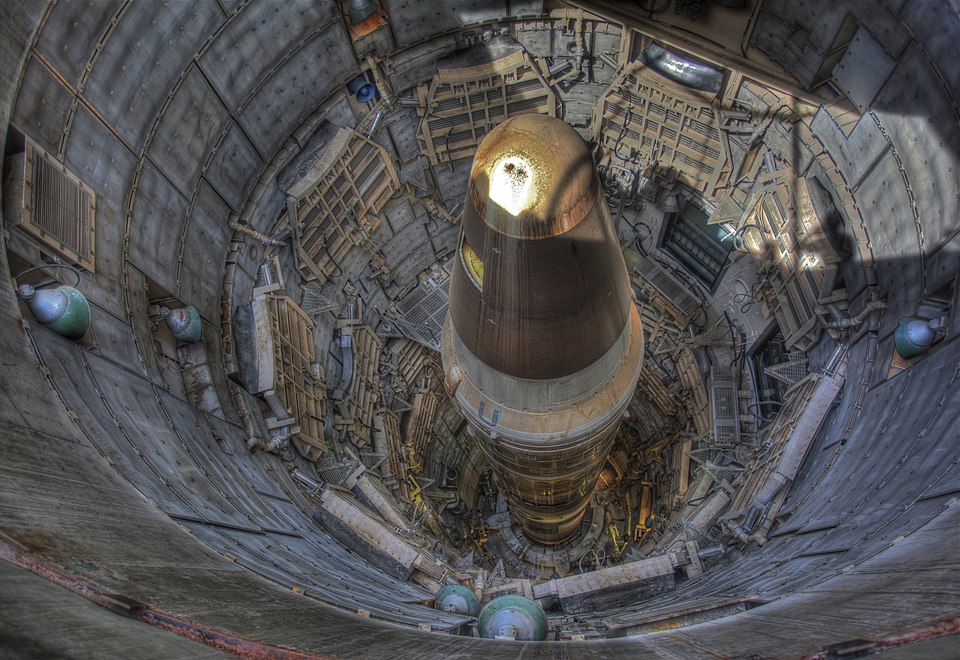
A detonation near the surface creates far more local fallout than one that remains higher above it. That is because the fireball pulls in soil, concrete, metal, and other debris, coating particles with radioactive products before lofting them downwind. This detail matters for North American fallout maps because many hardened targets are associated with ground-hugging bursts.
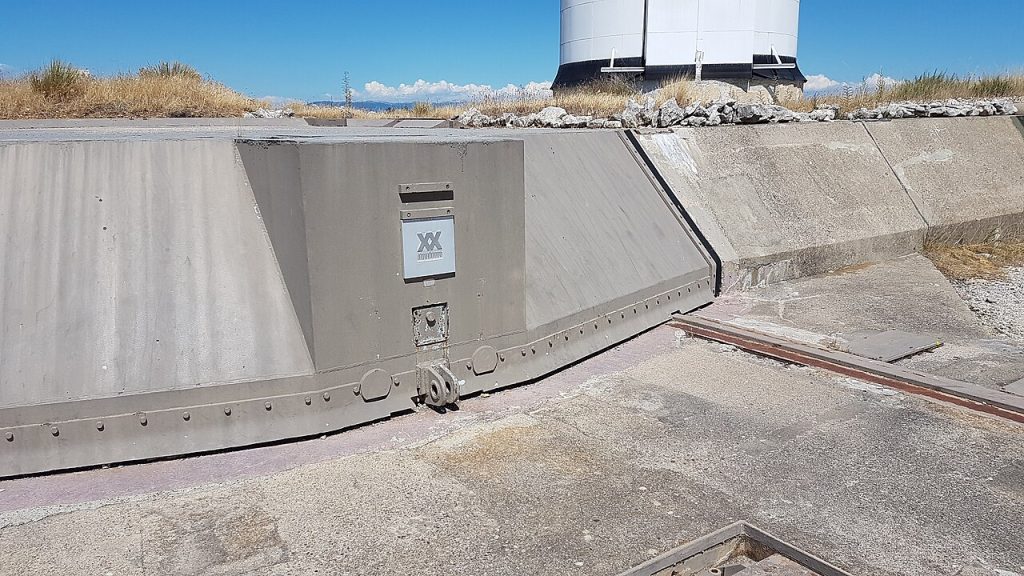
Scientific American described silo attacks as detonations close enough to the ground that fireballs would suck in soil and debris, creating the dense particulate load that later settles out. More entrained material means more fallout mass available to contaminate farmland, towns, and water systems beneath the plume.
4. Particle size and how fast debris settles
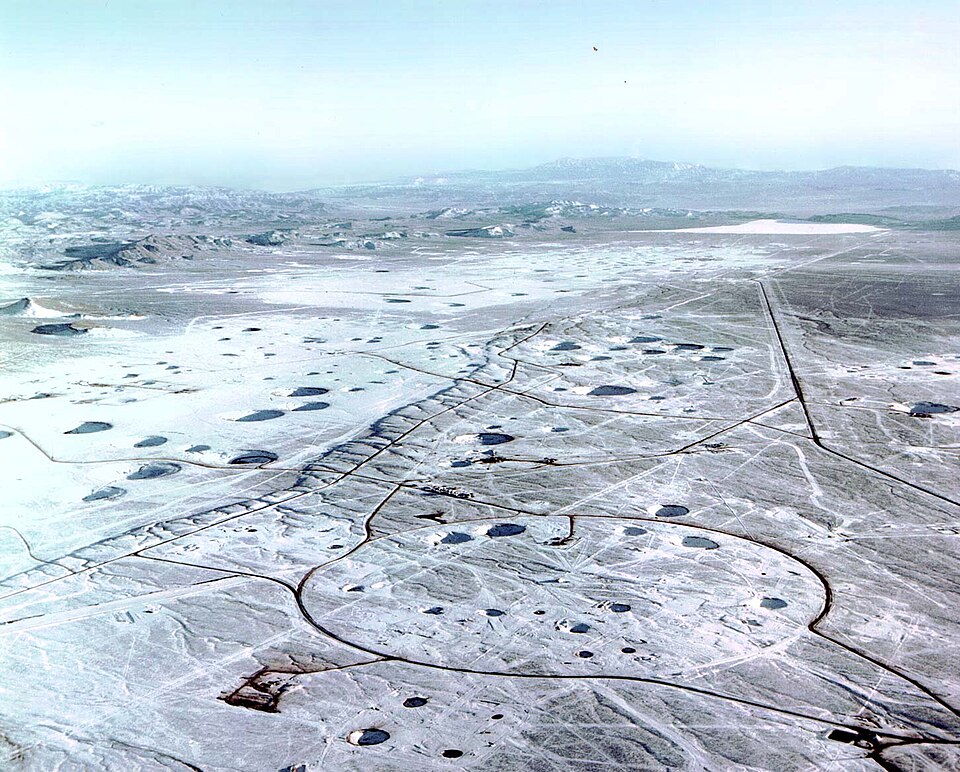
Not all fallout particles behave alike. Larger fragments and dust grains drop sooner, often producing intense contamination closer to the detonation zone. Finer particles remain suspended longer and can ride winds across multiple states or across national borders.
This is one reason fallout unfolds over time rather than all at once. Princeton’s reconstruction of historic tests tracked deposition over 10 days for Trinity and over five days for Nevada tests, showing that the plume’s burden can continue shifting well after the flash itself. The atmosphere effectively sorts particles by size, with the heaviest dropping early and the lightest stretching the footprint outward.
5. Geography and target location
Where a detonation occurs within the continent strongly affects who is exposed. Missile fields in the interior Plains place radioactive material directly into wind corridors that can carry fallout across densely farmed and populated parts of the Midwest and into Canada.
The Princeton-based modeling highlighted just how consequential those starting points are. In a concerted attack on existing silo fields, areas in and around Colorado, Wyoming, Nebraska, Montana and North Dakota would form the source region for broad downwind risk, with Minnesota, Iowa, and Kansas also facing elevated fallout potential. Geography does not just determine the blast site; it determines which continental air pathways the plume enters first.
6. The number of detonations and the total material injected into the atmosphere
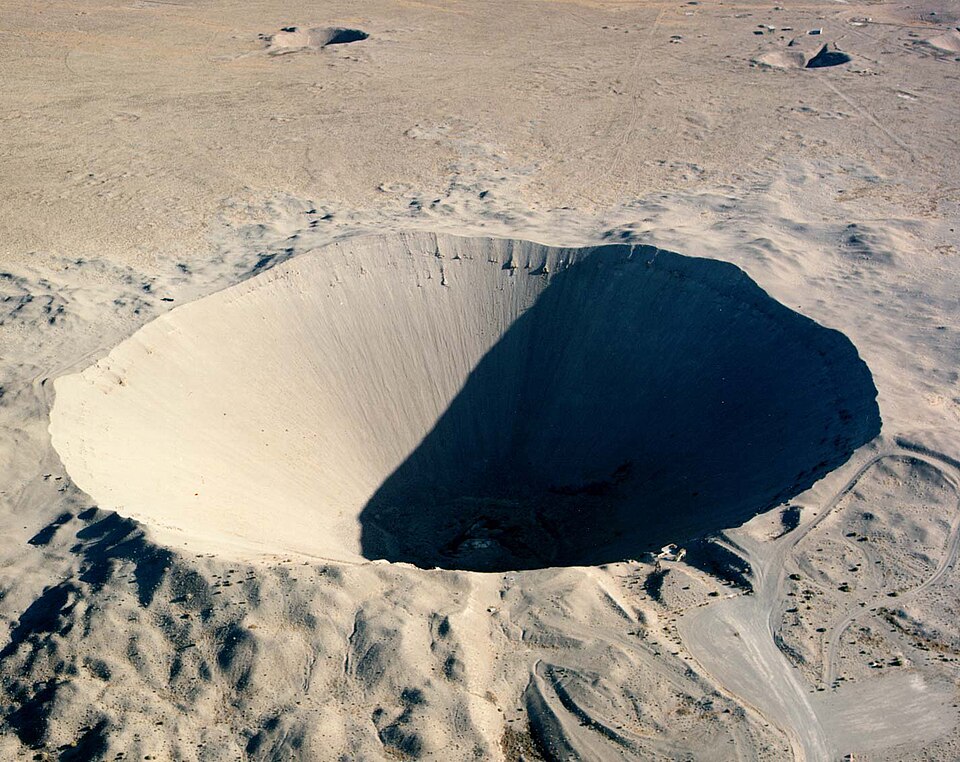
One plume is one problem. Hundreds of plumes can overlap, reinforce one another, and spread contamination over an immense area. The wider the attack or testing program, the more radioactive matter enters the atmosphere and the more chances changing winds have to redirect it across the continent.
That cumulative effect appears in both historical and modeled cases. Princeton’s test reconstruction examined 94 continental U.S. atmospheric nuclear weapon tests, while the silo-strike analysis modeled simultaneous detonations across roughly 450 targets. On a broader environmental scale, ICAN notes that even 100 Hiroshima-sized nuclear weapons could loft 5 billion kilograms of soot into the upper atmosphere, showing how larger exchanges move from regional fallout into continent-spanning and global atmospheric disruption.
Taken together, these factors explain why fallout risk cannot be reduced to a single safe distance. Wind direction, cloud height, burst geometry, particle behavior, geography, and scale all interact, producing exposure patterns that shift from hour to hour and season to season. Across North America, the science points to a consistent conclusion: radioactive contamination follows the atmosphere’s structure more than the map’s borders. Once material is lofted, the continent becomes connected by air.


