Reliability is the trait that turns a handgun from an interesting design into a useful tool. When a pistol develops a reputation for stoppages, light strikes, premature wear, or safety-related defects, the problem usually runs deeper than one bad magazine or a single rough range session.
That matters because many common pistol malfunctions trace back to recurring causes such as magazine related issues, weak springs, extractor problems, fouling, or ammunition sensitivity. Those factors can affect any semi-auto, but some models became known for them often enough that their names still surface whenever shooters talk about cautionary designs.
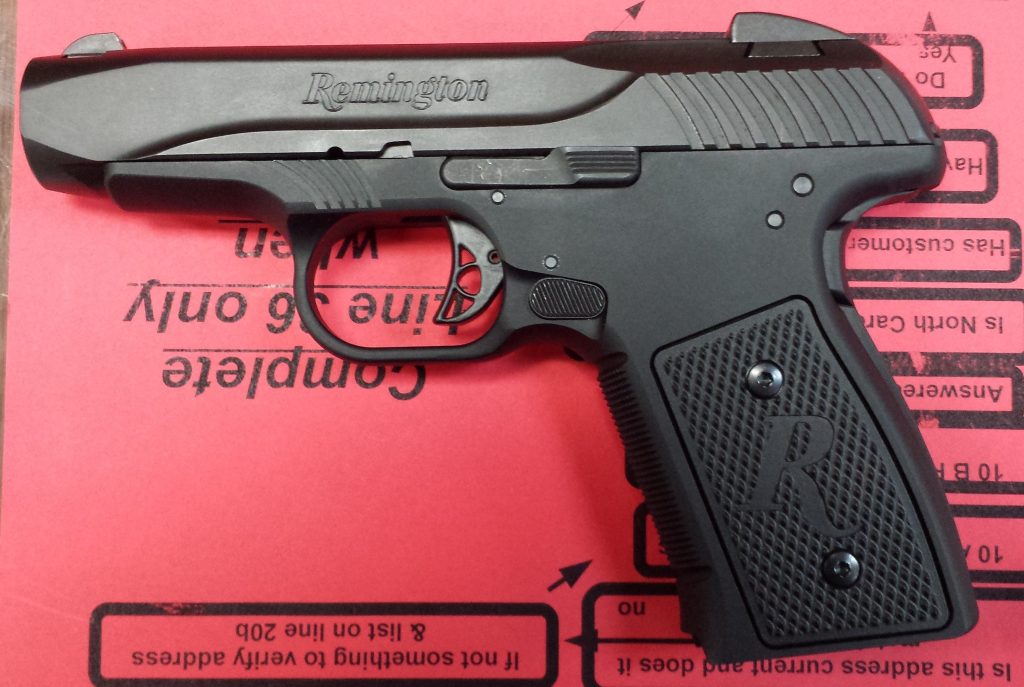
1. Remington R51
The R51 arrived with real promise: a slim profile, a low bore axis, and a revival of John Pedersen’s old hesitation-lock idea in a modern 9mm carry gun. On paper, it looked like a clever alternative in a crowded concealed-carry market. In use, the pistol built a far different reputation. Shooters reported failures to feed, light primer strikes, and cycling problems serious enough to overwhelm the appeal of its layout. The platform returned in an updated form, but the damage was already done. By the time it disappeared, the R51 had become a case study in how a smart concept can be undone by rushed execution and unresolved reliability faults.
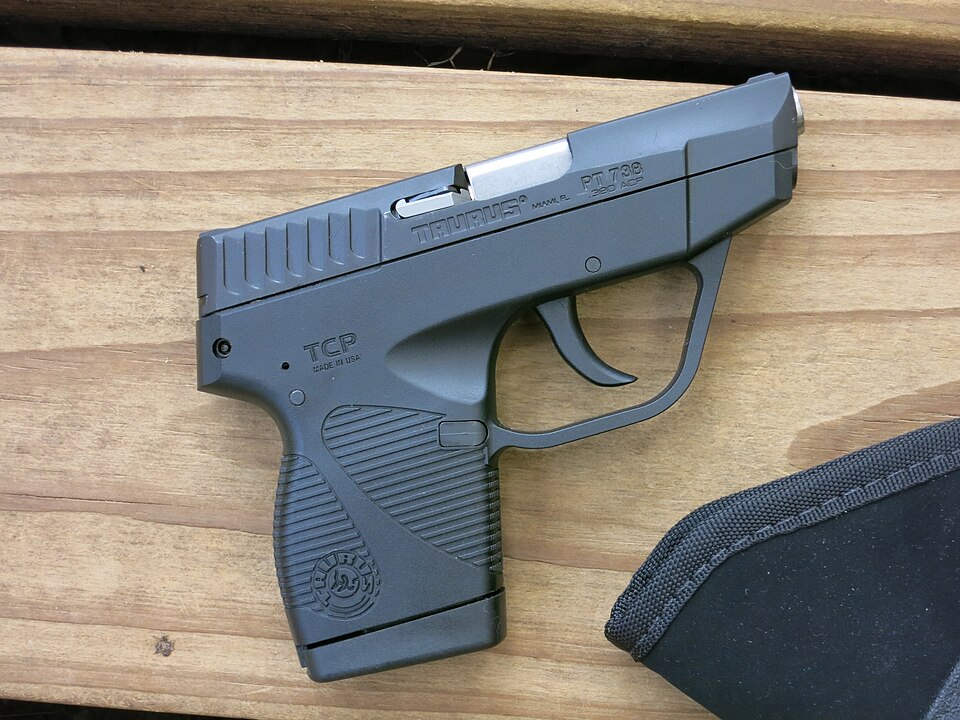
2. Taurus PT738 TCP
The PT738 TCP targeted the deep-concealment crowd with a light frame and pocket size, but tiny pistols leave little margin for error. Reports around this model frequently centered on light strikes and erratic ejection, particularly with lower-powered or inconsistent ammunition. That kind of pattern matters in a .380 carry pistol, where dependable cycling is the whole point. Ammunition sensitivity is not unusual in compact handguns, yet the PT738 TCP was often discussed as too selective for a pistol meant to be carried more than admired.
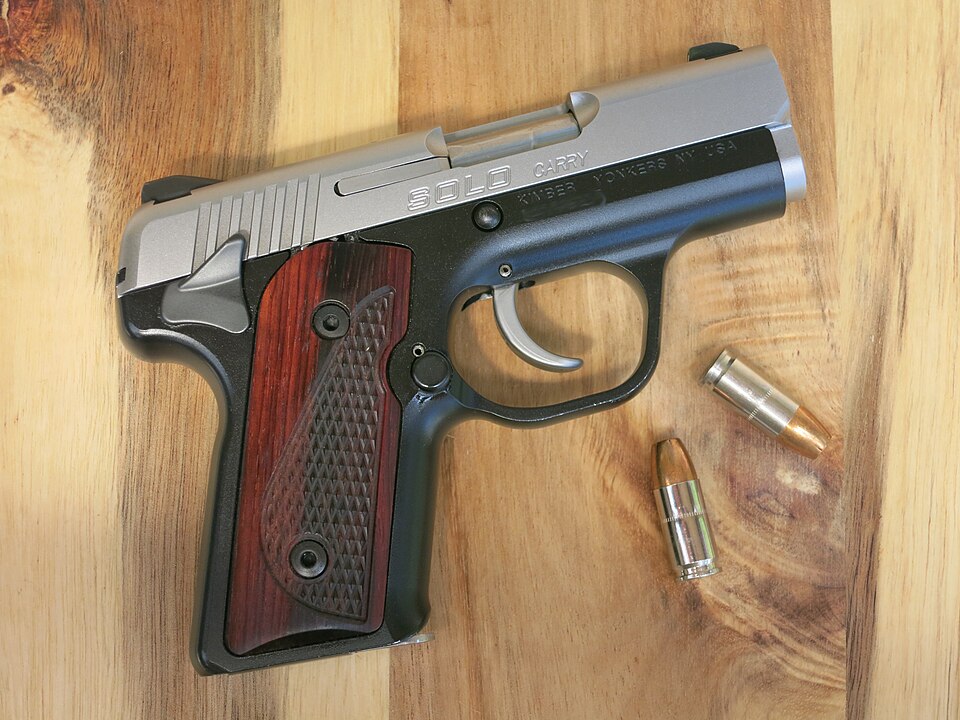
3. Kimber Solo Carry
The Solo Carry looked like a premium answer to the small 9mm carry gun. Its styling, size, and brand image drew plenty of attention. The catch was its narrow operating window. The pistol became known for functioning best with specific hotter loads, while standard-pressure ammunition often produced failures to cycle or inconsistent performance. That put it in an awkward place: compact enough for everyday carry, but demanding enough that shooters had to build their routine around the gun rather than the other way around.
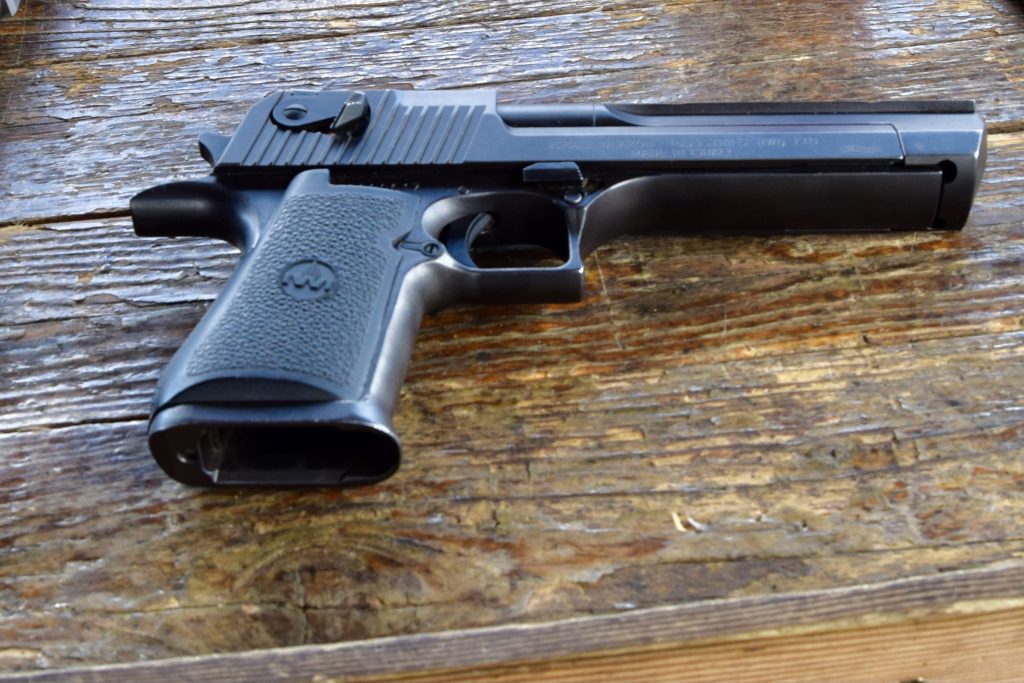
4. Desert Eagle .50 AE
The Desert Eagle is one of the most recognizable handguns ever made, and its gas-operated system is mechanically unusual among pistols. It is large, powerful, and unmistakable. It is also famously particular. The platform depends on firm handling and ammunition that stays within the operating envelope. When that formula changes, cycling can become inconsistent. That does not make the Desert Eagle a poor design in absolute terms, but it does explain why its reputation rests more on spectacle and range presence than on broad, forgiving reliability.
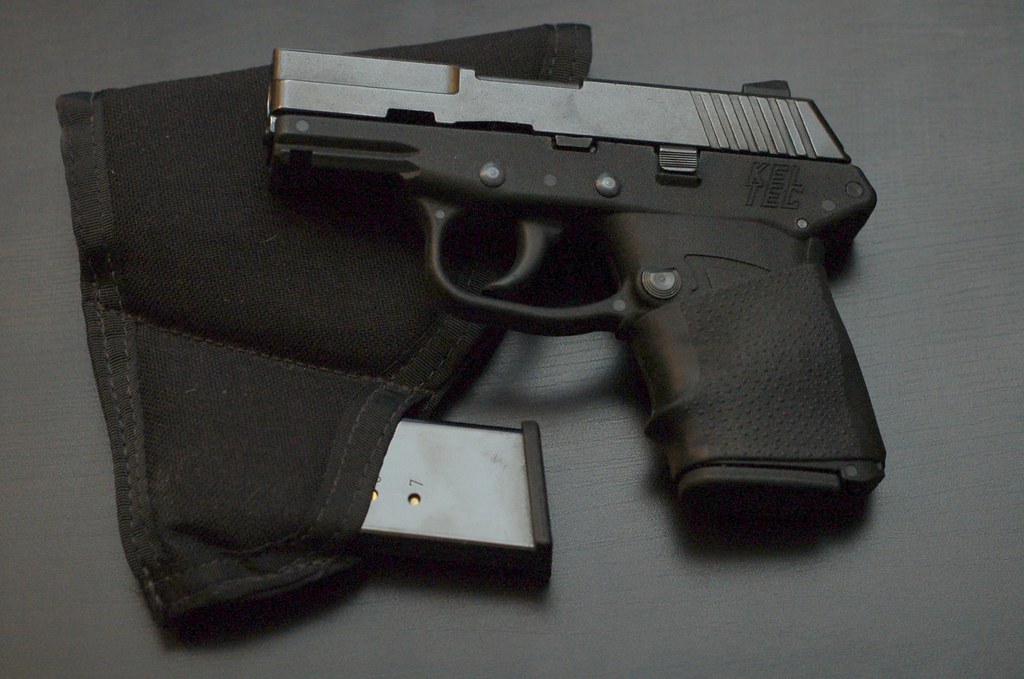
5. Kel-Tec PF-9
The PF-9 appealed to shooters who wanted a very thin, very light 9mm before that category became crowded. Its size was the selling point. Its downside was that the gun often seemed to run at the edge of what the format would tolerate. Feeding and extraction complaints followed the model for years, and the sharp recoil did not help shooters maintain the kind of firm grip that small semi-autos often need. As several malfunction guides note, failure to eject and feeding problems are frequently tied to both mechanical tolerance and user input, and the PF-9 had little room to spare on either front.
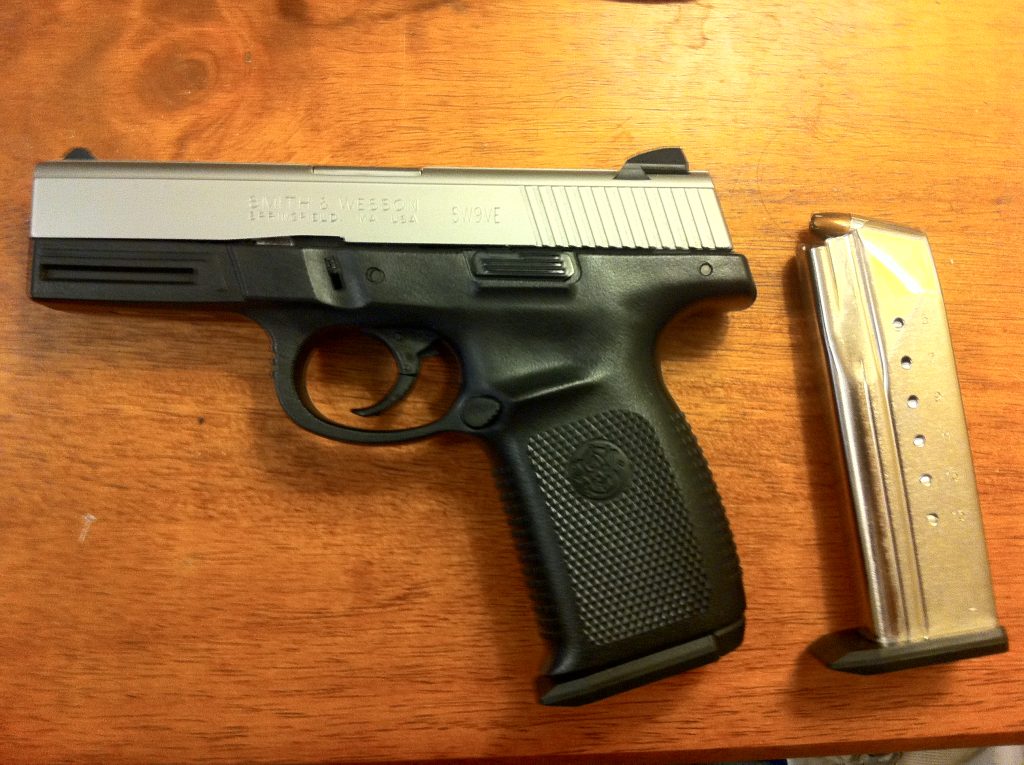
6. Smith & Wesson Sigma Series
Early Sigma pistols represented Smith & Wesson’s first big push into striker-fired polymer handguns. The line eventually improved, but the first impression was rough. Early examples were criticized for heavy triggers, uneven tolerances, and sporadic feeding or ignition issues. Later production guns addressed much of that, yet the original stigma lingered. In the handgun world, an early reliability reputation can stay attached long after a factory has corrected the worst faults.
7. Jennings J-22
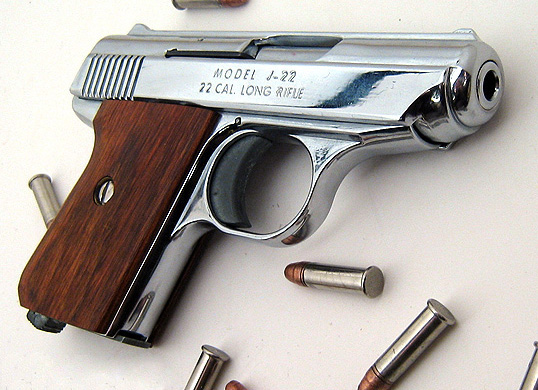
The Jennings J-22 became one of the best-known budget rimfire pocket pistols of its era, and also one of the easiest examples to cite when discussing the limits of ultra-cheap handgun construction. Stovepipes, failures to eject, and double-feeds were common complaints. Rimfire pistols already run dirtier than centerfire guns, and maintenance sources commonly note that .22 autos need more frequent cleaning because of residue buildup. In the J-22, weak extraction and a small ejection port only made things worse. More troubling was the long-running concern over drop safety, which pushed the model beyond mere inconvenience and into a category many shooters would not trust at all.
8. SCCY CPX-2
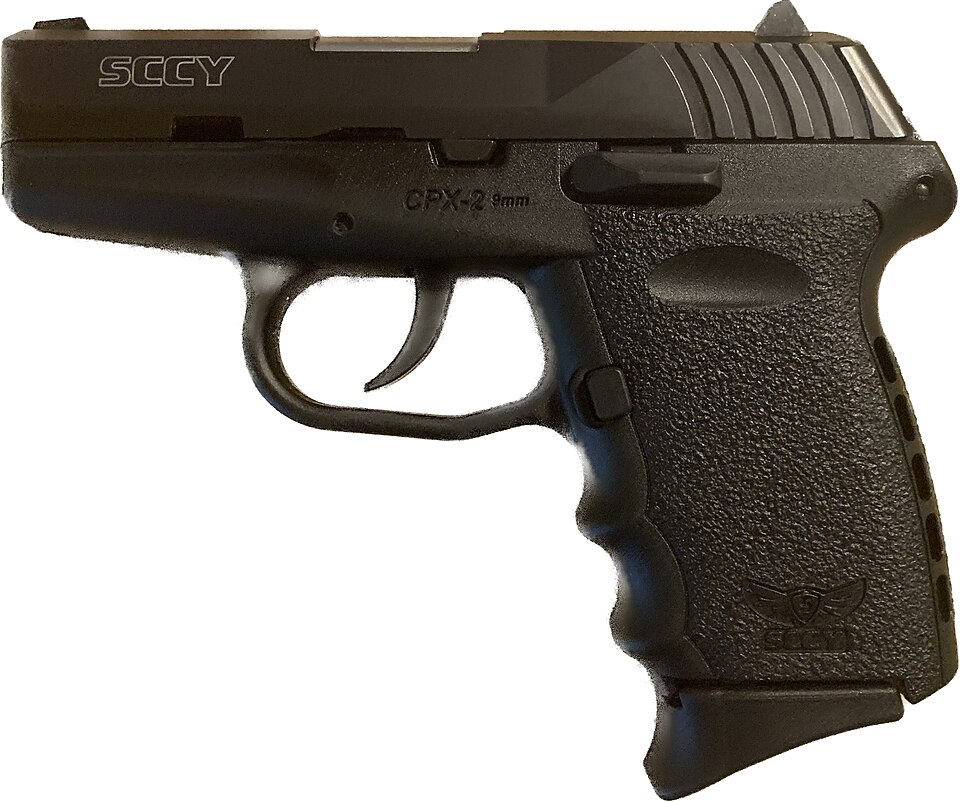
The CPX-2 drew interest because it offered a compact 9mm format with broad availability. What kept it controversial was inconsistency. Some owners reported serviceable results after break-in, while others continued to see feeding problems and light strikes. That split is one reason magazine and spring inspection matter so much in diagnostic work; recurring stoppages often point to worn feeding components or marginal timing. With the CPX-2, the larger issue was that too many examples seemed to require troubleshooting before trust could begin.
9. Colt All American 2000
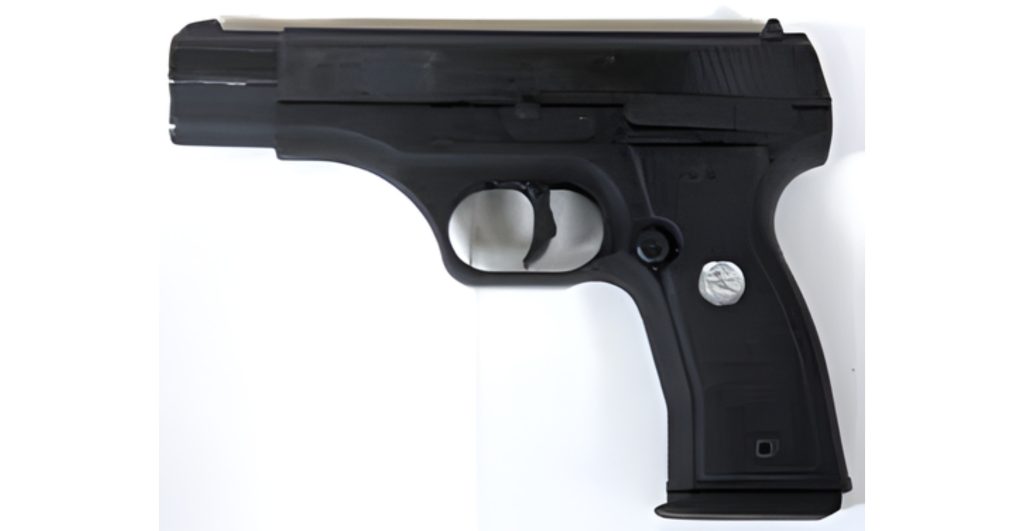
The All American 2000 had serious design pedigree behind it, which made its failure more notable. It looked like a modern leap for Colt at a time when the market was changing fast. Instead, it became known for a heavy trigger, weak practical accuracy, reliability complaints, and a drop-fire defect that led to a recall. Historian Rick Sapp called it one of the “most embarrassing product failures in company history.” That line endured because the pistol showed how much can go wrong when inventive engineering meets compromised execution.
10. Raven MP-25
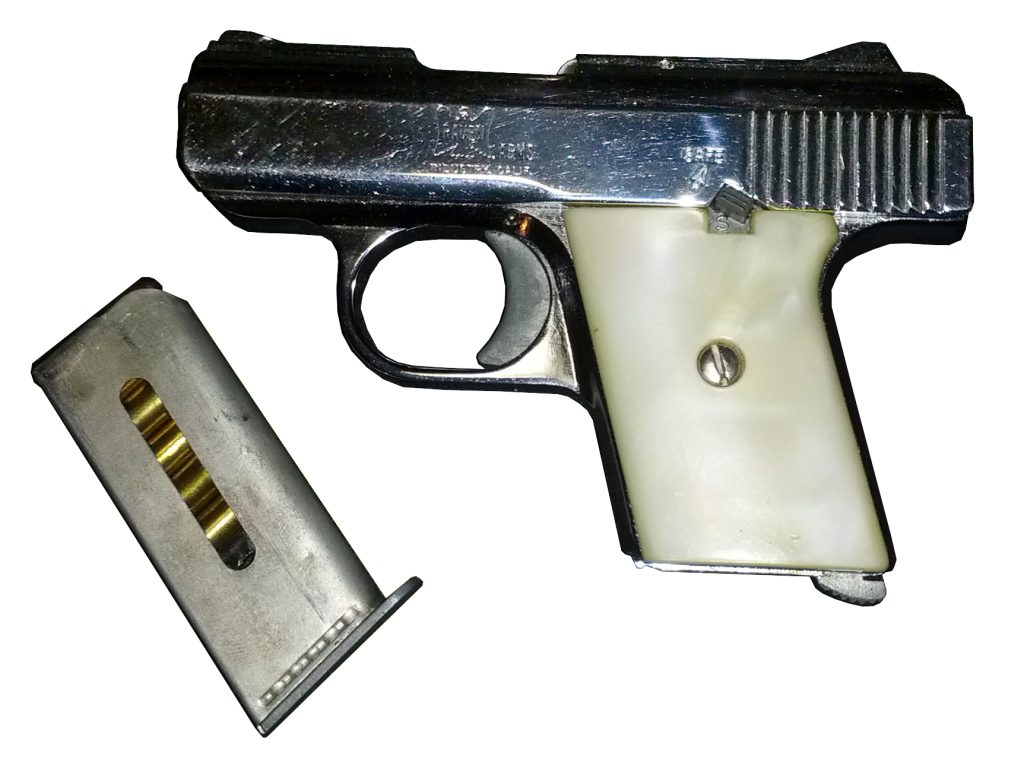
The Raven MP-25 was built for mass-market simplicity, using a zinc-alloy blowback layout in .25 ACP. It was widely distributed and easy to find for years. Its reputation never rose much above basic function. Reliability complaints, minimal sights, and the absence of a slide lock limited confidence in the design. The MP-25 was not a pistol known for refined engineering margins; it was known for being available. Those are not the same thing. Reliability is not a luxury feature.
It is the standard by which every handgun is eventually judged, whether the pistol is meant for range use, collecting, or daily carry. These ten models remain useful examples because they show the same recurring lessons from different angles: ambitious designs still need testing, compact pistols can become ammunition-sensitive, and neglected components such as springs, extractors, and magazines can expose weak platforms quickly. For shooters evaluating any handgun, a dependable track record matters more than novelty, styling, or a compelling backstory.


