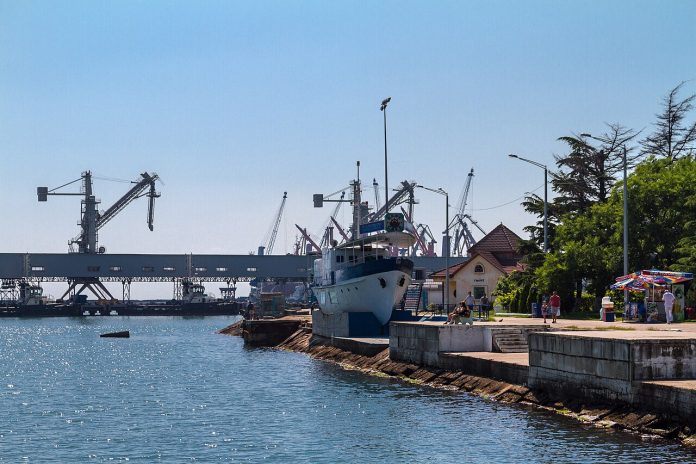
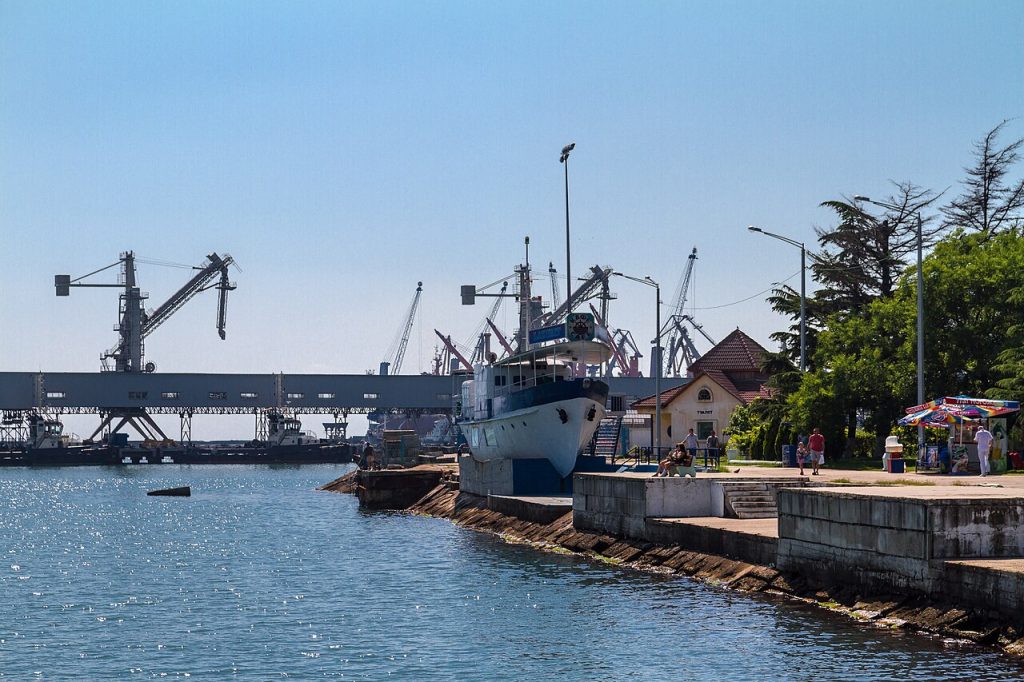
Strikes on fuel infrastructure do more than damage storage tanks and loading gear. They test whether a modern state can keep exports moving, protect critical nodes far from the front, and absorb repeated disruption without losing strategic flexibility.
The Tuapse oil terminal attack became a sharp example of that pressure. Rather than treating it as an isolated incident, the more useful view is to read it as a case study in how long-range drones, industrial vulnerability, and export dependence now intersect.
1. Export terminals are strategic targets, not just commercial facilities
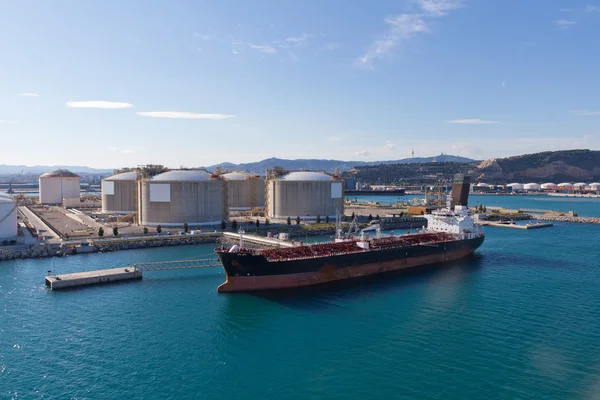
Tuapse mattered because it was more than a local port. The terminal handled up to seven million tons annually and served as a Black Sea outlet for Russian petroleum flows, linking refining and marine export functions in one place. A strike on that kind of hub can interrupt loading schedules, force tankers to wait offshore, and create delays that spread beyond a single berth or pipeline.
2. Physical disruption can do what paper sanctions often cannot
One of the clearest lessons is the difference between legal pressure and direct infrastructure loss. Research from the Baker Institute described 272 discrete strike events on Russian energy infrastructure through February 2026, framing them as a form of “kinetic” pressure. Shell companies, reflagged tankers, and discount trading can help move sanctioned oil, but damaged pipelines, disabled loading points, and shuttered processing units are slower and costlier to replace.
3. The campaign is aimed at the whole energy chain
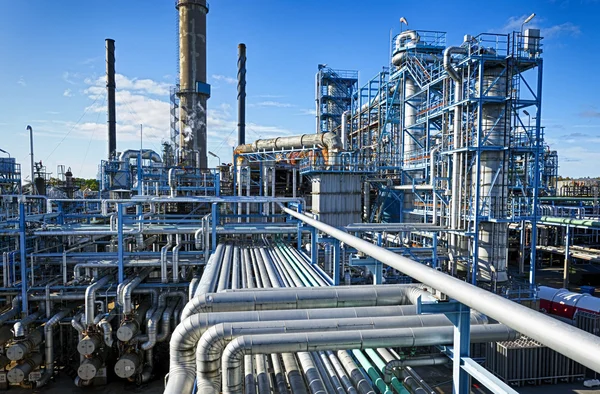
Tuapse fit a broader pattern that goes well beyond refineries alone. Ukrainian strikes have touched storage sites, pumping stations, ports, and fuel support facilities, indicating an effects-based approach against the entire oil system. That matters because a country can keep producing crude while still losing value if it cannot refine, store, or ship products efficiently.
4. Long-range strike technology has changed the map
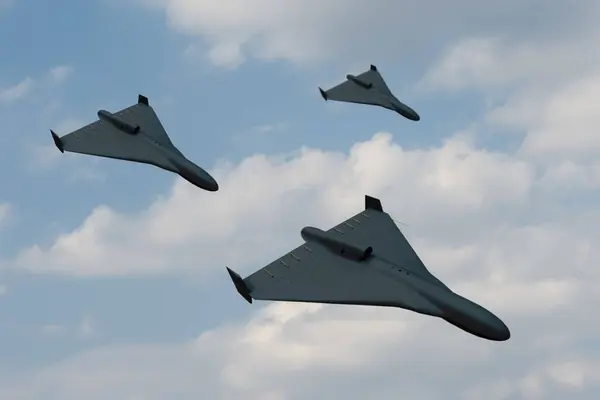
Deep-rear infrastructure can no longer assume distance equals safety. Analysts cited Ukrainian systems with ranges reaching up to 2,000 kilometers, while later operations showed that indigenous missiles and drones can threaten strategic targets well beyond border regions. That shift compresses the gap between tactical drone warfare and strategic industrial warfare.
5. Repeated attacks matter more than one-off damage
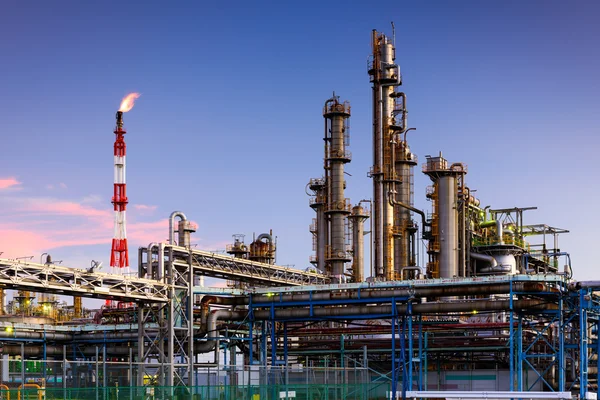
A large refining system can survive individual hits, especially when it has legacy redundancy and emergency repair capacity. The longer-term issue is accumulation. Tatiana Mitrova of Columbia University’s Center on Global Energy Policy said, “It might take years before the result becomes really visible,” while adding that the process of exhausting Russian refining potential “really started already.” That captures the logic behind revisiting the same facilities and forcing repeated repair cycles.
6. Product exports are the pressure point to watch
Crude exports can remain comparatively steady even when the system is under strain. What changed more noticeably was the refined-product side. The Baker Institute noted a widening split in which crude flows held up better while product exports declined, signaling that damaged refining capacity was pushing more oil outward in raw form and reducing higher-value output. For a state that relies heavily on petroleum income, that is a meaningful shift in revenue quality, not just volume.
7. Air defense faces a volume problem, not just a detection problem
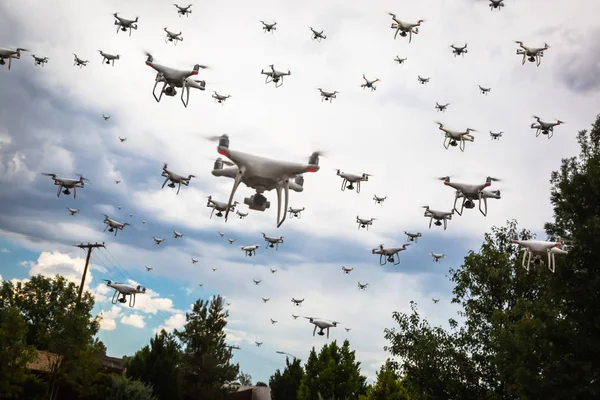
Facilities such as Tuapse are difficult to protect because the challenge is not limited to finding drones. It is also about handling enough incoming targets at once. Analysis of massed drone warfare showed that even advanced defenses can be saturated when attackers use simultaneous, low-cost waves, with roughly 10 to 20 percent of munitions sometimes penetrating in high-volume attacks. That economic imbalance favors the side launching cheaper systems against fixed industrial assets.
8. Environmental damage now sits inside the strategic equation
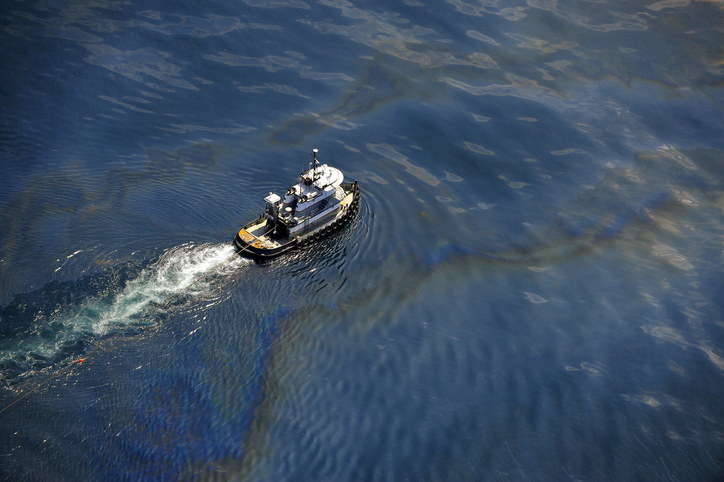
The Tuapse strike was not only an industrial disruption. Satellite analysis identified a 3.6-kilometer oil slick in the Black Sea after the attack. That adds cleanup burdens, maritime risk, and reputational costs to the direct operational damage. Energy warfare increasingly creates overlapping logistical and ecological consequences at the same site.
9. Infrastructure concentration creates single points of failure
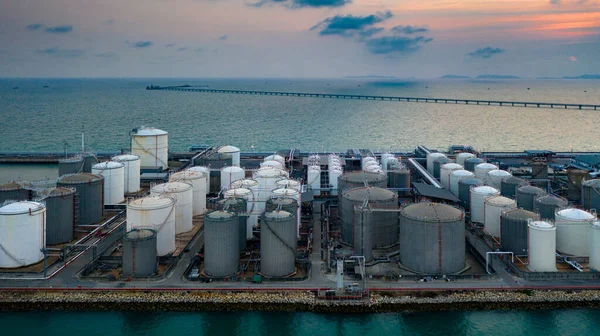
Oil systems were built for throughput and efficiency, not for survival under persistent drone attack. Terminals, tank farms, berths, and pipeline interfaces are often clustered tightly, which means a small number of successful hits can trigger wider shutdowns. Tuapse illustrated how a localized strike can interfere with shipping, processing, and port activity at the same time. That architecture, common across global energy hubs, now looks like a structural weakness.
10. Other countries are studying this playbook closely
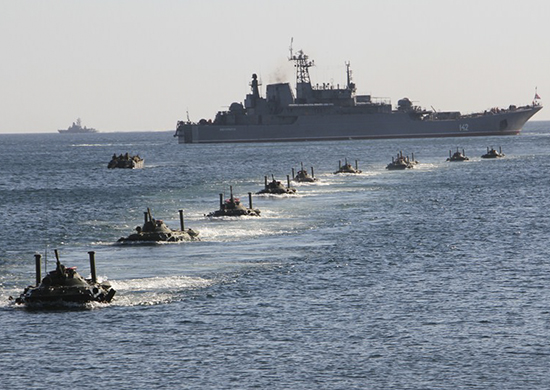
The strategic lesson reaches beyond the Black Sea. The Baker Institute argued that Ukraine has shown how a smaller state can build scalable long-range strike power and hold strategic infrastructure at risk without matching a larger rival platform for platform. For defense planners and energy operators elsewhere, the takeaway is straightforward: fixed industrial assets are now part of the front line, even when they sit far from combat zones.
Tuapse was one terminal, but the implications extend much further. It demonstrated how export dependence, fixed infrastructure, and inexpensive precision strike systems can combine to create sustained pressure on a much larger energy network. That is why the attack stands out. It was not simply a hit on a port; it was a demonstration of how modern industrial warfare is increasingly fought through pipelines, loading berths, storage capacity, and the ability to repair faster than the next strike arrives.


