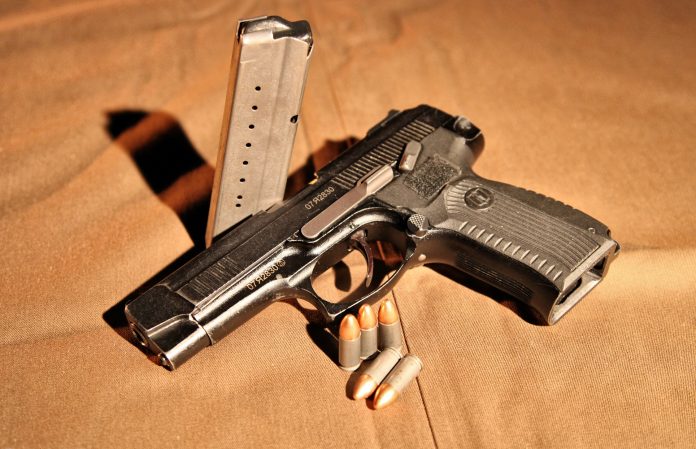
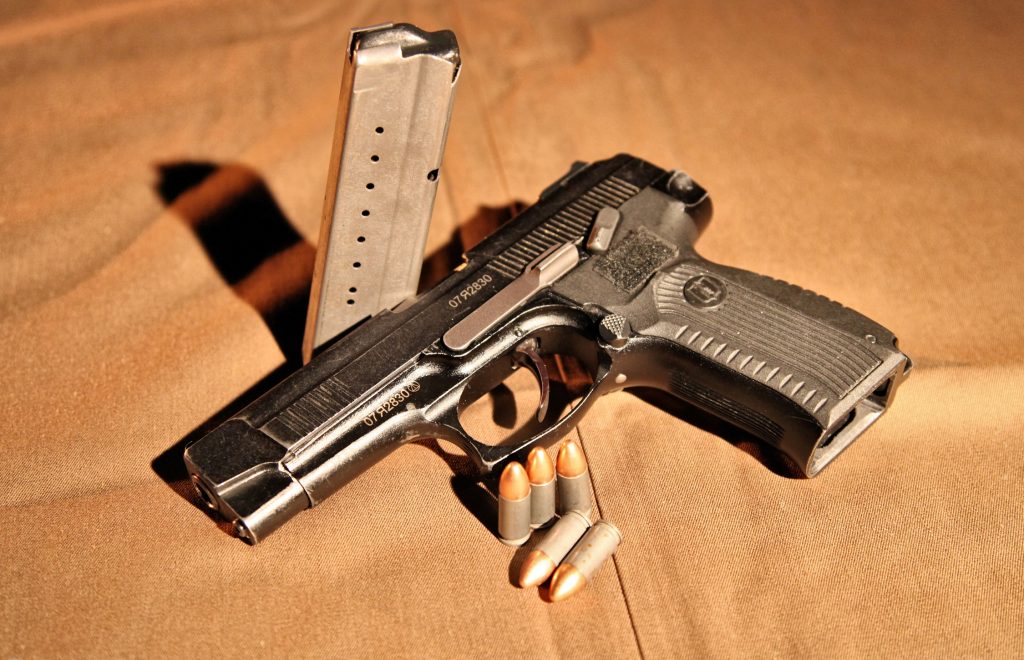
The modern 9mm pistol did not emerge from one workshop or one era. It was assembled piece by piece through a long chain of engineering decisions about capacity, safety, weight, reliability, and handling.
Some of those decisions became standards. Others became warnings. Together, these pistols built the template that still defines duty guns, carry guns, and range pistols now.
1. Glock 19
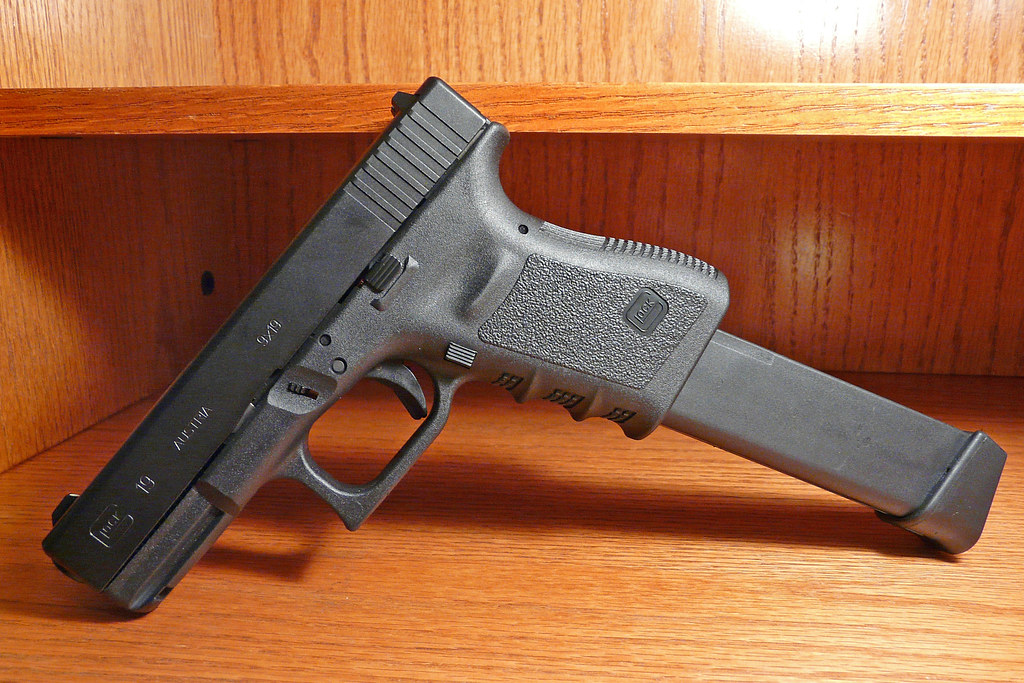
The Glock 19 became the benchmark for the “one-pistol” idea: compact enough for regular carry, large enough for serious training, and simple enough to operate without a long learning curve. Its influence rests less on raw innovation than on packaging. It brought together a practical size, consistent trigger behavior, and broad magazine compatibility in a format many later designs chased.
Its larger design lesson was the normalization of passive safeties. The pistol’s trigger safety, firing pin safety, and drop safety reflected the same internal logic that helped make striker-fired systems dominant across the market.
2. Browning Hi-Power
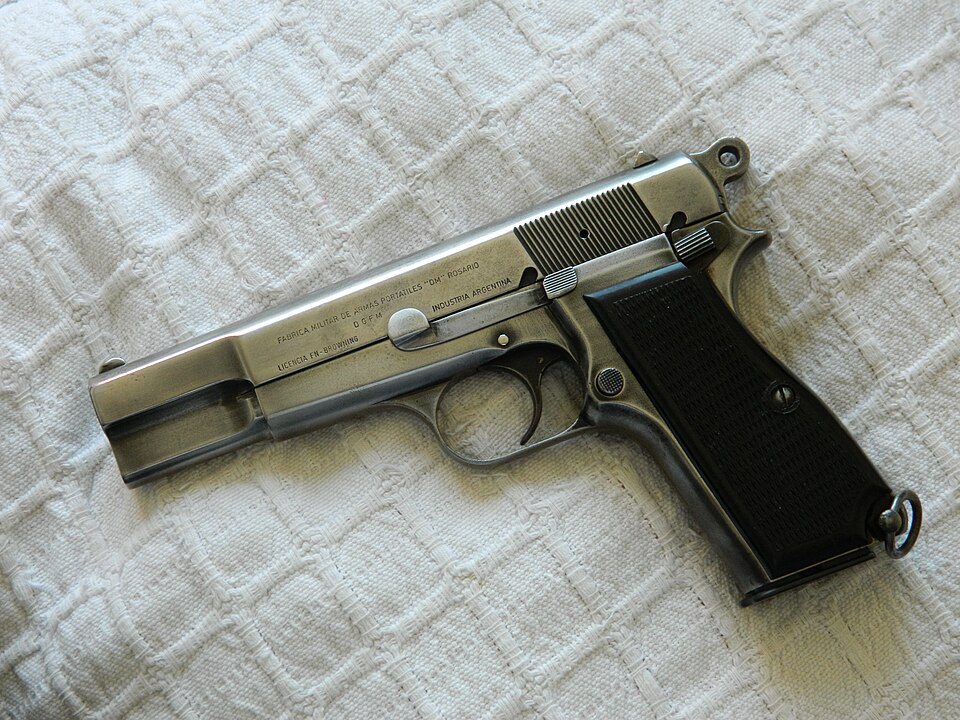
The Hi-Power arrived decades before “high-capacity 9mm” became standard language, yet it already carried the concept in its bones. FN named it for its 13-round magazine capacity, a figure that stood far above many service pistols of its time. That alone changed expectations for what a full-size sidearm could hold without becoming awkward in the hand.
The design also carried lasting mechanical influence. It used a short-recoil system refined from Browning’s earlier work, while its magazine disconnect and single-action manual of arms kept safety design at the center of the platform’s identity. Just as important, it proved durable enough to remain in service across decades and continents, giving later pistol makers a clear signal that shooters would accept higher capacity if the handling stayed clean.
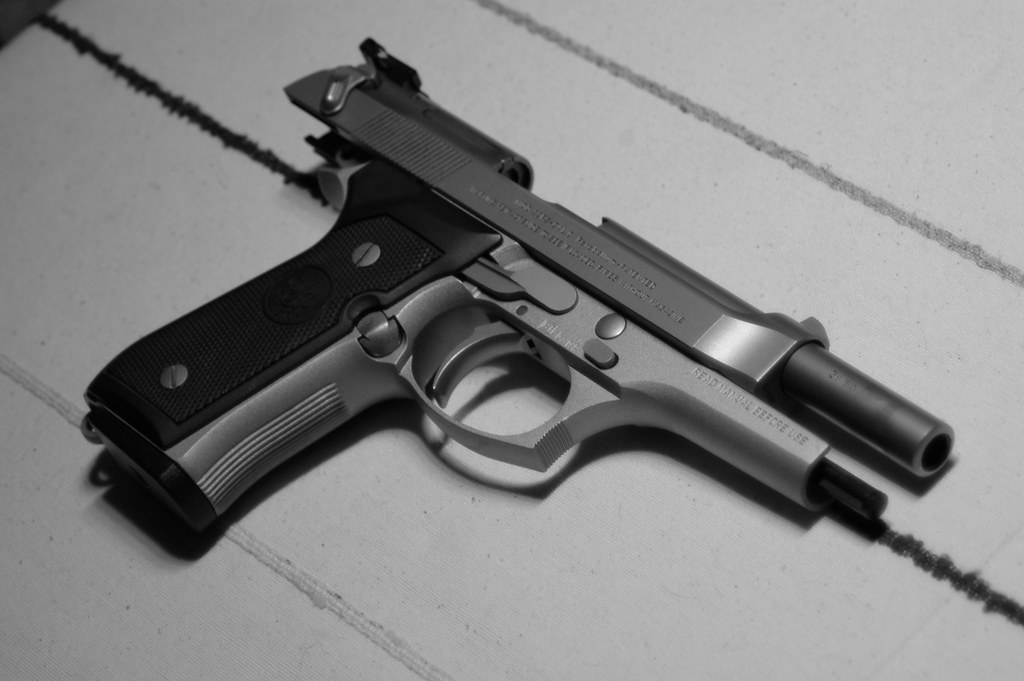
3. Beretta 92FS/M9
The Beretta 92 family turned smooth cycling into part of its reputation. Its open-slide layout, full-size metal frame, and double-stack magazine gave it a shooting character that many users described as easy to run quickly and accurately.
Its real industry footprint came from service use. The U.S. military adopted the M9 in 1985, placing a double-action/single-action 9mm into one of the most visible institutional roles in the world. That choice helped cement the decocker-and-first-shot-double-action format as a mainstream duty-pistol solution for a generation.
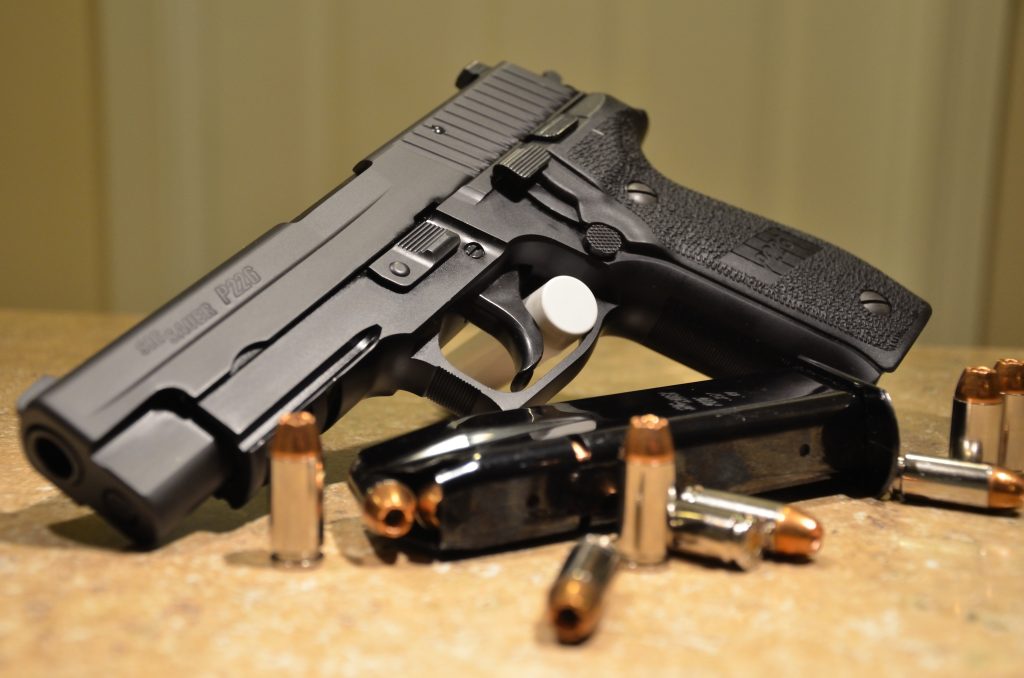
4. SIG Sauer P226
The P226 earned its reputation through refinement rather than flash. It offered accuracy, a robust locked-breech system, and a decocking lever that made administrative handling more controlled than manually lowering a hammer.
That decocking layout mattered. It helped standardize a manual of arms built around loading, decocking, holstering, and accepting a deliberate first trigger press, a pattern that became deeply associated with late-20th-century service pistols.
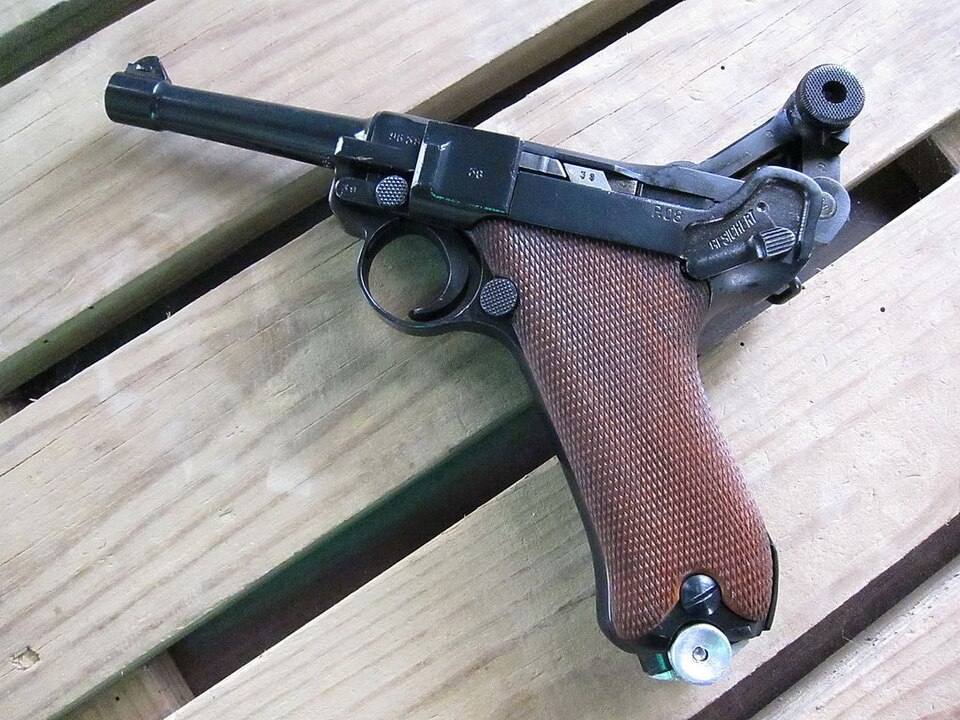
5. Luger P08
The Luger P08 remains tied to the cartridge itself. Georg Luger’s development work produced 9×19mm Parabellum in 1901, and that fact alone gives the pistol a permanent place in handgun history.
Its toggle-lock mechanism was mechanically distinctive, but its larger legacy was strategic: it launched the cartridge that would eventually become the global baseline for service and defensive handguns.
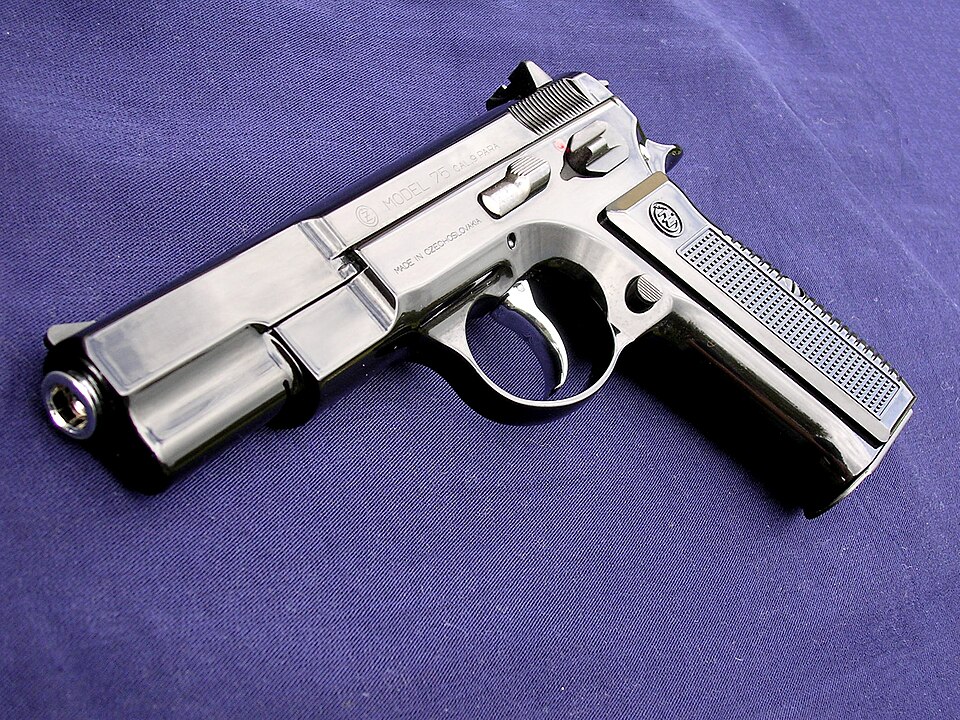
6. CZ 75
The CZ 75 became one of the clearest examples of a pistol winning followers through feel. Its grip shape, low slide profile, and slide-in-frame arrangement created a shooting experience that many later users associated with control and accuracy.
It also kept multiple carry philosophies alive at once. The design could support a double-action first shot or cocked-and-locked carry, which gave it unusual flexibility and helped explain why so many variants and descendants followed.
7. Glock 17
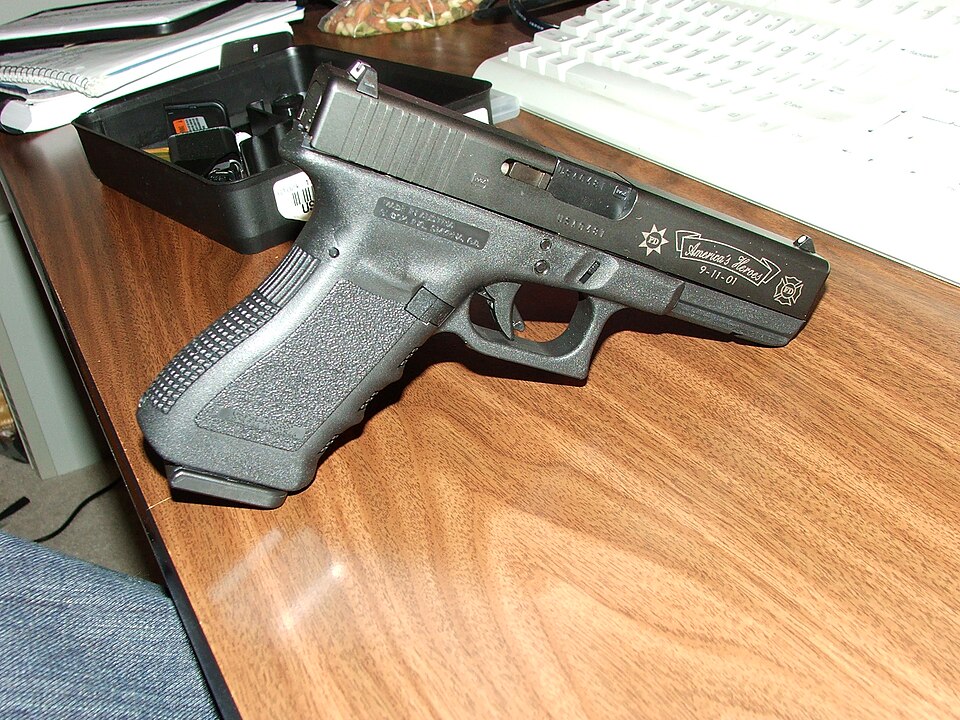
The Glock 17 changed expectations more dramatically than almost any modern service pistol. The Austrian military adopted the P80 prototype in 1982, and the commercial Glock 17 followed with a 17-round magazine, polymer frame, and stripped-down control layout. Those ingredients are now so common that it is easy to forget how disruptive they looked at the time.
Its “Safe Action” system pushed the market toward internal safeties and away from heavy external controls, while its low weight and simplified parts count showed that a service pistol did not need to be all steel to survive hard use. Much of today’s striker-fired market still follows that blueprint.
8. Colt 1911 in 9mm
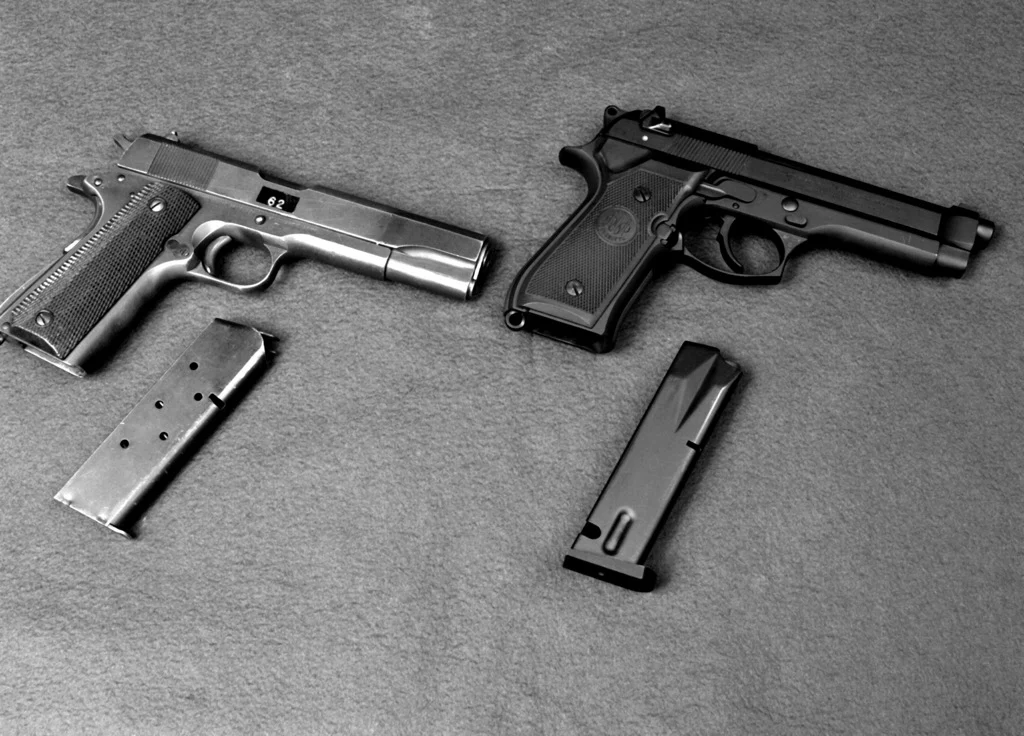
The 1911 did not begin as a 9mm design, but its 9mm versions reveal why the platform still matters in this conversation. In that chambering, the pistol preserves its slim profile, straight-to-the-rear trigger, and familiar thumb safety while producing a softer shooting cycle than its traditional .45 ACP form.
Its long-term contribution is the concept of layered external safeties around a single-action trigger. The grip safety and thumb safety combination remains one of the clearest examples of an intent-driven control scheme.
9. Smith & Wesson M&P Shield
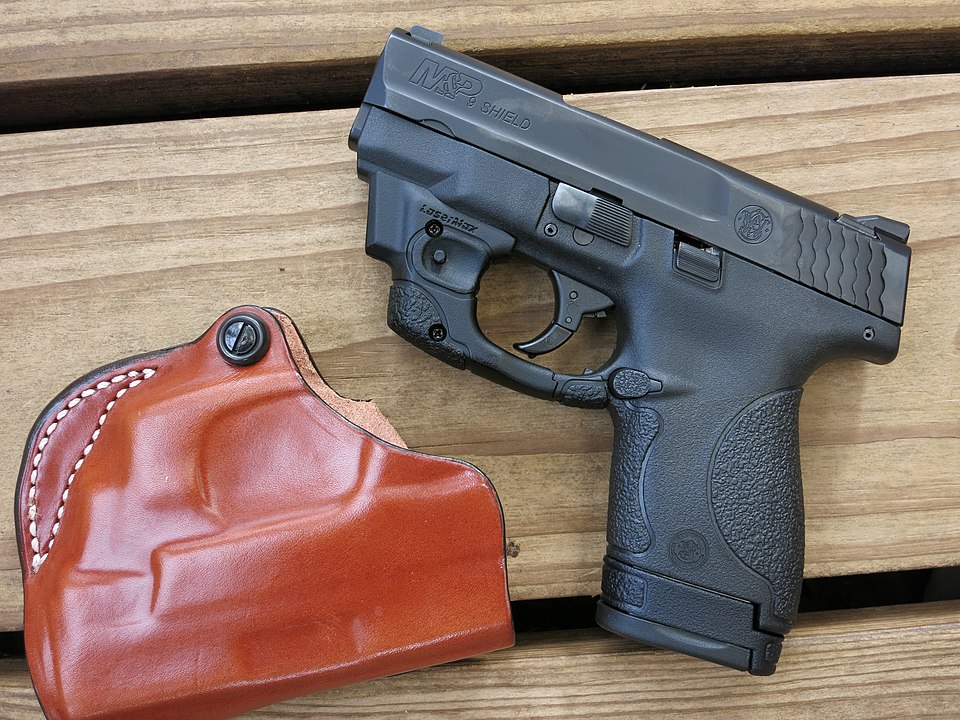
The Shield helped reset expectations for concealment-focused 9mm pistols. It showed that a thin handgun did not have to become unpleasant or overly compromised just to disappear under light clothing.
Its influence reached beyond size. The pistol reflected the industry’s move toward compact carry guns built around internal safeties and firing pin blocks, with fewer protruding controls and a more uniform draw-to-shot sequence.
10. Heckler & Koch VP70
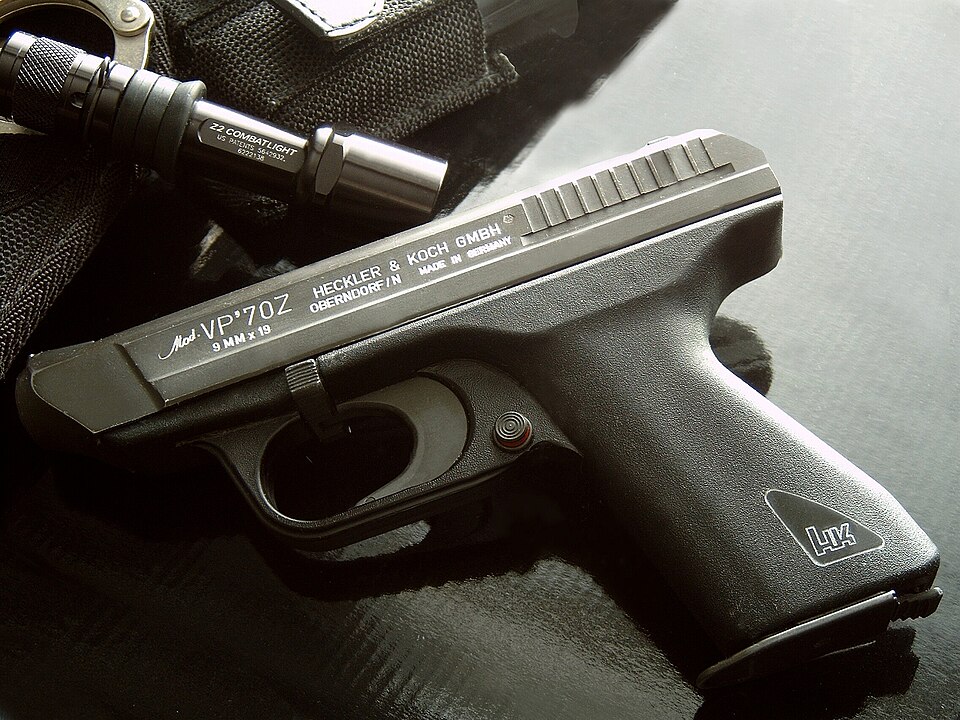
The VP70 rarely appears at the top of favorite-pistol lists, but its place in design history is secure. It was an early polymer-framed handgun long before polymer became the dominant material in service pistols.
That early experiment mattered even if the execution never became universally admired. Once polymer had been proven workable in a real handgun, the door opened for lighter frames, higher-capacity formats, and production methods that later manufacturers would refine into mainstream success.
These pistols do not point to one “correct” answer. Some favored single-action triggers, others double-action systems, and others stripped controls down to the minimum.
What links them is influence. Each one solved a design problem in a way the rest of the handgun world could not ignore, and the modern 9mm remains a running record of those solutions.


