
Some rifles print neat clusters with almost boring regularity, while others scatter shots even when the shooter does everything right. The difference usually is not magic, and it is rarely one single part acting alone.
In precision rifles, tight groups come from repeatability. The barrel has to guide the bullet the same way every time, and the ammunition has to enter, travel, and exit under the same conditions shot after shot. That is why barrel design, chamber geometry, harmonics, and load details matter so much.
1. A Free-Floated Barrel Reduces Outside Influence
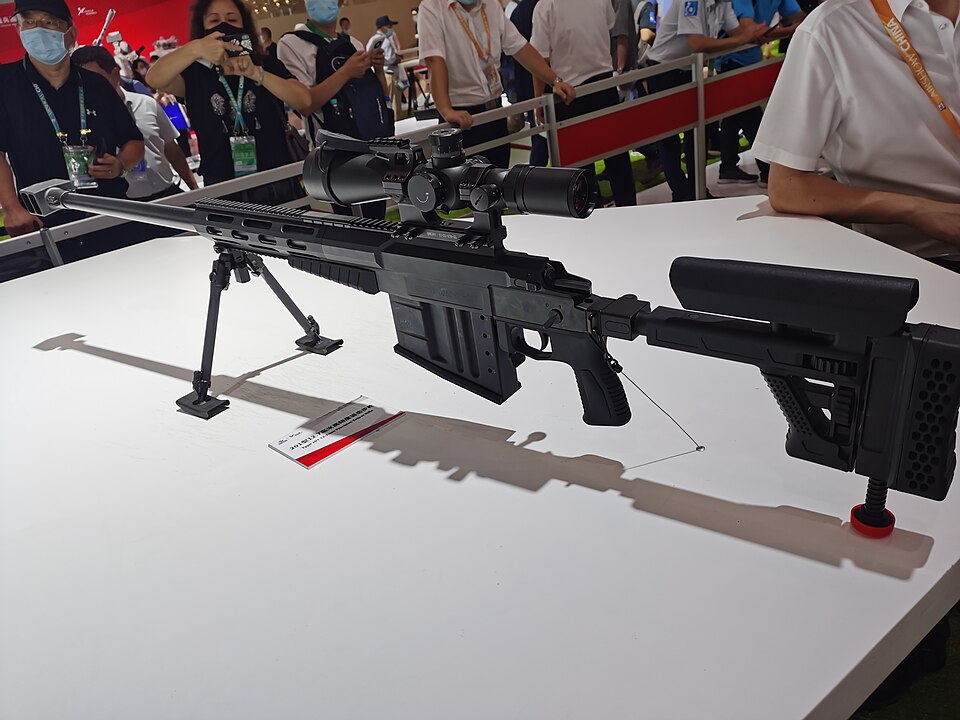
A barrel tends to group better when it is allowed to vibrate the same way from shot to shot. In a free-floating barrel setup, the barrel does not touch the stock along its length, which reduces shifting pressure points that can alter point of impact.
That matters because stock contact can change as temperature, humidity, sling pressure, or bipod loading changes. If the fore-end presses the barrel differently from one shot to the next, the rifle’s vibration pattern changes too. Precision rifles avoid that variable so the barrel can return to a more consistent motion during firing.
2. Barrel Harmonics Decide Whether Groups Stay Tight
Every fired shot makes the barrel whip, twist, and oscillate. Tight groups appear when those motions are repeatable, not when the barrel stays perfectly still. As described in barrel harmonics, the key is sending each bullet out of the muzzle during the same phase of that movement.
This is one reason a rifle can be selective about ammunition. A small change in powder charge or bullet seating depth changes timing inside the barrel. If that timing shifts the bullet’s exit to a less stable moment in the vibration cycle, groups open up. If it aligns with a more repeatable muzzle condition, groups shrink quickly.
3. Bore Uniformity Matters More Than a Nominal Diameter
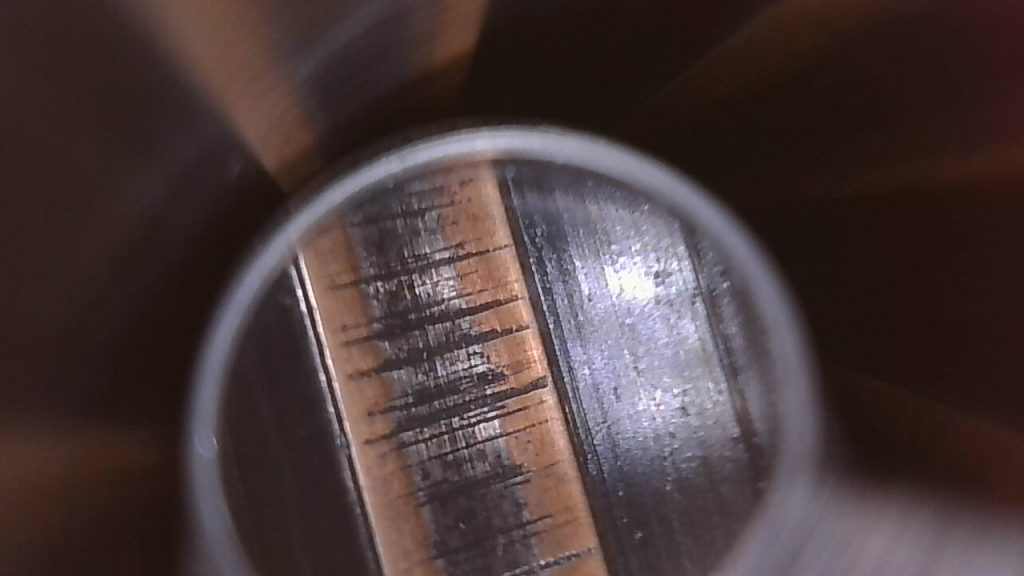
A precise barrel needs internal consistency from chamber to muzzle. Straightness, uniform rifling geometry, and a smooth interior finish all help the bullet stay centered and engraved evenly as it travels down the bore.
According to Lilja’s technical discussion of uniformity of the rifling geometry, variation in land width, groove depth, or finish can degrade accuracy. Rough internal surfaces also foul faster, and fouling changes the bore condition over time. A barrel does not need one magical dimension to shoot well, but it does need dimensions that stay consistent end to end.
4. The Throat Starts the Bullet’s Journey
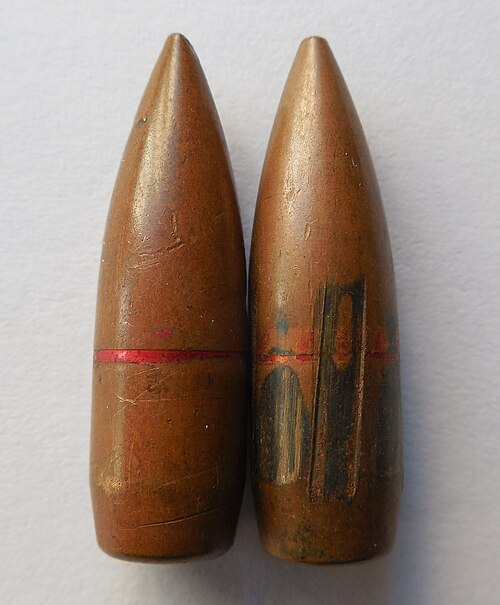
The throat is one of the most consequential areas in the rifle. It is where the bullet leaves the case and begins entering the rifling, so any misalignment there is carried downrange.
If the throat is not straight and concentric to the bore, the bullet can start slightly tipped or deformed. That creates yaw before the bullet even reaches the muzzle. Lilja notes that throat fit is especially important because the bullet must enter the rifling straight; otherwise, it can leave the barrel rotating around an off-center balance point rather than the bore’s centerline.
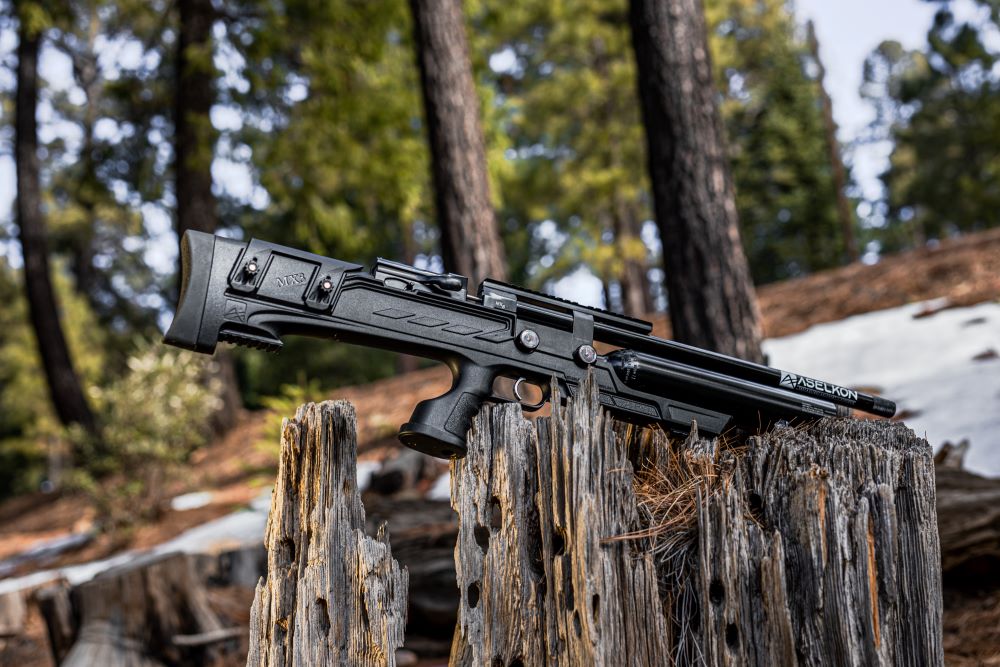
5. Chamber Fit and Concentricity Control Alignment
A rifle that shoots tiny groups usually has a chamber cut true to the bore and fitted carefully to the action. That relationship affects how centered the cartridge sits before ignition and how squarely the bullet begins its trip.
Bryant Custom emphasizes that the chamber has to be absolutely concentric and parallel to the centerline of the bore. An oversized or poorly aligned chamber allows the cartridge to lie off-center, which can send the bullet into the rifling at an angle. Even a quality barrel can lose accuracy if the chambering and installation work are careless.
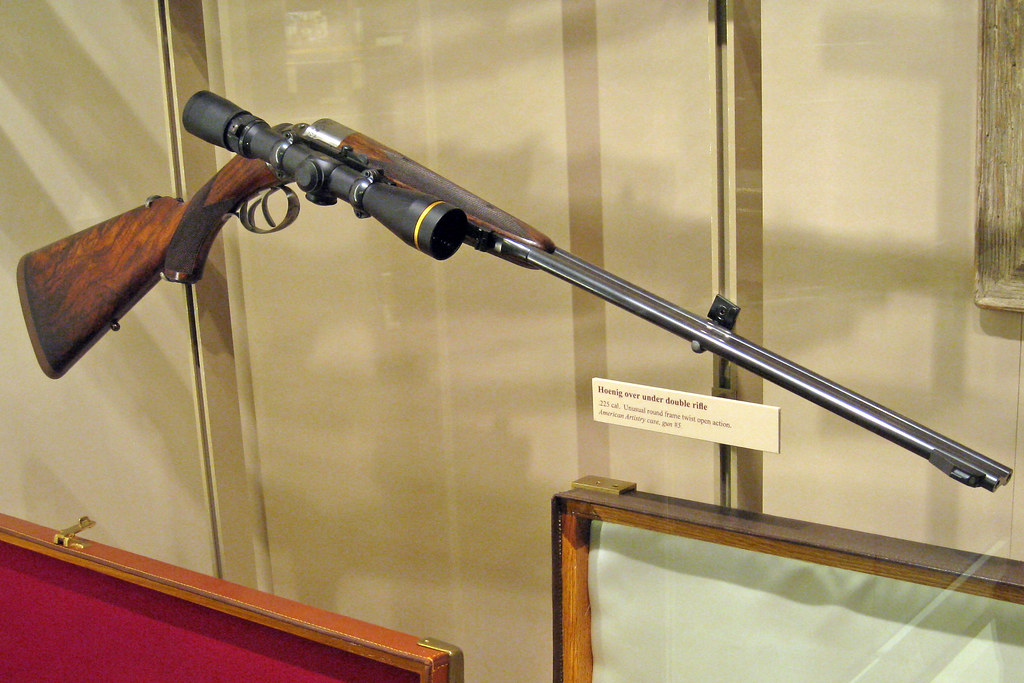
6. Twist Rate Has to Match the Bullet
Rifling twist is not just a specification on a barrel label. It directly affects how well a bullet is stabilized and how uniformly it is supported during travel through the bore.
A proper twist rate works with the bullet’s length, shape, and velocity. Lilja’s analysis also points out that a uniform twist rate is crucial. If the twist varies in the wrong direction, the bullet can lose support inside the barrel, increasing yaw and enlarging groups. A barrel and bullet combination that matches well often looks “easy” on paper because stability is being handled correctly from the start.
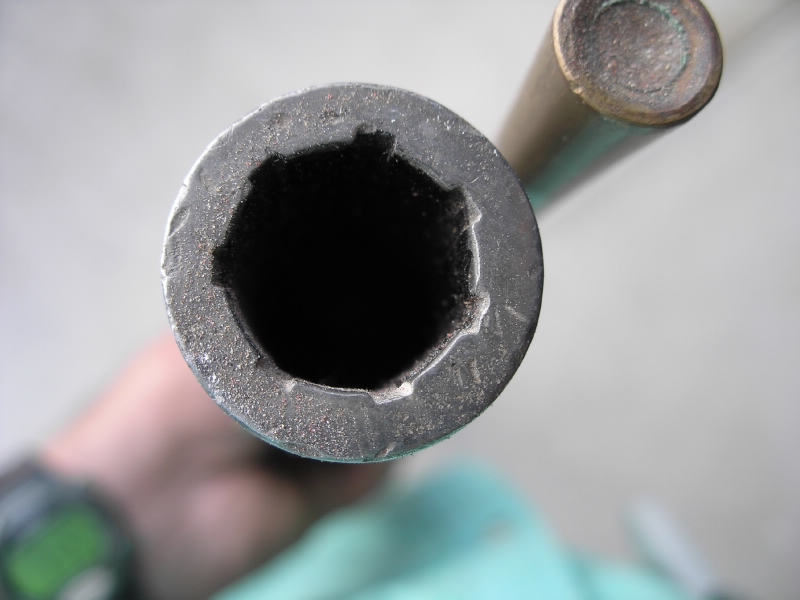
7. Crown Quality Shapes the Exit
The muzzle crown is the last surface that influences the bullet. If gas escapes unevenly because of burrs, nicks, or an irregular crown, the bullet can be disturbed at the worst possible moment.
This is why rifles with otherwise good barrels sometimes refuse to group until crown damage is corrected. Multiple gunsmithing references agree on the same basic point: the exact crown style matters less than symmetry. The bullet has to leave with even gas release around its base.

8. Barrel Stiffness Helps Keep Movement Predictable
Barrel contour and length affect how dramatically the tube moves during firing. In general, a shorter, thicker barrel is stiffer and tends to show less extreme whip than a long, thin one.
That does not mean every heavy barrel is automatically accurate. It means stiffness makes the system easier to tune and less sensitive to disturbance. The internal discussion in Lilja’s barrel article notes that a barrel too long for its diameter is not rigid, which is why heavy-contour precision barrels remain common on rifles built for group shooting rather than easy carry.
9. Heat and Residual Stress Can Make Groups Walk
Some rifles shoot a good first group and then begin drifting as the barrel warms. That behavior often points to stress in the steel or changing contact pressures as temperature rises.
Residual stress can show up when a barrel heats during firing, causing slight movement that changes where it is “looking.” Mass-produced barrels can be especially vulnerable if manufacturing stress has not been controlled well. Heat also magnifies stock-contact issues, which is another reason precision setups often combine stress-relieved barrels with free-floated designs.
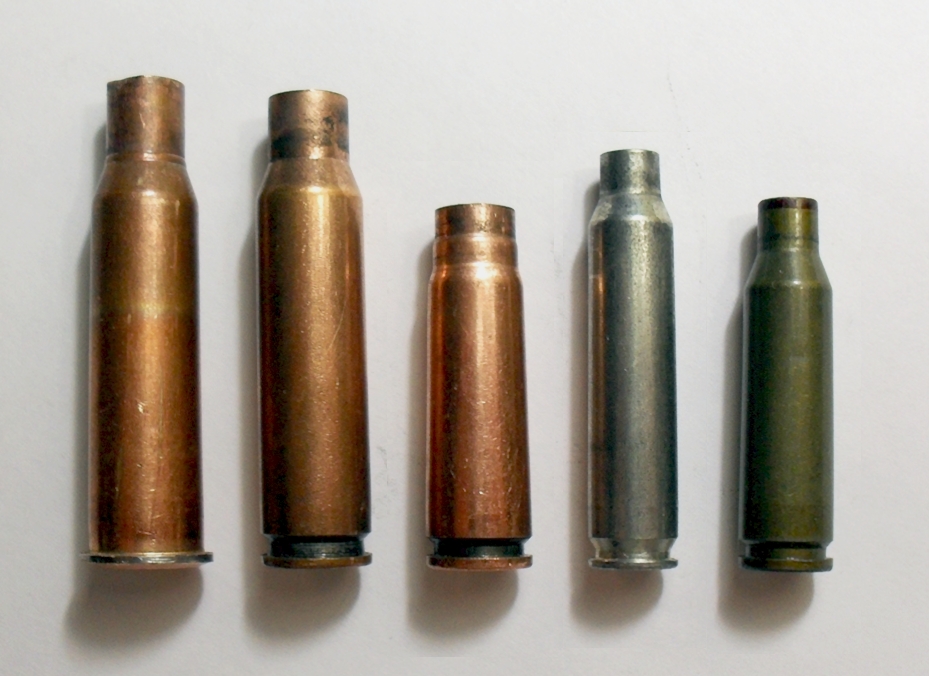
10. Ammunition Tuning Often Separates Good Groups From Great Ones
Even with an excellent barrel, ammunition has to match the rifle. Powder charge, bullet seating depth, case fit, and bullet design all influence the timing and pressure behavior that determine harmonics.
This is where many tight-group rifles reveal their preferences. A load change as small as 0.1 or 0.2 grains, noted in the harmonic discussion at Gun Digest, can alter group size dramatically because it changes when the bullet exits relative to the barrel’s vibration cycle. That is also why one rifle may favor a certain factory load while another rifle of the same chambering does not.
Tight groups come from a chain of consistency, not a single miracle feature. The barrel must be straight, uniform, stress-controlled, and properly installed, while the ammunition must fit that barrel’s timing and geometry.
When those factors line up, the result is simple to see on paper: less dispersion, less unexplained drift, and a rifle that repeats its performance instead of occasionally stumbling into it.


