
Tight groups rarely disappear for a single dramatic reason. More often, accuracy slips away through a stack of small setup errors that each look harmless on their own but combine into a rifle that suddenly feels unpredictable.
That pattern shows up again and again in precision shooting. A rifle can appear mechanically sound, quality ammunition can be on the bench, and the shooter can still watch groups open from excellent to mediocre because the mounting, cleaning, or test routine introduced inconsistency.
1. Uneven scope screw torque
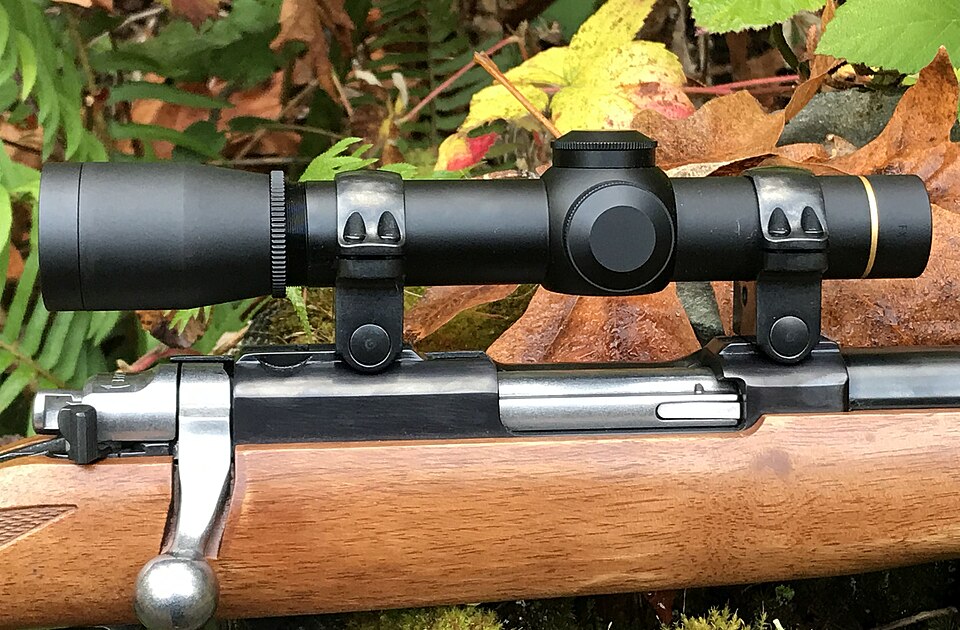
Few setup mistakes cause more confusion than rings or bases tightened by feel alone. Scope hardware uses small fasteners, and the difference between secure and distorted is smaller than many shooters expect. Guidance for common mounts often lands around 15 inch-pounds for ring caps and 20 inch-pounds for base screws, not the aggressive force many shooters apply by hand.
When tension is uneven, the scope tube can be stressed, the reticle can track erratically, and zero can wander under recoil. Under-tightening creates a different problem: the optic may shift just enough to mimic ammunition problems or shooter error. The result on paper is a rifle that never seems to repeat the same answer twice.
2. A scope that is not truly level
A slightly canted reticle does not always announce itself at short range. At distance, it starts to push shots sideways as elevation adjustments are dialed, creating misses that look like wind calls gone wrong. That is one reason scope leveling matters beyond neatness.
Even modest cant can produce left-right bias when adjustments are made, especially as distance increases. A careful mount on a stable bench, with the rifle and optic leveled before final tightening, removes one of the most common hidden causes of vertical corrections turning into diagonal misses. The effect described in crosshairs aren’t perfectly level is small at first and then increasingly hard to ignore.
3. Misaligned rings that bend the scope tube
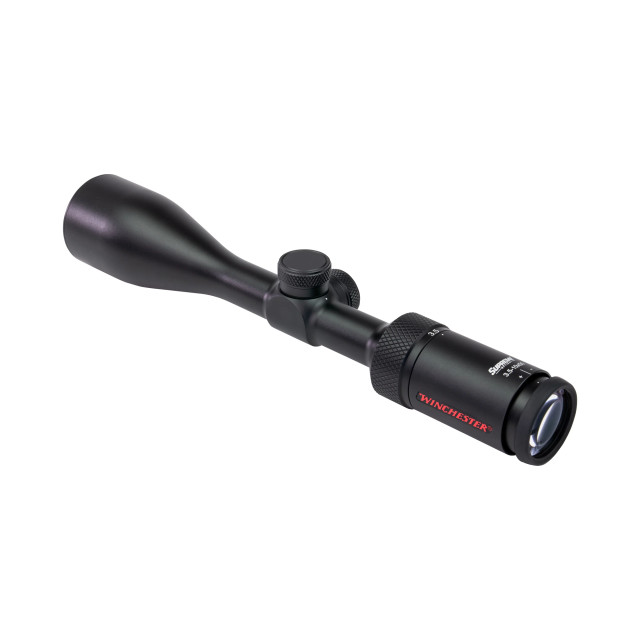
Rings can be the problem even when the screws are torqued correctly. If the front and rear rings are not in line, tightening them forces the scope body to conform to the mount instead of letting it sit naturally. That stress can dent the tube, interfere with internal movement, and produce adjustment behavior that never quite matches the dial.
This kind of setup fault is deceptive because the rifle may still zero. What changes is repeatability. A shooter sees occasional unexplained flyers, sluggish tracking, or groups that expand when nothing else in the system changed. In practical terms, the optic is being treated like a structural member instead of a sighting instrument.

4. Poor eye relief and inconsistent head position
Eye relief problems are usually described as a comfort issue, but they are also an accuracy issue. If the scope sits too far forward or too far back, the shooter starts chasing a full sight picture by moving the head from shot to shot. That changes cheek weld, changes perceived reticle position, and changes how consistently the rifle is aimed.
The same problem appears when scope height does not fit the stock. A mount that is too high can weaken cheek weld, while one that is too low can force the shooter into an awkward position. Repeating the same sight picture matters just as much as repeating the same trigger press.
5. Carbon buildup at the muzzle crown
One of the easiest accuracy killers to overlook sits at the very end of the barrel. Testing on a 6.5 PRC rifle showed five-shot groups that began around 0.50 MOA and opened to 1.50 MOA as carbon built up near the crown with a muzzle brake installed. After the brake was removed and the crown cleaned, the rifle returned to roughly its previous accuracy level.
The important detail was not barrel wear. It was uneven carbon buildup on the crown, which disrupted consistency long before the barrel was anywhere near spent. Brakes and suppressors can accelerate fouling, and that makes crown inspection part of accuracy maintenance rather than an afterthought.
6. Mixing ammunition lots and expecting identical behavior
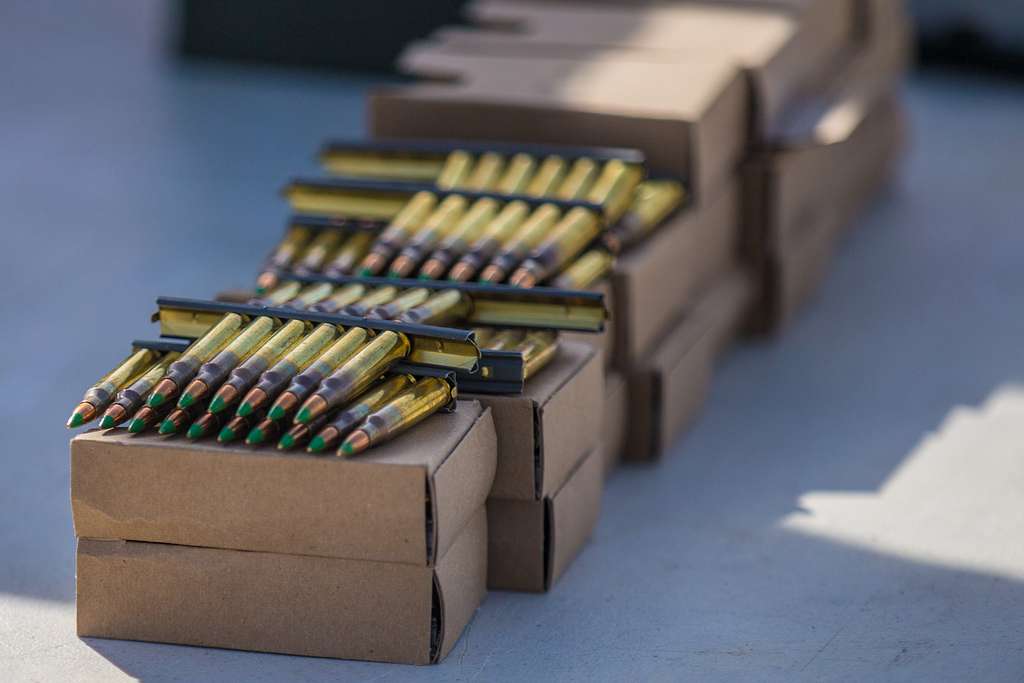
Rifles often react to lot changes more than shooters expect. Rimfire shooters see it most clearly because the cartridge magnifies small production differences, but the principle carries into centerfire as well. A new lot can alter velocity spread, bullet consistency, or ignition characteristics enough to move a good zero or widen a stable group.
That is why precision shooters often keep components grouped by lot when possible. Factory production runs are not perfectly identical, and even subtle changes in setup, raw materials, or machine condition can create measurable differences. The explanation discussed around lot to lot variation is a manufacturing reality, not a mystery unique to one brand or cartridge.
7. Mixing rifles, recoil levels, and ergonomics in one test session
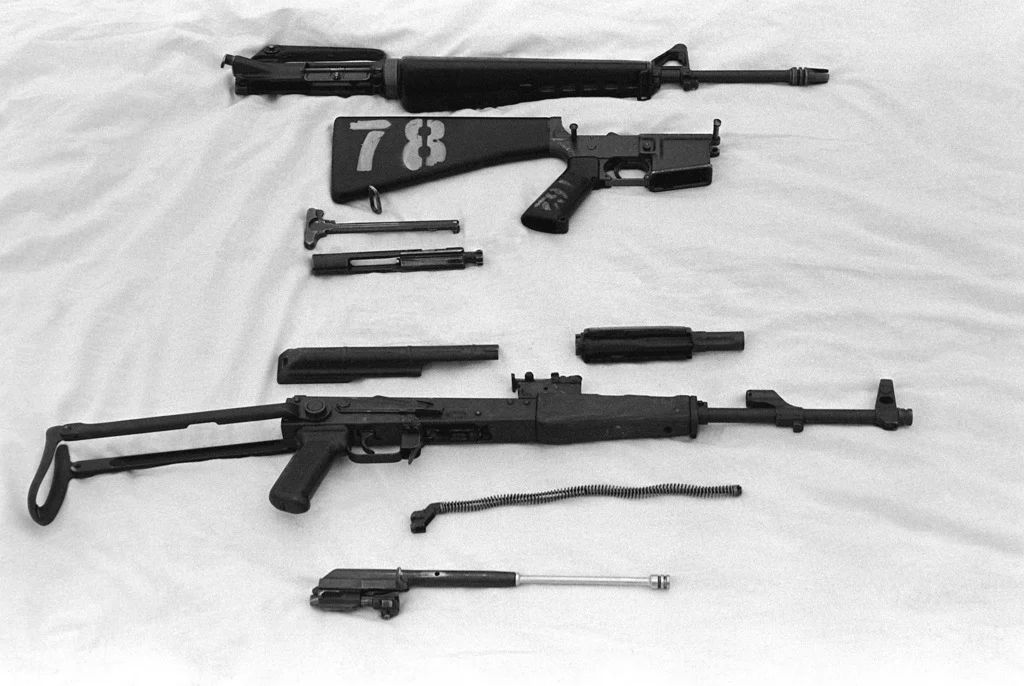
A range day that alternates several rifles can wreck useful accuracy data. Different trigger weights, grip angles, stock geometry, recoil levels, and scope positions change the shooter’s input from gun to gun. A rifle that throws a strange third shot may not be revealing a bad barrel at all; it may be reacting to a shooter who just switched from a lighter setup or a softer caliber.
One experienced view from a discussion of grouping problems pointed directly at different stock configurations, trigger pulls and recoil differences as causes of increased dispersion. That does not excuse mechanical faults, but it does explain why clean testing usually means one rifle, one load, and a consistent firing rhythm.
8. Ignoring action screw torque, bedding, and crown condition
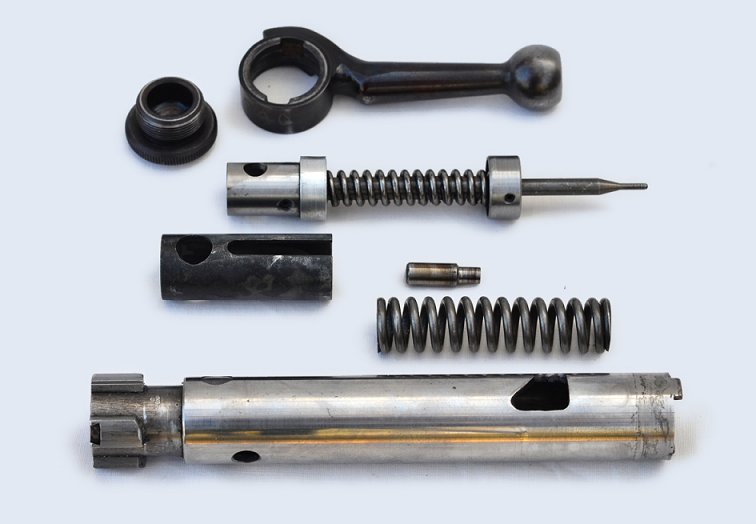
Not every accuracy problem begins at the optic. Loose or uneven action screws can shift how the barreled action sits in the stock, changing harmonics and point of impact. Bedding problems can do the same, especially when the rifle seemed accurate earlier and then became inconsistent without a clear cause.
The crown deserves equal attention. If gas escapes unevenly as the bullet exits, tiny imbalances become large misses downrange. Many shooters chase powder charges and seating depth first, even though a basic mechanical check of screws, bedding contact, and muzzle condition can uncover the real issue faster.
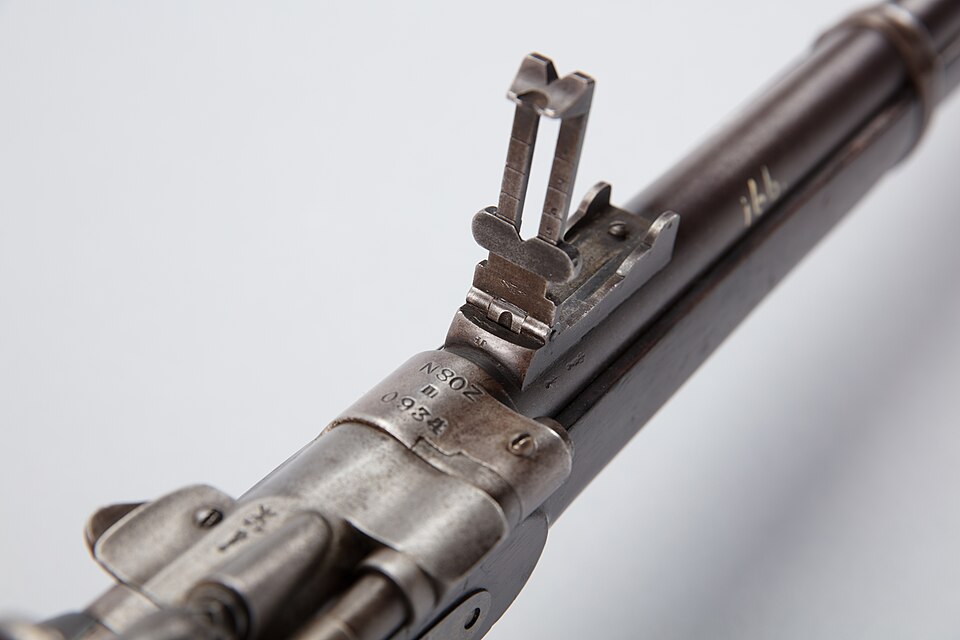
Small setup errors are dangerous because they rarely look dramatic. A rifle still fires, still prints a group, and still tempts the shooter to blame ammunition or technique first.
The most reliable cure is a disciplined baseline: mount the scope correctly, torque everything evenly, verify fit, keep the crown clean, and test one variable at a time. Tight groups usually return the same way they were lost through attention to details too small to notice until they are ignored.


