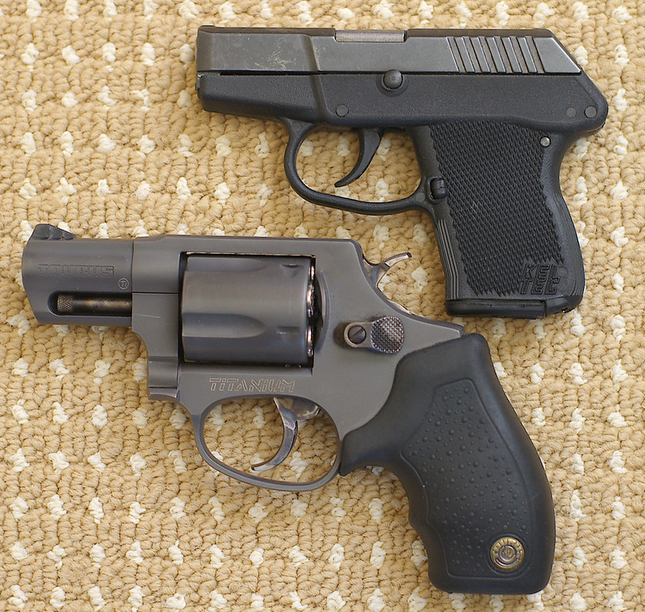
Old revolvers and modern pistols solve different engineering problems, and that difference shows up the moment a shooter presses the trigger. Even when a contemporary semi-auto carries more rounds and lighter weight, many shooters still describe an older steel revolver as calmer, steadier, and easier to place on target.
That impression is not nostalgia alone. It comes from weight, balance, trigger behavior, recoil character, and the way a handgun moves in the hand from shot to shot.
1. Steel weight makes the gun settle down
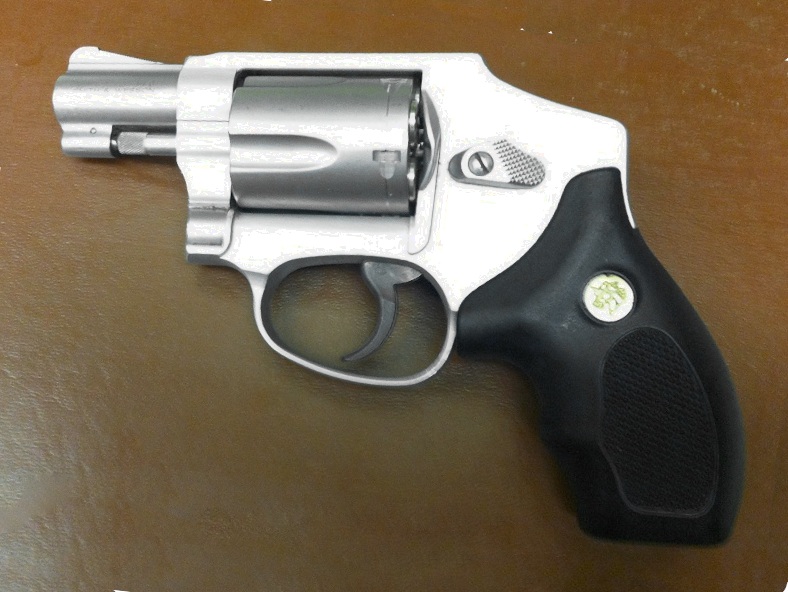
A substantial reason older revolvers feel easy to shoot is simple mass. Heavier handguns move less abruptly in recoil, and they tend to stay steadier during offhand aiming. A broad discussion of firearm handling notes that sufficient weight improves steadiness and helps reduce the shooter’s tendency to wobble on target. Many classic revolvers were built from steel and were not especially concerned with shaving every possible ounce. That extra heft does two jobs at once: it softens the shove of recoil and slows down the handgun’s response to every small tremor in the shooter’s hands. The result is often a handgun that feels less busy, especially during deliberate fire.
2. Their balance usually sits lower and feels more neutral
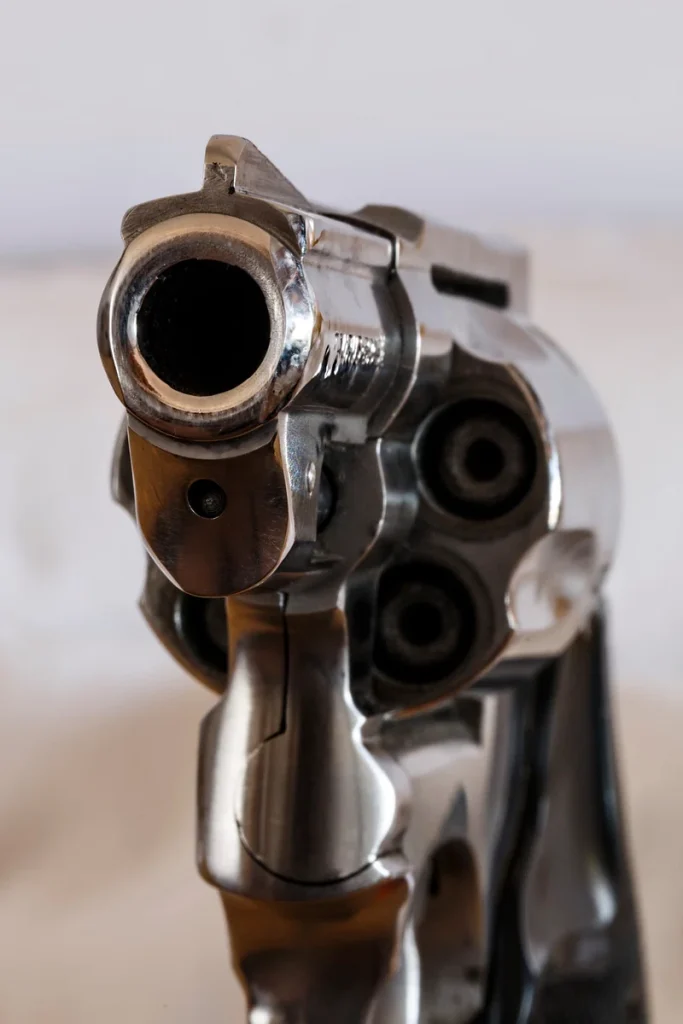
Weight alone is not the whole story. Where that weight sits matters just as much. Older revolvers often place more material in the frame and cylinder area, which keeps the gun’s mass centered in the hand rather than concentrating it high in the slide. That contrasts with many polymer pistols, where a large share of the moving and static weight lives above the shooter’s grip. As one technical discussion put it, top-heavy designs can increase muzzle flip. A revolver does not have a reciprocating slide, so it often feels more planted before, during, and after the shot.
3. Revolvers avoid the slide movement that can make pistols feel jumpy
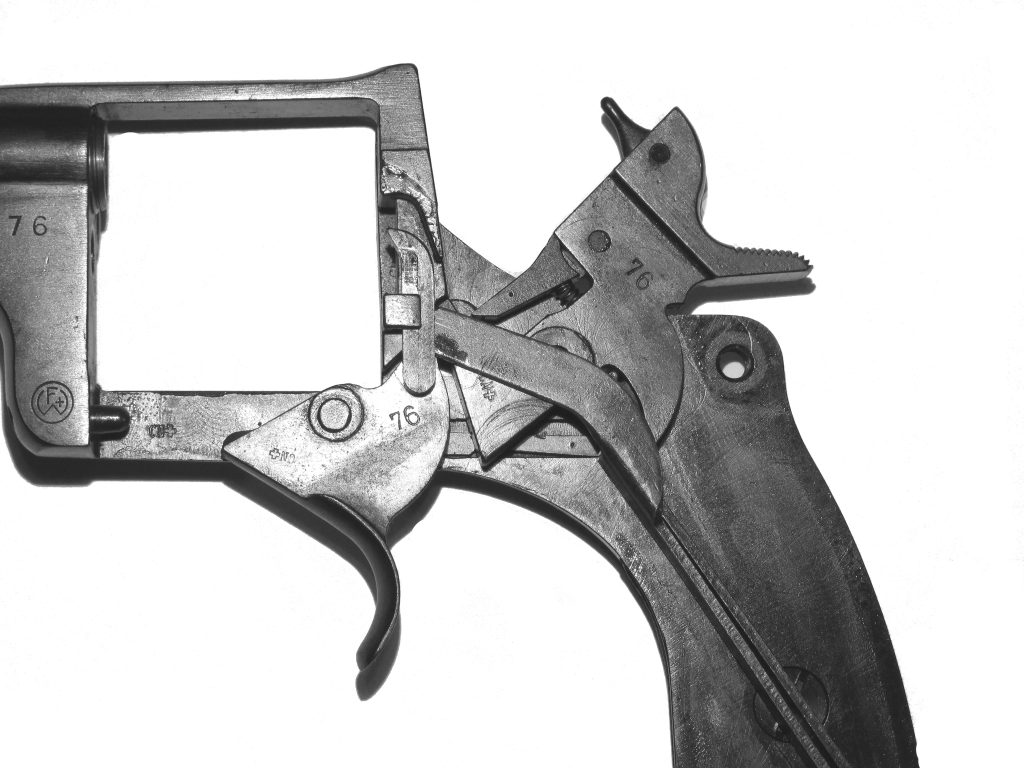
A semi-automatic pistol changes shape in motion every time it fires. The slide cycles rearward, the recoil spring compresses, the slide returns forward, and the gun’s balance shifts through that cycle. Even when the process is mechanically smooth, the shooter feels that movement. A revolver fires without a large upper assembly slamming back and forth. The cylinder rotates, but the gun’s overall mass stays comparatively stable. That gives many steel revolvers a recoil impulse that feels more like a push than a snap. A forum comparison between pistols captured that same subjective divide when one shooter described a modern polymer pistol as a gun that “seems to jump around all over the place.” The wording is informal, but the sensation is familiar to many shooters.
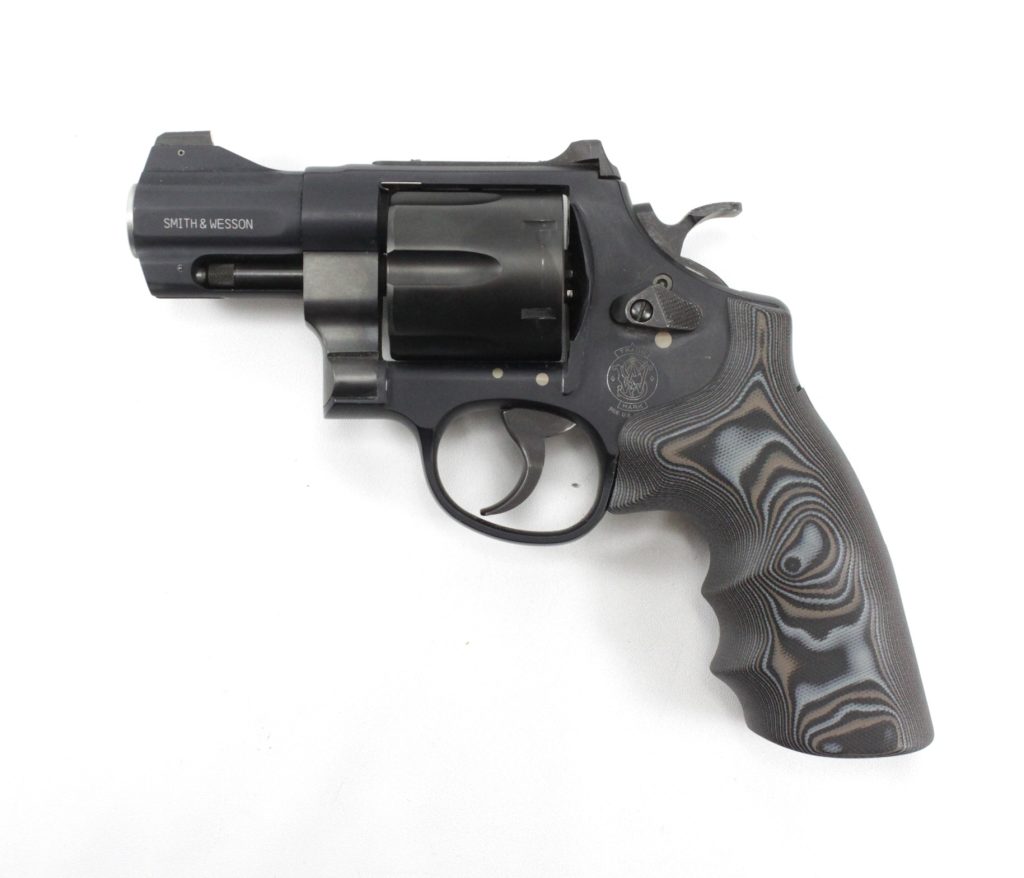
4. The grip shape often spreads recoil more comfortably
Classic revolver stocks and backstraps vary widely, but many older designs present a rounded grip that rolls slightly in the hand instead of driving straight back with a sharp edge. That can make recoil feel less harsh even when the cartridge is not especially mild. Perceived recoil is not only about raw force. Grip angle, contact area, and the way the hand reaches the trigger all matter. Modern pistols can be highly efficient, but compact polymer frames often trade comfort for concealability. Older service-size revolvers had fewer such compromises, and their larger grip frames usually gave the shooter more to hold on to.
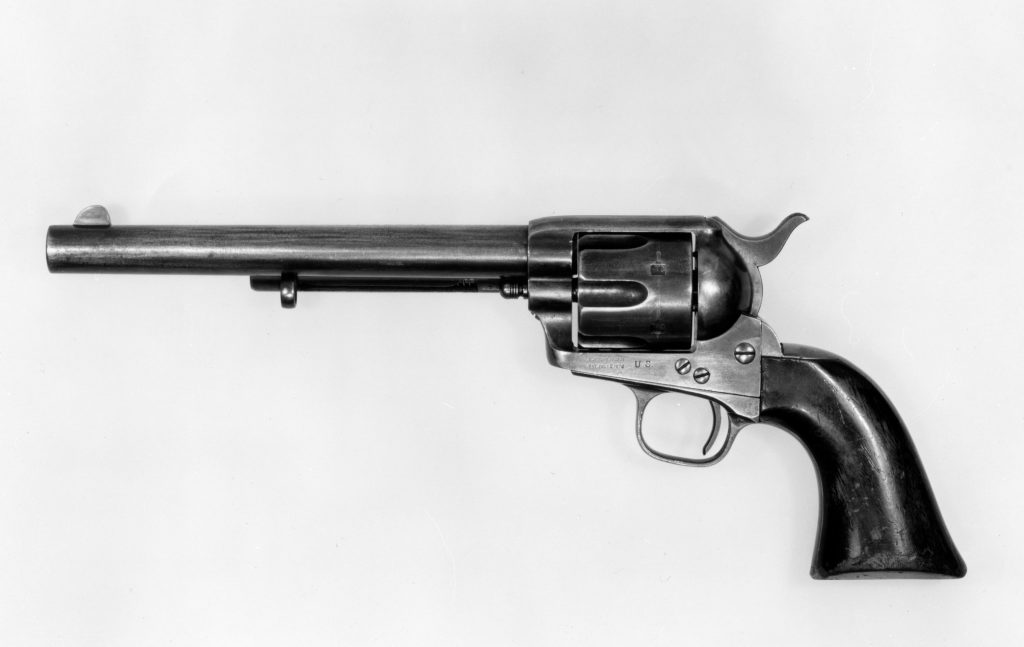
5. Single-action capability can make accuracy feel immediate
Many traditional double-action revolvers can also be fired in single-action mode, with the hammer cocked manually before the shot. That produces a shorter, lighter trigger break than a full double-action pull. According to basic revolver trigger operation, that lighter single-action pull is one reason the system has long been associated with careful, accurate fire. That does not mean revolvers are always easier in every mode. A long double-action pull takes skill. But an older revolver gives the shooter two very different trigger behaviors in one handgun, and one of them can feel immediately forgiving on the range
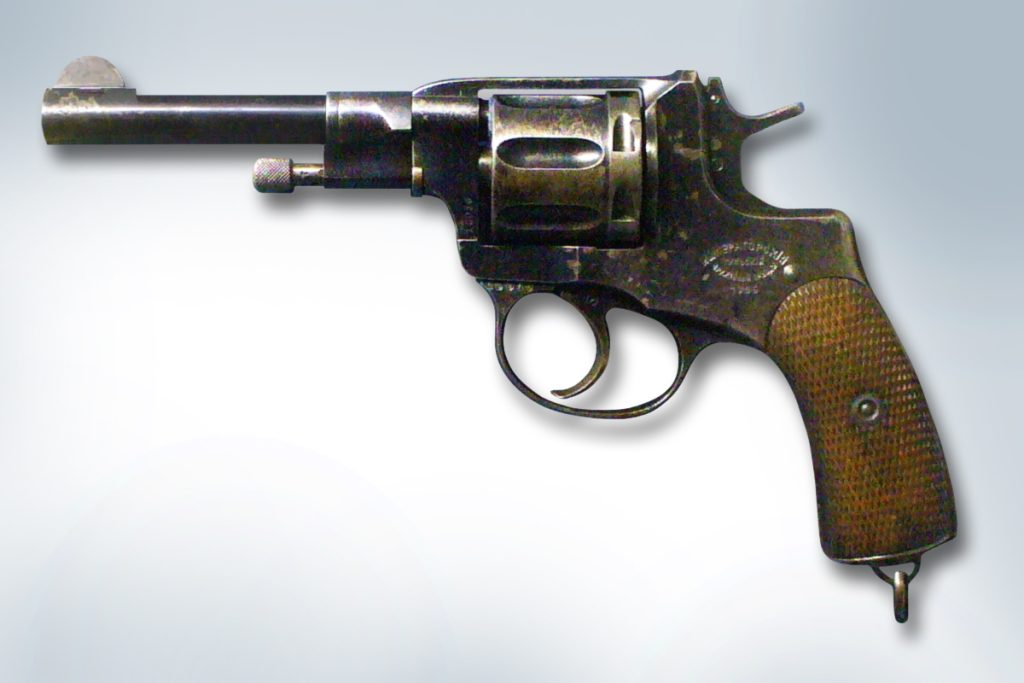
6. Long double-action pulls can actually encourage cleaner trigger work
This sounds backward, but many shooters learn better trigger discipline on a revolver because the gun exposes every mistake. The long stroke punishes jerking, tightening the whole hand, and anticipating recoil. Advice from experienced revolver shooters repeatedly comes back to a smooth, uninterrupted press, heavy use of dry fire, and close attention to sight movement through the stroke. That makes the revolver demanding, but also honest. Once a shooter learns to run a double-action wheelgun cleanly, the same shooter often finds a semi-auto easier to manage afterward. One contributor put it plainly: “Master the double action pull and you will be *rock* steady with a semi-auto….” The phrasing is casual, but the underlying point is mechanical and practical.
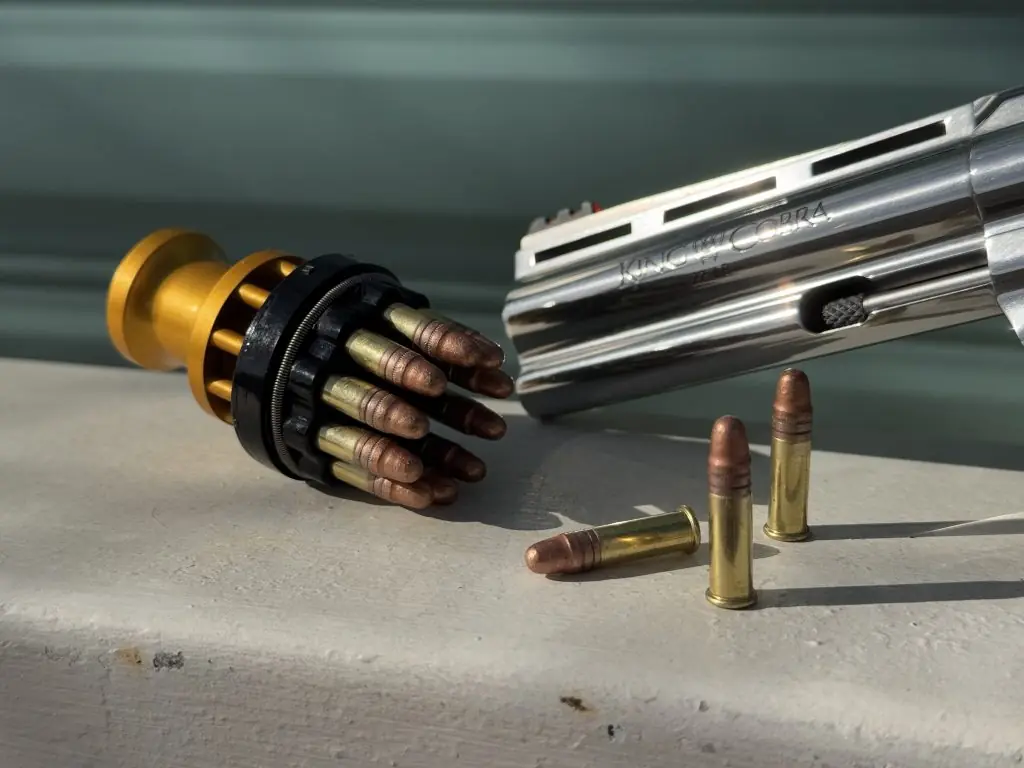
7. Their consistency does not change with a magazine emptying
A semi-auto’s feel can change subtly as rounds leave the magazine. The gun gets lighter, and the balance can shift upward as the lower portion loses weight. That effect was noted directly in discussion of polymer pistols, where the last rounds can show more flip than the first. A revolver does change as cartridges are fired, but the shift is smaller and distributed differently. There is no box magazine dropping ounces from the grip frame. That steadier balance through the cylinder can make the handgun feel more consistent over a full string.
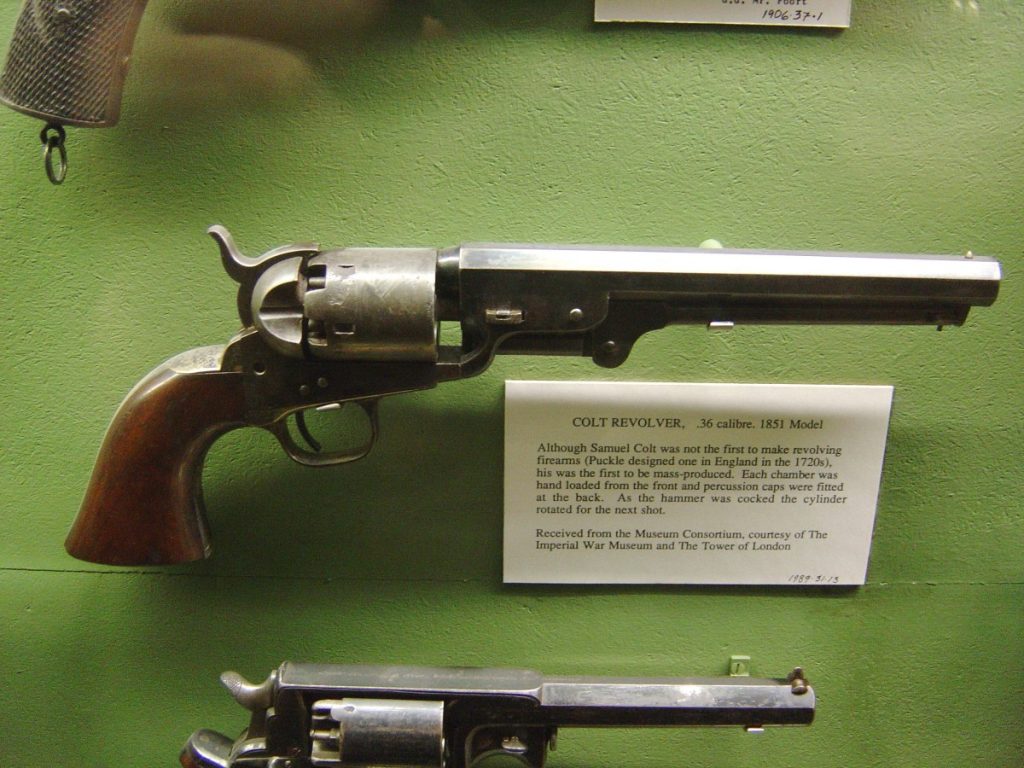
8. Older revolvers were built around shootability, not minimum carry weight
Many modern pistols are optimized around portability, capacity, and simple manufacturing. Those are rational goals. Polymer frames, lighter slides, and compact dimensions all serve a purpose.Older service revolvers came from a different design culture. They were often expected to ride in holsters, survive decades of use, and deliver controllable shooting with full-powered ammunition from a substantial steel frame. In engineering terms, they accepted extra mass and bulk in exchange for steadiness and a more forgiving recoil signature.
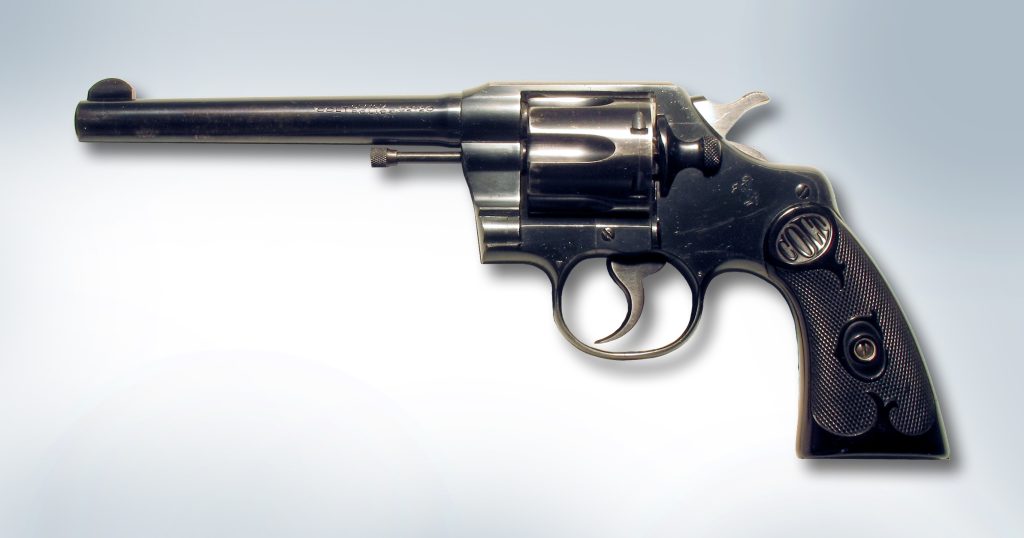
That trade still makes sense to shooters who value calm handling more than maximum capacity. That is why old revolvers can feel easier to shoot even when they are not easier to master. Their steel construction, centered balance, stable firing cycle, and often generous grip geometry produce a handgun that moves less, surprises less, and asks the shooter to work with a slower, more readable rhythm. Modern pistols remain efficient tools. Old revolvers simply deliver their feedback in a way many hands still understand immediately.


