Caliber usually gets the spotlight, but reliability is what decides whether a firearm actually completes its job. Feed geometry, lockup, extraction, timing, fouling tolerance, and the number of moving parts often matter more than the diameter of the bullet when a gun is cycled hard, run dirty, or handled under stress.
That is why certain designs became reference points. They did not dominate because of one cartridge alone. They changed expectations by solving the less glamorous problems of making a gun feed, fire, extract, eject, and return to battery with consistency.
1. Mauser 98
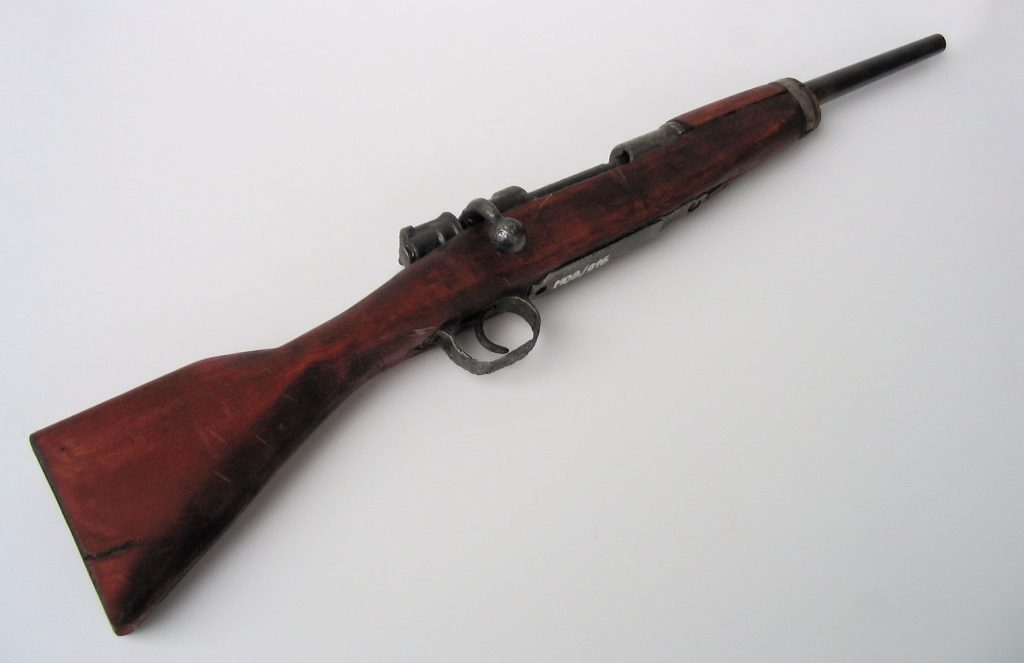
The Mauser 98 remains one of the clearest examples of reliability being engineered into the action itself. Its controlled-round-feed system uses a large claw extractor that captures the cartridge as it leaves the magazine, guiding it into the chamber rather than simply shoving it forward. That detail reduced the chance of a loose round creating a stoppage during hurried bolt manipulation, which is why controlled round feed still has a devoted following. The design also built in strong gas handling and robust lockup, both of which shaped later bolt rifles. The UC Davis historical exhibit describes the 1898 Mauser as the culmination of bolt-action development and notes that all modern bolt-action rifles in hunting and sniping use trace back to it in some form. That legacy is not really about caliber. It is about extractor authority, feeding control, and a bolt system that set the template for dependable manual repeaters.
2. Winchester Model 70 Pre-64
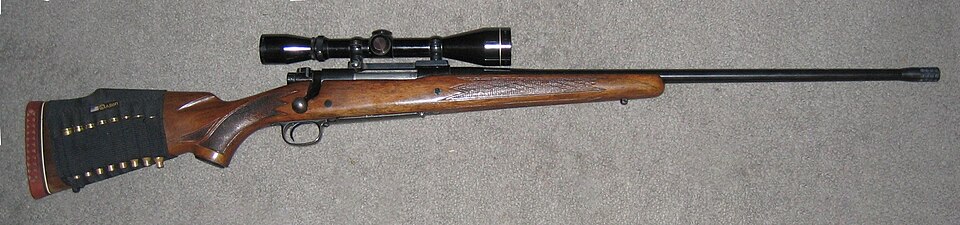
The pre-1964 Model 70 mattered because it translated Mauser-style controlled feed into an American sporting rifle that became a benchmark for hard-use bolt guns. Its reputation was tied less to chambering choices than to the way it handled extraction and feeding under awkward conditions. Hunters and riflemen kept returning to the same point: a cartridge held under the extractor offers more control through the entire cycle. That did not make push-feed rifles obsolete, but it did make the Model 70 a lasting symbol of reliability-first design. Its continuing relevance also explains why later returns to the classic pattern were welcomed by shooters who valued action behavior more than ballistic trends.
3. Remington 700
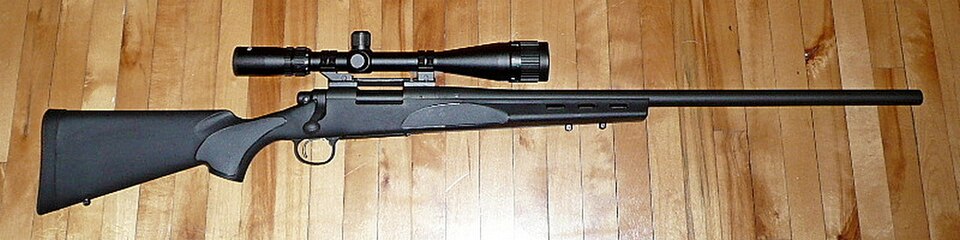
The Remington 700 proved that reliability did not belong exclusively to controlled-feed actions. Its push-feed bolt face, recessed case head support, and compact extractor helped create one of the most influential modern bolt actions, and it did so with simpler manufacturing. Push-feed systems do have a known vulnerability to a stress-induced double-feed if the bolt is short-stroked and reversed before the round is fully chambered. Even so, the broader record is difficult to ignore. The reference material notes that the dominant action type among top PRS competitors has largely been Remington-style push feed and its derivatives. That says a great deal about practical reliability. The 700 changed the conversation by showing that a well-executed push-feed design could be durable, repeatable, and trustworthy across military, police, hunting, and precision roles.
4. Colt and Smith & Wesson Double-Action Revolvers
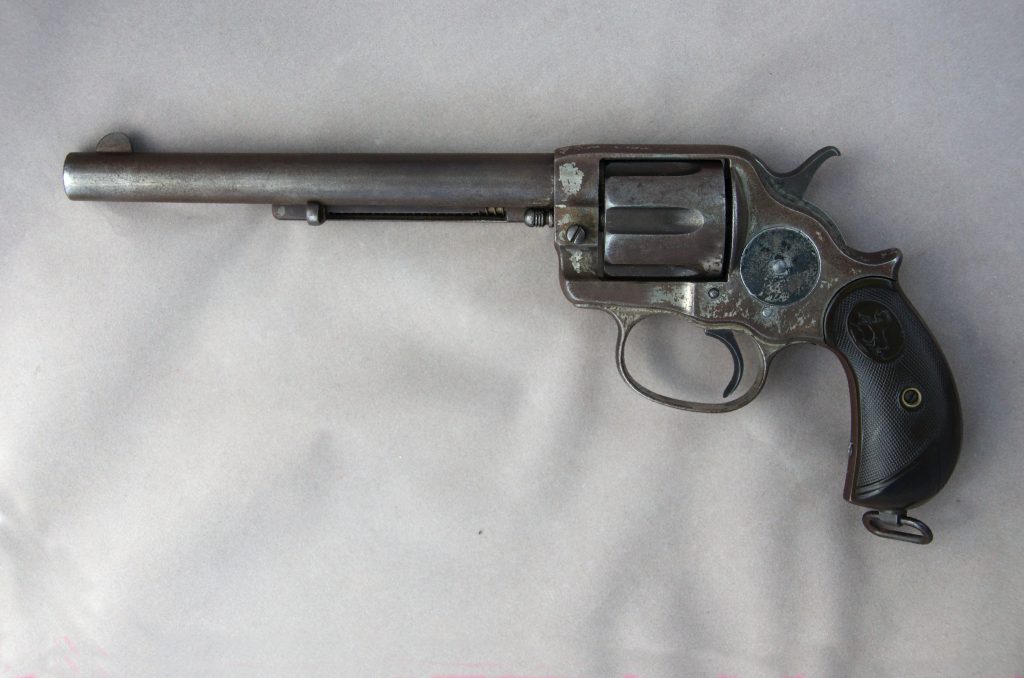
Revolvers often get treated as automatic entries in any reliability discussion, but their real lesson is more mechanical. They are reliable when timing, lockup, and hand-to-ratchet interaction stay in spec. That makes the classic Colt and Smith & Wesson double-action systems important because they show how reliability can depend on micro-level synchronization rather than cartridge size. American Handgunner explains that a K-frame has roughly 58 parts, with about 20 directly involved in aligning the cylinder to the forcing cone. Colt’s older V-spring actions added the famous second-stage hand pressure that produced “bank vault” lockup, while Smith & Wesson accepted a bit of rotational play in exchange for durability and easier long-term timing behavior. In both cases, the engineering lesson is clear: ignition reliability in a revolver is really about cylinder stop timing, hand fit, and lockup consistency.
5. M1 Garand
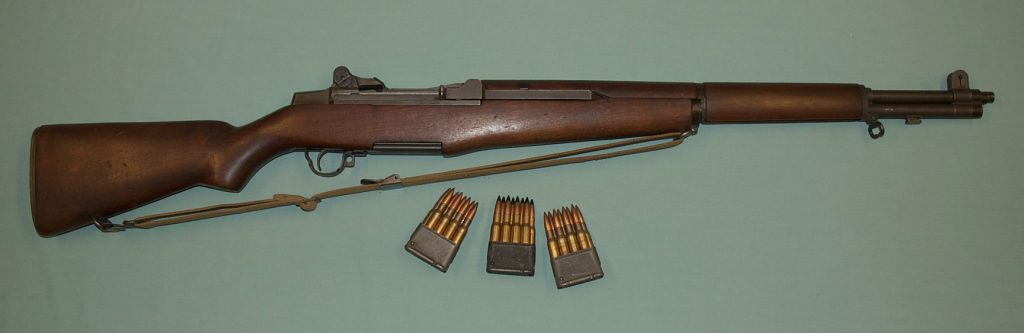
The M1 Garand changed military expectations because it paired semiautomatic speed with service-rifle dependability. According to the UC Davis history, Garand’s breakthrough came from adapting a long-stroke gas system concept into a rifle that was not only fast and powerful, but also extremely reliable despite the precision and exact timing required for semiautomatic operation. That balance was the achievement. Semiautomatics before it could be effective, but scaling them into a rugged standard infantry rifle was far harder than it looked. The M1 showed that self-loading reliability was possible without giving up accuracy or battlefield durability, which mattered far more than whether its cartridge was larger or smaller than a rival round.
6. AK-47
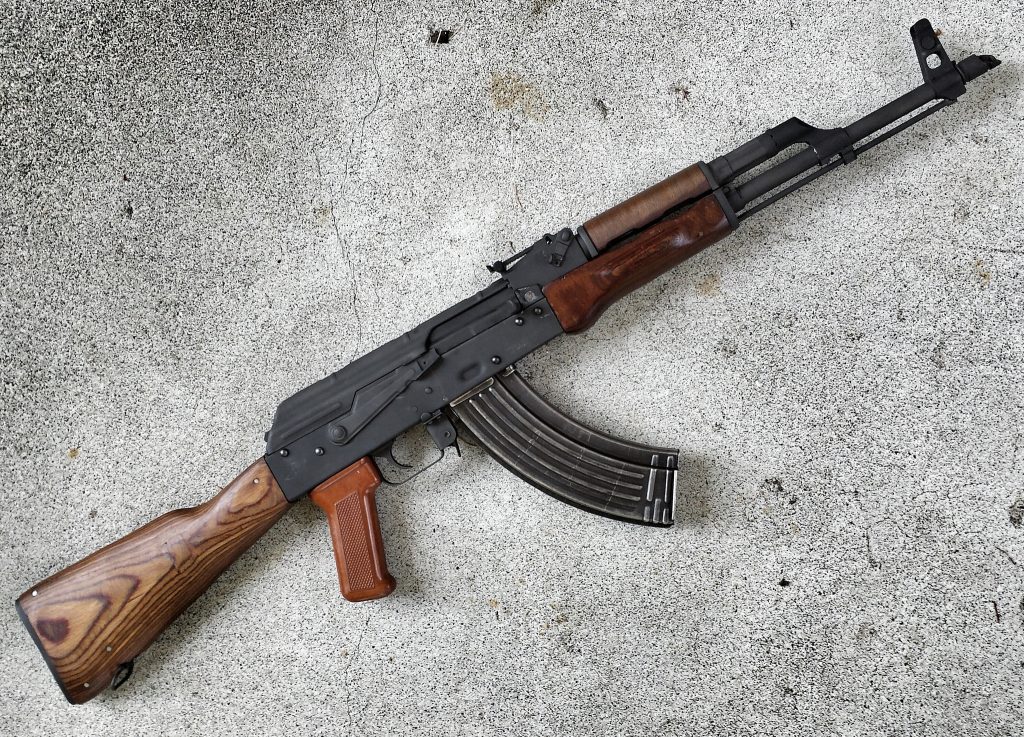
The AK-47 became the global shorthand for reliability because Kalashnikov simplified the self-loading rifle around tolerance to dirt, variable maintenance, and manufacturing realities. Its long-stroke piston, generous clearances, and heavy-moving operating mass gave it a wide functional window.

The UC Davis exhibit notes that over 100 million copies have been produced and describes the rifle as supreme at delivering acceptable accuracy with unfailing reliability. That reputation did not come from its 7.62x39mm chambering alone. It came from a design philosophy that favored extraction force, debris tolerance, and robust cycling over refinement. The result was a rifle that continued to run in conditions where tighter systems could become maintenance-sensitive.
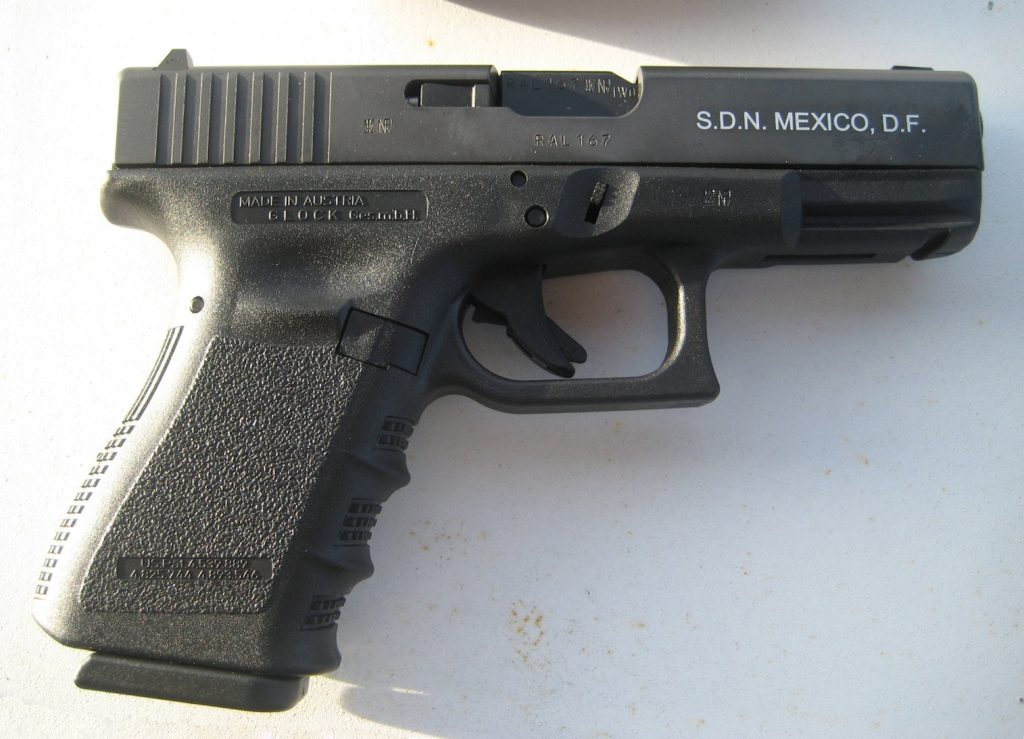
7. Glock Safe Action Pistols
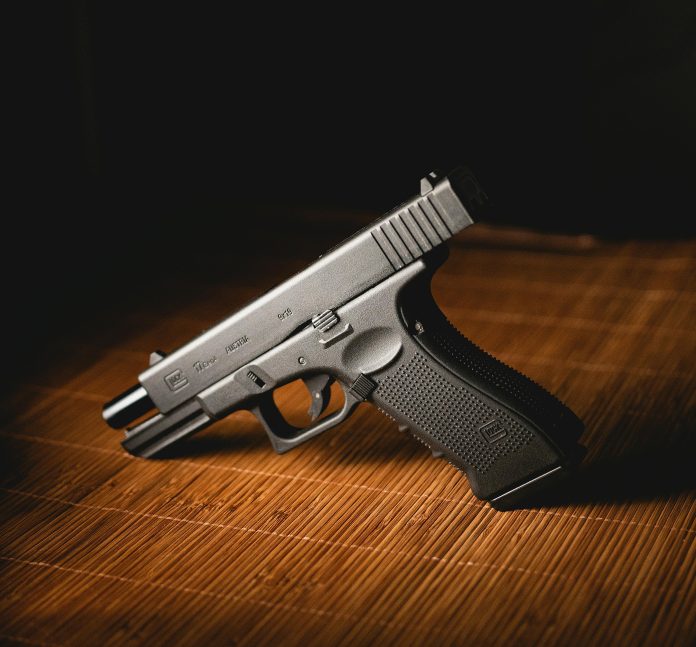
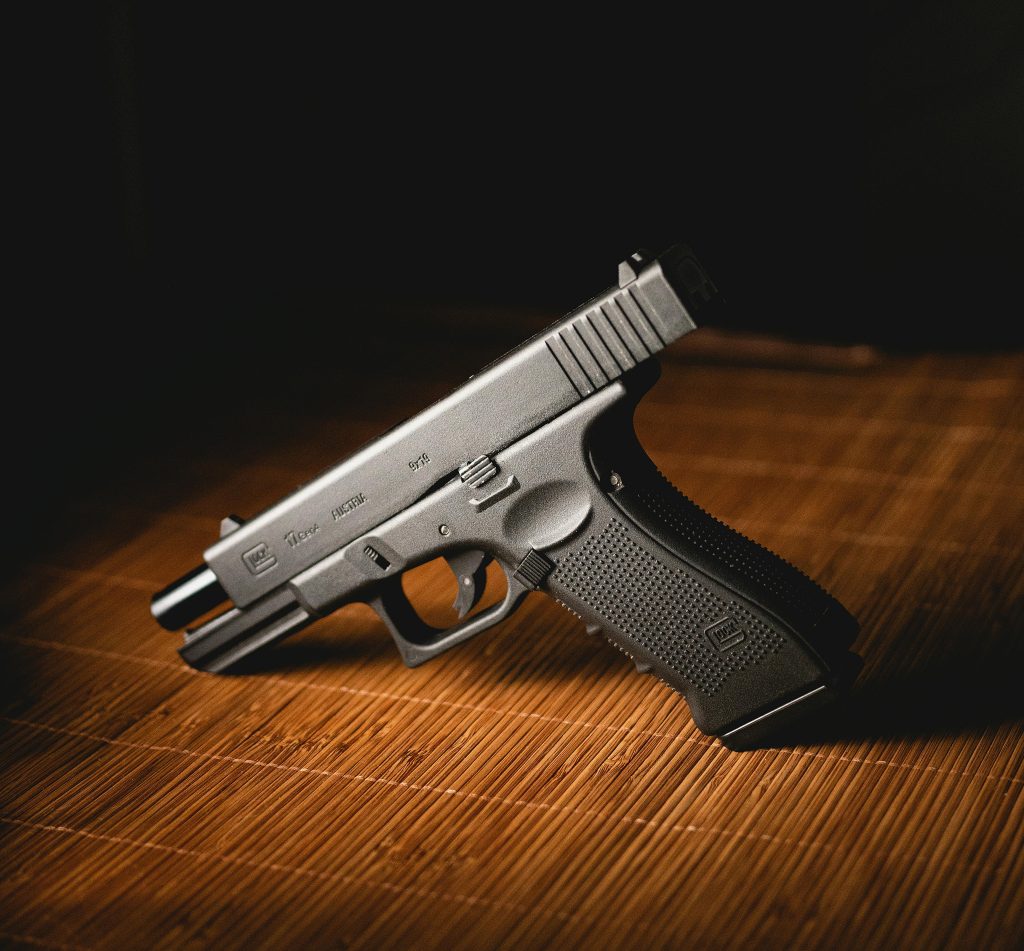
Glock’s contribution was not that polymer made pistols reliable. The bigger shift was simplification. Fewer parts, broad operating tolerances, consistent trigger operation, and reduced dependence on fine fitting helped make the platform unusually tolerant of neglect and user variation. Forum discussions in the source material repeatedly circle the same point: modern quality pistols are generally reliable, but Glock earned a durable reputation because its design leaves less to manipulate and less to upset.
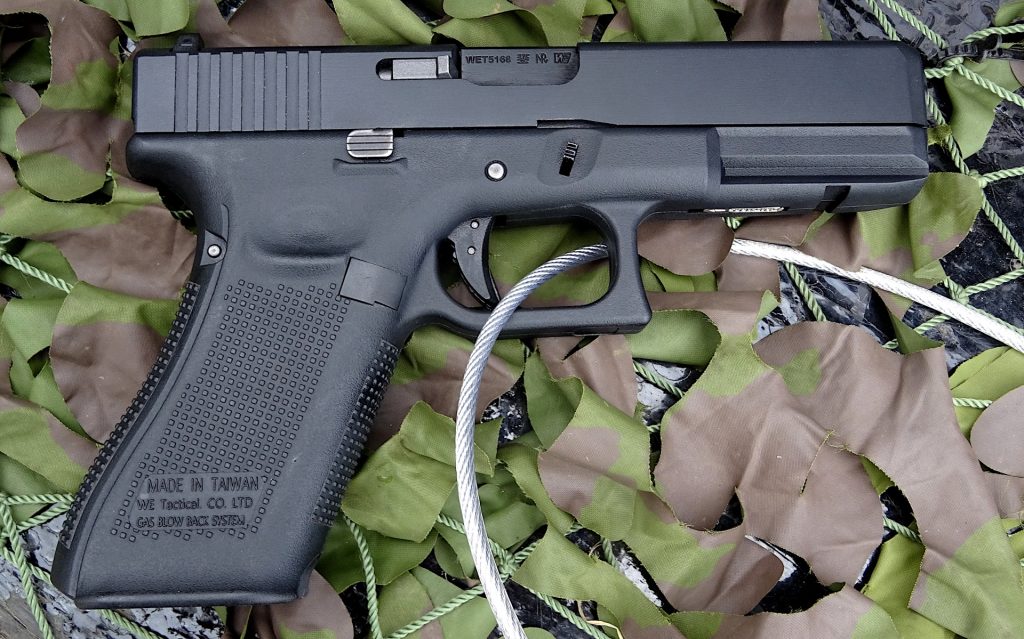
One commenter summarized that the platform has basically the same design since 1982, giving decades for revisions and refinement. That long maturation, combined with mechanical simplicity, turned it into a baseline for service-pistol reliability. These designs came from different eras and solved different problems, but they all point to the same conclusion. Reliability is usually the product of feed control, lockup, extraction design, timing discipline, and tolerance management, not a bigger or faster cartridge. That is why some guns stay relevant long after newer calibers arrive. Their real breakthrough was making the machine itself harder to stop.


