A military sidearm is easy to describe and much harder to define. The Army’s handgun programs gradually turned that definition into a set of measurable demands, and those demands reached far beyond caliber or brand.
What emerged over decades of testing was a broader engineering lesson: a service pistol had to survive abuse, inconsistent handling, long maintenance cycles, ammunition variation, and institutional scrutiny. The modern idea of handgun durability was shaped as much by test protocols and sustainment logic as by steel and springs.
1. Standardization became a performance requirement
The Army’s sidearm thinking changed when handguns stopped being treated as isolated weapons and started being treated as part of a larger supply system. During the push that led to the XM9 program, the services were dealing with over 25 different pistols and revolvers and more than 100 ammunition types. That made logistics, training, storage, and procurement harder than the sidearm’s modest battlefield role might suggest.
Once that reality took hold, caliber compatibility, magazine capacity, and operating layout became institutional requirements. A sidearm was no longer judged only by how it shot, but by how easily it could fit into a standardized force.
2. Endurance had to be proven with round counts, not reputation
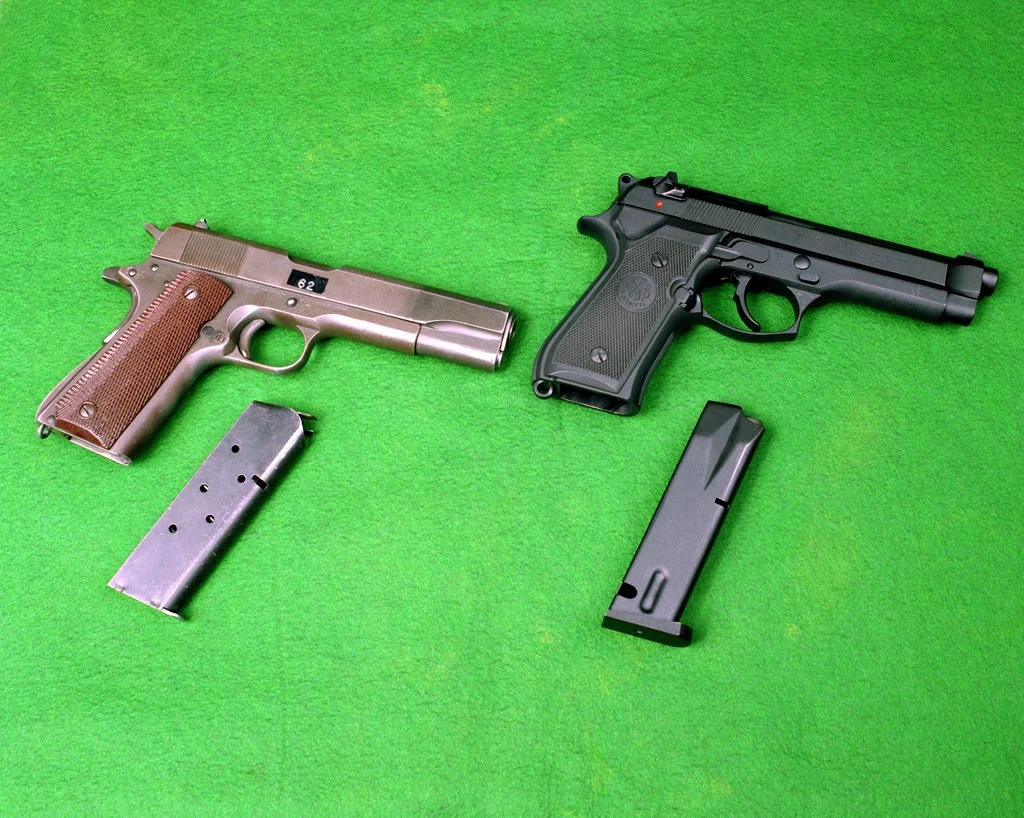
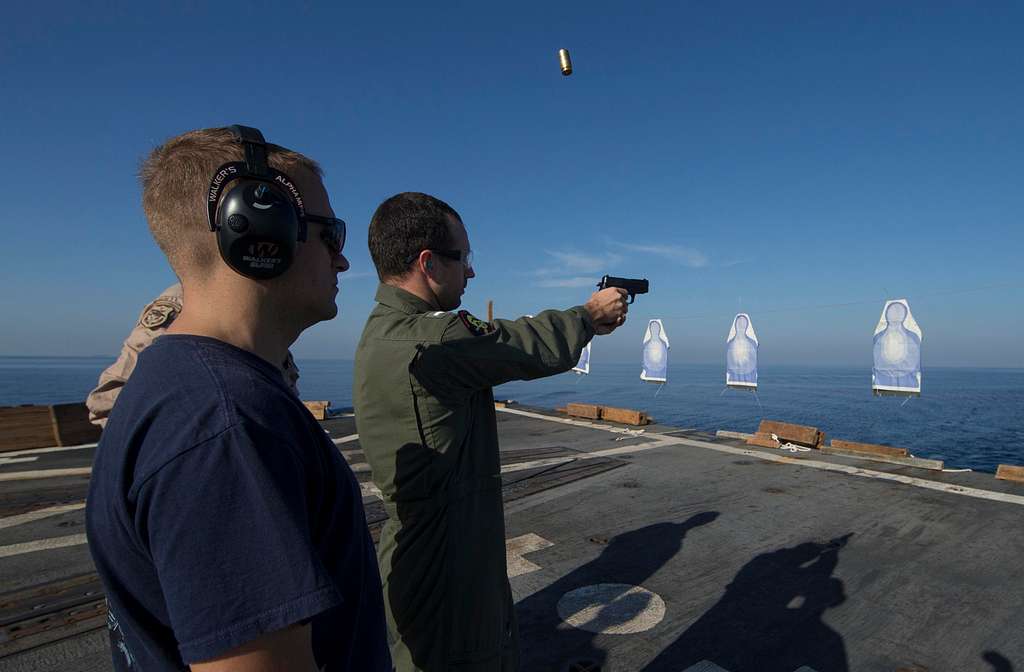
Army handgun testing has long treated durability as something that must be demonstrated under controlled punishment. In the 1906 trials that led toward the M1911, each submitted pistol had to fire 6,000 rounds, with cleaning and oiling only at fixed intervals and with additional exposure to mud, sand, and corrosive conditions.
The selection board’s verdict on Colt’s design captured the emphasis clearly: “the Colt is superior, because it is more reliable, more enduring, more easily disassembled when there are broken parts to be replaced, and more accurate.” That wording was not just praise for one pistol. It laid out a template for what military evaluators cared about: reliability under stress, endurance over time, and repairability when things inevitably went wrong.
3. Reliability became a metric with mission meaning
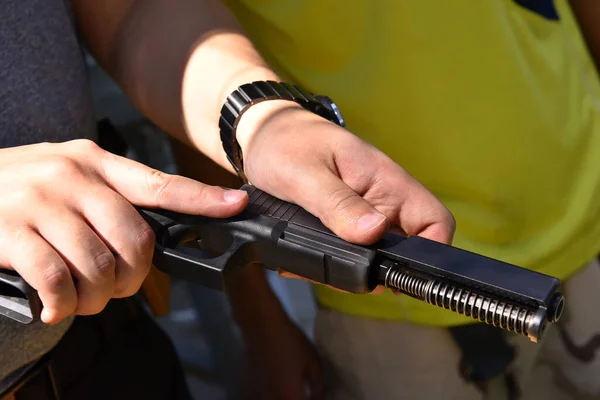
Later Army testing pushed durability into a more technical language. Reliability was not left as an impression from a range day; it was expressed through stoppage and failure rates. Army standards referenced in later handgun evaluation used measures such as 2,000 mean rounds between stoppages and 5,000 mean rounds between failures, alongside a service life target of 25,000 rounds.
That mattered because it forced designers and procurement officials to speak the same language. Feed geometry, extractor tension, spring life, and manufacturing tolerance all became part of a quantified argument rather than anecdote. The sidearm had to complete a mission window, not merely function when clean and freshly inspected.
4. Environmental abuse exposed what “works” really means
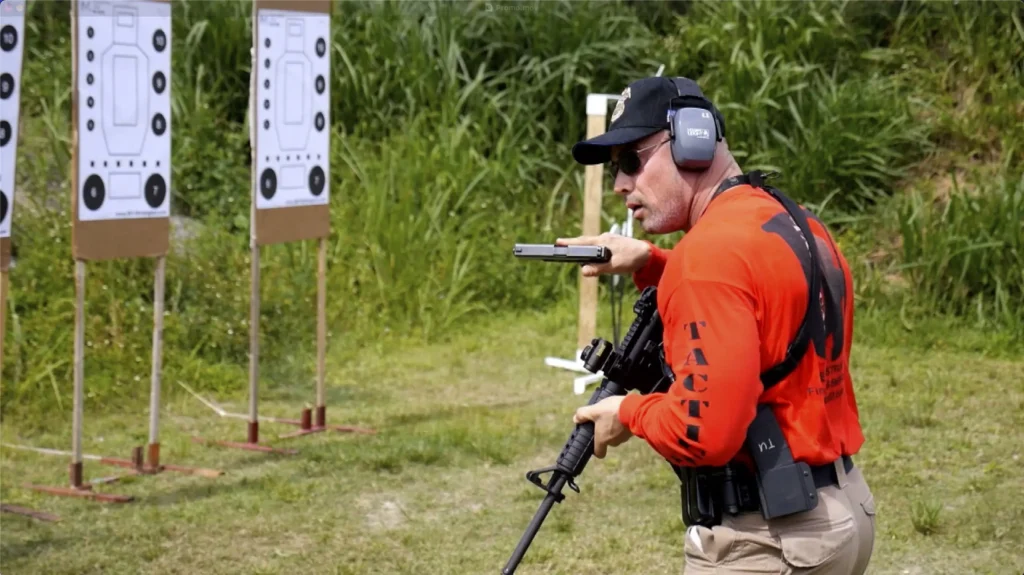
Military testing repeatedly treated climate and contamination as core parts of the problem. Historical acceptance tests involved heat, ice, rain, sand, mud, drop testing, and operation with and without lubrication. The point was simple: a handgun that worked only in a clean lane on a pleasant day was not durable enough for issue.
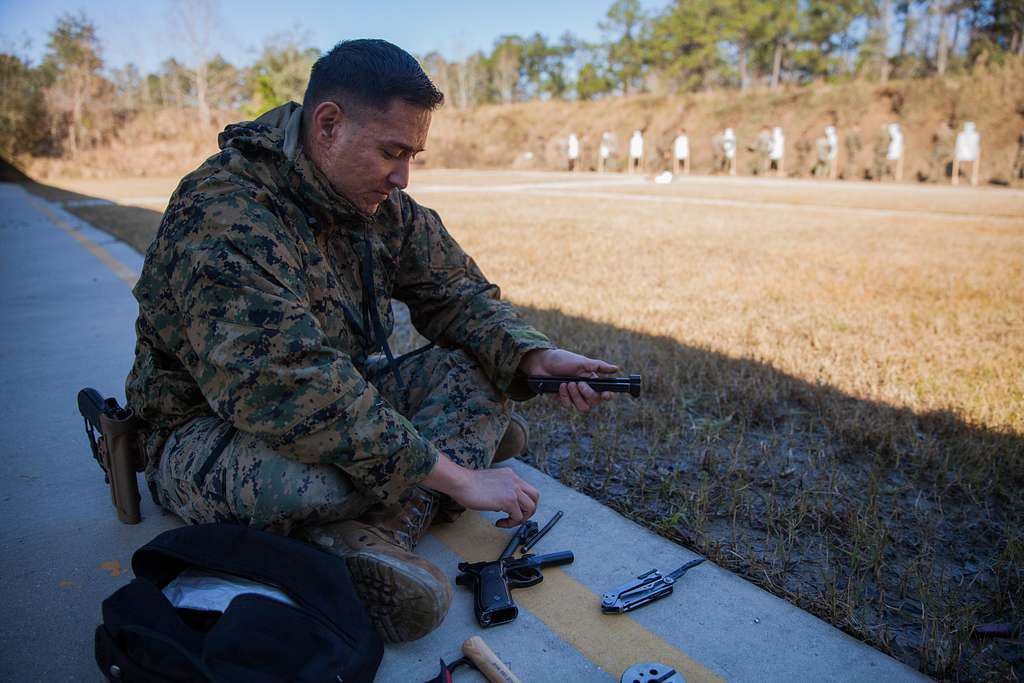
This also pushed sidearm design toward simpler field handling. Tool-less disassembly, interchangeable parts, and maintenance without gauges were not conveniences. They were durability features, because a pistol that cannot be kept running under crude conditions is not durable in any useful military sense.
5. Sustainment counted almost as much as shooting
The XM9 competition made clear that the Army was not buying a pistol alone. It was buying a package that included magazines, replacement parts, and assumptions about wear over time. That is why the contest between Beretta and SIG was influenced not only by shooting results, but by how sustainment was built into the bid itself.
This was a major shift. Maintainability stopped being a back-end armorer issue and became part of the initial engineering decision. A sidearm had to endure not only firing, but years of fleet service, parts replacement, and uneven maintenance quality across a huge force.
6. Ammunition and the pistol were revealed as one system
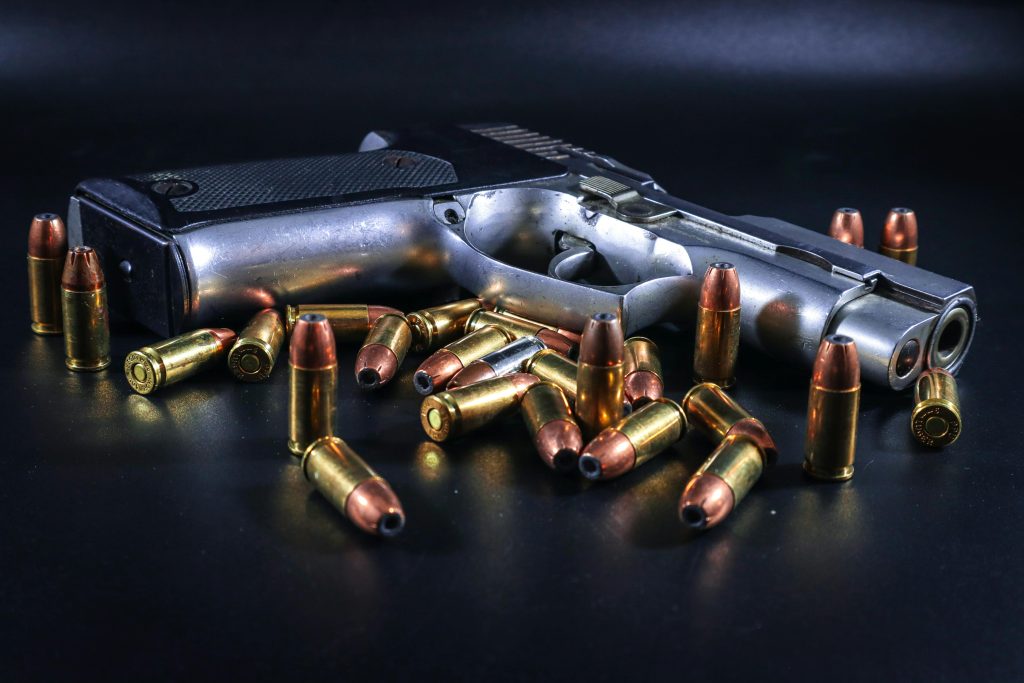
Early M9 service exposed a lesson that procurement paperwork could not fully contain: pistols and ammunition behave as a coupled system. Slide separation incidents and frame-crack concerns in the late 1980s showed that metal toughness, production variation, and ammunition assumptions could combine in ways that were not obvious during selection. Government reviews documented 14 slide separations, with injuries in three cases, before design and production changes closed the issue.
The engineering response became part of handgun history. Beretta’s revised design introduced the feature commonly associated with the 92FS pattern, intended to prevent the rear half of a broken slide from traveling off the frame. In practical terms, the Army learned that a sidearm had to endure worst-case failure modes safely, not just average firing schedules successfully.
7. Small parts and maintenance intervals could decide service life
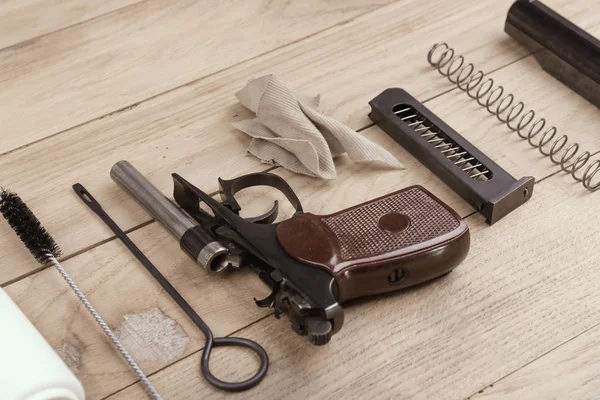
Durability did not end with major components. Long service with the M9 also showed how recoil springs, locking blocks, and magazines could dominate real-world reliability. Field and armorer experience with locking block wear eventually fed revised geometry and replacement habits, reinforcing a broader truth about service pistols: a durable platform still depends on disciplined maintenance.
That lesson also helps explain why magazine quality repeatedly surfaced in M9 discussions. A sidearm may pass formal trials and still disappoint in service if a consumable component becomes the weak link. Endurance, in Army terms, was never just about the frame and slide.
8. Test credibility became part of the weapon’s legacy
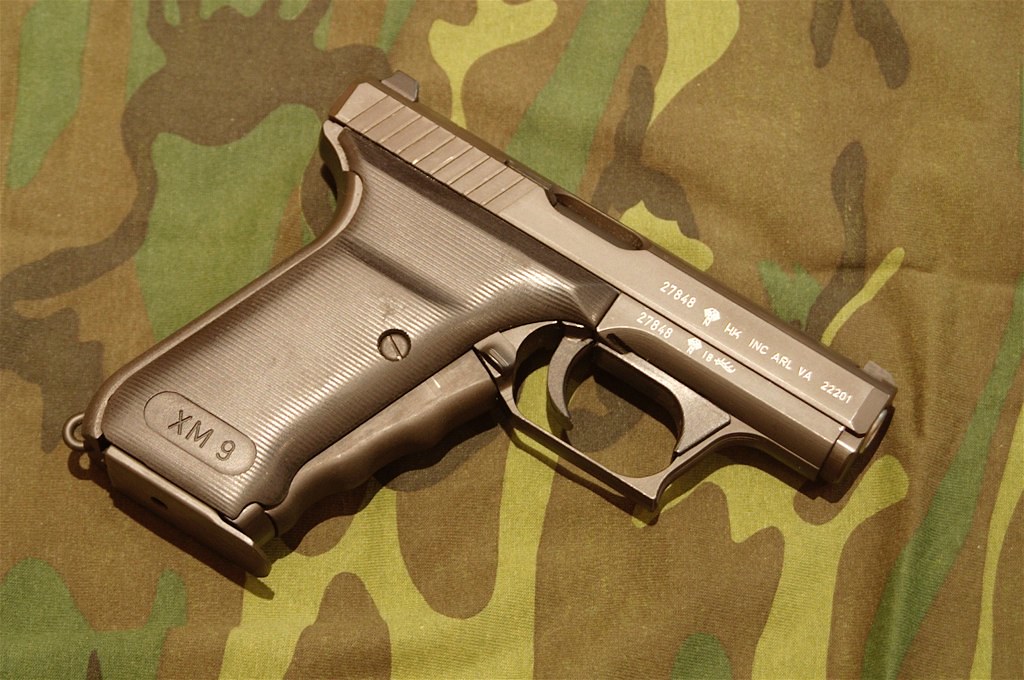
The XM9 era also taught the Army that a sidearm program had to survive procedural scrutiny. Lost confidence in early testing, disputes over specifications, and even problems tied to requirement wording showed how a procurement can be undermined if the test regime is not transparent and repeatable. Facilities such as Aberdeen Proving Ground mattered because they embodied the institutional side of durability: instrumentation, repeatability, and records that could withstand later challenge.
That may be the quietest lesson of all. A sidearm had to endure not only mud, pressure, and round counts, but the bureaucracy that would judge whether it had truly passed.
The Army’s handgun history did not produce a single perfect answer. It produced a tougher definition of what a service pistol is.
By the end of that evolution, durability meant more than surviving a firing line. It meant surviving logistics, neglect, bad magazines, ammunition variation, inspection regimes, repair cycles, and the unforgiving logic of military procurement.


