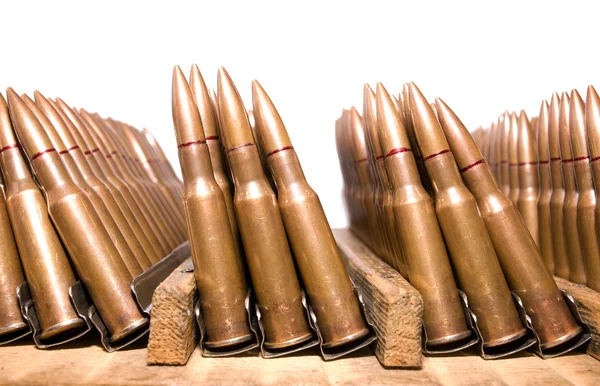
Long-range accuracy is rarely just about a small group on a calm day. It is about whether a cartridge stays predictable when wind angles change, temperatures shift, and shooting positions stop being perfect. Some cartridges earn that trust through decades of field use. Others got there with newer case design, modern bullet shapes, and a better balance between recoil and retained velocity. The common thread is repeatable downrange behavior, which matters far more than raw speed alone.
1. .308 Winchester
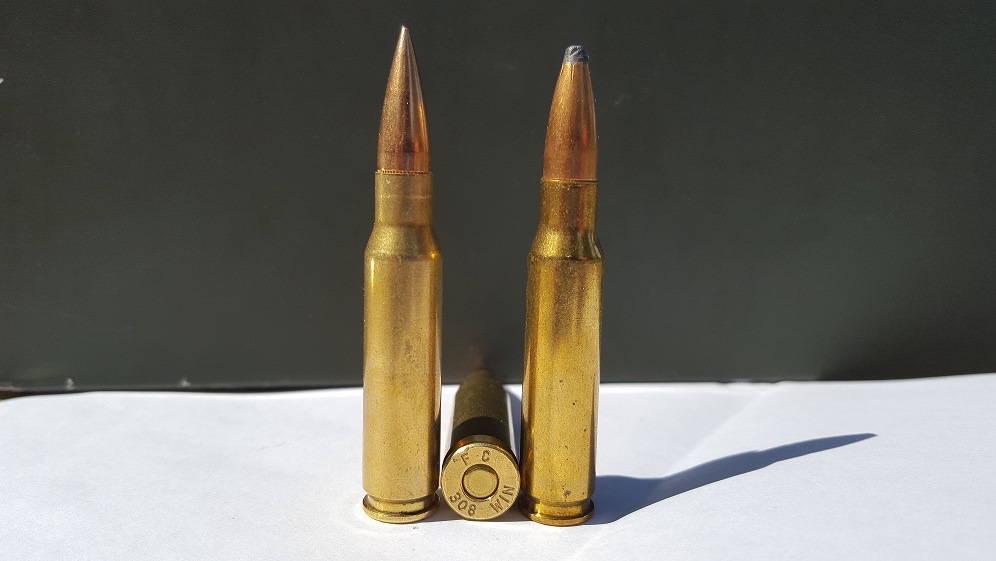
The .308 Winchester remains one of the easiest centerfire rifle cartridges to shoot well across a wide spread of rifles and barrel lengths. Its reputation comes from balance: manageable recoil, broad load support, and enough downrange authority to stay relevant long after newer chamberings arrived. Shooters can usually stay in the optic, watch the shot, and make corrections without the cartridge turning every string into a punishment session. Its real strength is consistency. Match ammunition, proven bullet designs, and years of established data mean the platform is rarely fussy compared with more specialized options. When temperatures or elevation change, every rifle load still needs verification, but .308 has long been valued because it makes fewer surprises feel normal.
2. 6.5 Creedmoor
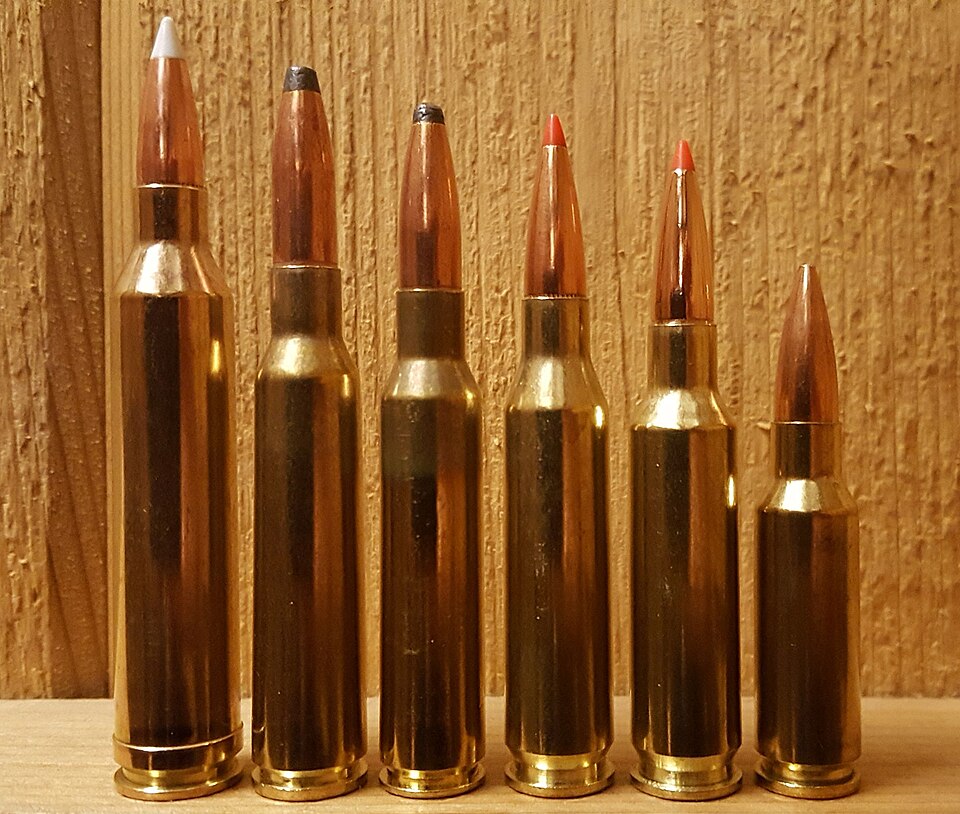
The 6.5 Creedmoor was built around efficiency, and that still explains its staying power. High-ballistic-coefficient bullets, modest recoil, and a case design that works well in short actions all contribute to a cartridge that carries velocity well and gives shooters a cleaner view of their own mistakes. Its practical edge shows up most when wind and distance stack together. USSOCOM testing reported that 6.5 Creedmoor doubled hit probability at 1,000 m and reduced wind drift compared with 7.62×51 NATO. in certain platforms. That does not make fundamentals optional, but it does explain why the cartridge became a fixture in long-range rifles rather than a passing trend.
3. .223 Remington / 5.56 NATO
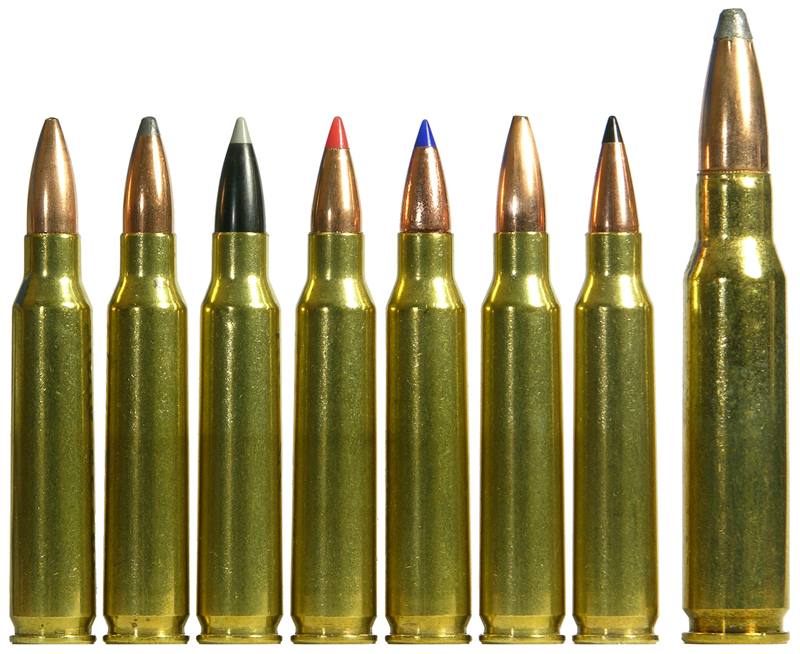
.223 and 5.56 are often underestimated in precision work because many shooters only encounter them with generic ammunition or service-grade carbines. In a good barrel with the right twist and quality bullets, the cartridge can be impressively stable and extremely easy to manage. Low recoil is the main attraction here. It makes shot calling, impact spotting, and extended practice easier than with heavier chamberings, which is a real advantage for building skill. Twist selection matters, especially with longer bullets, and modern guidance has emphasized that it is better to have too much twist than not enough when stability is the goal.
4. .243 Winchester
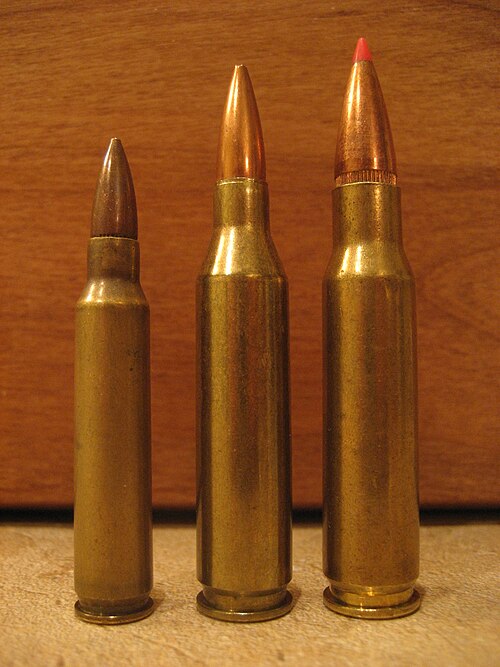
Quietly reliable for decades, the .243 Winchester has built a reputation for accuracy without demanding much attention for itself. Flat trajectory and mild recoil make it forgiving, while the 6mm bore gives access to bullets that can be both fast and efficient. That combination gives it a practical kind of reach. It is often straightforward to tune, and it tends to reward shooters who want a cartridge that handles target work and field use without moving into heavier recoil classes. For many rifles, it simply behaves like a cartridge that wants to print tight groups.
5. 6mm ARC
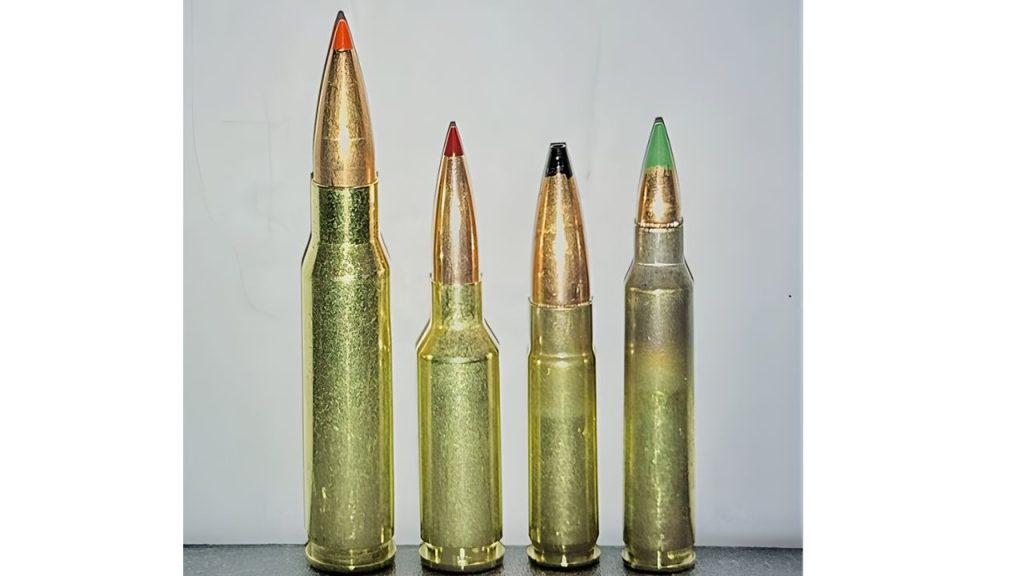
6mm ARC was designed to stretch what the AR-15 platform can do at distance. Instead of leaning on the familiar light .224 bullets, it uses sleek 6mm projectiles that hold velocity better and resist wind more effectively. That design goal matters because platform limits are real. With certain high-BC bullets and typical AR-15 barrel lengths, 6mm ARC can remain supersonic close to or beyond 1,000 yards under favorable conditions, giving it a wider performance window than many standard 5.56 loads. The tradeoff is that reliability can become more sensitive to magazines, bolts, and tuning than standard AR-15 shooters are used to.
6. .270 Winchester
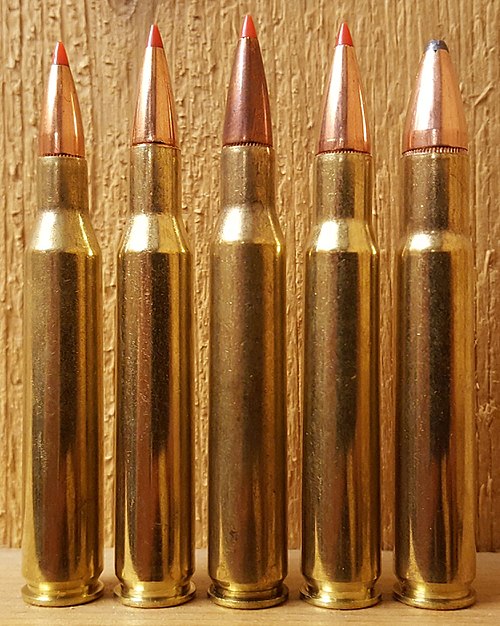
Few cartridges have proven as dependable for open-country shooting as the .270 Winchester, combining a flat trajectory with recoil most shooters can manage comfortably. It has been proving that point for generations, which says a lot in a market full of newer designs. Its staying power comes from practical external ballistics rather than novelty. Plenty of factory rifles in .270 shoot better than expected with little effort, and that easy competence keeps the cartridge relevant wherever longer field shots are part of the equation.
7. 6.5 PRC
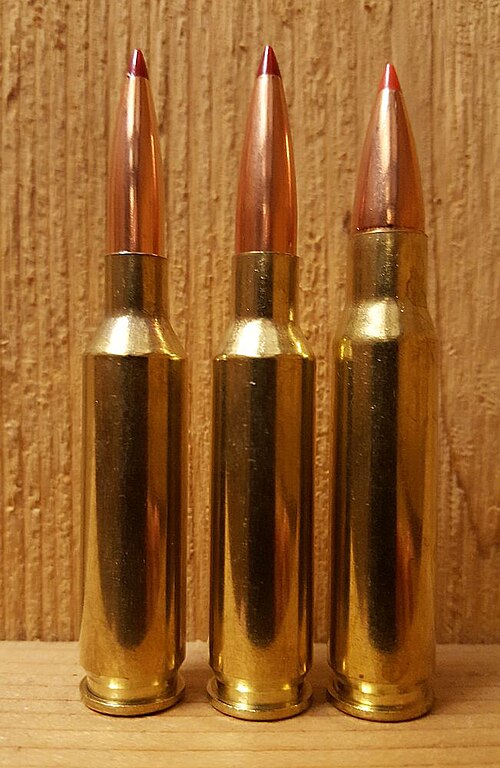
Positioned between mild 6.5 cartridges and full magnum power, the 6.5 PRC was designed to push long aerodynamic bullets faster without extreme recoil. It was designed around long, aerodynamic bullets and enough velocity to tighten wind calls without turning the rifle into a hard-kicking specialist. That formula works. Ballistic comparisons often place 6.5 PRC among the cartridges with notably low wind drift at extended distances, which helps explain its growing reputation among long-range shooters. The cost of that extra speed is wear, The cost of that extra speed is barrel wear, with peak-accuracy barrel life often estimated around 1,200 to 1,500 rounds depending on firing schedule and load pressures.
8. Match-Grade .22 LR
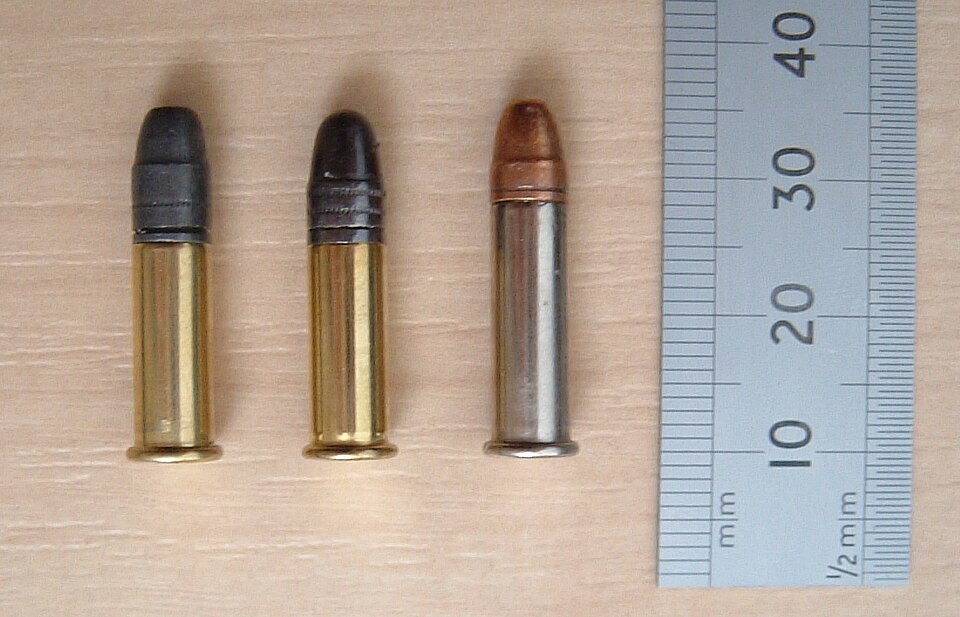
Match .22 LR belongs on any serious list about accuracy because it exposes fundamentals better than almost anything else. At 50 and 100 yards, a quality rimfire setup can be brutally honest about wind reading, position, and trigger control. It also teaches why tiny velocity changes matter. Rimfire ammunition lives close to the sound barrier, and that region is not forgiving. Ballistic studies of the transonic region show that aerodynamic drag can rise sharply as bullets approach the speed of sound, which helps explain why rimfire groups can open up quickly when velocity or conditions change, which helps explain why rimfire groups can open up so quickly when conditions shift.
9. 7mm Remington Magnum
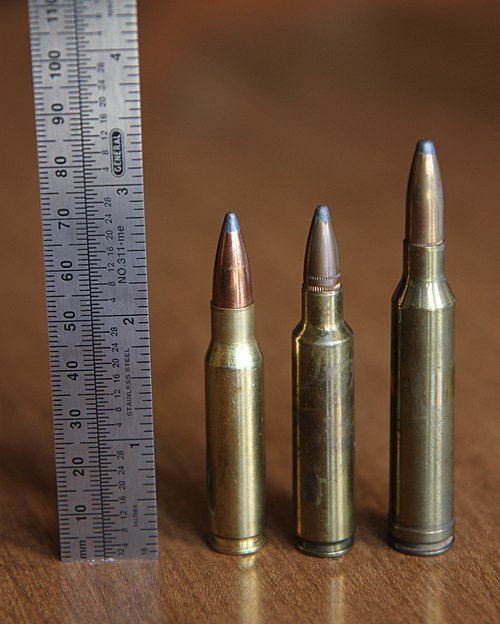
Magnum-level reach without the harshest recoil is the reason the 7mm Remington Magnum still holds a strong place among long-range cartridges. It can push lighter bullets fast for a flatter path or launch heavier streamlined bullets that hold on through wind at longer distances. Modern projectile design has helped it remain current. With today’s high-BC bullets, the cartridge still delivers the traits that matter when errors grow with every extra yard: retained speed, useful energy, and enough stability to make distant corrections meaningful.
No cartridge ignores bad fundamentals, and none can cancel wind, temperature, or poor data. Conditions still matter, especially because altitude has the greatest influence on air density, with temperature following behind and humidity contributing far less than many shooters assume. The cartridges above stand out because they make consistency easier to find and easier to keep. When distances get serious, that is usually the difference between chasing impacts and repeating them.


