Precision rifles get most of the attention, but the cartridge often decides whether a setup stays predictable when distance grows, wind shifts, or round counts climb. The rounds that keep showing up on benches, match lines, and hunting rifles usually do so for the same reason: they make accuracy easier to repeat.
Some of the old standbys still matter because they remain forgiving across many rifle platforms. Some newer entries matter because they were built around modern bullets, tighter chamber concepts, and better long-range efficiency. Together, they show how precision shooting has evolved without making the older cartridges obsolete.
1. .308 Winchester
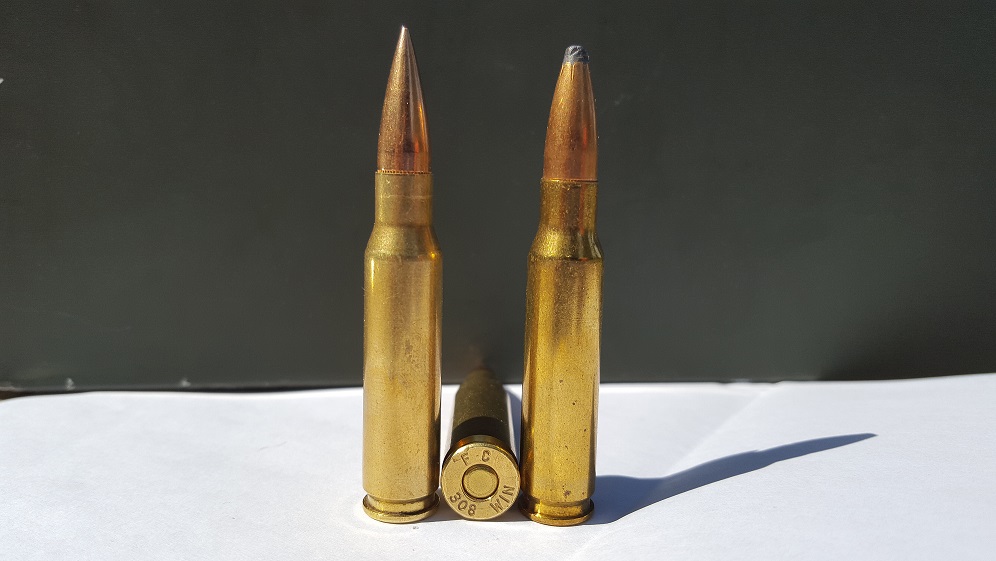
The .308 Winchester remains one of the clearest benchmarks for practical precision. Its appeal is not mystery or nostalgia. It is the combination of manageable recoil, broad rifle compatibility, and a long reputation for staying accurate without demanding highly specialized tuning.
That balance also helps explain its staying power in competition divisions that still require it. In recent PRS survey data, .308 Win accounted for 5% of top shooters, all within Tactical Division. Barrel life is another reason it holds value as a training and match cartridge, with experienced shooters commonly describing service life in the 3,000-round range or more depending on load intensity and accuracy standard.
2. 6.5 Creedmoor
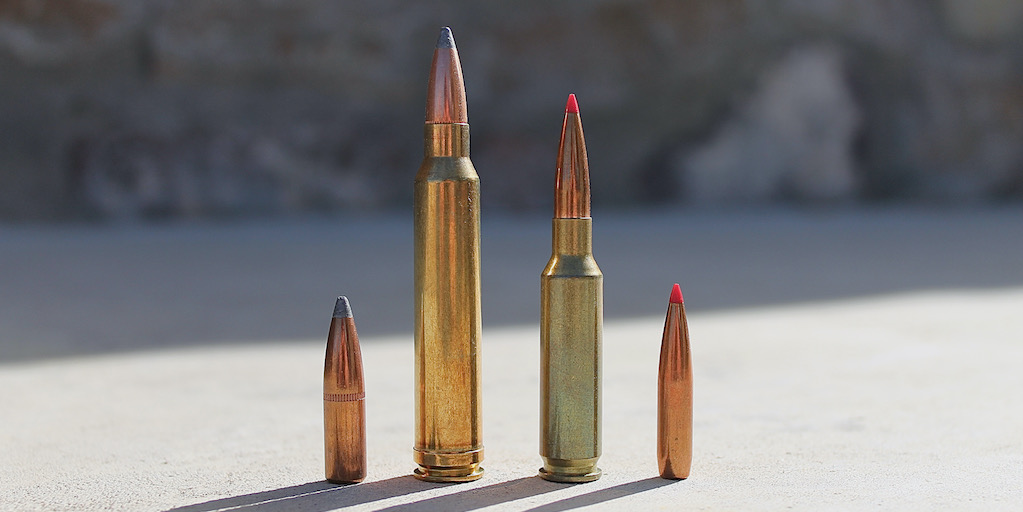
The 6.5 Creedmoor still occupies a rare middle ground. It carries enough bullet weight and ballistic efficiency to stay comfortable at distance, yet recoil remains light enough that disciplined shooters can spot impacts and misses without stepping into magnum territory.
Its record in modern competition remains stronger than its critics often suggest. The 5% figure is supported by survey data of top PRS shooters, and that number only tells part of the story. The bigger advantage is consistency. Lower velocity spread has shown a stronger link to placement than raw speed, which helps explain why this cartridge remains relevant. One top competitor, Francis Colon told Precision Rifle Blog: “Sometimes all you need is a simple, consistent round.”
3. .223 Remington / 5.56 NATO
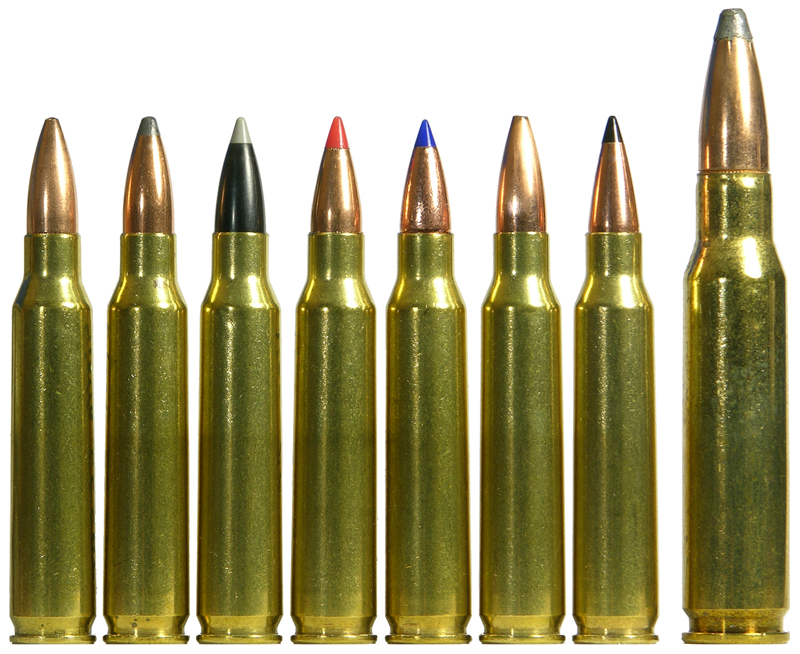
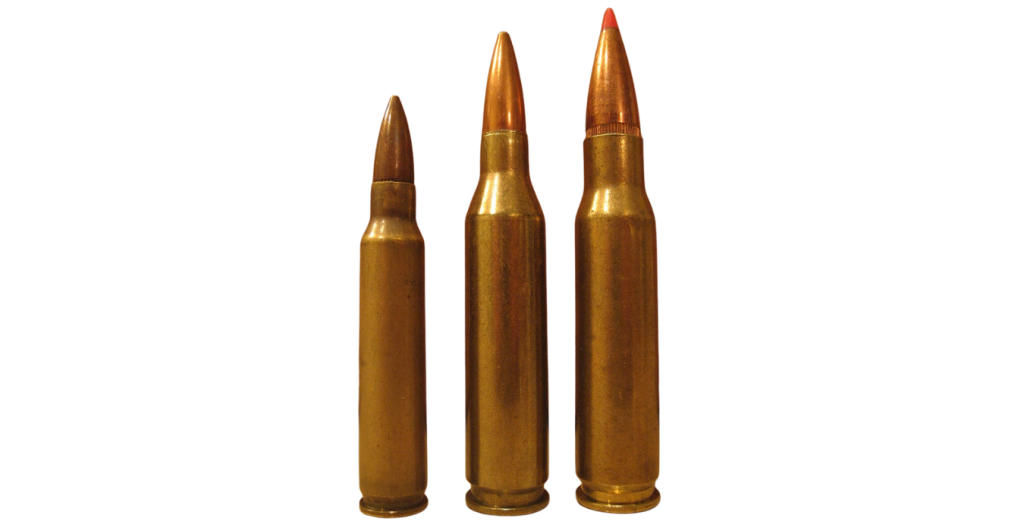
Precision shooters often treat .223 as a trainer first, but that sells the cartridge short. In a quality barrel with the right twist and proper ammunition, it delivers excellent consistency, minimal recoil, and fast feedback.
Its low recoil is the real engineering advantage. Shooters can stay in the optic, watch trace or splash, and correct quickly. At ordinary training distances, that makes it one of the most efficient cartridges for building fundamentals. Even at longer ranges, expert shooters continue to prove that a well-built .223 can do much more than casual range work.
4. .243 Winchester
The .243 Winchester has long been one of the easier cartridges to shoot well. It offers flat trajectory, light recoil, and enough velocity to keep hits practical across a broad spread of field distances.
What keeps it relevant is how little punishment it imposes on the shooter while still offering serious downrange performance. For many rifles, it produces excellent groups without complicated load work. That has made it attractive to shooters who want a cartridge that feels lively and flat without crossing into the harsher recoil of larger hunting rounds.
5. 6mm ARC
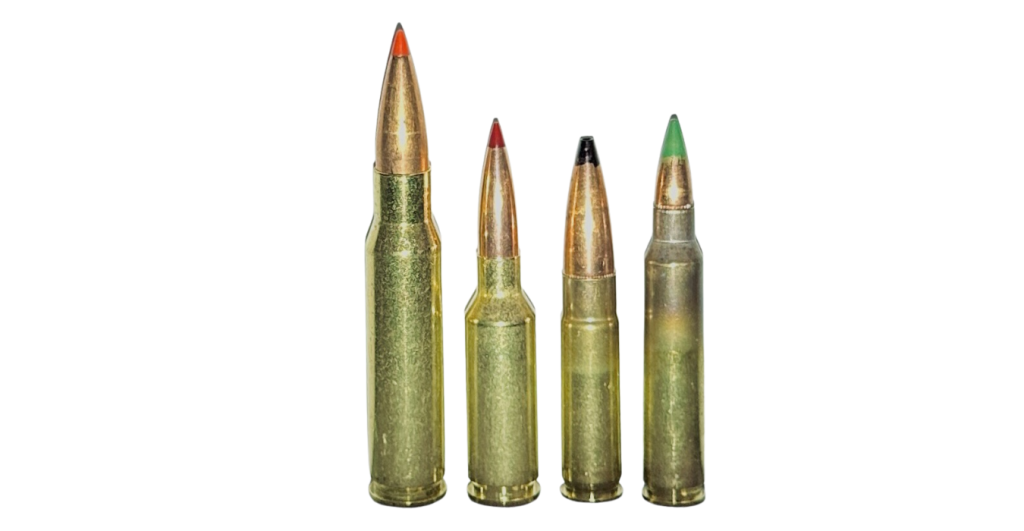
The 6mm ARC brought a different idea to precision shooting: stretching the AR-15 farther without abandoning the platform’s compact footprint. Its design centers on long, high-BC bullets and a flight profile that gives small-frame gas guns more reach than .223 usually can.
That design goal is easy to see in trajectory and wind behavior. Hornady built it to stay supersonic past 1,000 yards, and field comparisons have shown noticeably less drop and drift than .223 at midrange distances. It also remains one of the more interesting examples of how cartridge design has shifted toward efficiency rather than simple muzzle velocity.
6. .270 Winchester
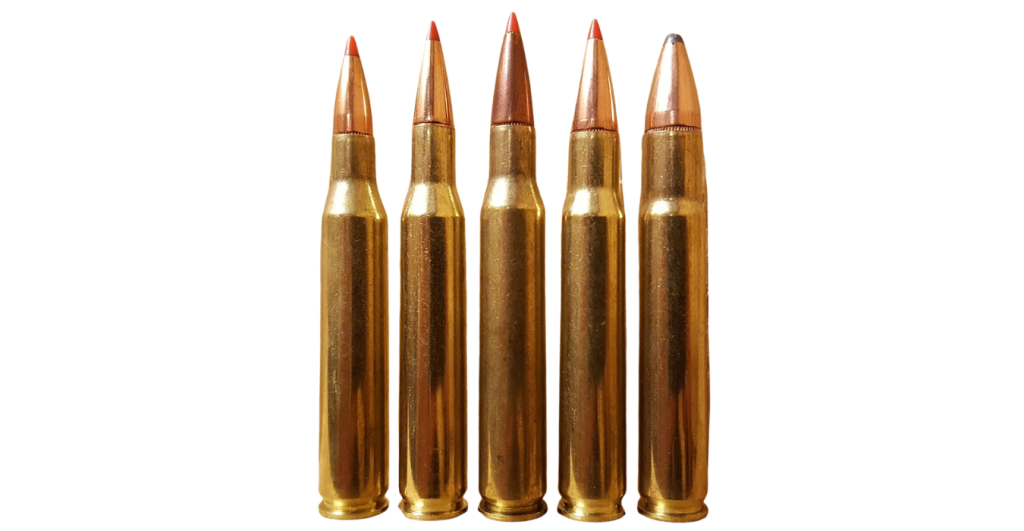
The .270 Winchester predates the precision-rifle boom by decades, yet it still earns a place anywhere practical field accuracy matters. Its reputation was built on flat trajectories and easy hits at normal hunting distances, but that same predictability is why it continues to appeal to riflemen who value uncomplicated performance.
It does not depend on modern branding to be useful. In many factory rifles, it shoots well with little fuss, and it spans a useful zone between lighter-recoiling standards and the heavier magnums. That straightforwardness has kept it alive long after many once-popular cartridges faded from regular use.
7. 6.5 PRC
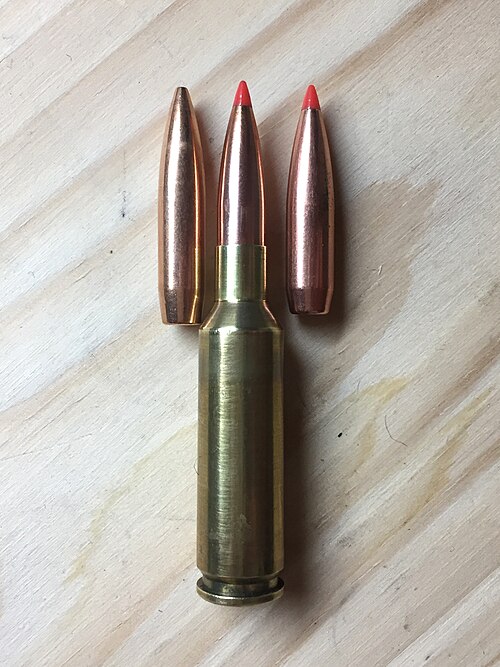
The 6.5 PRC is what happens when the Creedmoor concept gets stretched toward longer reach. It pushes the same class of sleek 140- to 147-grain bullets faster, giving shooters more margin against wind and more retained energy without the full recoil burden of larger magnums.
That extra speed is meaningful, but not because speed alone wins. The cartridge was built to preserve precision while extending useful range. Factory loads commonly run those bullets at roughly 2,910 to 2,925 fps, and that has made the round especially attractive for shooters who want a flatter trajectory than the Creedmoor without jumping to a .30-caliber magnum.
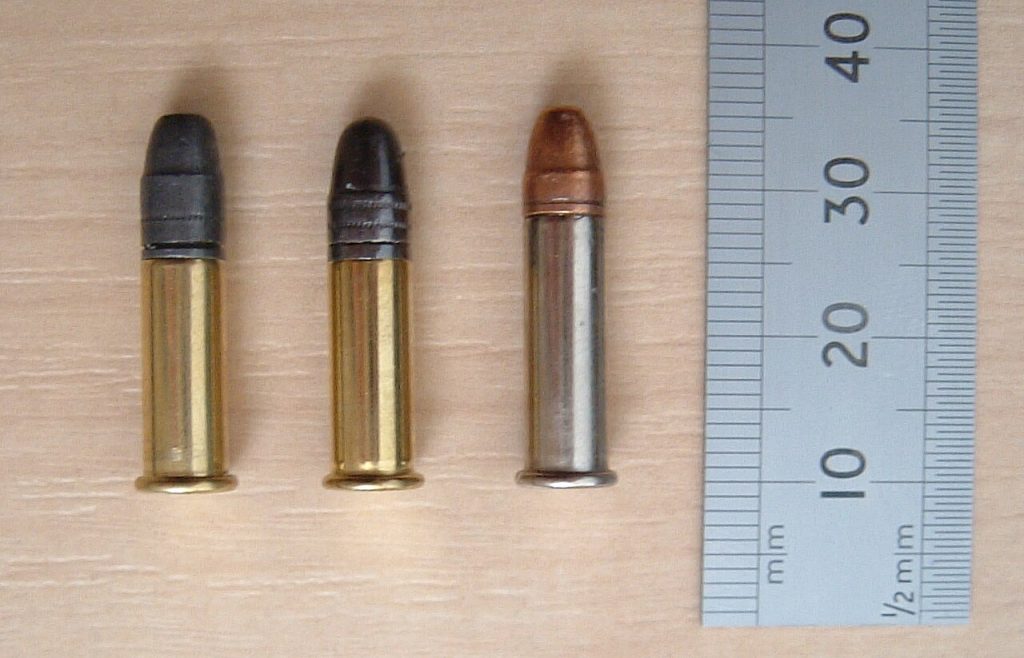
8. .22 LR Match
Match-grade .22 LR belongs on any serious precision list because it sharpens the same fundamentals that centerfire rifles demand. Wind calls, trigger management, position work, and follow-through all show up clearly when the target is small and the ammunition is consistent.
High-quality subsonic loads are the key. By staying around the speed of sound, they avoid the instability that can appear as bullets cross the transonic zone. In a proper rifle, that translates to tiny groups at 50 yards and highly useful practice at 100 yards. Few cartridges expose technique so honestly at such modest recoil levels.
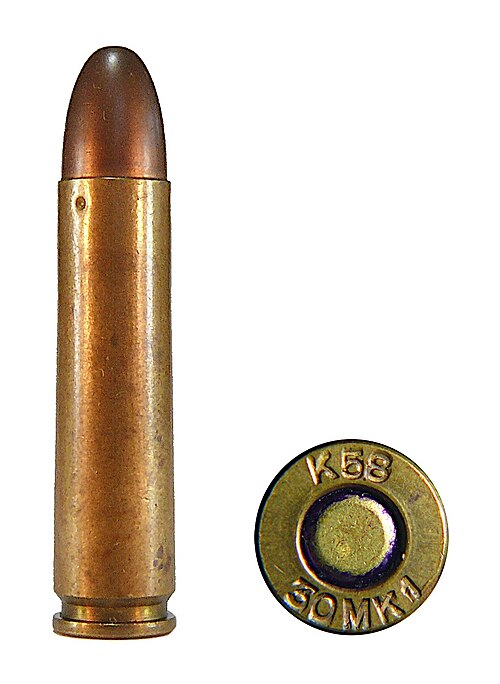
9. 300 PRC
The 300 PRC represents the modern .30-caliber magnum approach. Rather than adapting an older case to today’s longest bullets, it was designed around them from the start. That means a beltless case, longer neck, faster twist standards, and chamber geometry aimed squarely at heavy, high-BC projectiles.
The result is a cartridge widely regarded as more efficient for extreme-range precision than older .30 magnums. Outdoor Life’s comparison of the two highlighted the 300 PRC’s tighter throat and shoulder tolerances, features that support concentric bullet alignment and modern long-bullet seating. That does not erase the value of .300 Win. Mag., but it does show why the PRC has become such an important reference point in current long-range rifle design.
Precision cartridges do not all solve the same problem. Some reduce recoil and let shooters stay on target. Some offer forgiving barrel life and easy practice. Others are designed to keep heavy bullets stable and efficient as distance stretches far beyond ordinary use.
The common thread is repeatability. Whether the choice is a humble .22 LR, a durable .308 Winchester, or a modern long-range round like the 300 PRC, the cartridges that last are the ones that help shooters produce the same result again and again.


