
Some firearm features impress on the counter, in photos, or during a dry-fire check. Then live fire starts, and the tradeoffs show up fast. This is where attractive design can collide with recoil, timing, maintenance, and human technique. A feature can still have a real purpose and still prove less helpful than it first appeared.
1. Ultra-light carry frames
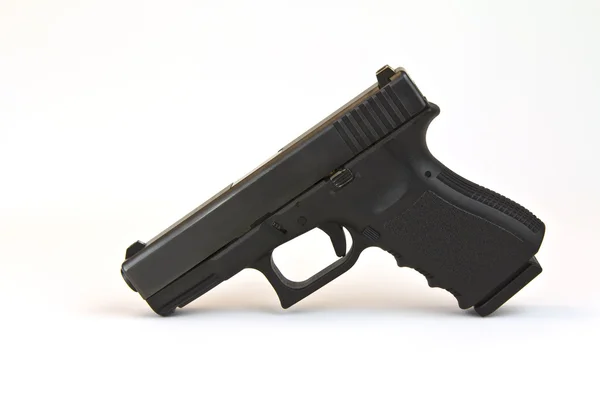
Lightweight handguns are easy to carry, but that advantage often turns into a sharper shooting experience. Recoil energy has less mass to move, so the gun feels more abrupt in the hand and tends to flip harder between shots. As one recoil overview explains, a heavier handgun will have less muzzle flip when size, action, and caliber stay broadly similar.
That difference becomes obvious when a shooter moves from a duty-size pistol to a compact or subcompact. The smaller gun may conceal better, yet it often demands more effort to keep sights stable and recover for the next shot.
2. Tiny grips with minimal texture
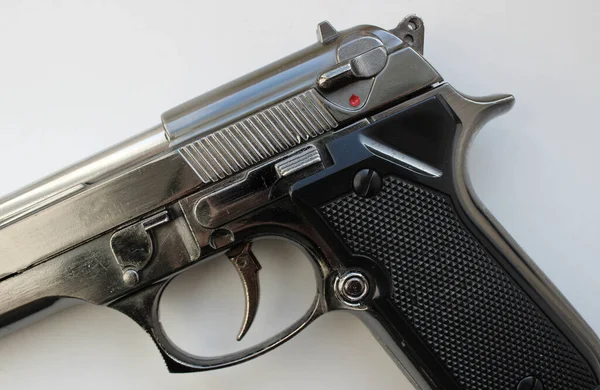
Short grips look sleek and disappear under clothing, but they reduce surface area exactly where control matters most. Less contact means less leverage against recoil, especially when the gun starts moving in rapid fire.
Grip texture matters just as much. Smooth or lightly textured panels can feel refined in the hand, but under recoil they allow subtle movement that stretches split times and makes consistency harder to maintain. A larger, more textured grip usually does not photograph as elegantly, yet it often behaves better when rounds start stacking.
3. High bore axis designs
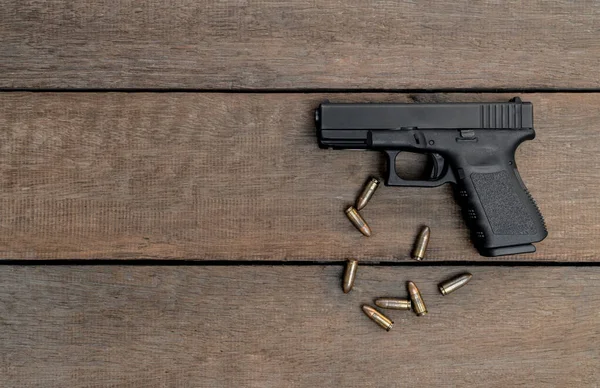
Many pistols look substantial and well-balanced because a lot of slide mass sits high above the shooter’s hand. On the range, that geometry can work against fast follow-up shots. A higher bore line creates more leverage over the hand, which increases muzzle rise.
That does not make such pistols unusable. It simply means the visual impression of solidity does not always match the way recoil is transmitted. Lower bore axis designs tend to drive recoil more straight back, while taller designs often feel more rotational.
4. Heavy or gritty factory triggers
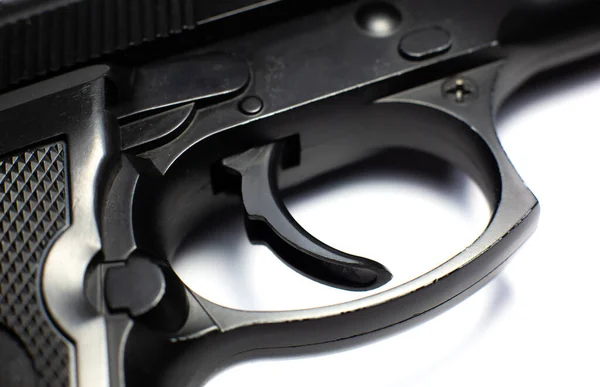
A service-grade trigger can signal durability, drop safety, or institutional conservatism. It can also feel rough, long, and heavier than expected once accuracy work begins.
That complaint appears often with duty pistols that have strong reputations for reliability. In one discussion of the USP line, shooters described some examples as “heavy, gritty and squishy” out of the box, while others noted that normal use tends to smooth them out. The practical issue is simple: a trigger that feels acceptable during a gun-store check can become tiring or disruptive during longer sessions, especially for deliberate double-action work.
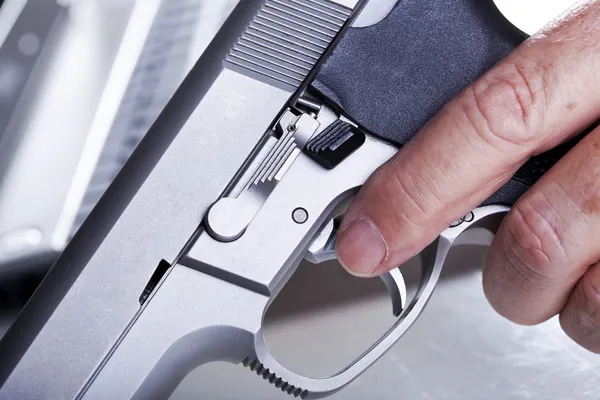
5. The “short reset solves everything” trigger feel
A crisp reset is one of the easiest features to admire in dry fire. It gives immediate tactile feedback and often makes a pistol seem fast before a single round is fired.
Live fire exposes the catch. Over-focusing on the reset can turn it into the shooter’s cue instead of the sights. Training material on the topic notes that pinning the trigger and releasing only to the click can contribute to trigger freeze and delayed follow-up shots when tension increases. The mechanical feel remains satisfying, but the habit it encourages is not always efficient.
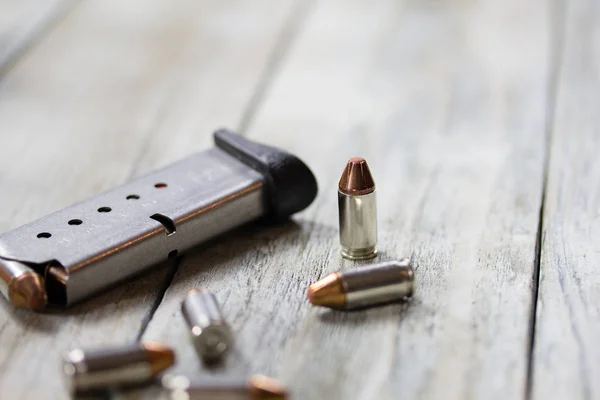
6. New magazines that look fine but drag the action
Magazines are easy to underestimate because they seem simple. Yet a sharp-looking magazine with rough feed lips, weak springs, or poor dimensions can make a good rifle feel broken.
That problem shows up in the real world more often than many owners expect. In one M1A discussion, shooters dealing with a stiff bolt on an empty magazine were told to try a different mag, with several replies steering them toward G.I.-pattern magazines instead of cheaper alternatives. Feed lip friction, follower tilt, and spring fatigue can all create resistance that is invisible until the gun cycles under pressure.
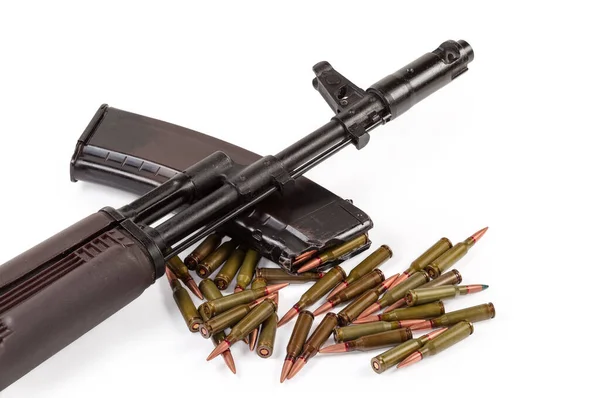
7. Fully loaded magazines in closed-bolt rifles
A full magazine suggests maximum readiness. In practice, some rifle and magazine combinations become stubborn when a closed bolt is involved.
That mismatch can make seating the magazine harder than expected, especially with external box magazines and tight tolerances. Guidance on rifle magazine troubleshooting notes that fully charged mags and closed actions can prevent reliable engagement of the catch. What looked like a simple capacity advantage becomes a loading and handling issue the moment the rifle is used the way many owners intend to use it.
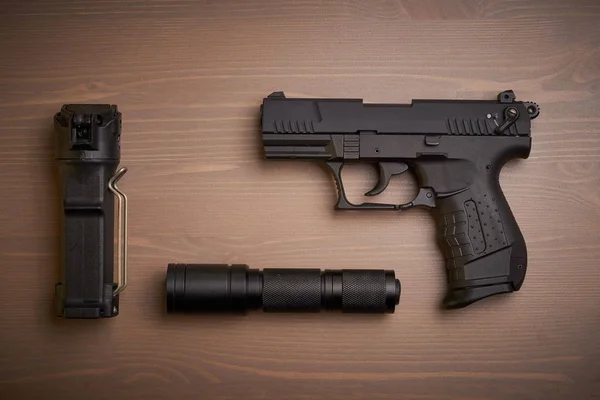
8. Accessory-heavy front ends
Lights and other forward-mounted accessories can make a pistol or rifle look more capable, and added front weight can sometimes calm muzzle movement. But there is a limit where balance starts to suffer.
What helps one aspect of shooting may hurt another. A handgun can feel steadier in recoil with weight near the muzzle, yet slower to present and more awkward in extended handling. The feature still works; it just stops feeling like a universal improvement once the gun is fired and carried in realistic strings.
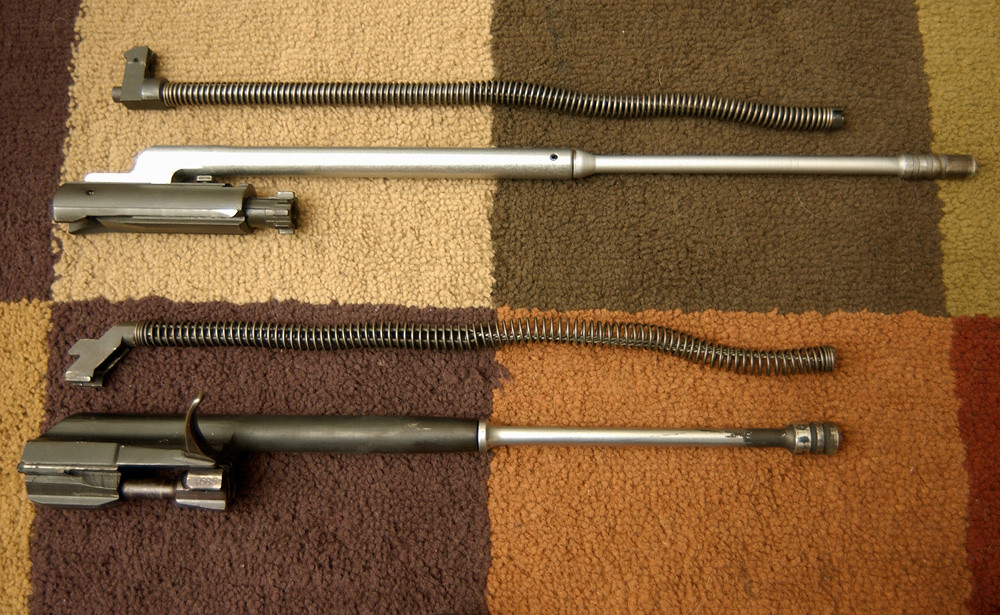
9. AR buffer setups built from mismatched parts
The AR platform invites customization, and the buffer system often looks like an easy place to tune recoil and cycling. It can also become a source of subtle problems when parts are mixed without attention to dimensions and weight.
Commercial and mil-spec receiver extensions are not interchangeable, and the wrong combination can lead to wobble, noise, or cycling issues. Add the wrong buffer weight or a worn spring and the rifle may start showing feeding or ejection problems. A tuned rear end may sound impressive in a parts list, but the gun only judges the combination under recoil.
The pattern behind these features is consistent. Many of the most attractive ideas in firearms design are not bad ideas at all; they simply reveal their costs only after recoil, heat, and repetition enter the picture.
The range has a way of separating visual appeal from useful engineering. A part that feels refined in the hand or looks ideal in a product photo still has to survive the more honest test of being fired again and again.


