Self-defense ammunition attracts more folklore than almost any other corner of handgun technology. Range chatter tends to reduce complex terminal performance into slogans about speed, caliber, or the shape of a recovered bullet, but controlled testing keeps stripping those shortcuts away.
Ballistic gelatin is not a human body, and serious testers say that plainly. Its value is that it provides a repeatable comparison tool, especially when loads are shot through standardized barriers and measured for penetration, expansion, and consistency. In the handgun world, those three factors keep exposing the same myths over and over.

1. Handgun rounds have enough force to knock an attacker backward
This idea survives mostly because movies trained people to expect dramatic reactions from pistol hits. Measured testing shows something far less theatrical. Handgun bullets create wound tracks; they do not produce a reliable physics-driven “knockback” effect.
One of the clearest summaries in the test literature is the blunt line that handgun bullets “do nothing but make little holes in things.” That is not a dismissal of handguns so much as a reminder that shot placement and adequate penetration matter more than cinematic impact. Gel blocks reinforce that point because they display track depth and bullet deformation rather than visible target displacement.
2. If a hollow point expands, it has automatically done its job
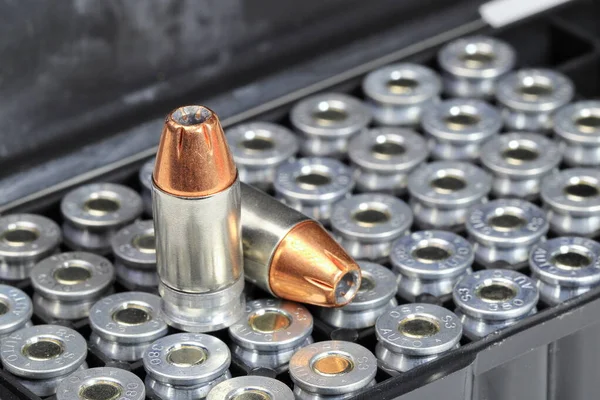
Expansion photographs are persuasive, but they can also hide weak performance. A bullet that opens aggressively and stops short may look ideal on a table while still failing to reach vital structures under less-than-perfect angles.
The commonly cited 12-18 inch penetration range exists for that reason. A defensive bullet may need to pass through clothing, an arm, or angled anatomy before reaching critical organs. Tests repeatedly show some loads expanding impressively while falling below that depth window, especially when short-barreled carry guns are involved.
3. More penetration is always better
Under-penetration gets attention, but the opposite problem is real too. Loads that fail to expand can travel very deep, and full metal jacket designs often continue in a straight path with minimal deformation.
That is not proof of superior effectiveness. It is a warning sign. Ballistics projects that track individual shots have shown that heavy clothing can turn a hollow point into something acting much closer to a non-expanding bullet, increasing the chance of excessive penetration and reducing the bullet’s ability to create a wider permanent cavity.

4. Heavy clothing is no longer a meaningful problem for modern hollow points
Modern bullet design is better than it used to be, but fabric still matters. Standardized heavy-clothing tests remain common because multiple layers can clog the hollow cavity and interfere with expansion.
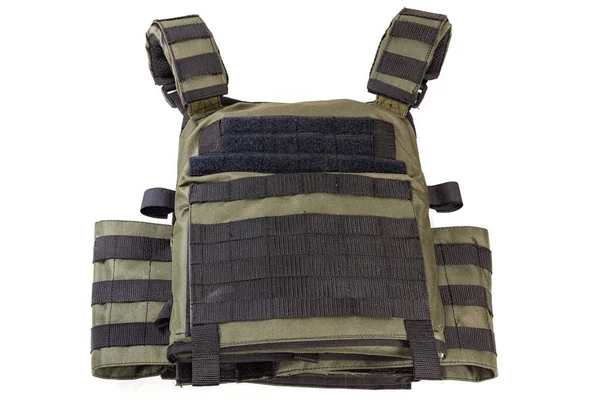
In one widely used protocol, testers place four layers of heavy clothing in front of the gel: cotton, another cotton layer, fleece, and denim. That barrier is intentionally difficult, not because people dress exactly that way every day, but because it pressures the bullet design in a repeatable worst-case setup. Results across many calibers show that some loads remain dependable while others partially clog, expand inconsistently, or over-penetrate.
5. The temporary cavity is the real measure of stopping power
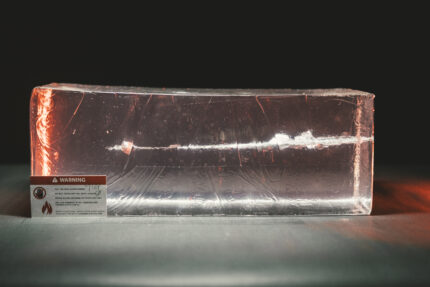
High-speed video makes temporary stretch cavities look enormous, and that visual effect has fueled decades of misunderstanding. With handguns, the more reliable indicator is usually the permanent crush path left by the bullet.
Even large test programs note that handgun velocities generally do not create the kind of tissue disruption associated with rifle impacts. Some synthetic media can also exaggerate the ballooning effect, making dramatic footage a poor substitute for measured depth and recovered bullet geometry. In practical terms, a load that consistently penetrates and expands is more informative than a flashy slow-motion clip.
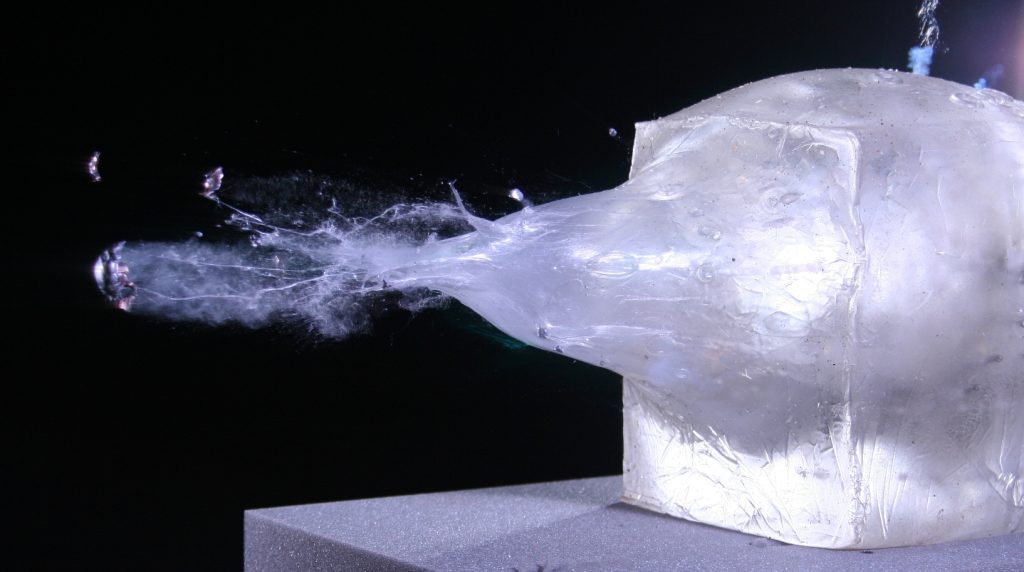
6. Ballistic gelatin is useless because it is not a real body
This myth confuses simulation with comparison. No serious tester claims gel duplicates skin, bone, organs, and every variable of a living target. The point is standardization.
That standardization is what allows one load to be compared against another under the same conditions. Large test series have used five-shot strings, short carry-length barrels, fixed shot distance, and consistent barriers to build side-by-side data sets. There is also an important caveat: not all gelatin substitutes behave the same way, and some researchers have argued that certain clear synthetic products can alter penetration and expansion compared with calibrated 10% ordnance gelatin. Even so, controlled media remain far more useful than anecdotes when the goal is comparing ammunition performance.
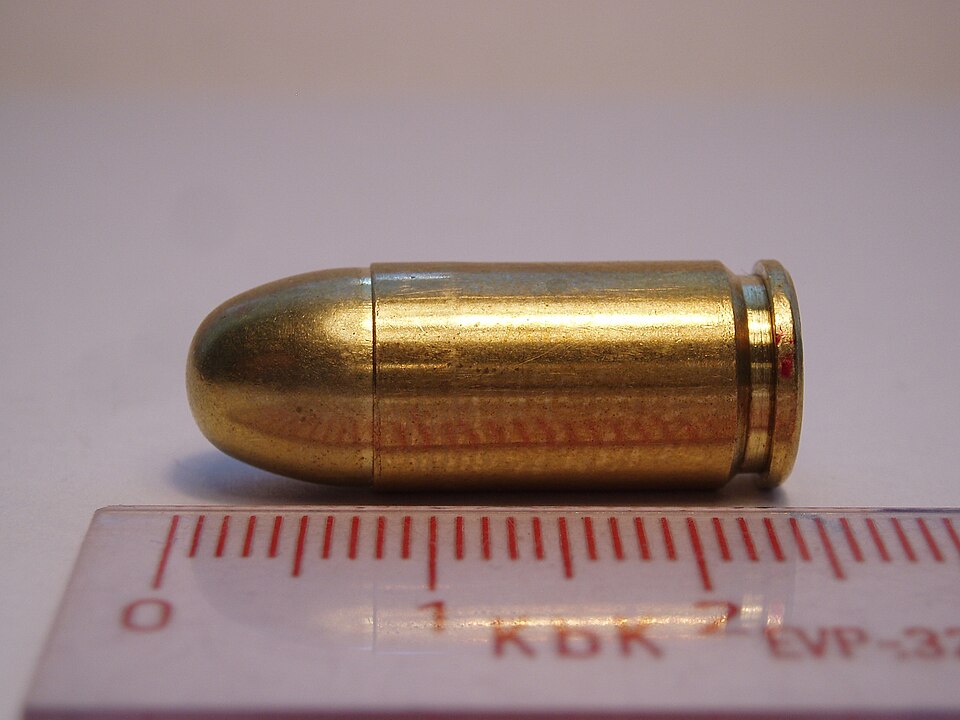
7. Fast and light always beats slow and heavy
Velocity matters, but it is not a magic answer. A lighter, faster bullet can expand violently and lose steam early, while a heavier bullet can keep driving but still fail if its design does not handle barriers well.
Chronograph numbers alone do not settle the issue. In compact-gun testing, 9mm delivered significantly more muzzle energy than .380 ACP in the cited subcompact sample, yet real defensive performance still depended on whether a given load penetrated adequately and expanded consistently. Ballistic tests keep favoring balanced design over simplistic “faster is better” logic.
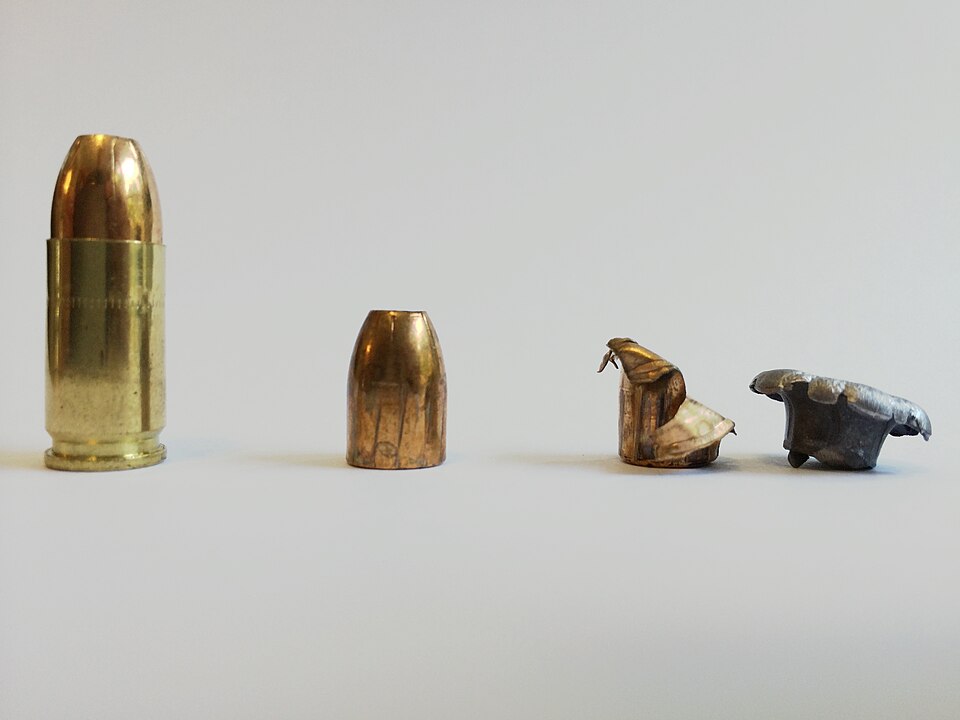
8. A load either works or fails, with no middle ground
This is one of the least accurate myths and one of the most common. Ammunition performance is often variable rather than binary. Repeated testing shows that some loads produce a textbook mushroom in one shot, partial expansion in another, and a clogged bullet in the next. That is why multi-shot protocols matter. A single recovered bullet can flatter a load; a string of shots reveals whether that result is repeatable. The better test projects emphasize averages, spread, and consistency because repeatability is often more valuable than one perfect-looking expansion photo.
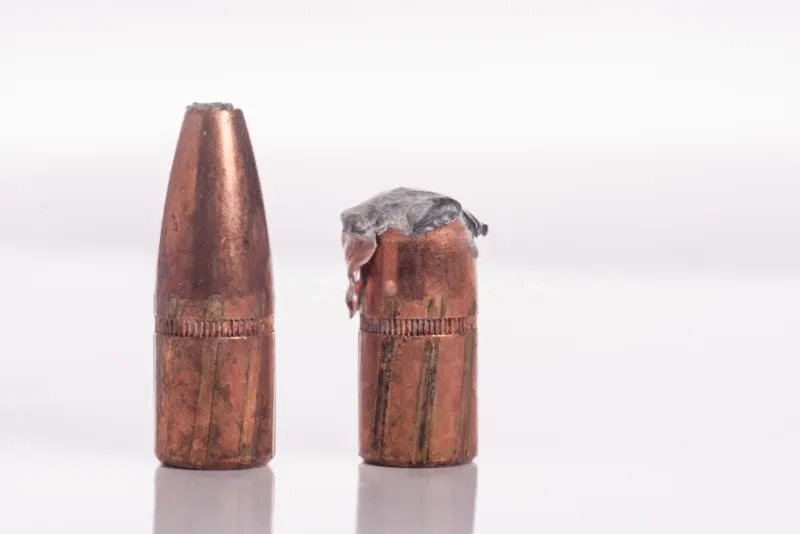
Across modern handgun testing, the same lesson keeps surfacing: myths usually grow out of isolated examples, dramatic visuals, or old caliber debates. Measured performance tends to be less exciting and far more useful. Penetration depth, reliable expansion through clothing, and consistent results from shot to shot remain the core indicators. Ballistics tests do not replace training or function testing in the actual carry gun, but they do a very effective job of exposing bad assumptions that refuse to die.


