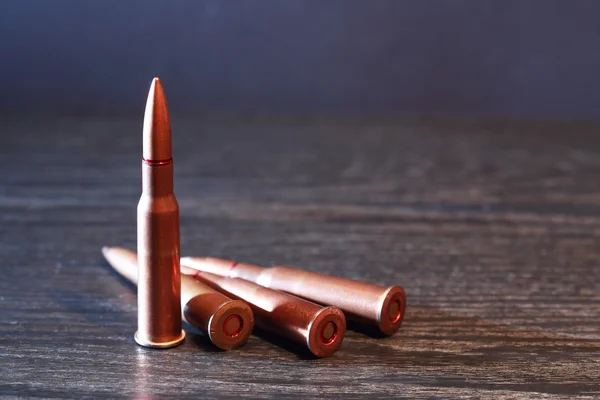
Some rifle cartridges build reputations that outgrow their actual job description. In hunting circles, that usually happens when a round that works well for varmints, range use, or close-range deer gets talked about as if it can cover every animal and every condition without compromise.
That is where cartridge hype starts to collide with field reality. Energy figures, velocity claims, and flat-shooting trajectories matter, but they do not erase the basic rule that bullets stop animals by reaching and damaging vital organs. As one ballistic summary put it, “Bullet energy really matters only when it’s insufficient to penetrate enough to reach those vital organs.” For bigger game, that limitation shows up quickly.
1. .223 Remington
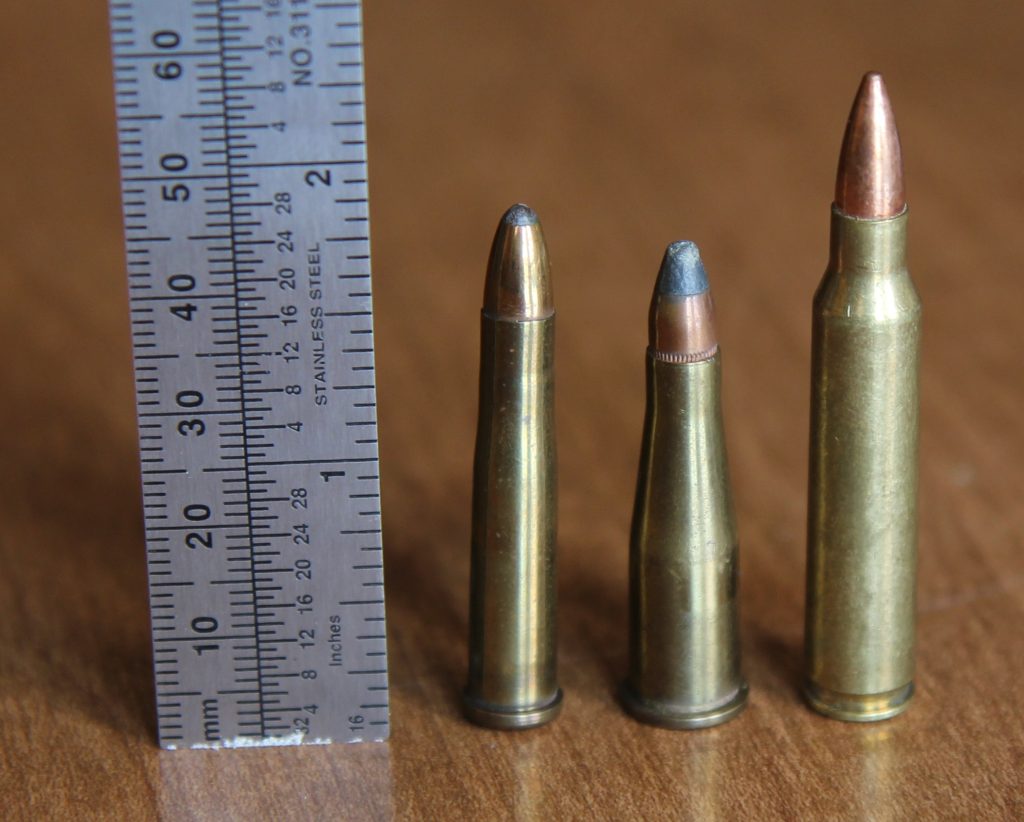
The .223 Remington remains one of the most useful small-bore rifle cartridges ever made, but its usefulness is often stretched far beyond what the round consistently delivers on heavy-bodied game. Typical hunting loads sit around 55 grains at more than 3,200 fps, producing the speed and light recoil that make it easy to shoot well.
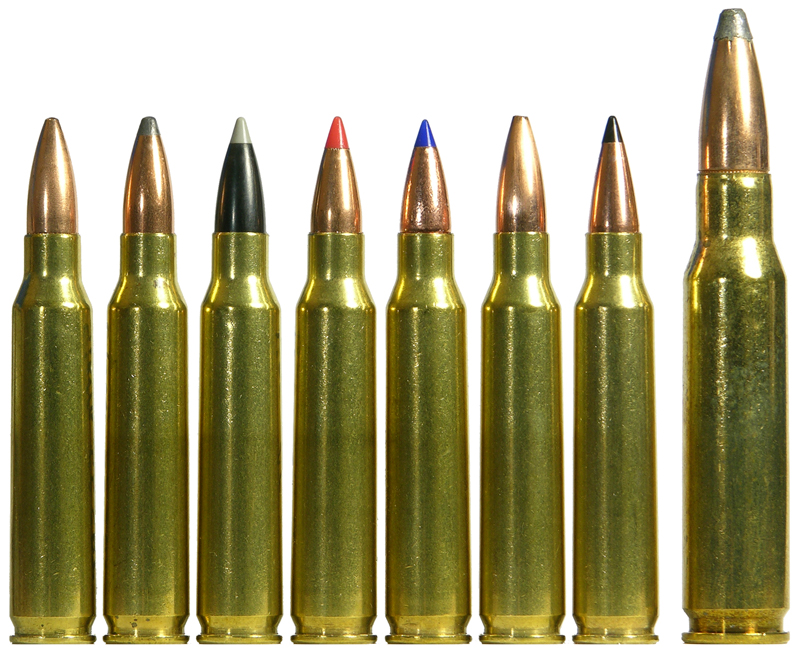
That does not make it a dependable large-game cartridge. It can work on deer under controlled conditions, but it leaves very little margin once bone, quartering angles, or longer distances enter the picture. The bigger issue is retained authority downrange. Compared with larger hunting rounds, the .223 simply runs out of penetration and impact energy too soon, even though 7.62 rounds carry roughly double the kinetic energy in a closely related military comparison.
2. .22-250 Remington
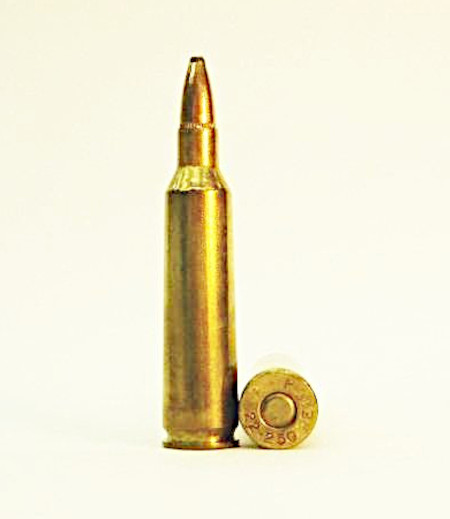
The .22-250 built its name on raw speed, and deservedly so. It can launch light bullets at nearly 3,800 fps, which makes it extremely flat-shooting and highly effective on coyotes, prairie dogs, and other small targets where speed and minimal holdover are a real advantage.
Speed alone is where many of the claims begin to outrun the cartridge. The .22-250 does not carry much bullet mass, and in hunting that matters once the target is larger than its design brief. Fast, light bullets can expand violently and produce dramatic surface damage while failing to drive deep through heavy muscle and bone. The result is a cartridge that looks spectacular on paper and in varmint fields, but becomes a narrow tool once bigger animals are involved.
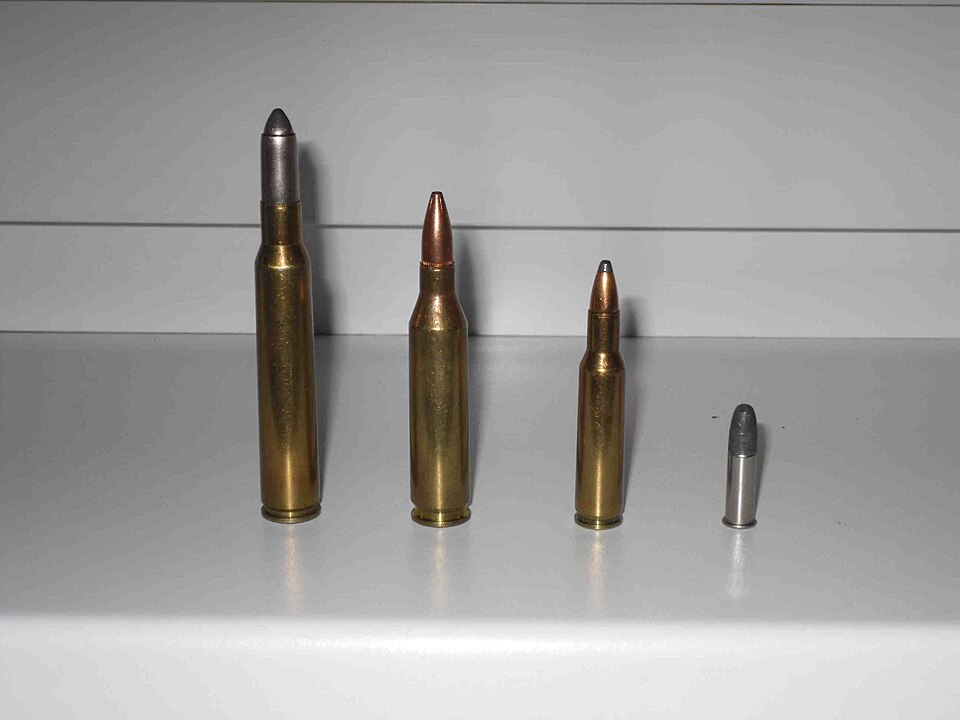
3. .243 Winchester
The .243 Winchester has stayed popular because it solves real problems. It is soft-shooting, easy to learn with, and very effective on deer-sized animals with 90-to 100-grain bullets. None of that is in dispute.
Its reputation gets shaky when it is described as a do-everything hunting answer. For deer and pronghorn, the .243 remains credible. For elk or moose, its lighter bullets give up sectional density, frontal area, and impact forgiveness compared with larger calibers. In perfect conditions, a disciplined shooter can make it work. In actual field conditions, where shot angles change and animals move, that small operating margin becomes the real story.
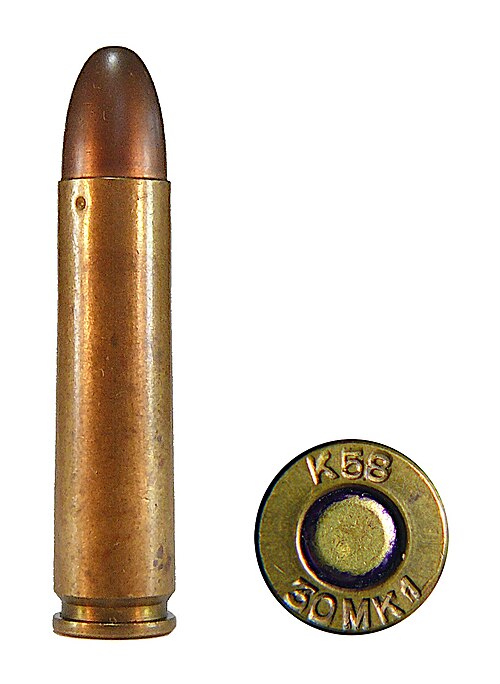
4. .30 Carbine
The .30 Carbine still benefits from nostalgia and compact-rifle appeal, but ballistically it never belonged in the same class as modern hunting rifle rounds. It typically pushes a 110-grain bullet at about 1,990 fps, which leaves it much closer to a high-end pistol cartridge than a true big-game rifle load.
That is why the cartridge runs into hard limits almost immediately outside close-range small or medium game use. It gives up range, penetration, and bullet performance, and even older critics noted that the gun was woefully underpowered. Compact handling does not fix that. For hunters wanting a short rifle with genuine field authority, the modern market offers much stronger options without leaning on wartime mystique.
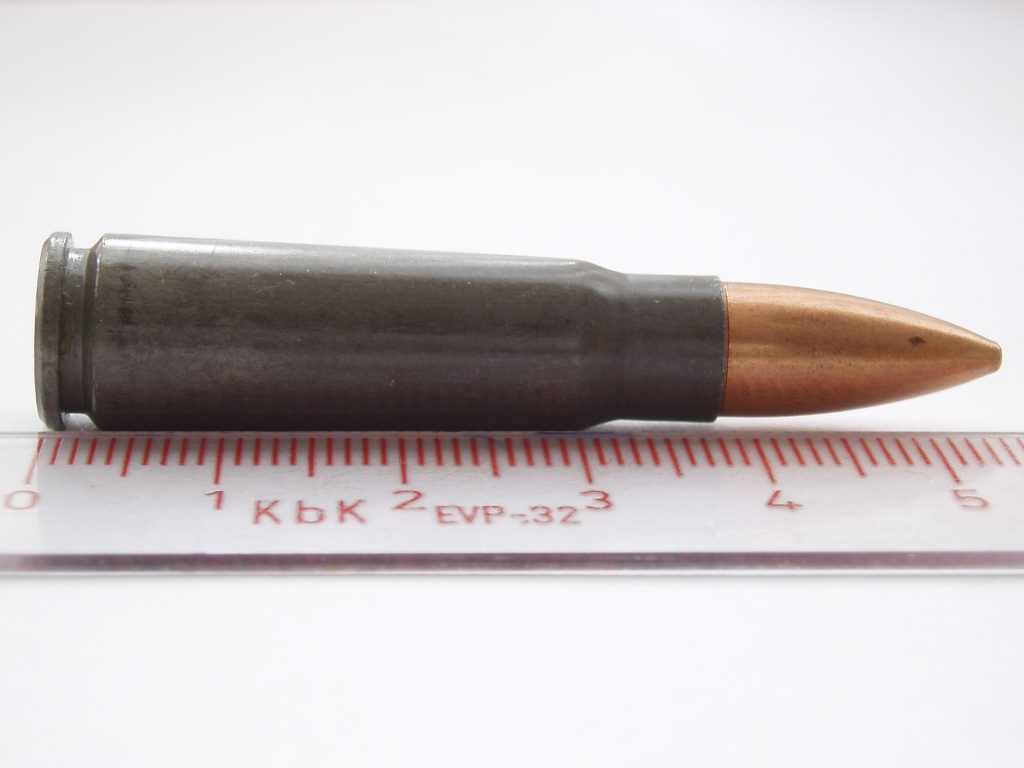
5. 7.62x39mm
The 7.62x39mm is durable, practical, and easy to manage, which explains why it continues to attract interest beyond its original platform. With a 123-grain bullet around 2,350 fps, it has enough punch for short-range deer work, especially inside woods distances.
Its limitations are not complicated. The arc gets steep, velocity falls away quickly, and terminal performance does not age gracefully as range increases. Past roughly 150 yards, the cartridge starts asking for tighter range discipline and better shot selection than its reputation usually admits. It is a workable brush-country round, not a broad-spectrum answer for large game.
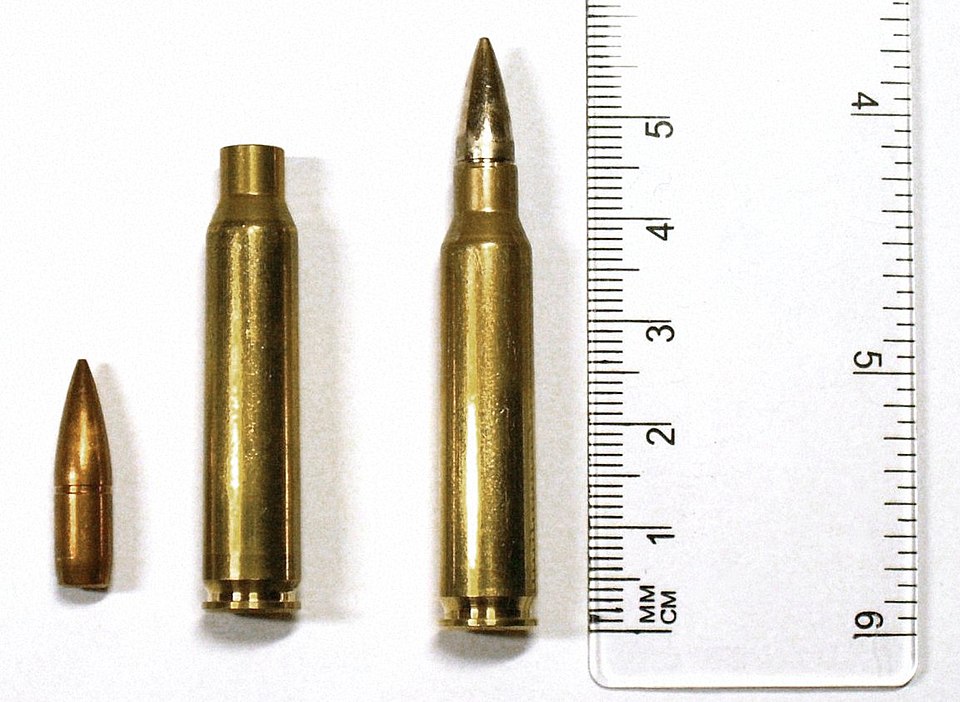
6. 5.56 NATO
The 5.56 NATO often gets folded into the same conversation as the .223 Remington, and for hunting purposes the practical criticisms are similar. Its higher operating pressure can bring a little more speed, but not enough to change the cartridge’s standing on larger animals.
This round’s reputation has also been shaped by confusion over “knockdown” language. The old idea that a fast rifle bullet will simply bowl game over is not supported by field evidence. As the term “knockdown power” is a misnomer, immediate collapse depends far more on central nervous system damage or physiological timing than on internet shorthand about caliber. That matters because the 5.56 is often over-credited for dramatic results that are really about shot placement, not cartridge class.
7. .17 HMR
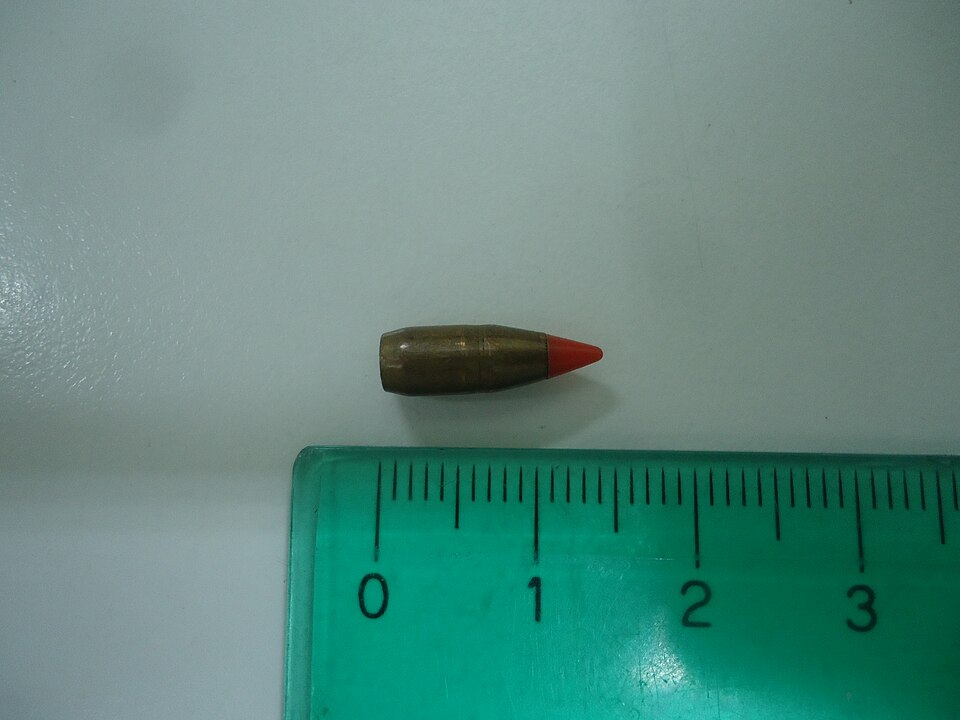
The .17 HMR is one of the clearest examples of precision being mistaken for authority. It is accurate, fast for a rimfire, and extremely effective on the small pests and varmints it was built for. A typical load sends a 17-grain bullet around 2,550 fps.
What it does not deliver is meaningful large-game capability. Energy remains extremely low, penetration is limited, and the tiny bullet gives up badly in wind and on tougher tissue. Broader criticism of .17-caliber field performance has long centered on how the wind, no matter how light, toyed with its tiny bullets. On bigger animals, that problem only compounds the cartridge’s lack of depth and tissue destruction.
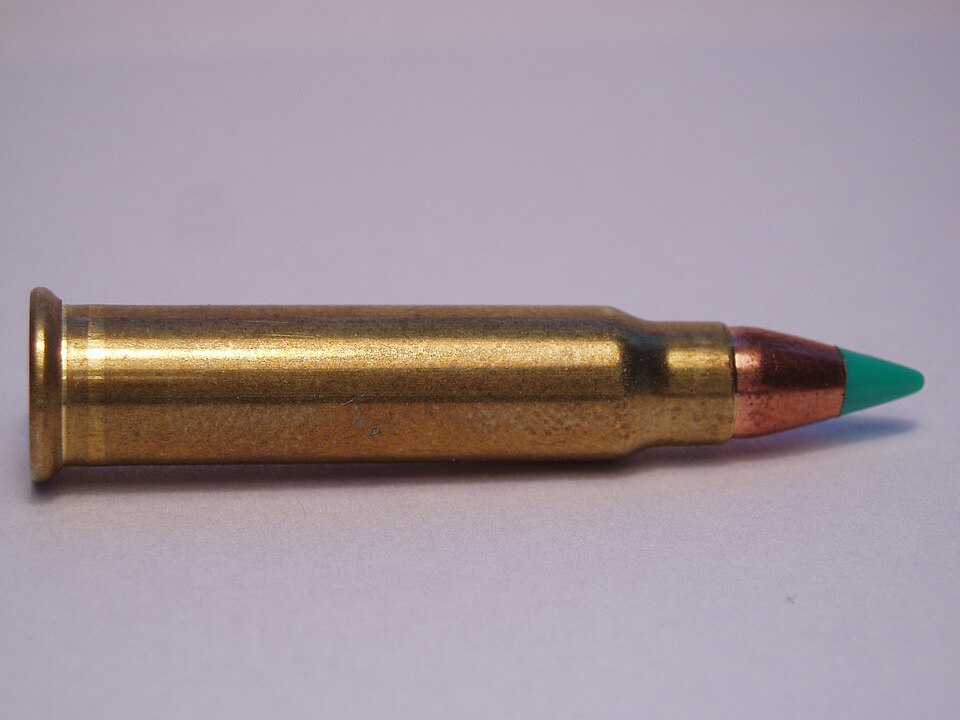
These cartridges are not failures. Most of them are excellent when kept inside the roles they were actually built to fill, whether that means varmints, predators, target shooting, or close-range deer hunting.
The problem begins when reputation outruns design. In the field, larger game still demands the same old essentials: adequate penetration, enough bullet weight, and enough energy at impact. No amount of cartridge folklore changes that.


