

Glock built its reputation on consistency. That formula made armorers, agencies, and long-term owners comfortable with a catalog that changed slowly and stayed familiar for years.
That is why a leaner product range matters. The shift is not just about dropping slow sellers. It reflects a broader engineering and manufacturing reset shaped by optics, parts compatibility, slimline expectations, and the growing need to harden designs against illegal conversion devices.
1. Fewer overlapping models free up production capacity
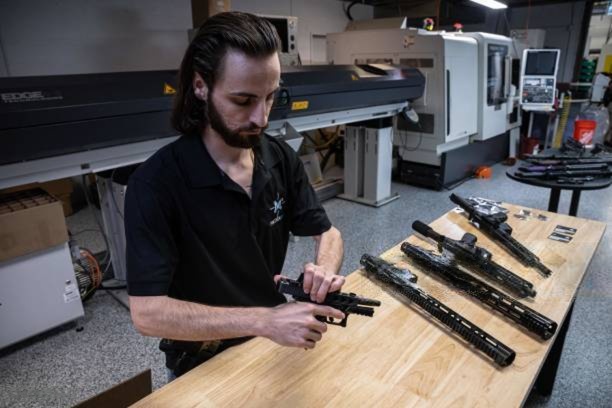
A large catalog creates hidden factory costs. Multiple generations, niche chamberings, and near-duplicate variants all demand separate scheduling, inspection routines, and inventory tracking. A tighter lineup allows Glock to keep machines running longer on core configurations rather than stopping for low-volume changeovers. That kind of retrenchment has been discussed widely by Glock enthusiasts watching the company narrow its lineup around the highest-demand pistols. The practical result is simple: fewer fringe SKUs leave more room for the models that define the current baseline.
2. Optics-ready slides have become the default, not the upgrade
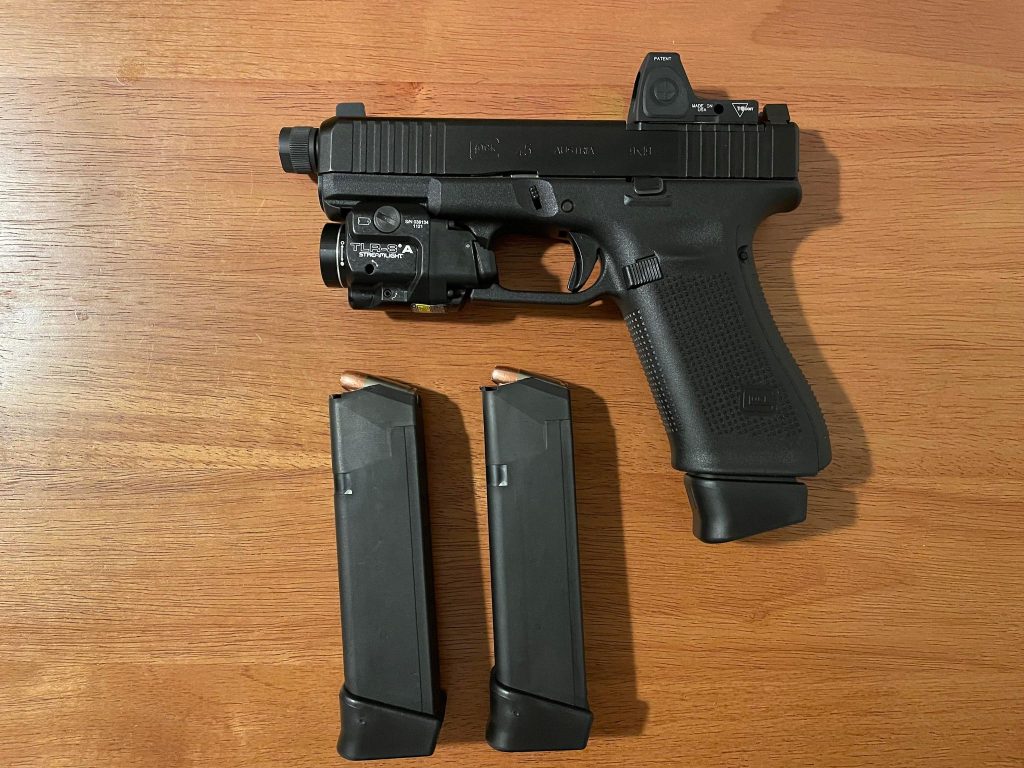
Optic cuts are no longer a specialty feature reserved for enthusiasts. Glock’s own MOS program describes optical sights as a way to improve speed and target acquisition, while noting that slimline MOS slides use cuts designed for specific micro-optics rather than plate-based standard MOS arrangements. That distinction matters because every legacy iron-sight-only slide still consumes machining time. As optics-ready demand rises, older non-MOS variants become harder to justify at full production rates. The cleaner business move is to center the range around slides already configured for modern sighting systems.
3. Illegal conversion devices are now an engineering problem
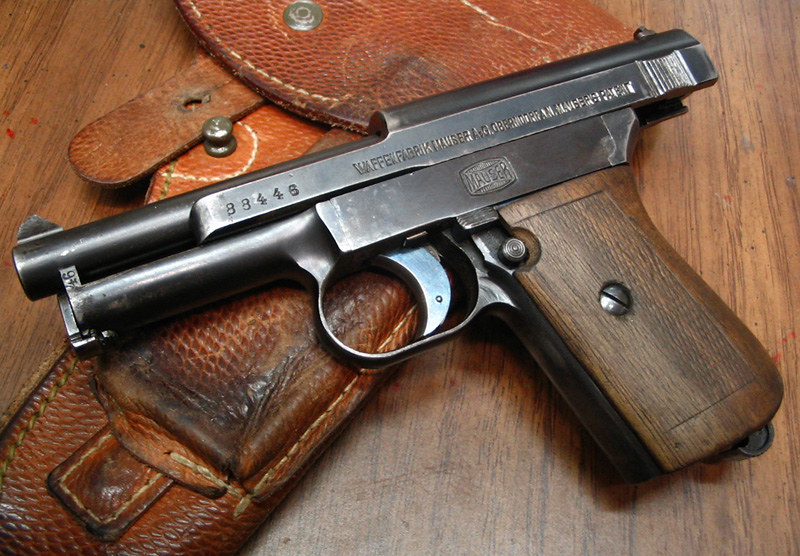
Small add-on auto sears, often called switches, have changed the design conversation around striker-fired pistols. They are no longer just a law-enforcement topic. They now influence how manufacturers think about slide geometry, internal blocking features, and legal exposure. The pressure comes from both legislation and data. Publicly cited trace and seizure numbers, including 11,088 machine gun conversion devices recovered between 2019 and 2023, keep the issue attached to product design. Once that happens, simplifying the lineup and standardizing deterrent features across core models becomes easier to defend internally.
4. Gen6 gives Glock a clean point to standardize features
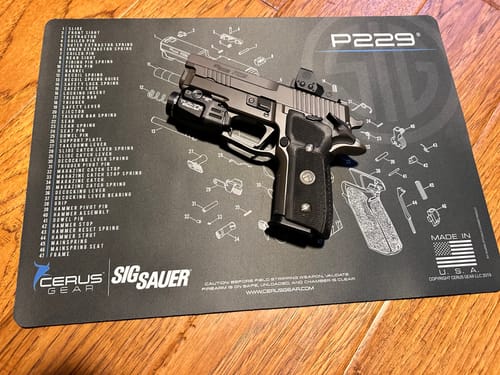
With the official launch of the 6th Generation in 2026, Glock has a fresh baseline for ergonomics and factory configuration. The company described Gen6 as combining updated frame ergonomics, a flat faced trigger design, and a new optic ready system into one platform. Once a new baseline exists, older in-between versions become harder to keep alive. A company can support legacy pistols and still direct most development, tooling, and shelf space toward a smaller set of current-generation models.
5. Parts compatibility is no longer as forgiving as many owners assume
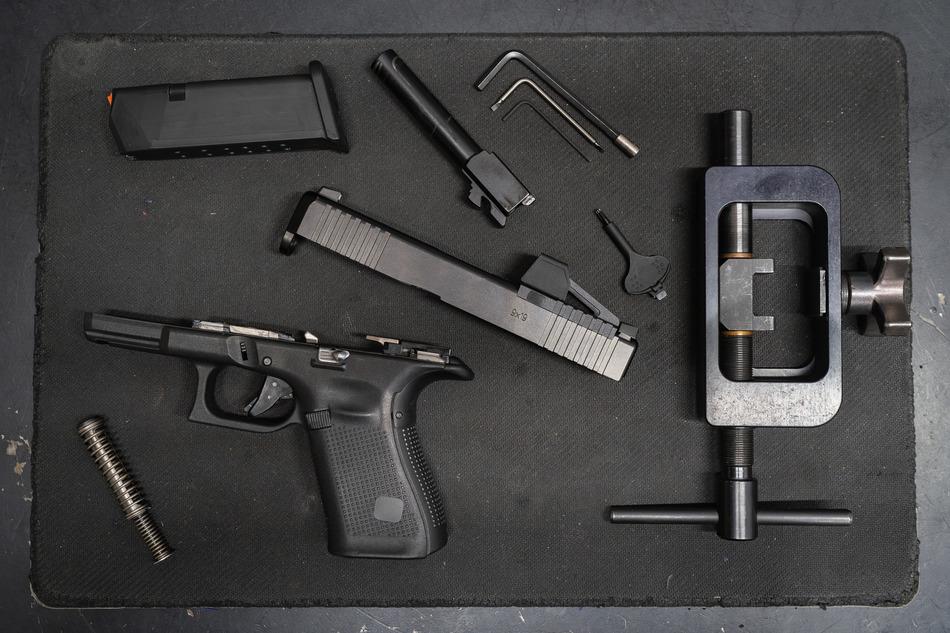
Older Glock lore treated interchangeability as nearly universal. That was never fully true, and the gaps widen as generations diverge. Recoil spring layouts, slide dimensions, and internal geometry all become more generation-specific over time. This is where a long catalog starts working against the brand’s own strengths. When users mix parts under the assumption that “Glock parts are Glock parts,” the chance of fitment problems goes up. Narrowing the lineup around newer standards reduces that confusion and keeps support centered on fewer mechanical ecosystems.
6. Slimline pistols now create their own pressure on the catalog
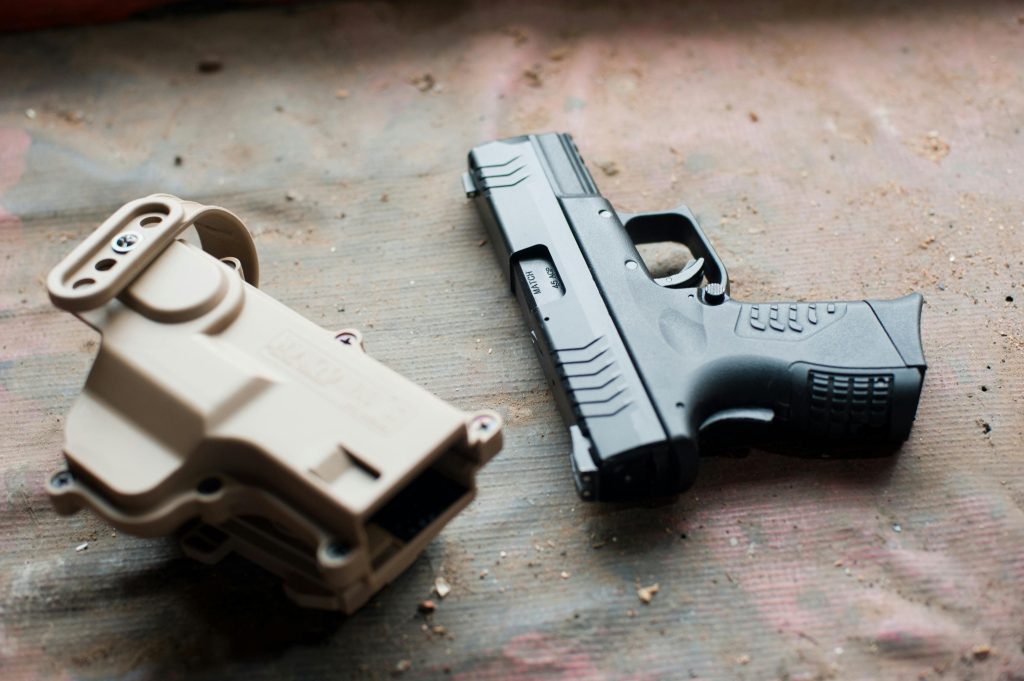
The slimline family is no longer a side note. Glock has already highlighted the G43X MOS and G48 MOS as dedicated slimline optic-ready offerings, and the company’s product history shows a clear move toward carrying thinner pistols with modern sight options. At the same time, enthusiast discussion shows where expectations are heading.
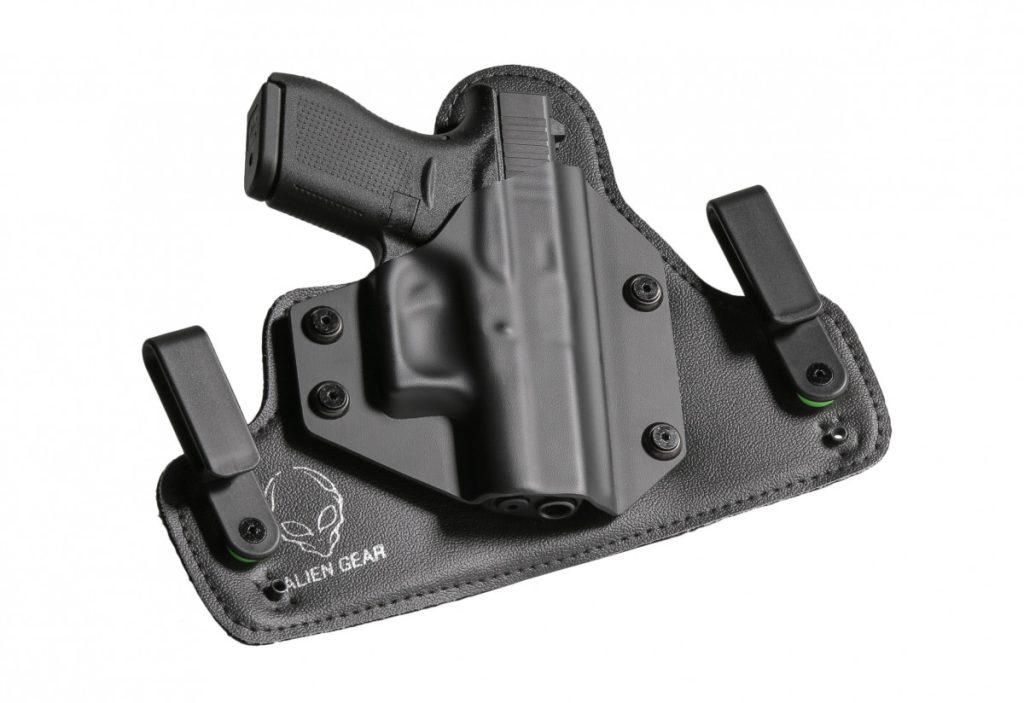
Many owners focus less on full-size updates and more on whether slimline guns will gain better texturing, trigger changes, or a more unified optic setup. Some also expect weaker sellers in that family to disappear while stronger models remain. The catalog pressure is obvious: once one slimline variant becomes the favorite, adjacent models have to justify their place much more clearly.
7. The brand is shifting from broad sameness to focused standardization
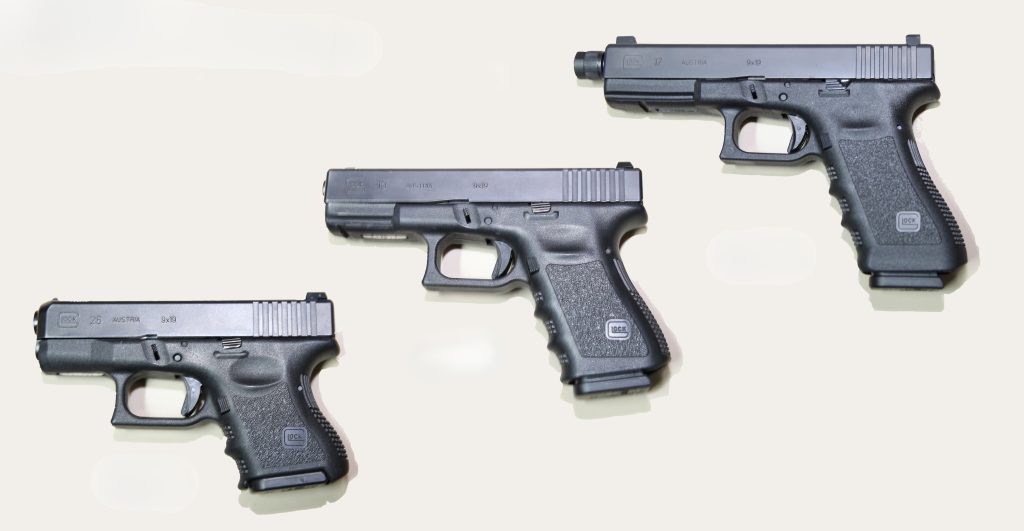
Glock spent decades benefiting from stable controls, familiar handling, and long production lives. The current direction keeps that familiar identity, but it applies it to a smaller set of pistols with more tightly defined features. That means standardization now matters more than sheer variety. Instead of offering every legacy configuration indefinitely, the company appears to be concentrating on models that are easier to produce in volume, easier to configure for optics, and easier to align with current design requirements. The result is a lineup that looks less sprawling and more deliberate.
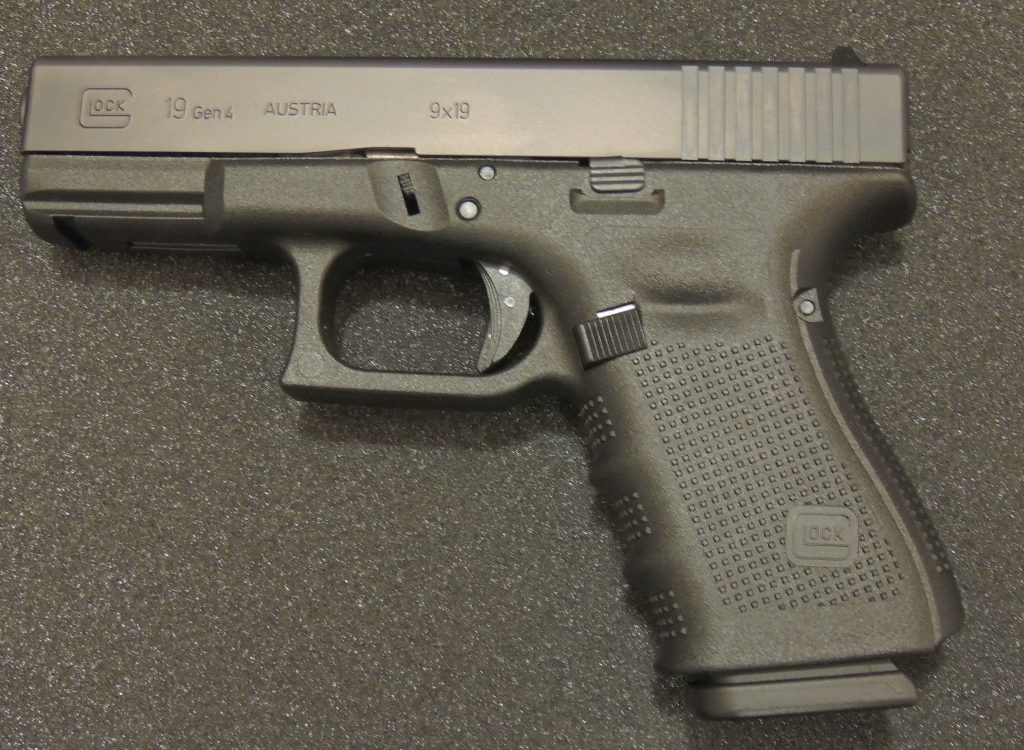
For owners, the change does not mean immediate abandonment of older pistols. It means the center of gravity is moving. The models that remain in the core range will receive the deepest production attention, the clearest feature updates, and the strongest long-term manufacturing focus. That is the real story behind Glock’s leaner direction: not a collapse of support, but a narrowing of priorities around the pistols and features that now define the platform.


