Reliability is the trait that separates an interesting pistol from a trusted one. A handgun can be slim, powerful, historically important, or easy to conceal, but repeated stoppages change the whole equation.
That is why certain models still come up in range talk years after release. Some were hurt by rushed rollouts, some by narrow ammunition preferences, and some by design choices that left very little margin for dirt, weak ammo, or hard use. In practical terms, that matters more than advertising language or brand reputation.
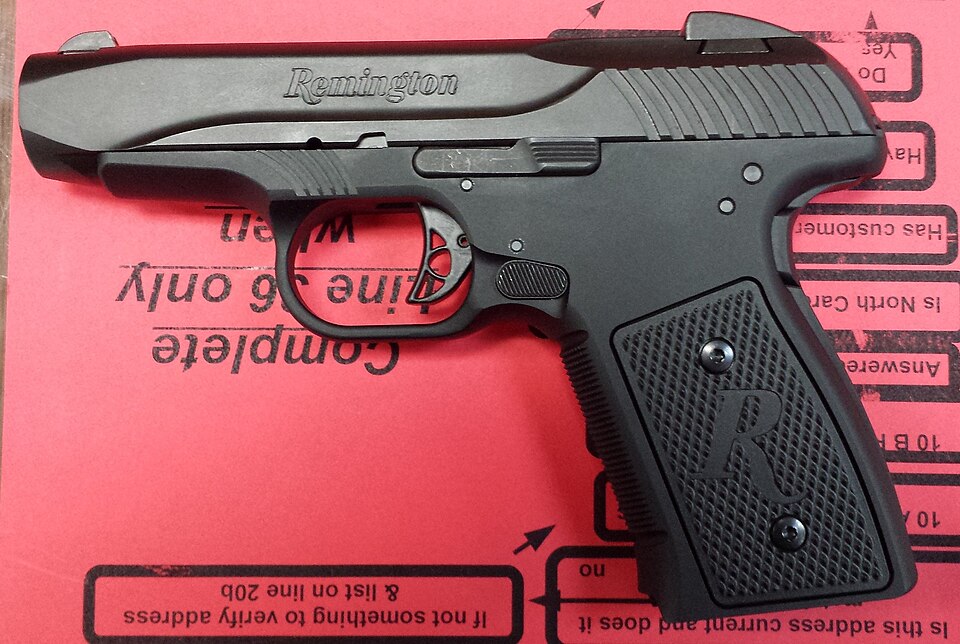
1. Remington R51
The R51 arrived as a modern take on Pedersen’s older Model 51 concept, using a hesitation-lock system in a very slim 9mm package. On paper, the combination looked strong: low bore axis, compact dimensions, and a design with real historical appeal. In use, the pistol developed a much rougher reputation.
Reports centered on failures to feed, light primer strikes, and the far more serious firing out of battery issue that pushed the model into recall territory. A later revision improved some problems, but magazine-related cycling complaints remained. The bigger lesson was not just about one pistol, but about what happens when an ambitious design reaches the market before it has been fully sorted out.
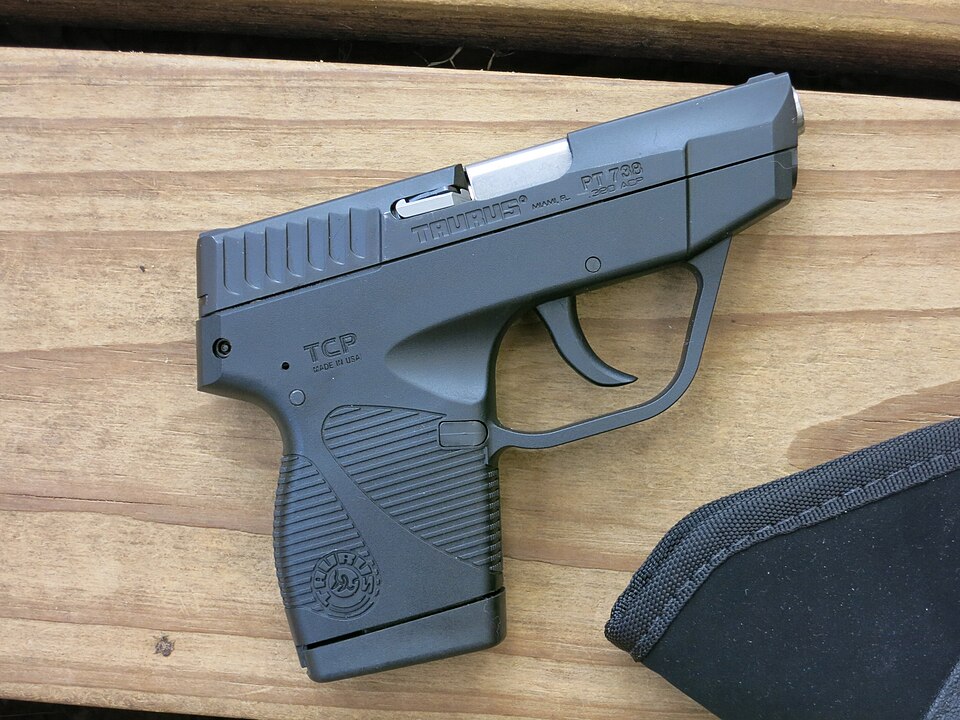
2. Taurus PT738 TCP
The PT738 TCP won attention because it was tiny, light, and easy to hide. That formula has always appealed to deep-concealment users, especially in .380 ACP, where compact dimensions often drive the purchase decision.
Its drawback was inconsistency. Shooters commonly tied the pistol to light strikes and erratic ejection, with weaker or budget ammunition drawing the most complaints. Ultra-small autos already run with limited slide mass and tight timing windows, so ammunition sensitivity becomes more than a minor annoyance when the gun is intended for defensive carry.
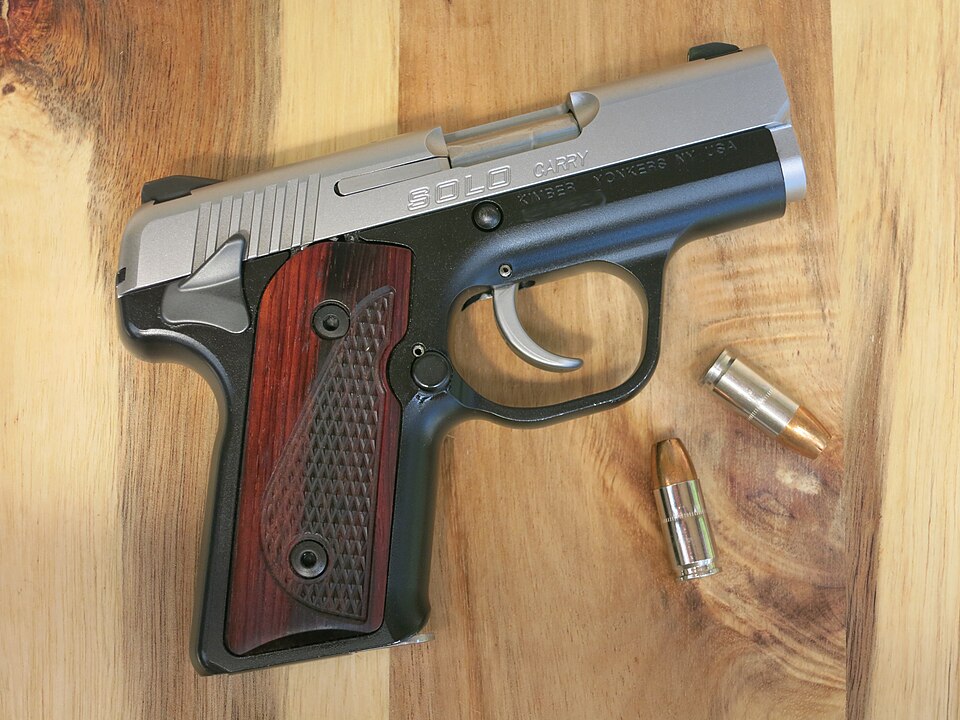
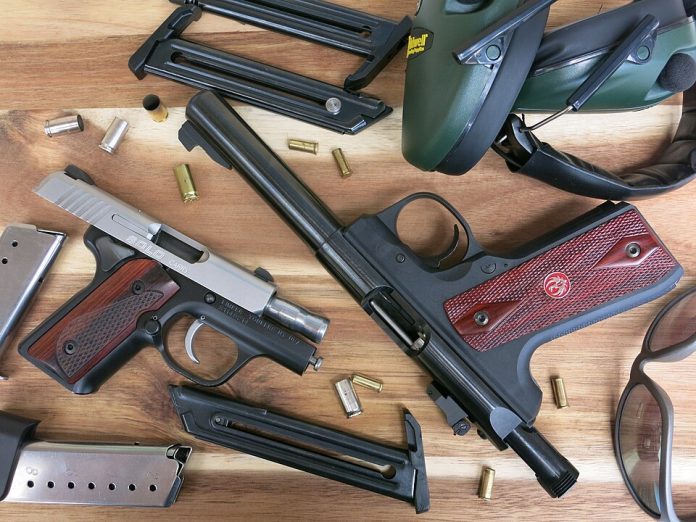
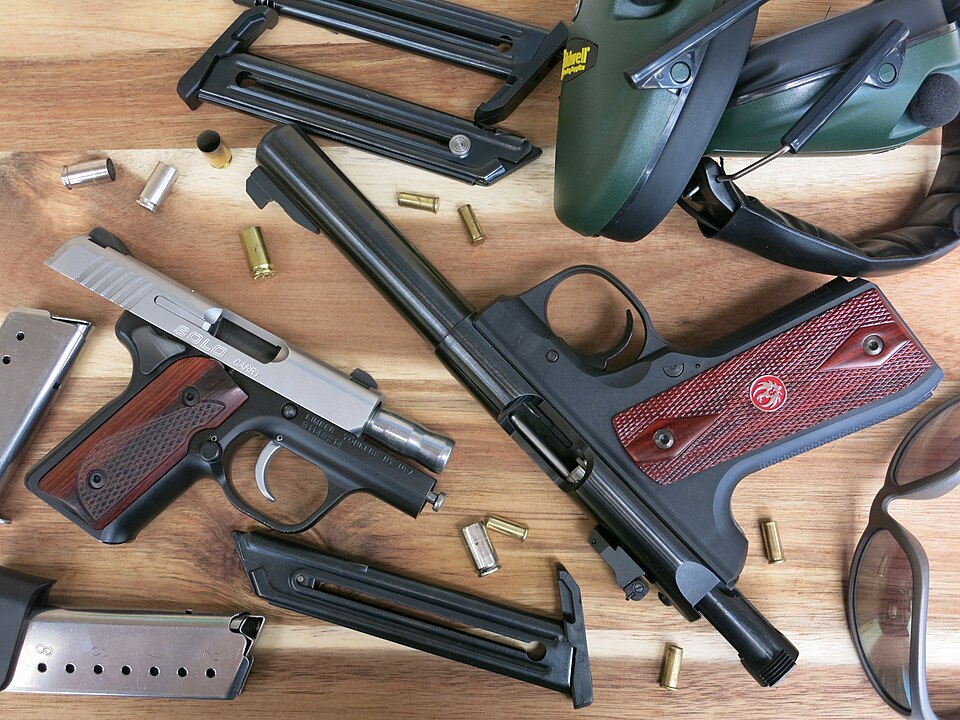
3. Kimber Solo Carry
Kimber pitched the Solo Carry as a premium micro-9 with high-end fit and carry-friendly styling. The pistol looked like a refined answer for people wanting a compact handgun without stepping down in finish quality.
The catch was its narrow operating envelope. The Solo became known for functioning best with +P ammunition, while ordinary range loads often produced failures to cycle or misfires. That kind of selectivity is a problem in any serious-use handgun because dependable performance should not depend on one narrow slice of ammunition types.
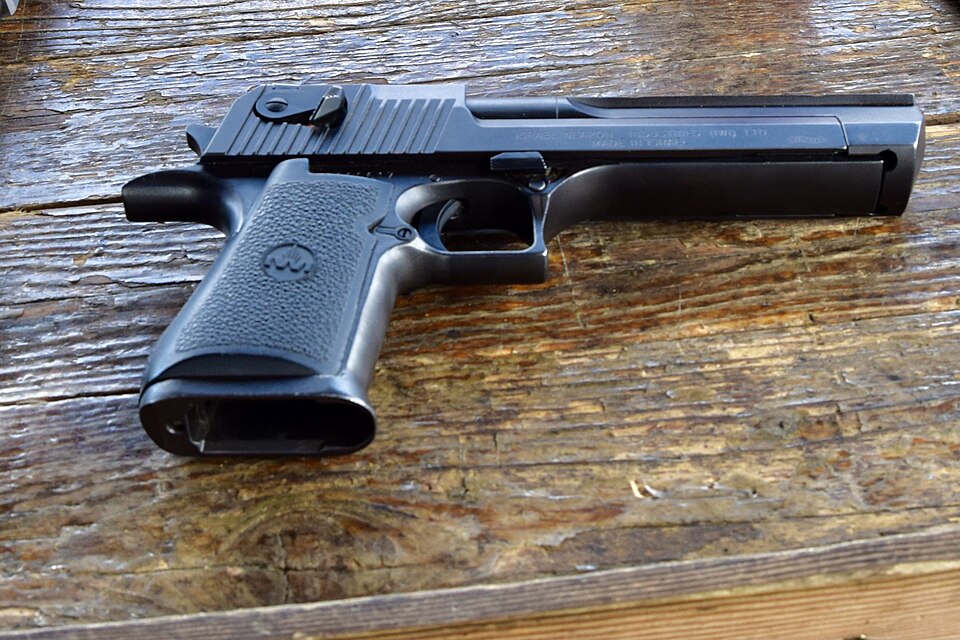
4. Desert Eagle .50 AE
The Desert Eagle remains one of the most recognizable pistols ever built, and much of that status comes from its size and chambering. It is also mechanically unusual, with a gas-operated system that sets it apart from most handguns.
That same design brings conditions. The platform is widely known to prefer full-power, consistent ammunition and a firm grip, and weak technique can contribute to stoppages. As malfunction analysis often shows, limp wristing and slide-speed disruptions can create extraction and ejection issues even in otherwise sound pistols. On a heavy magnum autoloader, those variables become even harder to ignore.
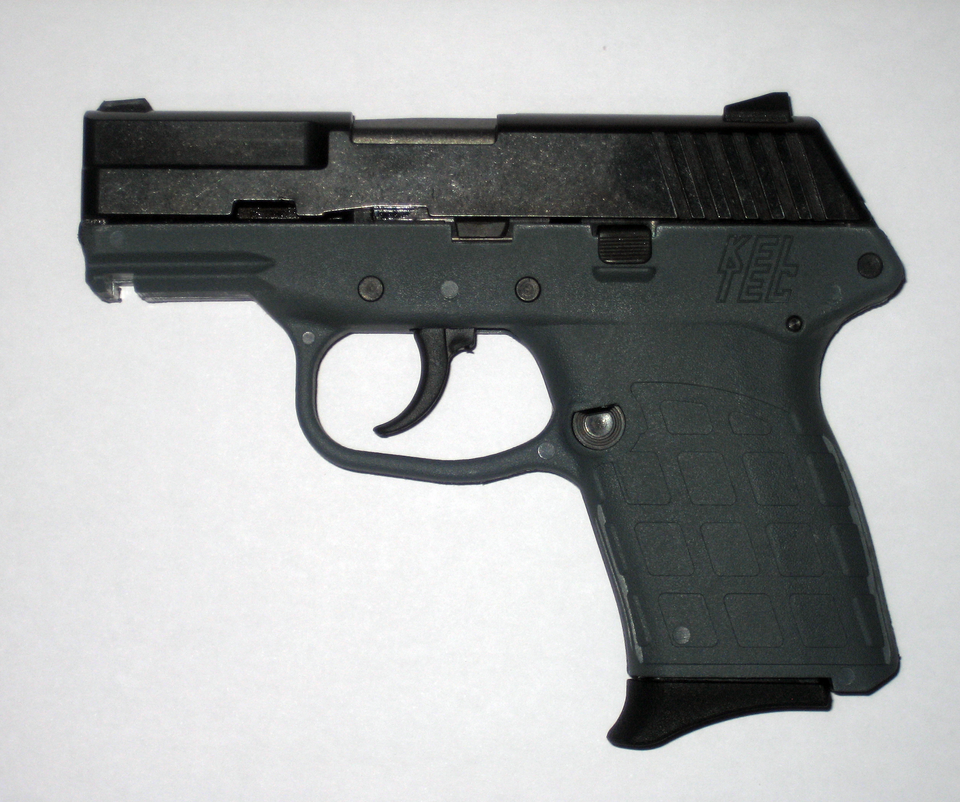
5. Kel-Tec PF-9
The PF-9 stood out for being remarkably thin and light at a time when that combination was still a major selling point in 9mm carry guns. It made concealment easier, but the reduced size came with compromises.
Owners and testers repeatedly flagged feeding and extraction trouble, often tied to the pistol’s tight operating balance. Harsh recoil did not help. Small defensive pistols always ask more of springs, magazines, and shooter technique, and the PF-9 showed how quickly that balancing act can become unforgiving when reliability margins are too narrow.
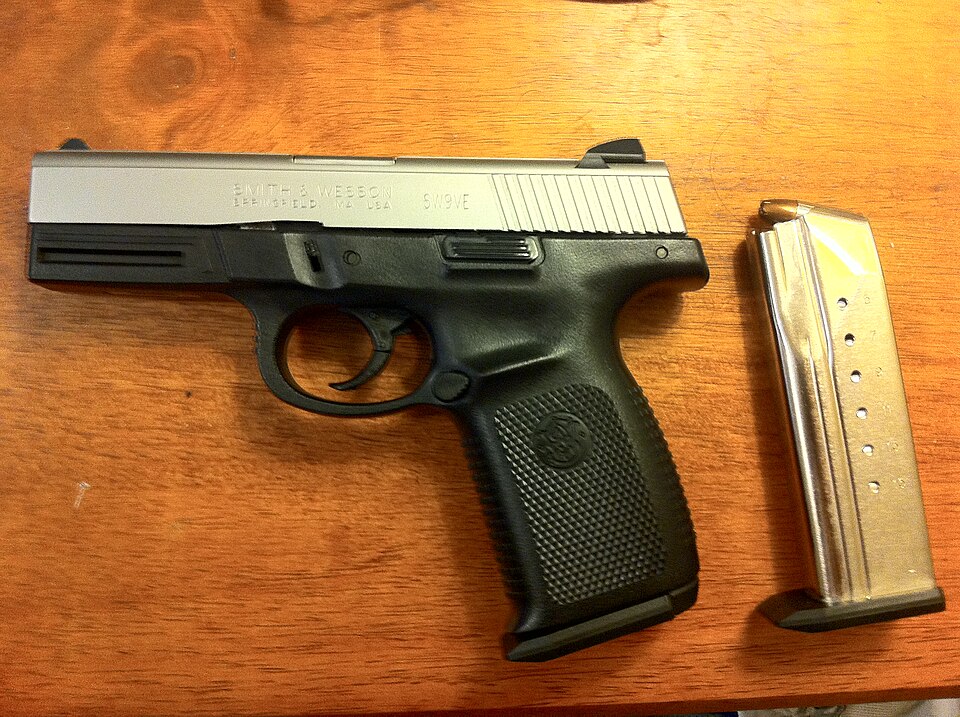
6. Smith & Wesson Sigma Series
The Sigma line represented Smith & Wesson’s early polymer era, and early examples never escaped their first impression. Complaints often focused on gritty triggers and uneven internal tolerances, but those traits mattered because they were accompanied by misfires and feeding problems.
Later production improved, yet the original reputation stayed attached to the name. That pattern still appears across the handgun market: once shooters connect a model to recurring stoppages, later fixes often struggle to erase the memory of the initial run.
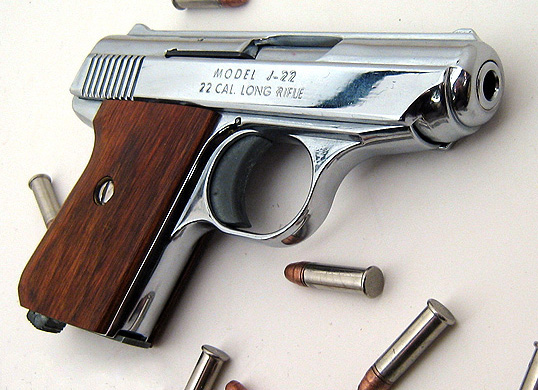
7. Jennings J-22
The Jennings J-22 became notorious as a low-cost .22 LR pocket pistol with more than one mechanical concern. Stovepipes, double feeds, and failures to eject were common enough to define the gun’s reputation.
The design itself offered clues. Small ejection-port dimensions and a weak extractor gave the pistol little room for error, and the larger concern was a longstanding drop-safety cloud over the model. For a rimfire pocket gun, that combination placed it in the category of a pistol remembered more for malfunction drills than dependable service.
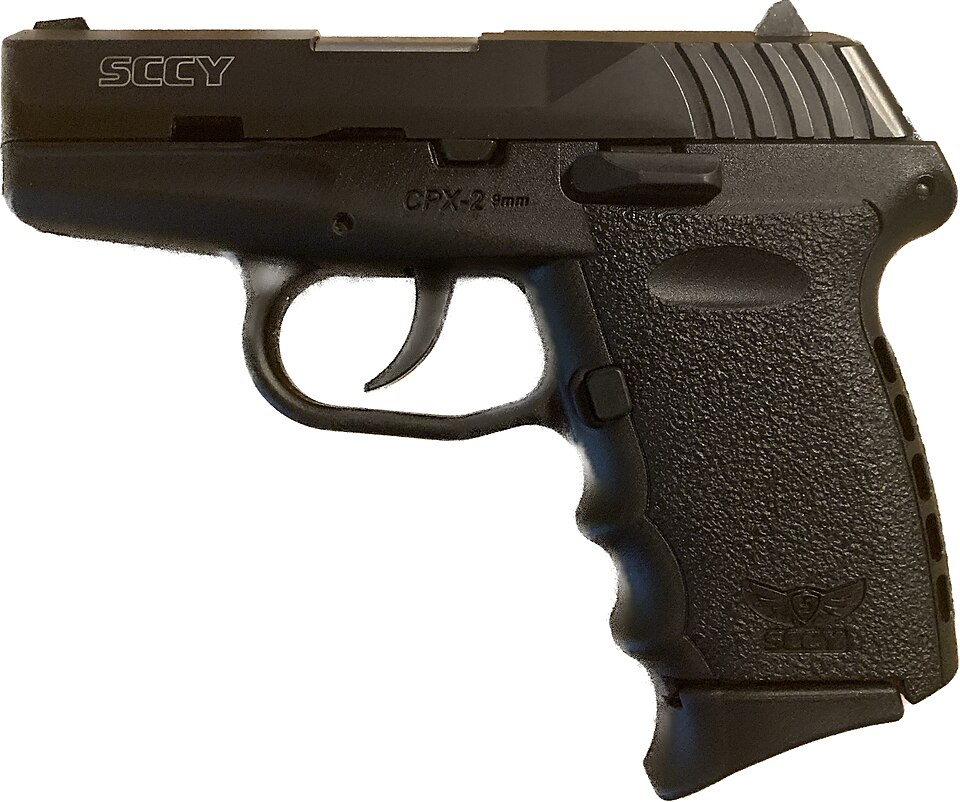
8. SCCY CPX-2
The CPX-2 gained traction because it offered a compact format and broad affordability. It filled a part of the market where buyers often accept plain finishes and heavy triggers if the gun runs consistently.
Consistency was the problem. Reports regularly mentioned feed issues and light strikes, especially with lower-cost ammunition. Some owners improved performance through break-in and parts polishing, but a defensive handgun should not depend on trial-and-error tuning before trust begins to form.
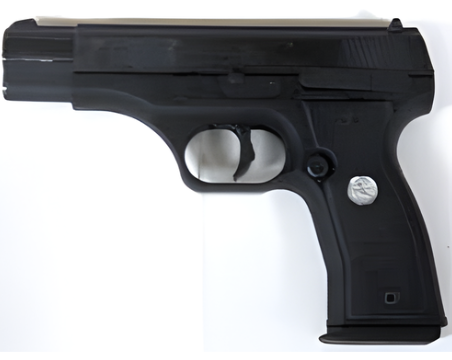
9. Colt All American 2000
The All American 2000 had serious pedigree behind it, with roots tied to Reed Knight and Eugene Stoner. It also arrived during a period when major makers were trying to answer the rise of polymer-framed service pistols.
Execution undermined the idea. The pistol picked up criticism for poor accuracy, heavy trigger pull, and reliability problems, and it was also tied to a drop-fire safety flaw. Colt historian Rick Sapp called it “one of the most embarrassing failures in the company’s history,” a line that still captures how badly a promising concept can stumble when production changes compromise the original design.
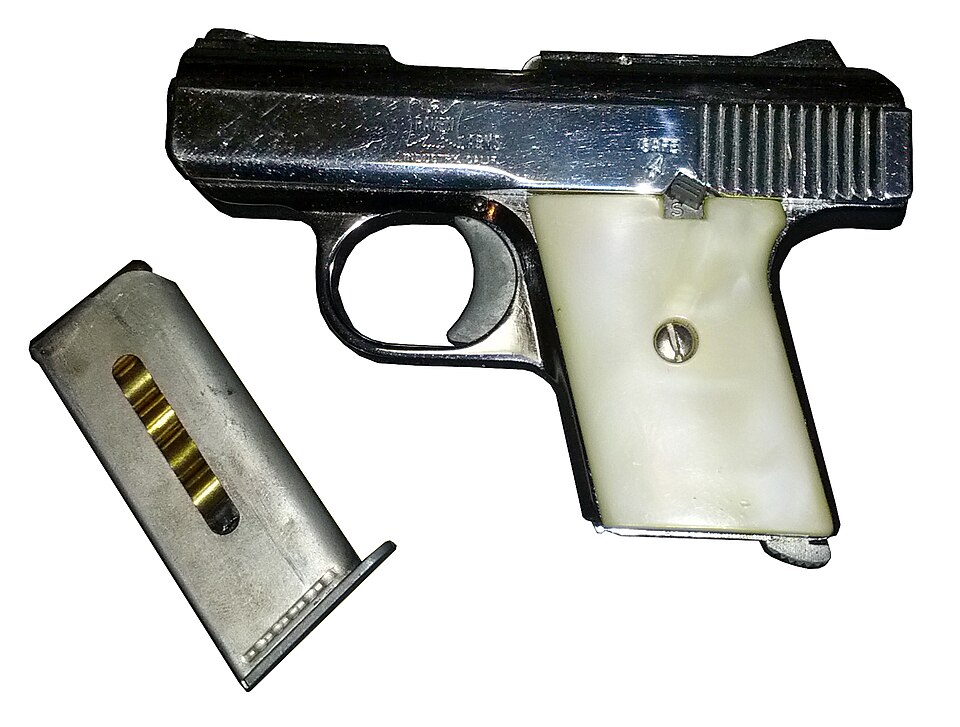
10. Raven MP-25
The Raven MP-25 was built for the low end of the market and sold in huge numbers. It used a simple blowback layout and zinc-alloy construction, which kept manufacturing straightforward but also limited the platform’s long-term standing.
Misfires and general roughness helped define its reputation, and the absence of a slide lock reflected the pistol’s stripped-down nature. In engineering terms, it is a reminder that simplicity alone does not guarantee dependable function, especially when the rest of the package leaves very little reserve in materials, controls, and overall refinement.
Not every stoppage comes from the pistol alone. Magazine condition, extractor tension, recoil spring weight, ammunition quality, dirt, and shooter technique can all affect how a handgun behaves. As several technical discussions on autoloading pistols have noted, many shooters treat 100 rounds as only a starting point, while others expect much longer trouble-free performance before assigning real trust to a carry gun.
These ten models still stand out because their problems became part of their identity. For anyone studying handgun design, they offer a useful pattern: when a pistol is too sensitive to ammunition, timing, maintenance, or manufacturing variation, reliability stops being a detail and becomes the whole story.


