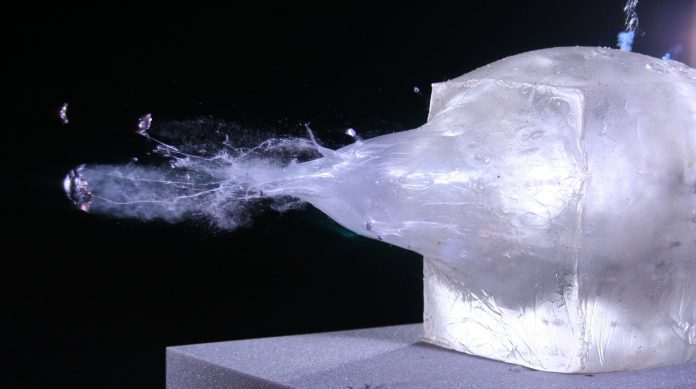
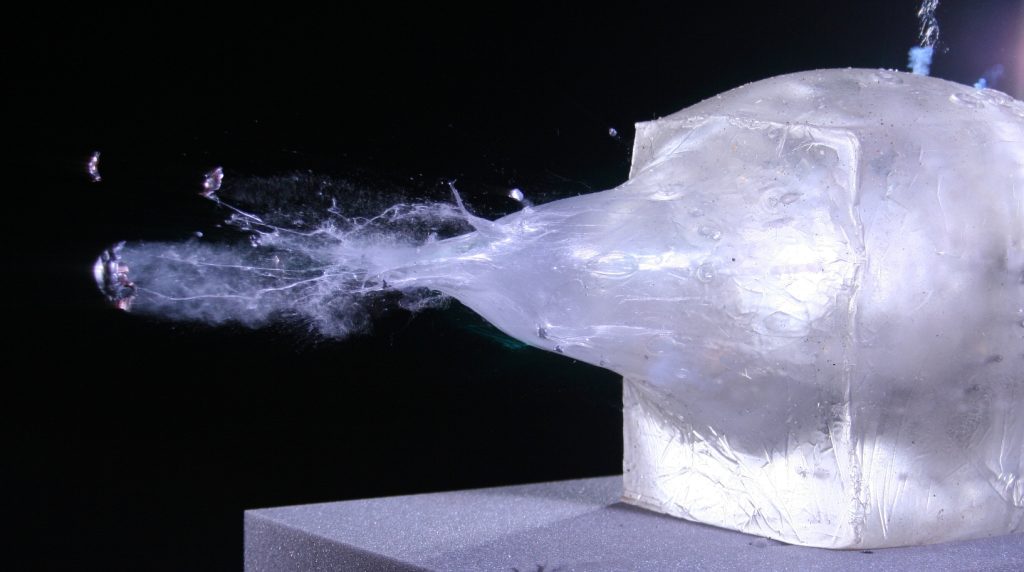
Blast shots on the video have made guns ammunition a scorecard inches of penetration, petals of expansion, clean tracks of wounds frozen in clear blocks. That pictorial bareness causes a complex subject to move at a lightning pace and myths to gather on the way.
The FBI protocol is something that is assumed as a truth of what is functioning. In practice, it is a particular engineering standard that is constructed on the basis of an organized input, calibrated media and repeatable barrier tests. The more a test is extrapolated to those constraints, the less it tells us about the actual behaviour of a particular handgun load.
1. “FBI gel” is not a generic block of gelatin
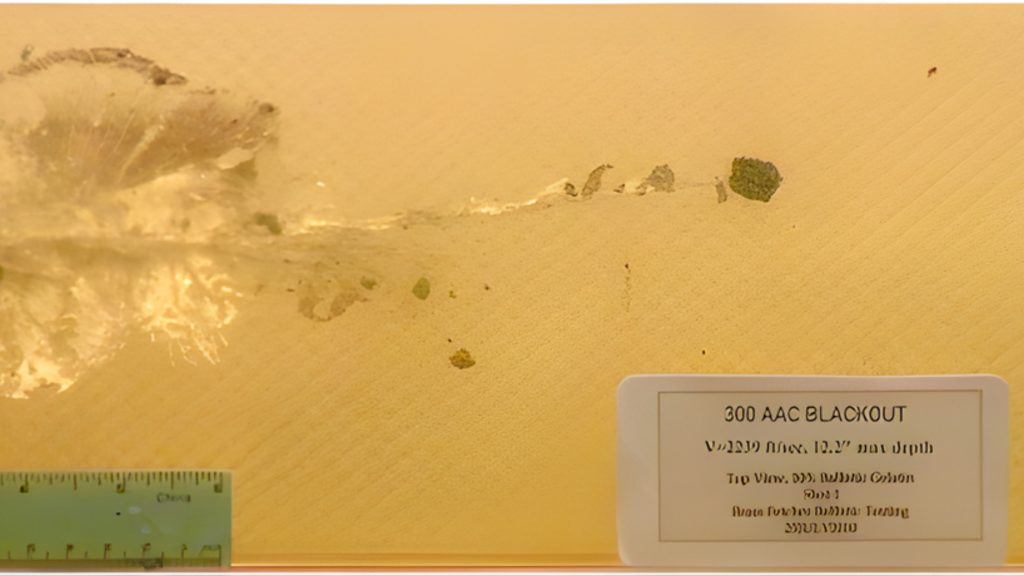
The procedure relies on 10% ordnance gelatin that is not any gel-like substance. Calibration is another test: the consistency of blocks is checked with a.177-inch steel BB at 590 fps +- 15 piercing 8.5 cm +- 1 cm. It also takes care of temperature: blocks should be properly prepared and kept at around 40degF and fired at short range. The absence of such guardrails can cause a test to appear scientific, but give numbers that cannot be compared to the FBI standard.
2. The “12 to 18 inches” rule is a penetration filter, not a magic lethality band
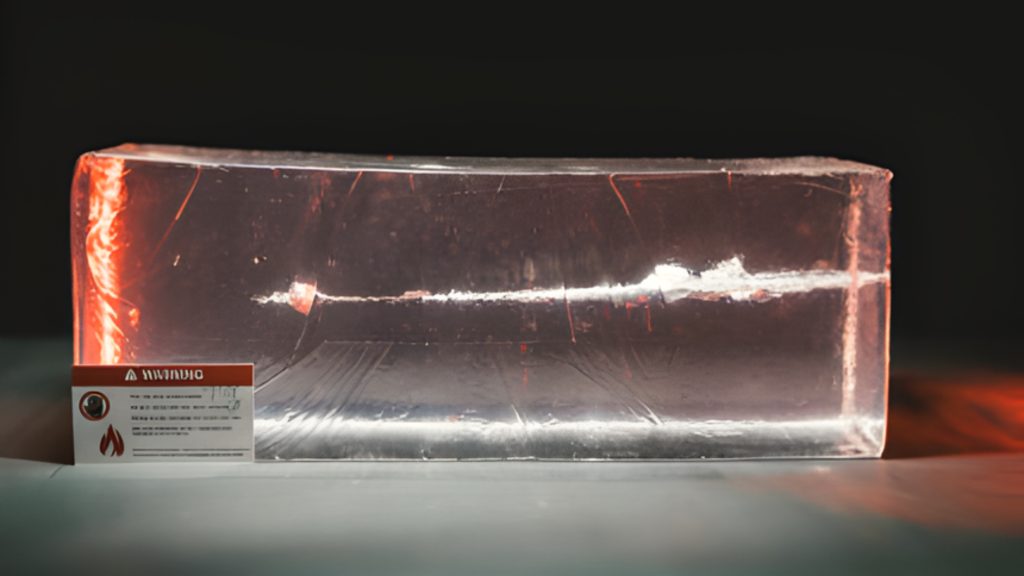
The 12-18 inch penetration window that is popular in the FBI framework is there to guarantee a projectile penetrating vital anatomy, at varying angles and intermediate barriers. It makes no claim to the measure of stopping-power, and it makes no statement to the equality of all loads within the window. The test is essentially a reliability test: is a bullet capable of continuing to perform when hitting clothing, wallboard, plywood, sheet metal or auto glass?
3. Barrier tests are the point yet many “FBI gel tests” omit them
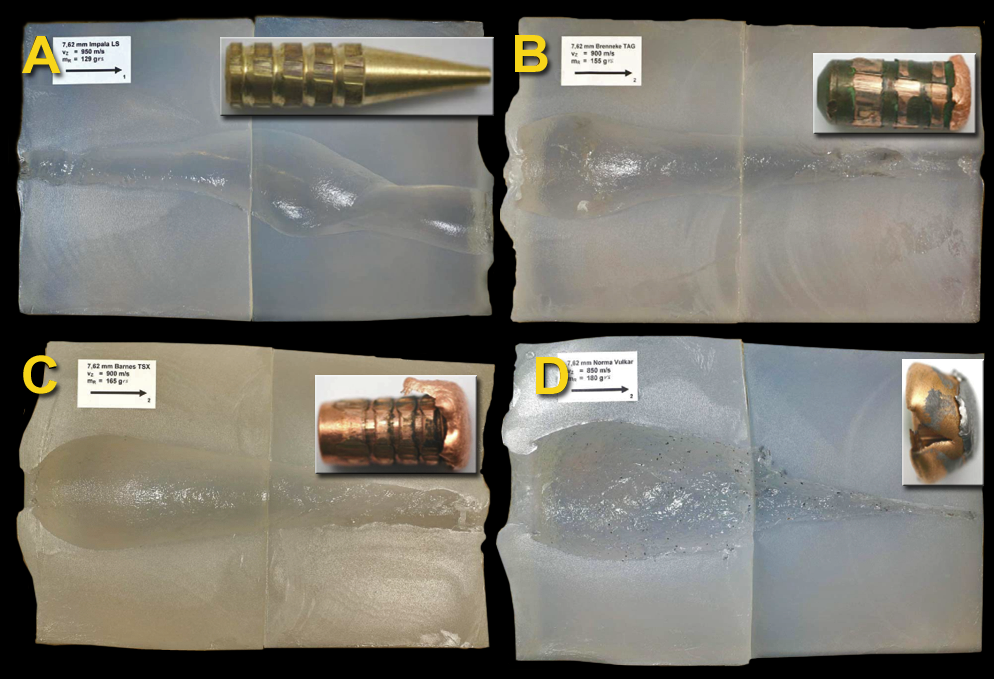
Penetration and expansion are quantified following standardized barrier incidences such as heavy clothing and angled windshield glass in the entire protocol. In one auto-glass experiment, a sheet of laminated safety-glass with a compound angle and gelatin behind the sheet was used to measure the effects of deflection, penetration, and integrity of the bullets. Reducing the protocol to bare gel eliminates the context in which the FBI set its design objectives were formulated in the first place: uniform operation despite the usual, fight-stopping cases and barriers getting in the path.
4. Clear synthetic gel can shift results enough to mislead comparisons
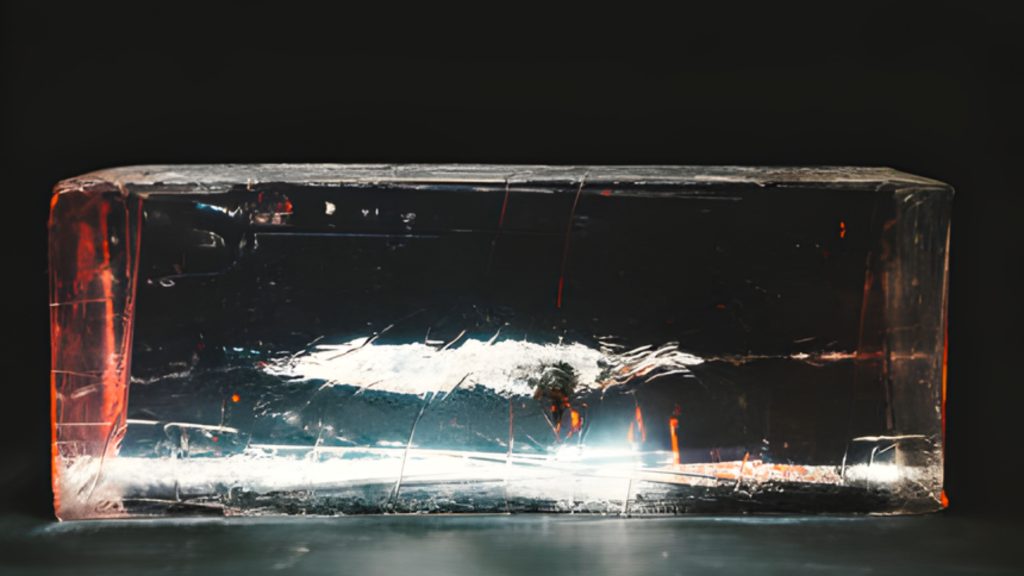
Clear blocks are favored since they may be reused and photographed but several sources reported in a longstanding technical debate claim that clear synthetic media may alter both expansion and penetration characteristics over calibrated ordnance gelatin. A summary of the differences in testing observes that there is a tendency of clear synthetic gel to inhibit expansion and enhance penetration, and cautions that no valid conversion factor can be used between these two. That is, a load may or may not penetrate a penetration window depending on the medium, and not the bullet.
5. Heavy clothing is not trivia; it can alter hollow-point behavior
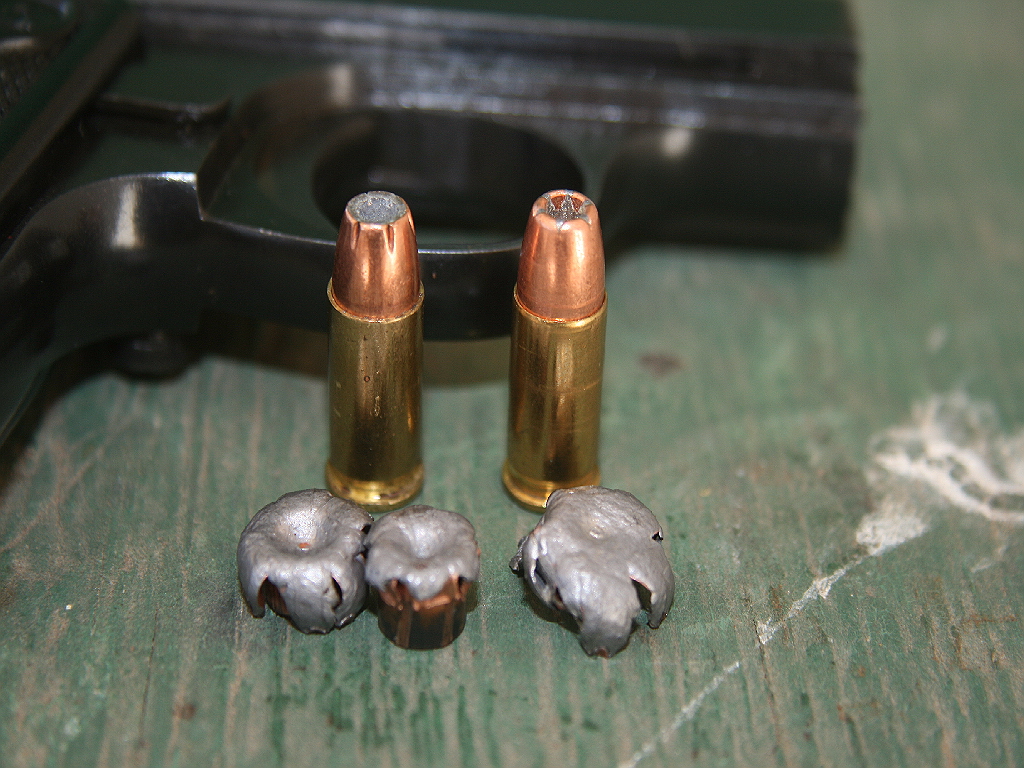
The heavy clothing event is present since it is possible to have fabric trapping expansion. The shorthand used by the populace, such as four layers of denim, tends to be a meme, not a mechanical issue: openings may use up space, petals may not open, and a projectile may act like a non-expanding projectile, not a controlled-expanding projectile. The more recent hollow points often introduce geometry alterations or polymer details to lessen clogging, yet clothing is an unknown variable that is actively encouraged to be introduced into the test by the FBI protocol.
6. Barrel length matters less than people assume until it suddenly matters
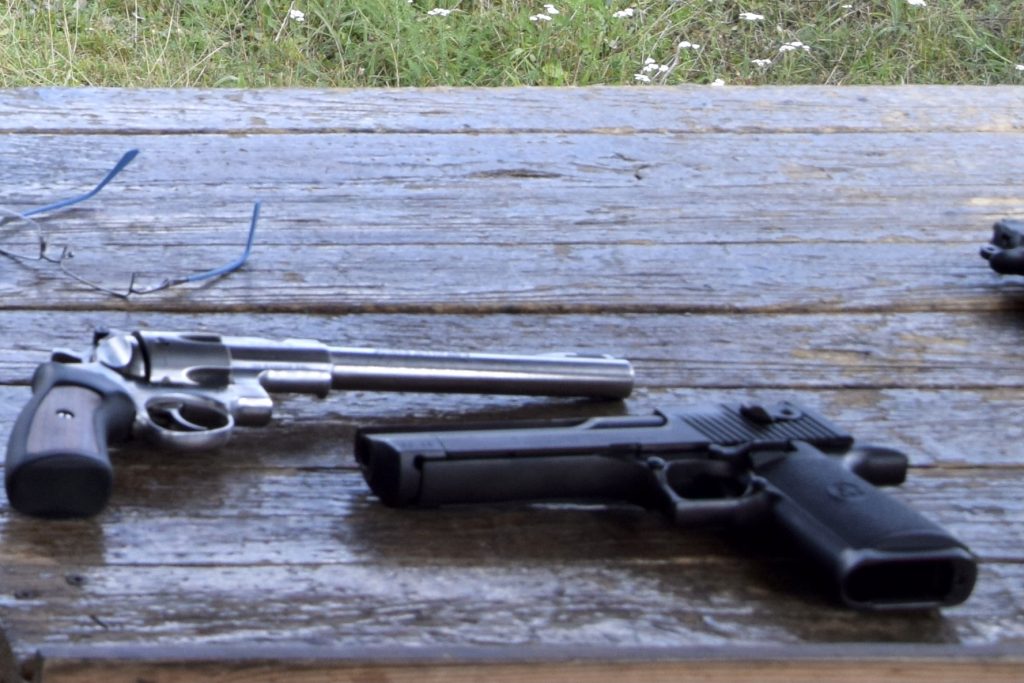
Barrels are short and decrease velocity and velocity assists expanding bullets to achieve the design limits. But calculated outcomes are less than anticipated. The difference between the longest and shortest barrel in one .45 ACP 1 comparison, 5-inch, 4.25-inch, 3.5-inch barrels showed the average loss as 48.66 fps, and normal variation between handguns and handguns reached the scale in some cases.
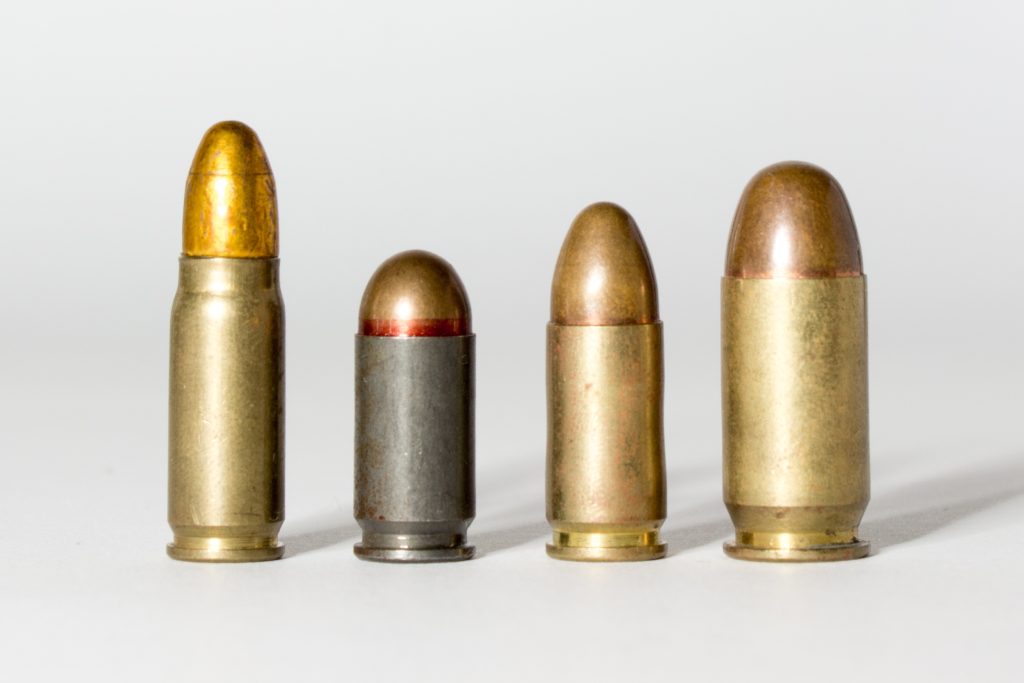
What was more significant was that barrel length did not matter, but that differences in velocity could only be determined and not assumed and that the expansion system of a bullet could be barrel-length blind within the velocities of ordinary carry gun.

7. The FBI protocol measures a bullet’s mechanics, not a defender’s outcomes
Barrier and gel data characterize the behavior of a projectile in controlled conditions: depth, expansion diameter, weight retained and inter-event consistency. They do not test decision making, stress accuracy or the broad anatomy range that actual bodies add. The most protocol-compliant load is still a system component, and, in combination with handgun reliability, controllability, and the capacity of the shooter to deliver repeatable shots.
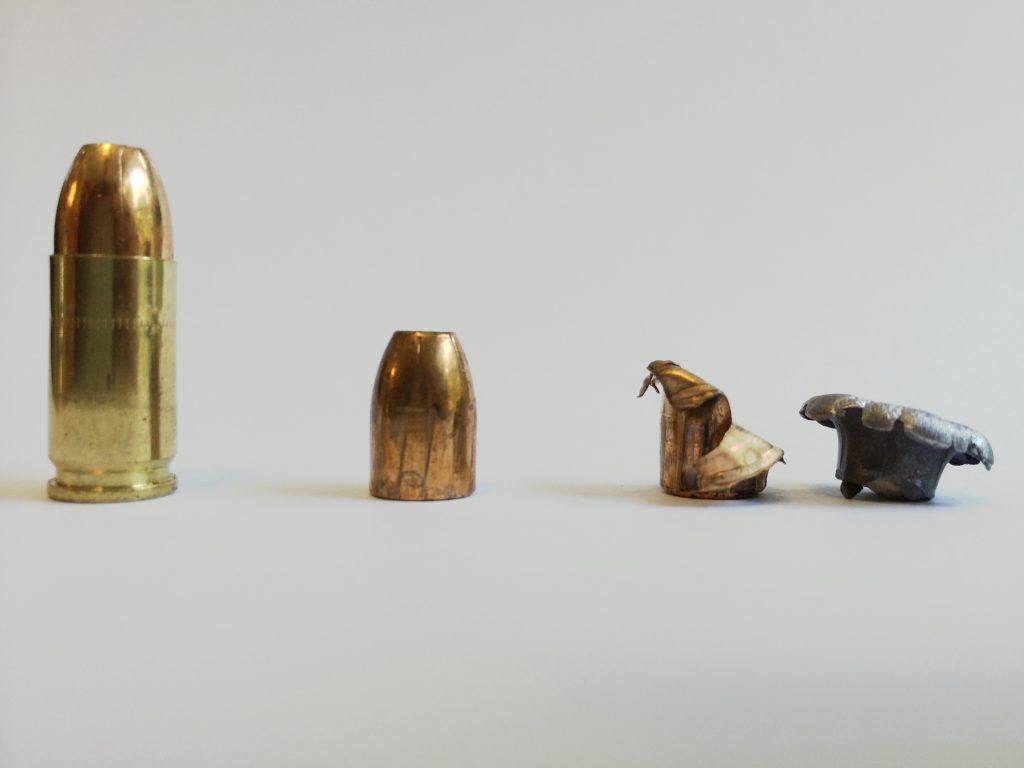
The myth does not consist in that gel testing is useless. According to the myth, any gel test is the FBI test, and when one number passes; it translates to certainty in the real world. The true action of handgun ammo is mechanical and conditional: penetration to a certain depth, expansion (or lack thereof) based on the velocity of impact and the media it passes through, change of behaviour with change of test medium. It is specifically the fact that FBI protocol limits those variables that makes it useful results obtained are consistent across tests.


