In hunting camps, “underpowered” rarely means a cartridge can’t punch holes in paper. It means the round runs out of margin when angles get bad, bones get heavy, wind shows up, or the distance stretches past what the setup really supports.
Bullet design has improved bonded cores, monolithics, and sleeker profiles have widened what some cartridges can do. But the hard limits still come from velocity, bullet weight, and how well a projectile holds together after impact on thick hide and muscle. These are the rifle cartridges hunters most often describe as disappointments when the job shifts from small targets to heavy animals.
1. .17 HMR
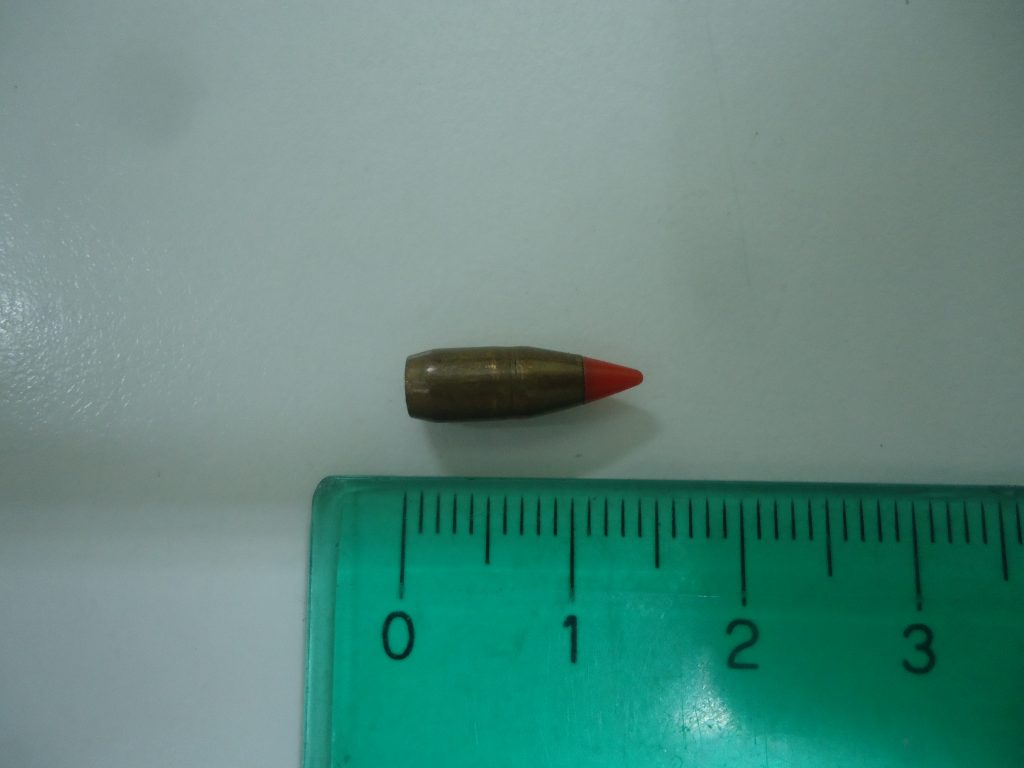
The .17 HMR is built for precision and convenience, not deep penetration. Typical loads push 17- to 20-grain bullets fast enough to feel “laser flat” at rimfire distances, but they carry too little mass to reliably reach vital organs on larger animals. Even when accuracy is excellent, the cartridge’s light bullets are easily pushed off line by wind as range grows, which compounds the risk of marginal hits. In the field, that combination limited penetration and high sensitivity to conditions keeps it squarely in the small-varmint lane.
2. .22 LR
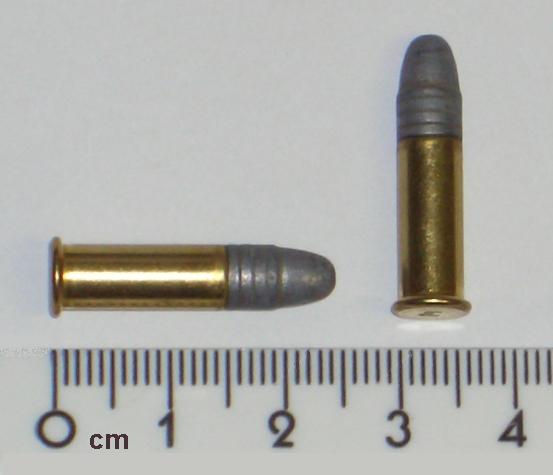
The .22 LR is unmatched as a trainer and small-game tool, but it underdelivers when consistent terminal performance is required. Low velocity and limited energy translate to shallow penetration and unreliable expansion, even at close distances. That reality becomes obvious when shot angles are less than ideal and the target is heavier than the cartridge’s design intent. For bigger-bodied game, the round simply lacks the reserve needed to cover real-world imperfections.
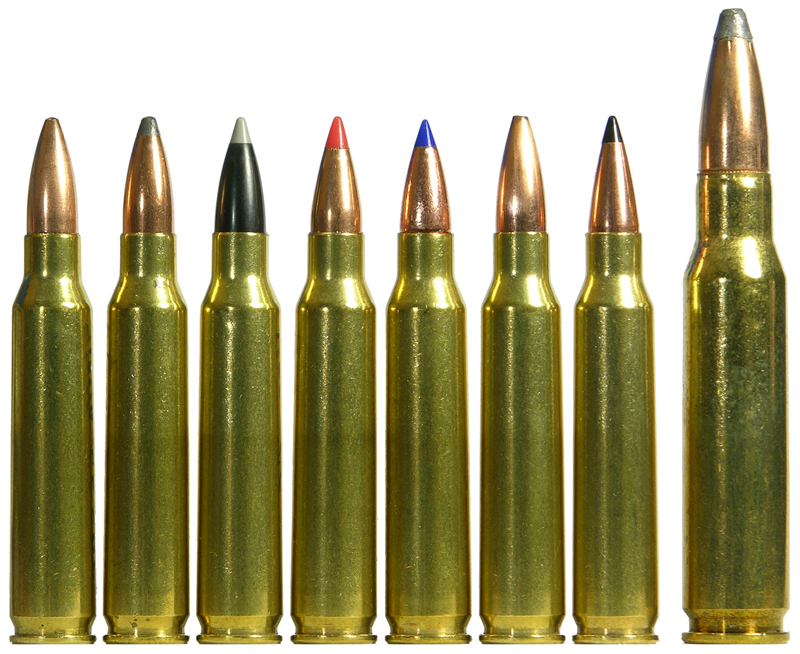
3. .223 Remington
The .223 Remington earned its reputation on varmints and the range: light recoil, flat trajectory, and high practical accuracy. A common 55-grain load at roughly 3,200 fps can look convincing on a chart, but the cartridge has little momentum for breaking heavy bone and still reaching vitals on large animals. Better bullets can improve outcomes, yet they cannot change the fundamental limits of bore diameter and mass. Used beyond deer-sized game, the .223 often becomes a “perfect-shot-only” proposition.
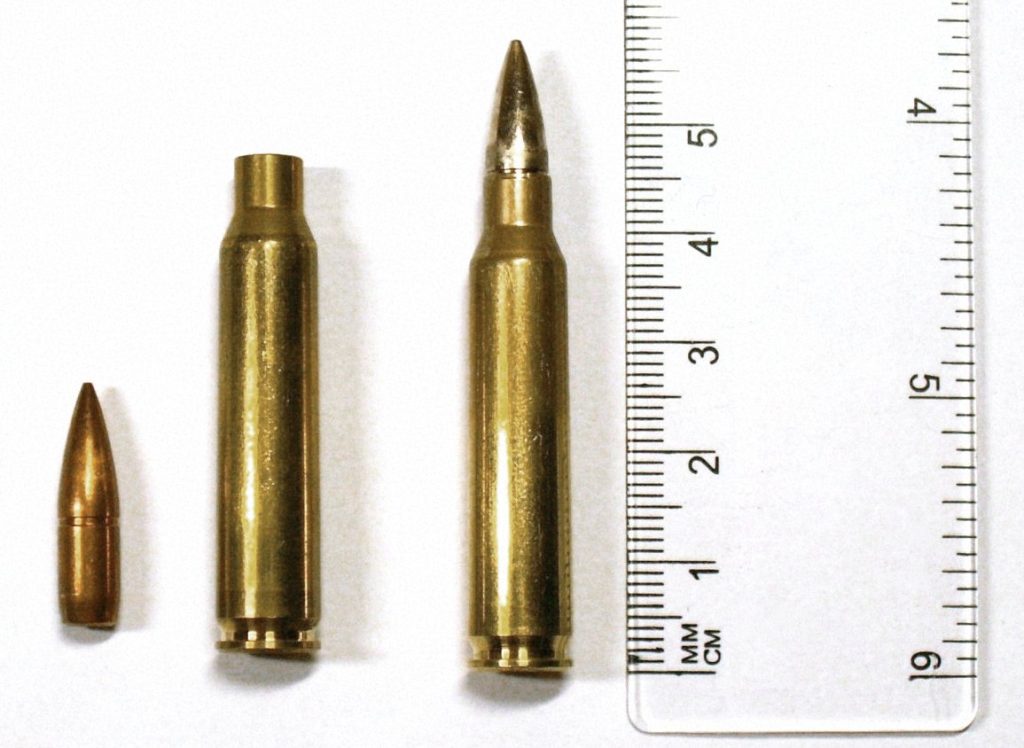
4. 5.56 NATO
5.56 NATO overlaps the .223 in bullet diameter, but its performance still hinges on velocity and bullet construction. When speeds drop with distance or when the shot has to pass through tougher tissue the cartridge’s lightweight bullets can fall short of the penetration hunters expect from centerfire rifles. The result is a narrow window where it performs well and a wider set of conditions where it feels uncertain. That’s why it remains a specialist option rather than a dependable big-game default.

5. .22-250 Remington
The .22-250 is a velocity star, often launching light bullets at 3,800 fps and beyond. Speed can create dramatic effects on thin-skinned targets, but it does not guarantee the straight-line drive needed on heavy animals. Light-for-caliber projectiles tend to expand rapidly, and when the shot meets shoulder, rib, or hard angles, penetration can be inconsistent. The cartridge’s strengths shine on predators and pests; the same traits become liabilities when the target is measured in hundreds of pounds.
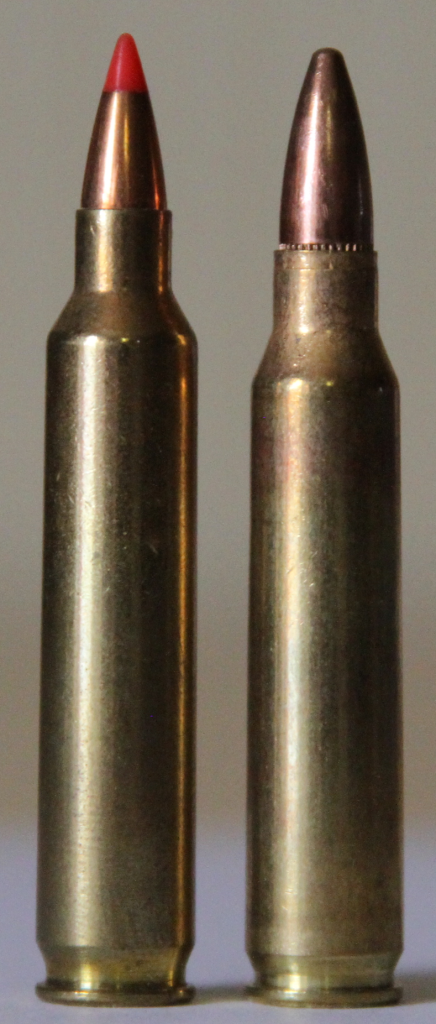
6. .204 Ruger
Marketed around flat trajectory and high speed, the .204 Ruger typically fires 32- to 40-grain bullets that can fragment quickly. That behavior is useful on small varmints but can limit penetration the moment tougher tissue enters the picture. Wind sensitivity also shows up sooner than many shooters expect, which forces more correction at moderate ranges. When the goal is dependable performance on larger, sturdier animals, the .204 is simply too small and too light.
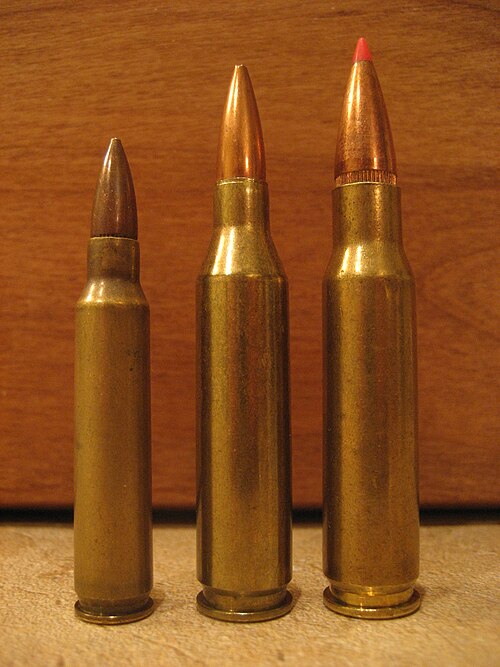
7. .243 Winchester
The .243 Winchester sits in a tricky middle ground: manageable recoil and excellent accuracy, with enough capability for deer when paired with appropriate bullets. Problems appear when hunters ask it to act like an elk or moose cartridge. Lighter bullets and lower sectional density can struggle on thick muscle and bone, especially when impact angles are less forgiving. In practice, the .243 works best when it stays in its wheelhouse deer-sized game and clean shot presentations rather than being treated as a universal answer.
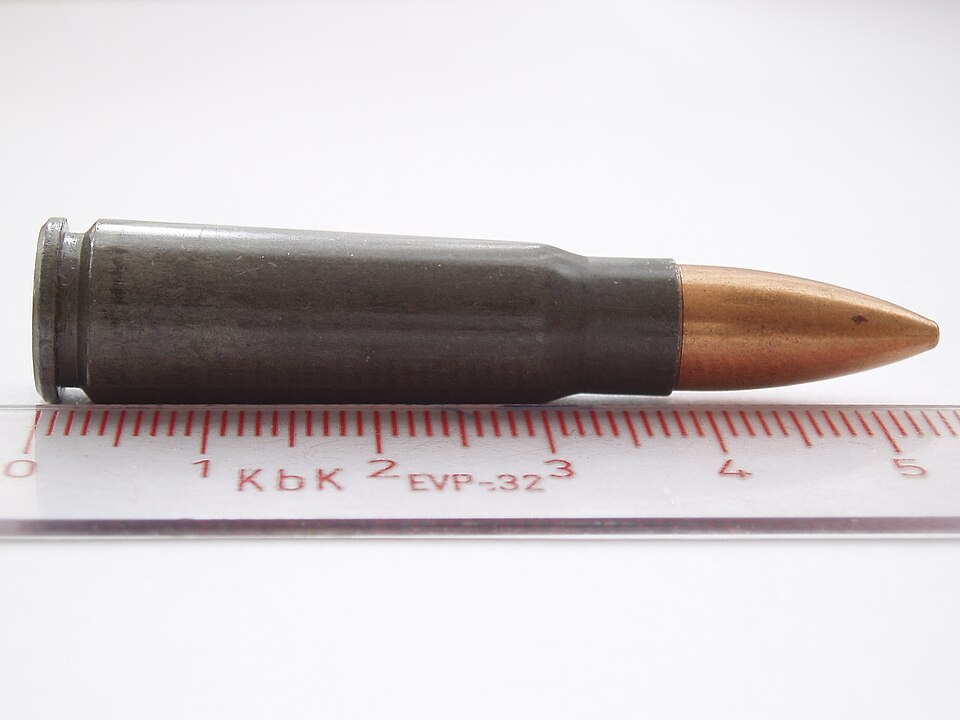
8. 7.62x39mm
The 7.62x39mm is durable and practical, commonly launching a 123-grain bullet around 2,350 fps. At close range it can be effective on deer, but its trajectory and energy retention decline quickly as distance grows. Past roughly around 200 yards, drop and drift make precise shot placement harder, and terminal performance becomes more variable depending on load quality and bullet design. On larger animals, modest velocity and limited sectional density reduce the cartridge’s ability to drive deep after meeting bone.
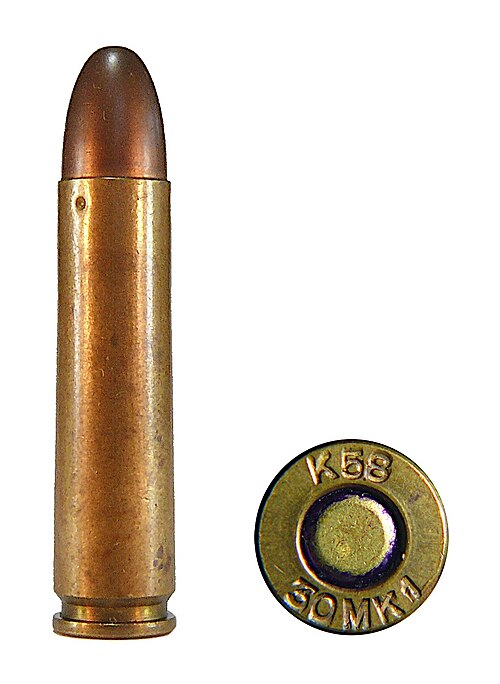
9. .30 Carbine
Designed for the M1 Carbine, .30 Carbine ballistics live closer to a hot handgun class than modern hunting rifle cartridges. A typical 110-grain bullet around 1,990 fps limits both effective range and penetration, especially when shots are not perfectly broadside. It can work on small to medium game at close distances, but it lacks the structural “reach” and downrange authority needed for larger animals. For hunters who want a compact rifle with more dependable terminal performance, modern intermediate cartridges offer far more margin.
Cartridges fail in predictable ways: too little bullet weight, too little penetration, too much wind drift, or too steep an energy falloff as distance increases. Those shortcomings are easiest to ignore on paper and hardest to manage when a real animal turns slightly, steps into brush, or forces a tighter window. Matching cartridge, bullet construction, and realistic distance to the animal’s size remains the cleanest way to keep field performance consistent and avoid learning hard lessons after the trigger breaks.


