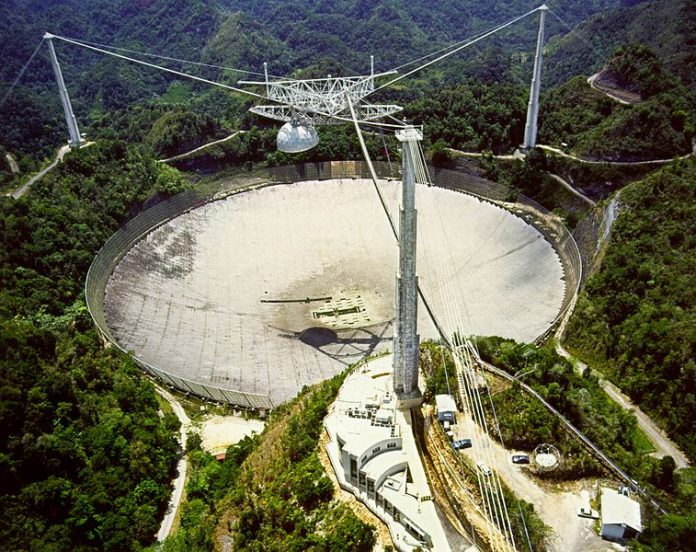
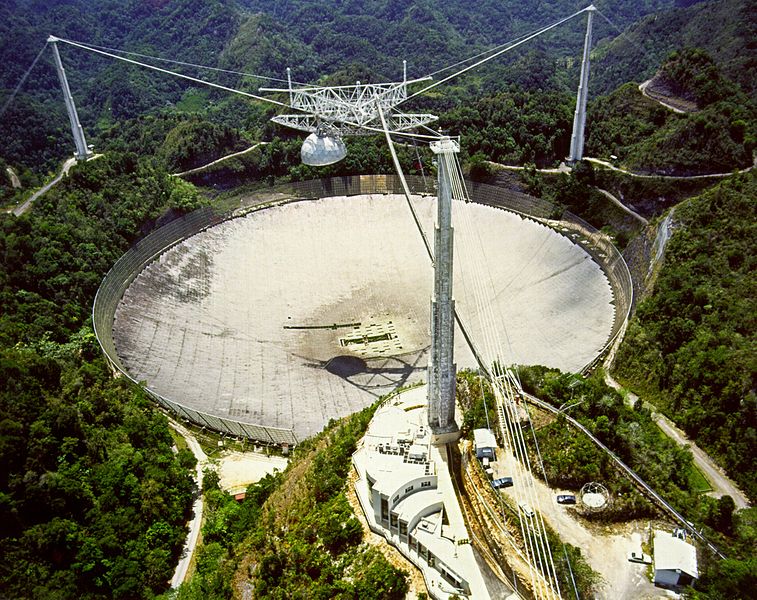
The general conception of SETI has been radio transmissions during most of the last half-century. Radio is just one of the lanes in a broadening search of technosignatures: quantifiable evidence of technology that may be discerned across interstellar distances, in the current research.
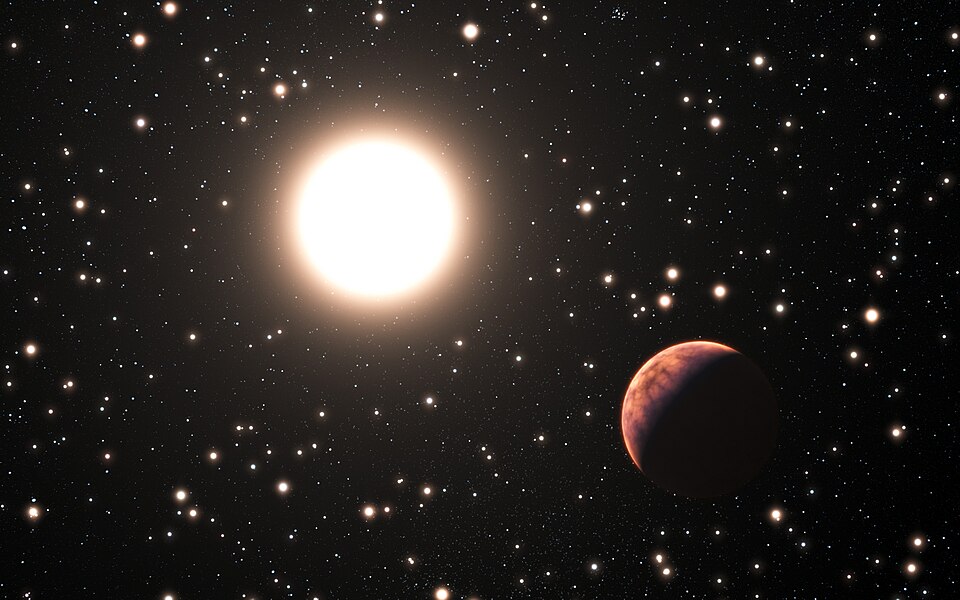
There are subtle signals which are designed to be unobtrusive, and are hidden in the data that astronomers already gather to study planets, stars, and the interstellar medium. It is not the scarcity of measurements so often, but the distinction of the artificially appearing and the naturally bizarre.
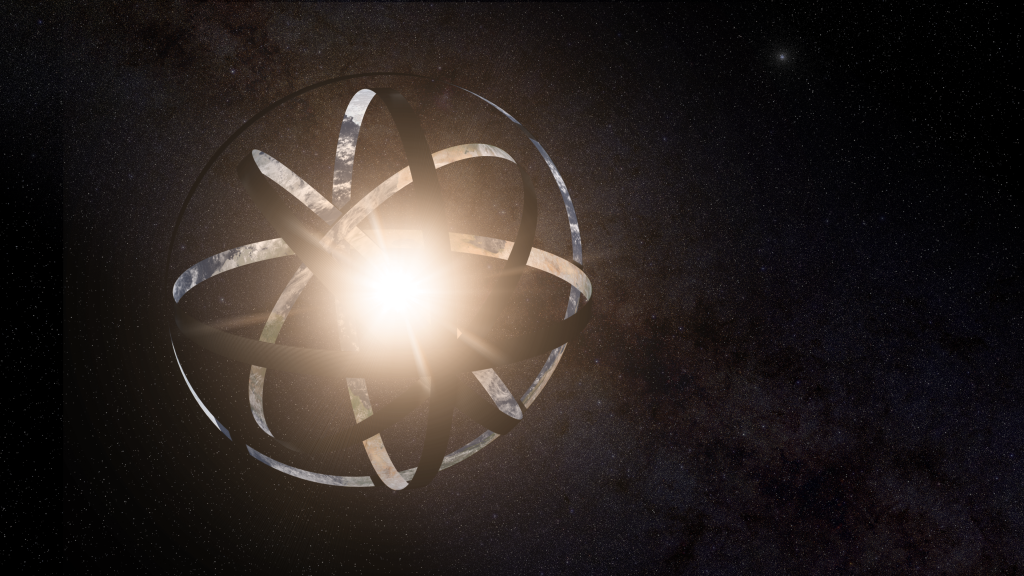
1. Dyson-like structures have mid-infrared waste heat
A by-product, heat, is one of the most counter-intuitive technosignatures. Active energy extraction in the surroundings of a star, typically referred to as such under the general name Dyson spheres or technostructures, would convert the energy in starlight into work, and subsequently radiate some of this energy into the mid-infrared as excess. That brings wide-field infrared surveys into action such as catalogs with hundreds of millions of sources.
But there is an inherent ambiguity in the signature: dust does this. Dusty galaxies in the background may pose as the analogous type of infrared excess a megastructure search attempts to identify, thus a false positive poses a major engineering concern in the analysis pipeline. The same effort observes a paradox an advanced structure may obscure a star in both optical and near-infrared light to the extent that it becomes difficult to identify as a normal star in the first place, making it difficult to detect it via catalog search.
2. Stars that appear missing in the visible, but appear in the infrared
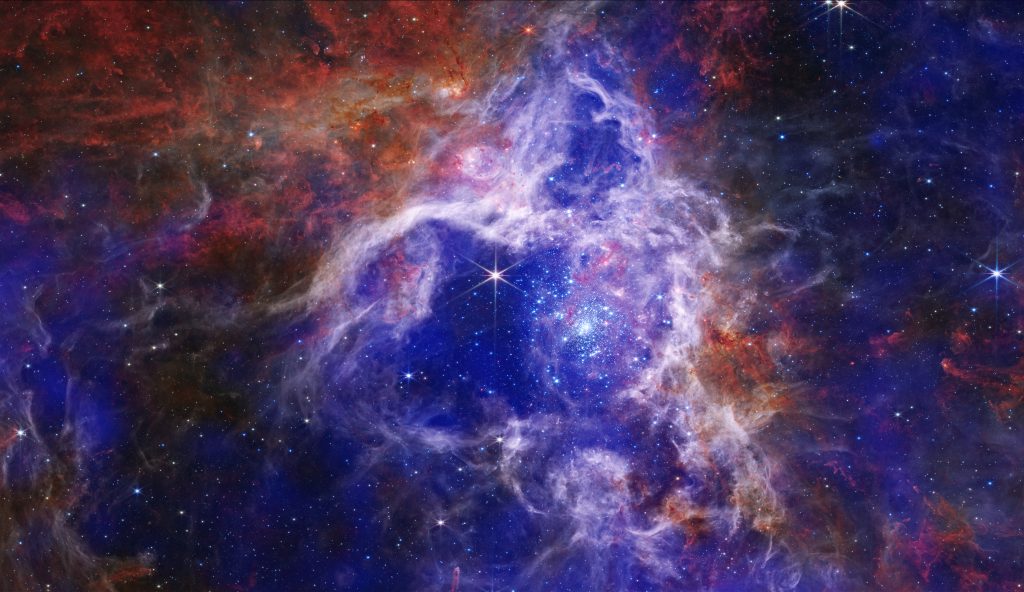
Another more bizarre version of waste-heat hunting looks on the optical side of the balance sheet: if the visible and near-infrared emission of a star turns out to be unusually weak, but the longer wavelengths are still bright? In such a case, the technosignature is not a redundant excess, but a discrepancy between bands that indicates that the starlight has been picked up and processed.
This method transforms simple survey cross-matchs into a technosignature tool, the comparison of the behavior of the same object in Gaia-style stellar catalogs and infrared sky maps. It is also making one pay close attention to the prosaic explanations like dust on the line of sight, limits of instrument sensitivity, and the fact that an unusual source might not even be a star.
3. Exoplanet atmospheres (CFC-family chemicals) have industrial pollutants
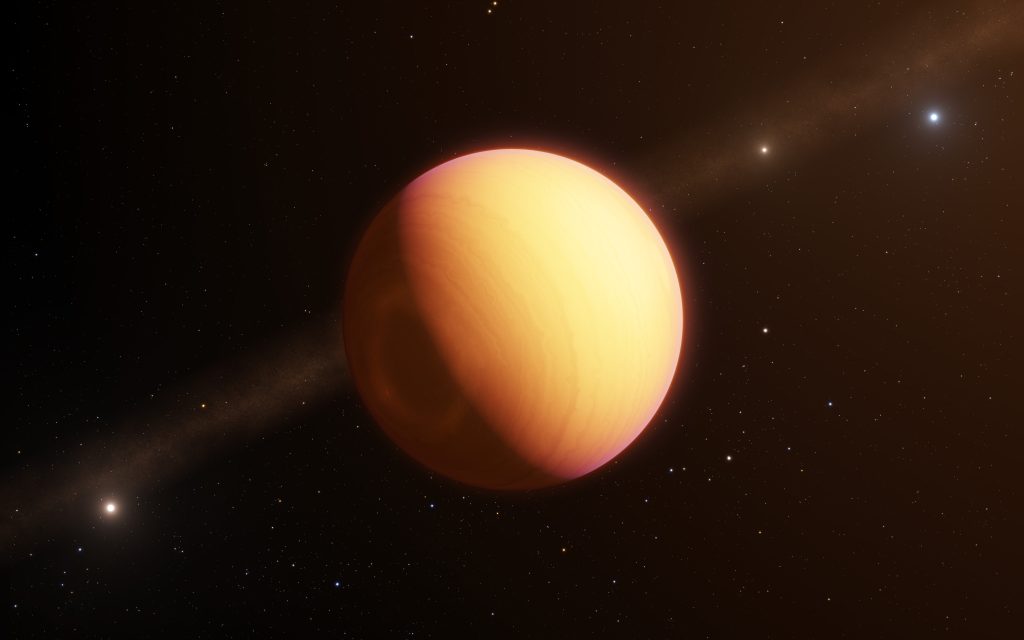
Histories can be buried in the atmosphere. One actual example, in the technosignature debates conducted by NASA, has been the family of chemicals called chlorofluorohydrocarbons (CFCs), which should not occur under normal planetary chemistry in conditions similar to those on Earth, and are linked on earth with industrial activity.
The appeal is conceptual purity: instead of projecting intent onto a pattern of signals, the search searches for molecules which serve as technological exhaust. This is a limiting factor which is observational in nature in that high signal-to-noise spectra, repeated transits or long integrations, and models robust enough to isolate a small feature in the presence of clouds, temperature structure, and overlapping absorption bands are essential.
4. Temporarily radioactive isotopes that suggest recent energy consumption (tritium)
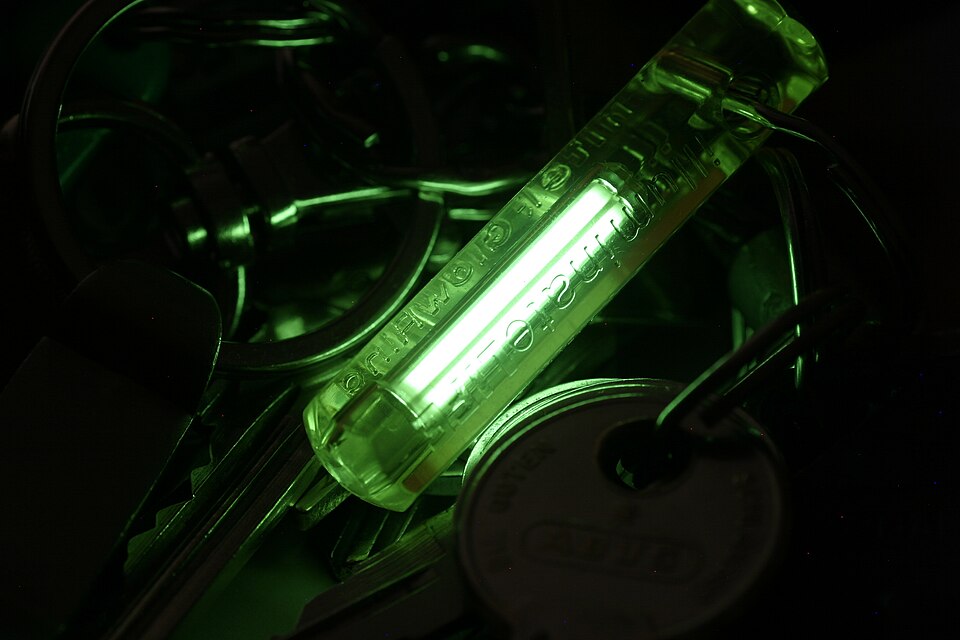
The ability of some technosignatures to decay away would make them meaningful. Technosignatures Technosignature framing at NASA has made use of tritium as an example: a radioactive isotope with a short half-life, such that, when observed remote to the source, would indicate a relatively recent source as opposed to an ancient one.
Practically, it is the time constraint that is weird. An isotope with a short half-life is more rare, and more difficult to detect, but is also less likely to be a permanent, geochemical background. Any plausible search has to still face non-technological channels of production, and the problem of observation of the isotopic fingerprints at distances of interstellar.

5. Planetary glints of mirrors
Part of suggested technosignatures are geometrical. When the viewing angle matches a surfaced area that is smooth and reflective, the reflected light of a planet can have short, high-contrast bursts, glints, in the light. Ocean glint is a familiar effect on Earth, yet the technological signature version poses the question of whether strange glints might be emitted by large artificial surfaces or high-density arrays of artificial reflectors.
What is peculiar about this signature is the extent to which it requires minimal assumptions about the technology: the physics is just normal ordinary reflection, and the conclusion is based on scale, persistence, and spectral characteristics. It would take time and time-resolved observations to disentangle engineered reflectors with ice, calm water or mineral flats.
6. Optical or near-infrared pulses on a nanosecond scale
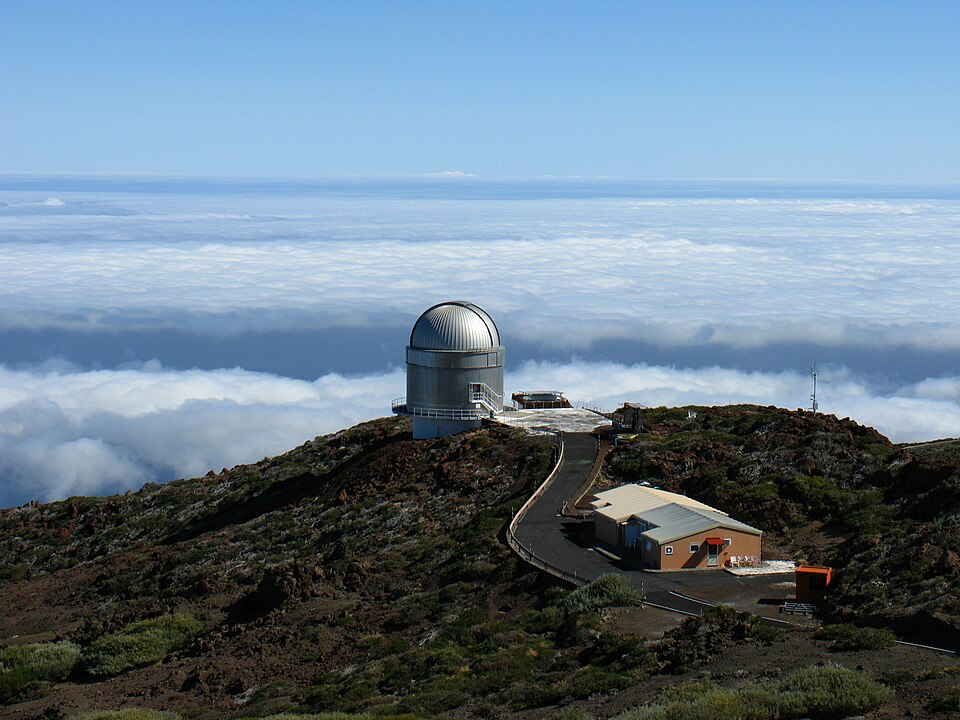
SETI has also extended its radio-range searches to include searches of very rapid bursts of light, very brief bursts of light which appear as artifacts of the instrument until they are proven to be otherwise. In NASA, a summary of technosignatures characterizes near-infrared activities aimed at intercepting nanosecond pulses an artificial timescale, which is not similar to most natural astrophysical fluctuation.
Verification is the technical impediment. Supersensitive instruments are needed to draw the line between a real astronomical coincidence and noise in the detector, cosmic rays, and local interference and frequently they use multi-channeled light and they have to be coincidentally detected. This more general meaning is methodological: time resolution is considered as a discovery space, not only wavelength.
7. Stable climate of planets and other indications of intelligent control
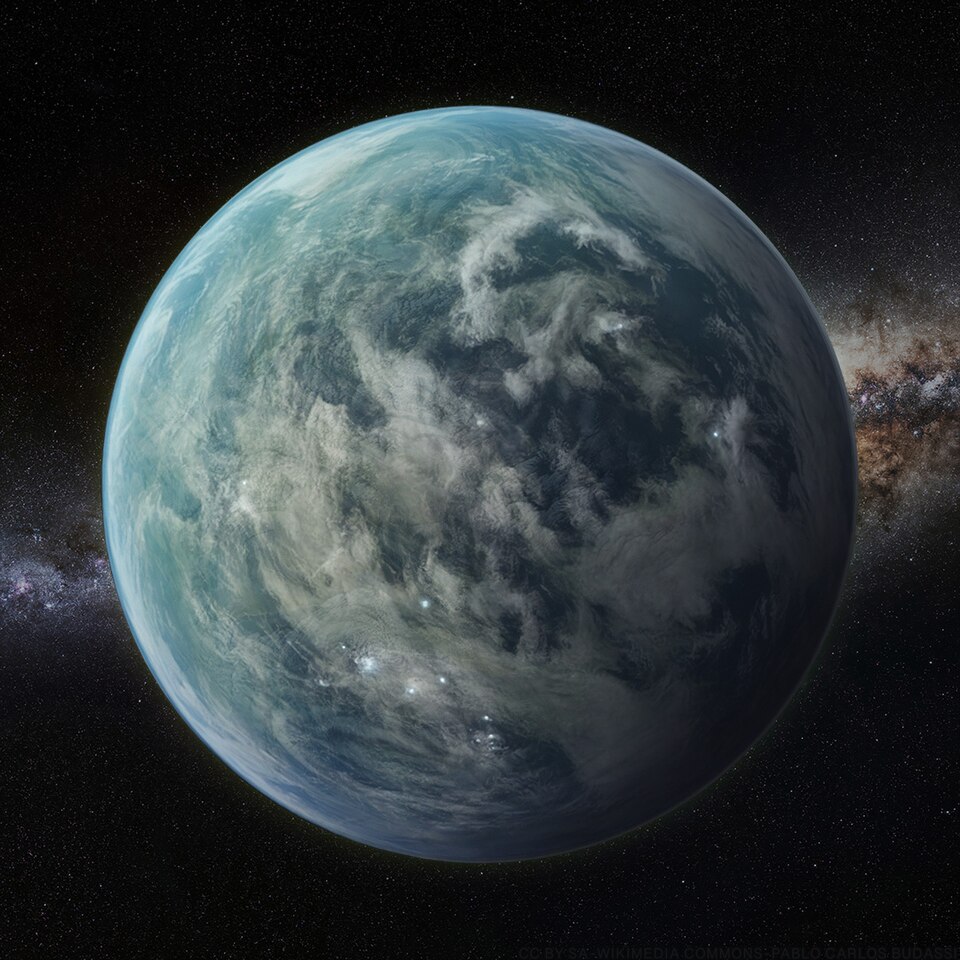
Not all technosignatures presuppose growth and visible building. During NASA technosignature deliberations, scientists have indicated that advanced planetary extensions of activity can present as oddly steady ecological cycles or atmospheric conditions that are unanticipated to be as stable as long-term as they are despite forces that ought to induce changes.
This is an unusual aim since the intended signal is the lack of anticipated variation and not an apparent line of emission or luminous star. It also makes astronomy dependent on systems science: any statement would have to have a model of normal variability on the planets, sufficient observations to determine persistence, and an argument that normal feedbacks could never produce what is observed.
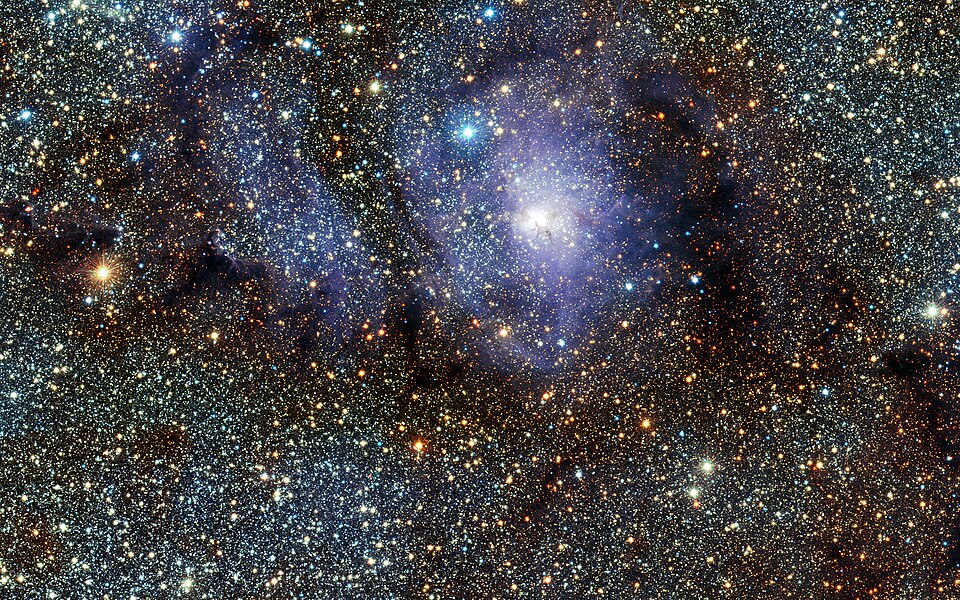
Through these concepts, the shared element is not the fancy gear but keen reading. The infrared sky maps, stellar catalogs, time-domain photometry and exoplanet spectra are most of the relevant measurements already available, or being collected, as to other uses. The engineering frontier is empowering those heterogeneous data sets into tests which can tolerate the false positives, natural look-alikes, and the fact that indeed highly advanced technology may be created so that it blends into the cosmic background.


