
Interstellar objects do not make appointments. They come in swiftly, flare, and rapidly disappear behind the dim background of space frequently before the world community of the astronomy can arrange a complete survey on all the spectrum.
This limitation is leading to a change in the structure of space science: no more single observations of spacecraft ships, but a rapid-response meshwork of surveys, automated alerts and opportunistic spacecraft imaging. The compensation is straightforward: the upcoming tourist of another planetary system could be examined with greater detail than any previous one, not since a fresh probe shoots off in time, but since the observatory network is already being activated.
1. An example that works: a single interstellar comet, hundreds of NASA eyes
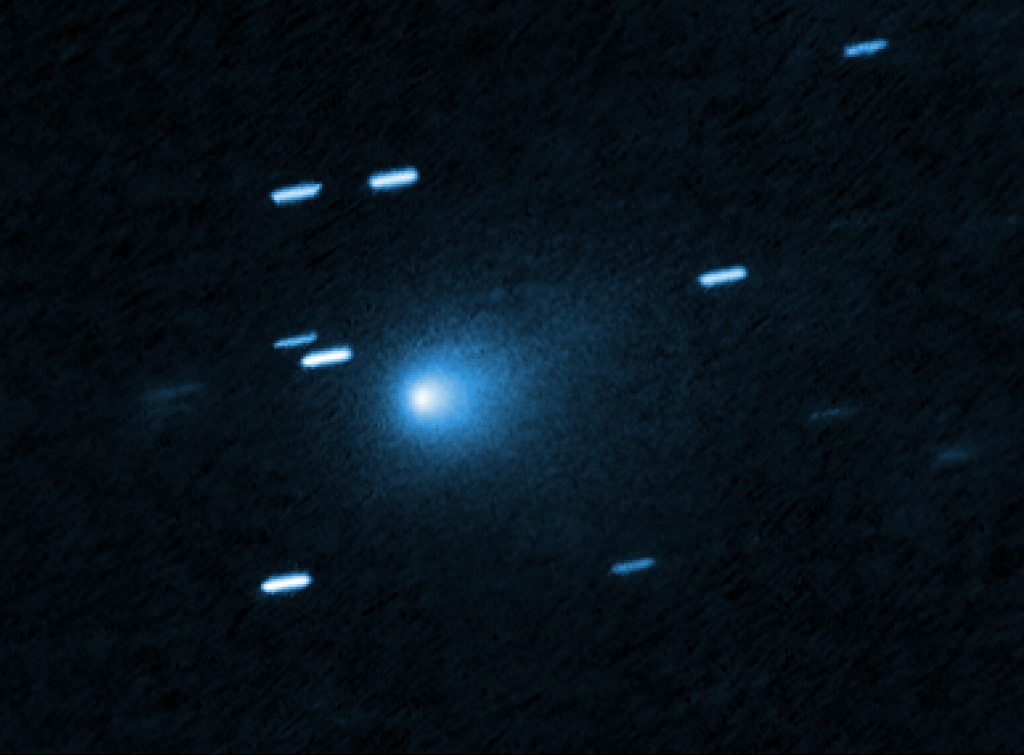
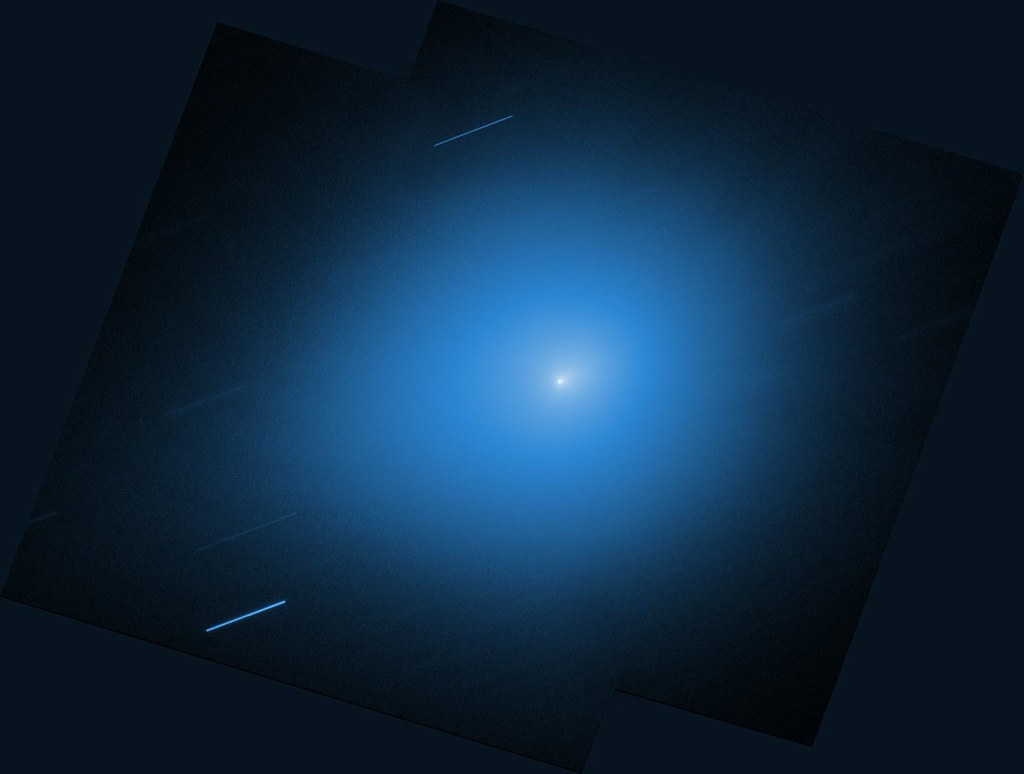
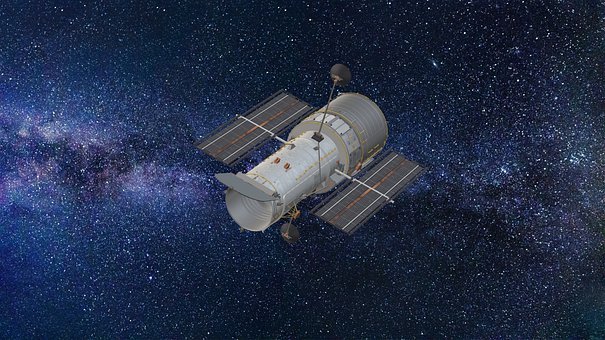
Comet 3I/ATLAS illustrated the speed with which NASA is able to put up a multi-mission observing campaign around an object that forms outside the Solar System. The comet is classified as interstellar due to the hyperbolic form of its orbit and NASA indicates that it will never be close to Earth, with the nearest point of approximately 1.8 astronomical units (approximately 170 million miles / 270 million kilometers). The Hubble images allowed to narrow the size of the nucleus, where 3.5 miles (5.6 km) was an upper limit and 1,444 feet (440 m) was a potential lower limit. Webb provided spectroscopy, SPHEREx infrared surveillance, and a long list of missions some of them as far away as Earth provided – useful vantage points. The moral of the story to the subsequent visitors is practical instead of metaphorical: fast science occurs when the already existing assets can be reused within a short time.
2. The early-warning interface: Rubin early warning stream makes discovery a countdown clock
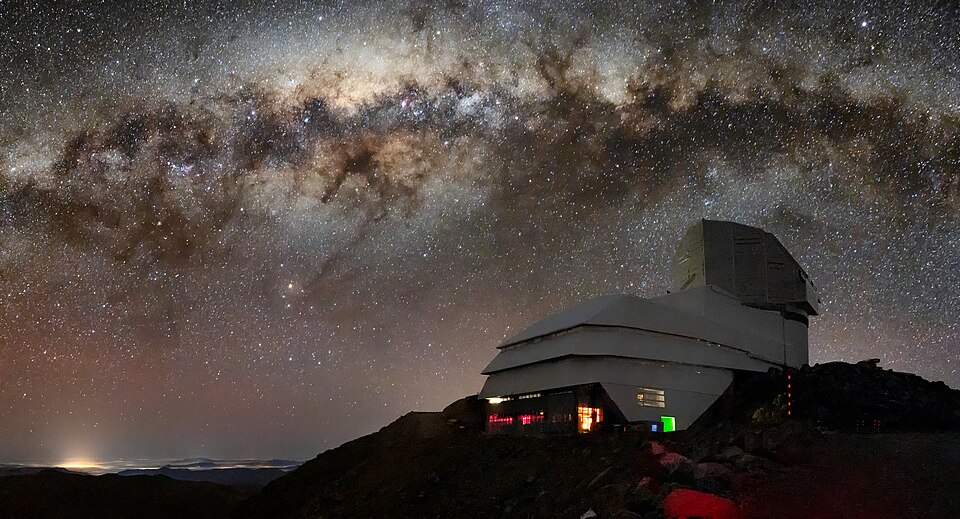
The process of making rapid response starts with quick detection and the Vera C. Rubin Observatory is designed with that requirement. It has a pipeline capable of producing a public alert in two minutes after photographing an image and is programmed to increase to a maximum of seven million alerts per night. Practically, it implies that an interstellar candidate can be transformed to a faint streak to a worldwide follow-up target in nearly no time, and time can be available to other observatories to have tracking strategies set before the object is lost to solar glare or disappears. The rhythm of work also alters according to Rubin: now the audience does not have to wait before being shown an object of the museum; now they have to filter an endless stream with the quick moving exceptions.
3. Two case studies to population: why abundance matters
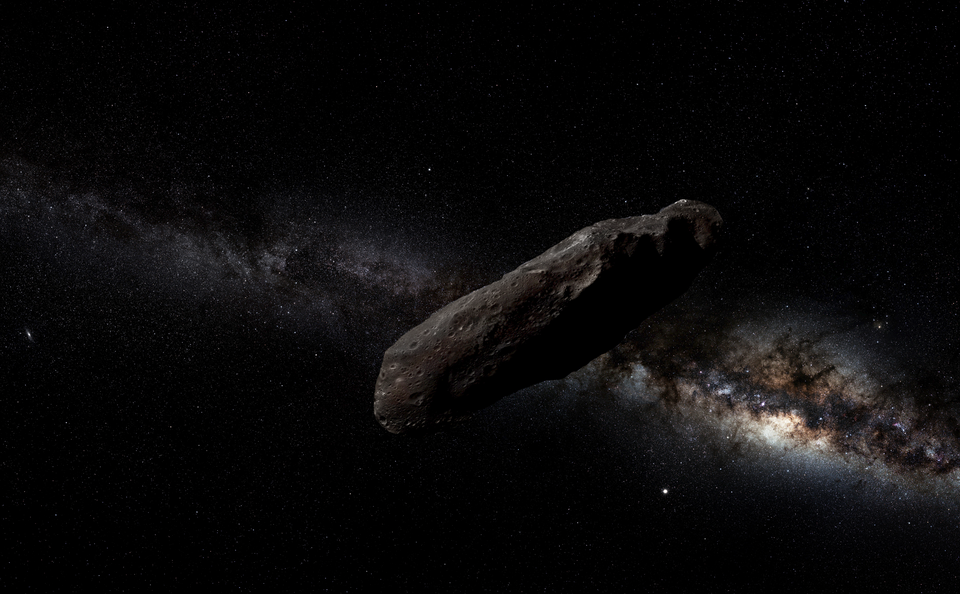
Two interstellar objects, ʻOumuamua and 2I/Borisov, had been verified before 3I/ATLAS and researchers did not have statistics but anecdotes. The 10-year Legacy Survey of Space and Time created by Rubin is likely to put the study of interstellar research on the questions of population, and astronomers expect to find at least dozens of ones, rather than single surprises. This is not only the change of counting. A bigger sample will enable significant comparisons: active and inert bodies, compositions, rotation states and sizes, and them all can be interpreted as messages sent by planetary systems in the Milky Way. The scientific motive presented by Michele Bannister in her framing is simply in the following: A rock of another solar system is a direct probe into how planetesimal formation happened at another star.
4. An observatory in a hodgepodge: spacecrafts will be wandering outposts
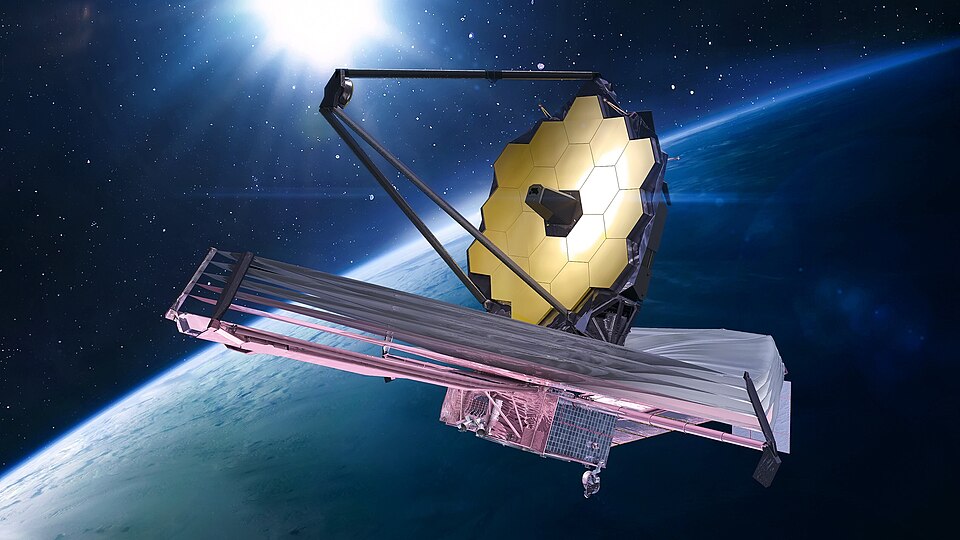
The unique strength of NASA in the fast-response astronomy is that numerous spacecrafts can play a role without the construction of the target. Observation during 3I/ATLAS was possible not only of Hubble and Webb, but also of missions on their way to other destinations and spacecraft in Mars and close to the Sun. This diffuse geometry is important as it substitutes a single viewing angle with a collection of baselines over the Solar System-beneficial in separating dust architecture, activity transformations, and the role sunlight plays in propelling a coma. It can also promote redundancy: in case the object is no longer visible on earth during weeks, it may still be seen through instruments on different planets.
5. Infrared and ultraviolet: where composition clues hide
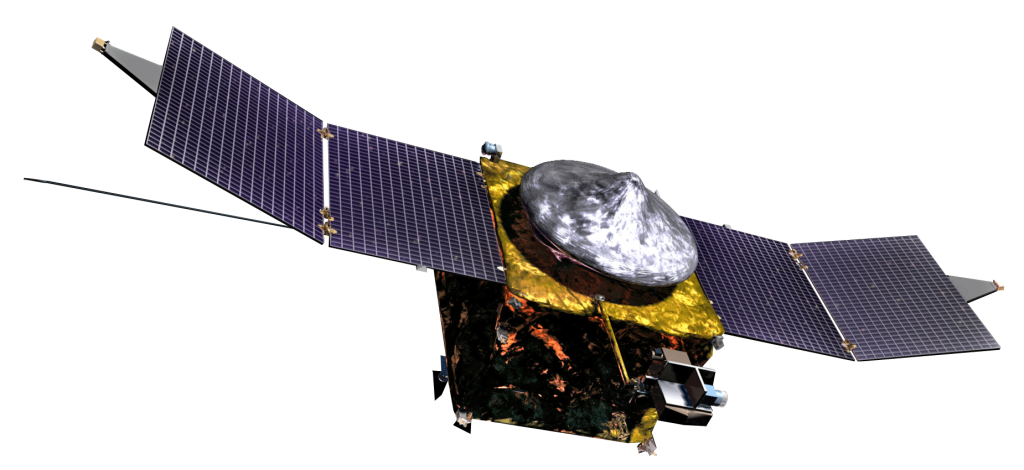
Fast response does not consist merely of providing telescopes with rapid responding capabilities; it consists of making the decisions of what wavelengths will tell us about the chemistry before it can change. Observations of 3I/ATLAS of infrared emission of dust and volatiles in the coma and ultraviolet imaging of Mars by MAVEN were focused on the extended hydrogen of the comet. The combination of those methods shows a playbook of modernity: visible light defines morphology and rotation, infrared limits thermal activity and molecular signatures, ultraviolet is used to show light gases that can extend well beyond the nucleus. To the next interstellar visitor, timing is what is important in that playbook, to capture the composition very early, before solar heating can change the appearance of the object with a new envelope.
6. Scaling automation: machine learning, brokers, and triage
The alert firehose by Rubin is not usable unless it is sorted automatically. Broker systems Community brokers use machine learning to categorize, filter and cross tabulate events with catalogs and forwards probable ones to teams capable of pursuing them. This equipment is a feasible aspect of the quick response strategy: unless there is a triage, rare interstellar travelers are lost amongst the common transients. Triage can enable the community to respond when the target is still faint but traceable, and spacecraft crews can determine whether opportunistic imaging is operational hazardous.
7. Waiting in space: Comet Interceptor as parallel fast-response model
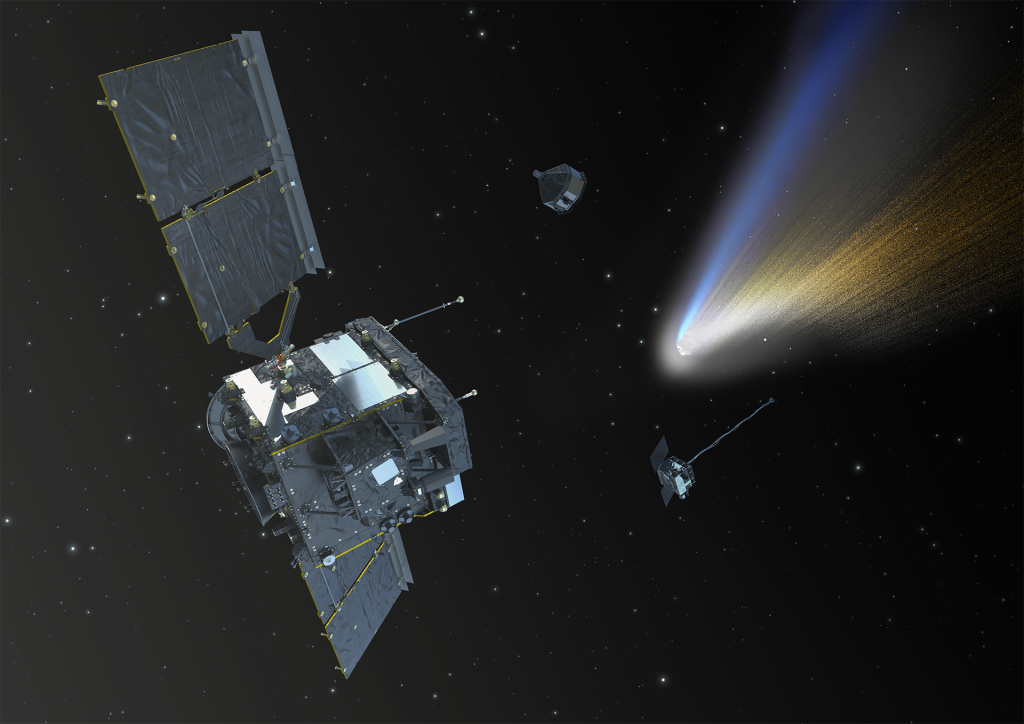
Fast response may also be taken to imply pre-positioning hardware prior to the target existing. The Comet Interceptor of ESA reflects that reasoning by orbiting Earth-Sun Lagrange L2 until a new dynamically new comet is found and then carrying out a three-spacecraft flyby to measure it at once. The notion highlights an even more general engineering principle applicable to interstellar objects: when time to lead is not predictable, mission architecture can be made prepared. On the rare occasions where a specific interstellar interceptor is lacking, the same philosophy, preplanned modes, quick-retargeting, and coordinated assets, causes the Solar System itself to be a sensor network.
Wide-field surveys, two-minute alerting, automated classification and opportunistic spacecraft observations are all elements of a unified response system. The technical narrative is not about any particular telescope but a dance, which starts when a small, rapidly moving object is seen. In the science of interstellar that choreography is different: the fleeting is quantifiable, and a guest that would previously have given only a cursory observation can provide a multi-instrument, multi-vantage account of the rubble of another planet system.


