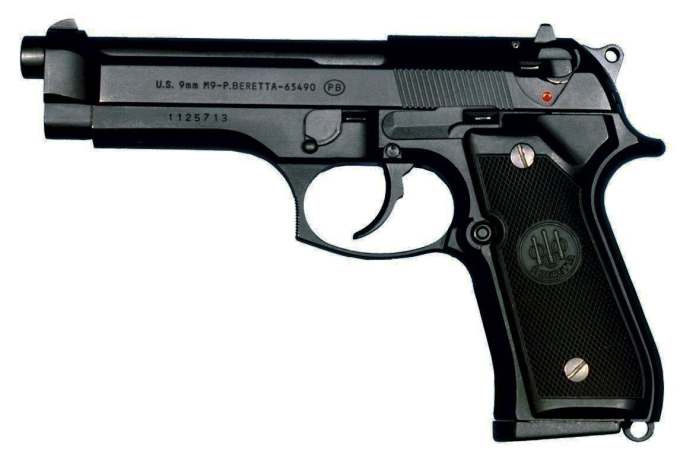
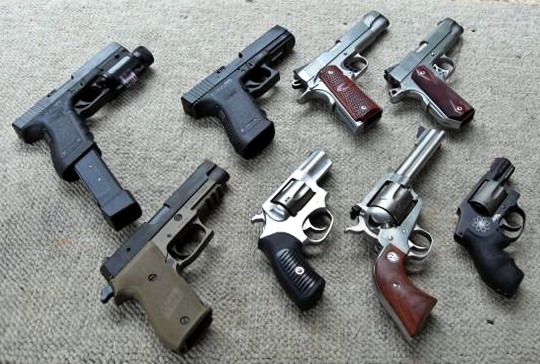
The U.S. Army’s handguns tell a story of engineering tradeoffs more than romance: power versus controllability, simplicity versus capacity, and institutional standardization versus what actually survives hard use. Across more than a century, the sidearm moved from a rugged belt gun meant for mounted troops to a compact system designed around interchangeable parts, lights, and optics.
What changed wasn’t only the mechanism. The Army’s requirements kept shifting field maintenance, endurance under abuse, ammunition logistics, and later, interoperability with allies pushing designs from single-action revolvers to high-capacity semi-autos and, eventually, modular frames built for configuration at scale.
1. The Colt Single Action Army and the Army’s first metallic-cartridge “six-shooter” era
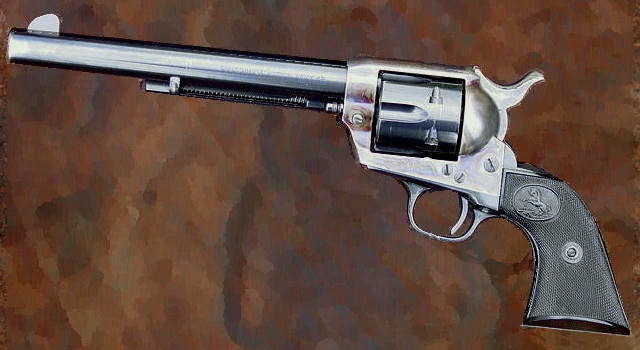
The Army’s iconic post-Civil War service revolver was the Colt Single Action Army, adopted after the 1872 trials and issued from 1873 to 1892. Design changes that turned Colt’s earlier open-top concepts into a serviceable military sidearm were fundamentally structural: a topstrap for rigidity, a more practical rear sight groove, a removable cylinder base pin, and a strengthened ejector system.
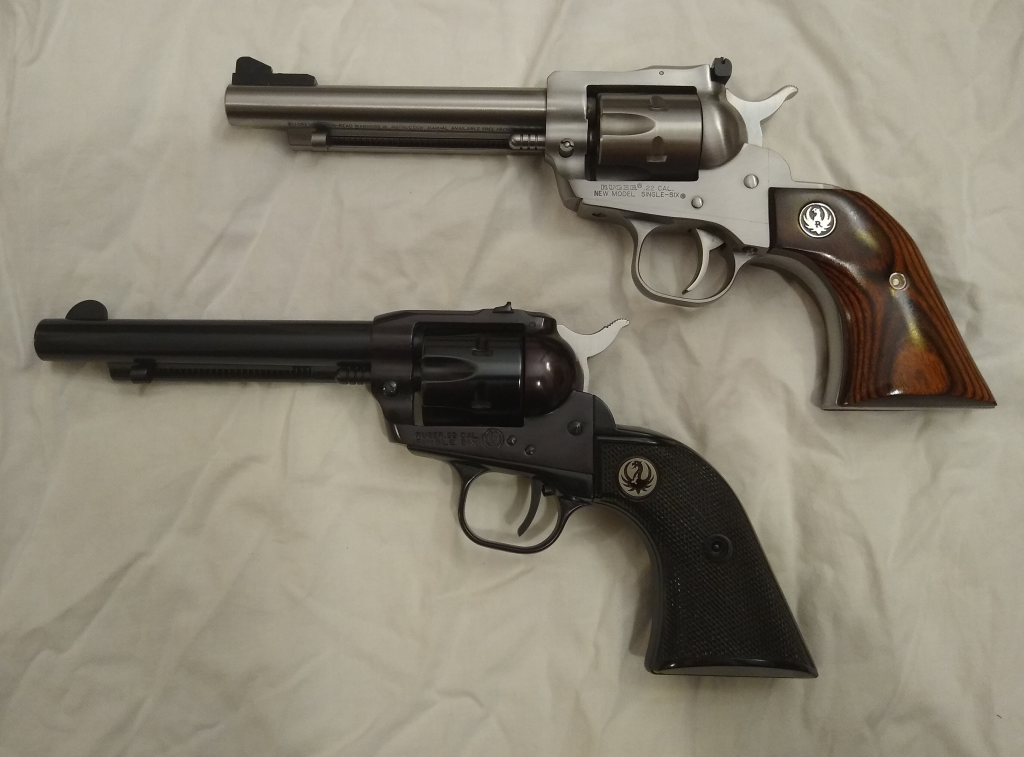
Chambered in a new service cartridge .45 Colt the revolver brought repeatable power and robust field handling to mounted troops, even if it still reflected the limitations of 19th-century manual of arms. As a piece of issued gear, its footprint was not small: Army orders totaled 37,063 revolvers between 1873 and 1891, a run that cemented the pattern of a “general-issue” sidearm rather than a private-purchase backup.
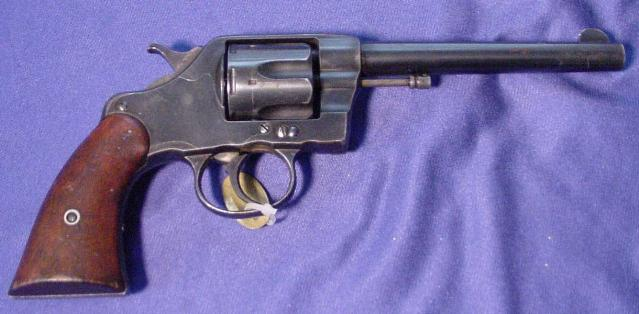
2. The double-action swing-out cylinder: speed-of-reload becomes a design requirement
When the Army replaced the Single Action Army, it also shifted toward a modern revolver layout that prioritized faster loading and unloading. The Colt Model 1892 introduced a swing-out cylinder and star extractor system, designed to simplify ejection and reload cycles compared with gate-loaded single-actions. Mechanically, it was a generational move: the cylinder could be opened for loading and ejection through a frame-mounted latch, and the ejector rod activated a star extractor that cleared spent cases together. The design also reflected late-19th-century faith in smaller, faster bullets an approach that later drove renewed demand for larger-caliber handgun performance in service use.
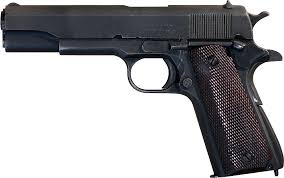
3. The endurance-test crucible that forged the M1911’s “service pistol” identity
The Model of 1911 did not arrive fully formed; it emerged from an unusually methodical test culture that forced features into the design because the Army demanded them. In the 1910 board proceedings, evaluators focused on safety devices, ease of disassembly, parts counts, and timed stripping procedures. During the endurance phase, 6,000 rounds were fired per pistol in 100-round cycles, with water poured through barrels at intervals and cleaning allowed every 1,000 rounds. In those tests, the Colt entry showed fewer stoppages and fewer broken parts than its Savage competitor, and the board ultimately concluded: “…Of the two pistols, the Board is of the opinion that the Colt’s is superior, because it is the more reliable, the more enduring, the more easily disassembled when there are broken parts to be replaced, and the more accurate…” The follow-on 1911 endurance testing produced a defining data point—Colt’s later performance of 6,000 rounds without a failure helping codify what a “trooper-proof” semi-auto needed to be.
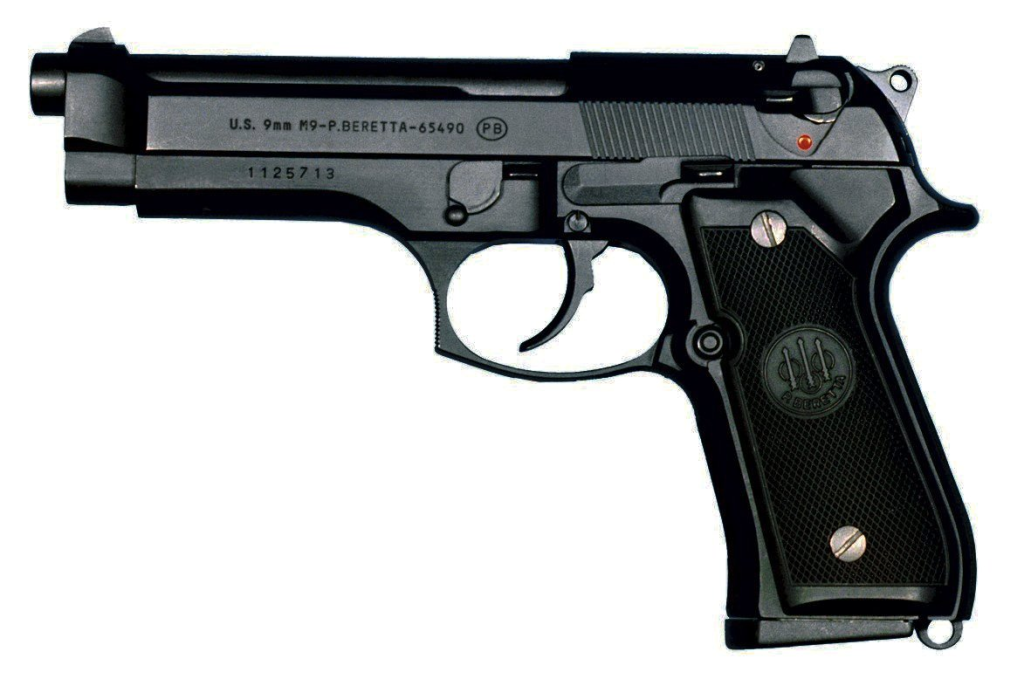
4. From big-bore tradition to alliance logistics: the move to 9mm and the XM9 trials
For decades, the Army’s pistol culture was synonymous with .45-caliber service handguns, but late-20th-century procurement pushed in a different direction. NATO alignment and logistics favored 9x19mm, and the Department of Defense moved toward a high-capacity, double-action/single-action semi-auto as a general-issue sidearm. That pivot culminated in the 1984 XM9 trials an evaluation environment where capacity, reliability, and lifecycle support were weighed alongside cost. One of the clearest technical signals of the period was the Army’s embrace of a 15-round class magazine in a full-size handgun, a break from the single-stack era that had dominated earlier semi-auto service pistols.
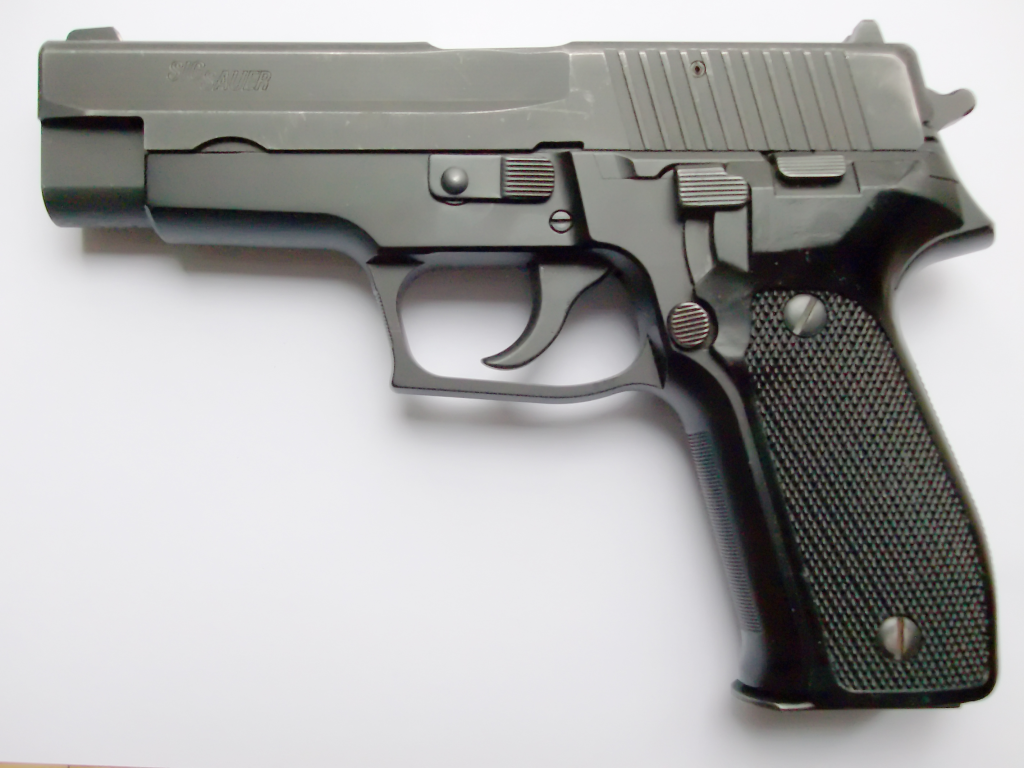
5. The “almost” sidearm: SIG Sauer’s P226 and how trial data shaped expectations
The SIG Sauer P226 exists because the XM9 program forced manufacturers to build around specific performance targets, especially capacity. SIG reworked the P220 into a double-stack 9mm with 15+1 capability, then pushed it into the 1984 competition. In published trial figures, the P226 logged 12 total stoppages versus the Beretta’s 20, a reminder that a procurement “loss” can still set a benchmark for what the Army expects from a modern pistol. Even without becoming the Army’s standard-issue handgun, the P226’s reliability narrative and long service outside the Army helped normalize the idea that a service pistol could be evaluated like a system magazines, spares, and maintenance practices included rather than judged as a standalone weapon.
6. The accessory rail era: handguns become hosts for lights, lasers, and revised ergonomics
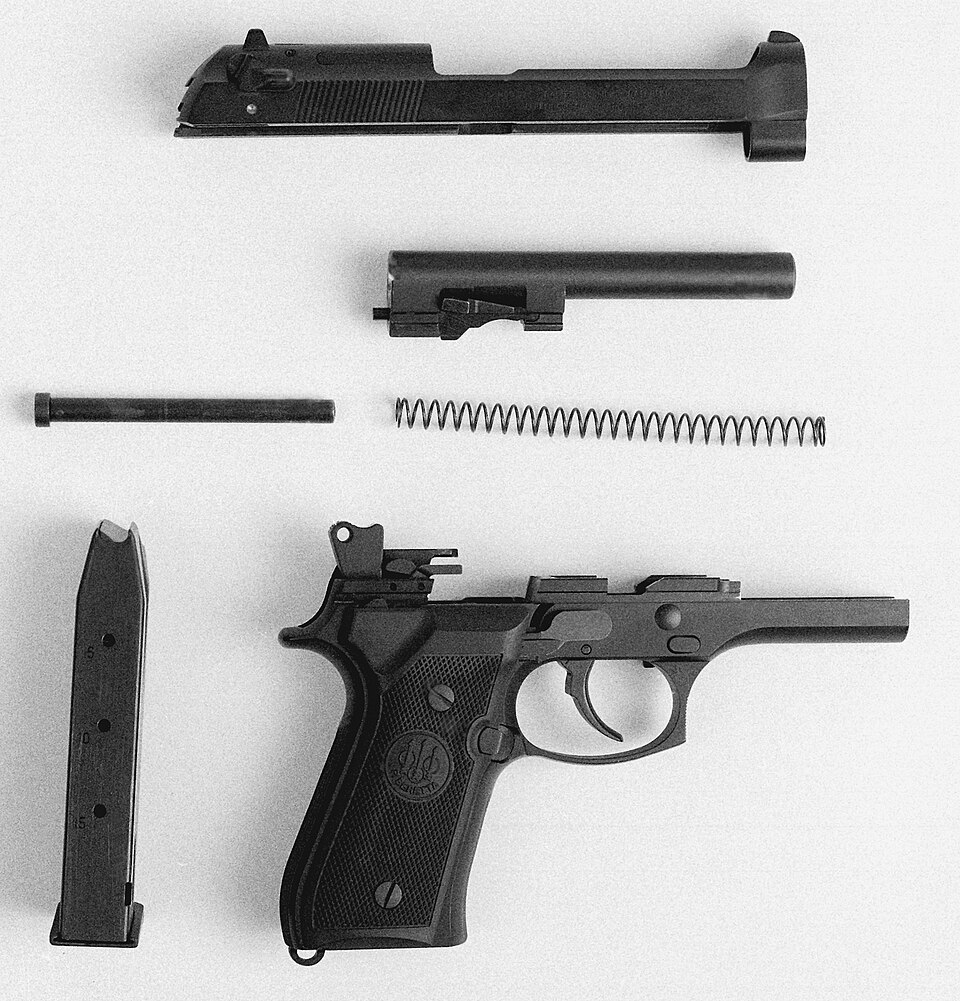
Once the Army standardized on a modern 9mm semi-auto, incremental engineering changes began orbiting a new reality: pistols were no longer just iron-sighted sidearms. The M9’s later iterations reflected this, including rail integration to support white lights and aiming devices, along with grip texture changes and magazine well tweaks aimed at reload speed under stress. Even when the underlying operating system remained familiar, the expectation shifted toward “missionized” handguns that could accept add-ons without bespoke gunsmithing. In practical terms, that moved the service pistol closer to a platform one that had to interface with holsters, lights, and training pipelines rather than a fixed pattern of steel and springs.
7. Modularity becomes the requirement: the XM17 program and the M17/M18 concept
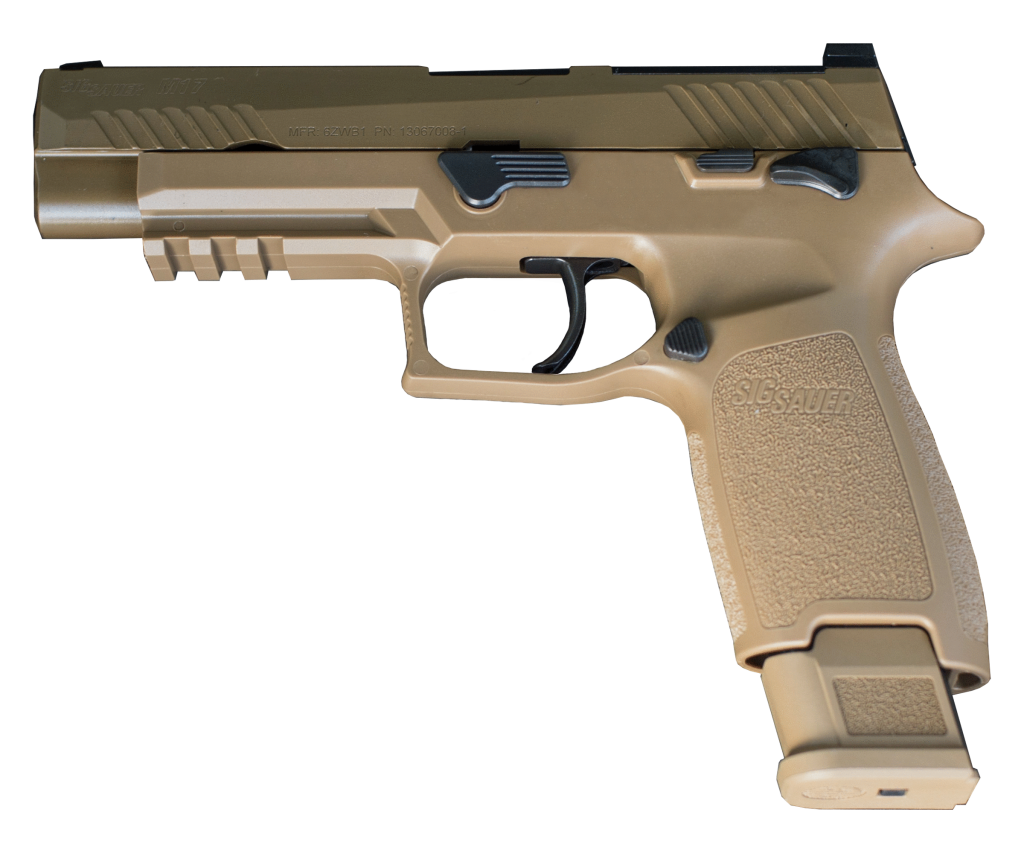
The Army’s newest step is not defined by caliber or a single fixed frame size, but by how a handgun can be reconfigured. The XM17 Modular Handgun System competition was built around the expectation that a pistol could be adapted through different grip modules and fire-control configurations, supporting more than one form factor while maintaining commonality. That approach culminated in the selection of SIG Sauer’s P320-based system and the fielding of the M17 (full-size) and M18 (compact). The Army’s program language emphasized interchangeability and ambidextrous usability traits that align with large-scale issue realities where one “average” soldier no longer defines the whole user base. It also set the modern baseline: a service pistol is expected to be maintainable and adaptable like a piece of modular equipment, not merely replaced when requirements change.
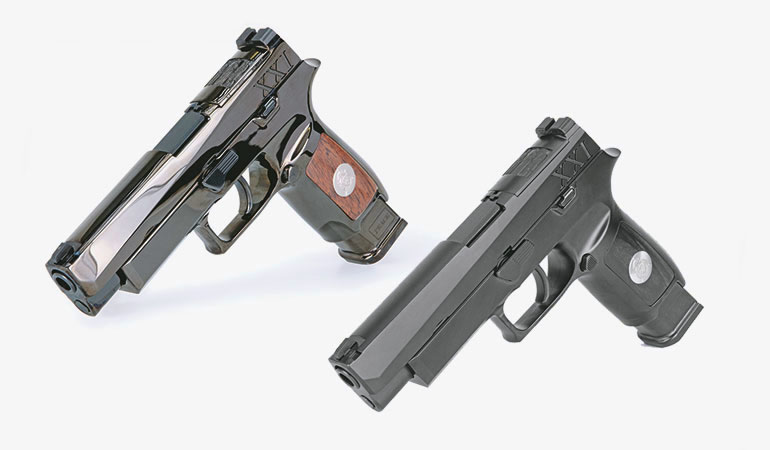
Across these transitions, the Army’s handgun evolution tracks a consistent theme: procurement is engineering under constraint. Revolvers optimized for cavalry carry gave way to pistols judged by endurance testing, then to alliance-driven caliber standardization, and finally to modularity meant to reduce lifecycle friction. The sidearm’s role stayed relatively constant as a secondary weapon, but its design priorities did not. Each new issue generation carried forward a different lesson strength, reload speed, endurance, capacity, accessory compatibility, and now configurability until the “service pistol” became as much a system as a standalone handgun.


