The U.S. Army has never had a pistol as the center of attention, but it has often been the equipment that allows the rest of the rig to function. Sidearm modifications are usually administrative on paper new caliber, new manual of arms, new contract but the trickle-down impact is reflected in training time, logistical support and human movement over restricted areas.
Throughout the last two and a half centuries, the last ditch weapon of the Army has changed together with manufacturing, ammunition, and doctrine. These transitions shaped the current combat at the individual level in a quiet manner.
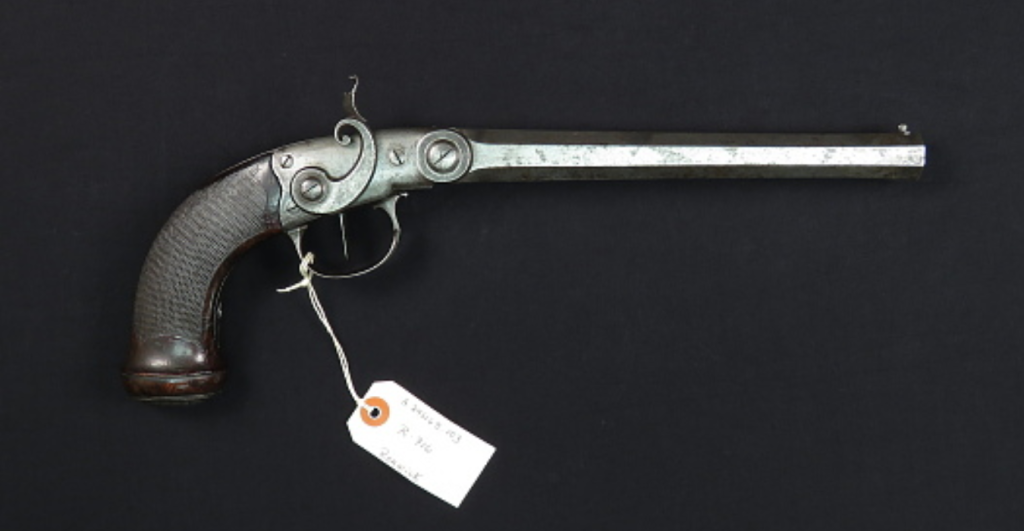
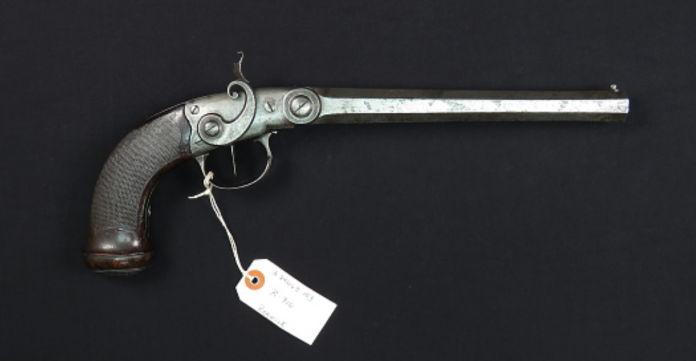
1. Andrew Jackson: Model 1813 Pistols and the First Push by the Army to Interchangeable Parts
Many years before polymer-framed and modular fire-control units, the Army had come to know that sidearms were manufacturing projects. One of the first changes was arguably the introduction of a contract work by Simeon North that propounded the notion that pistols could be serviced by swapping parts instead of handfitting them. The shift to interchangeable parts was not only making the repairs easier; it dragged the sidearm into the larger development of American standardization of industry.
That was important since pistols were often spread over broad formations and distant posts. A weapon which could be maintained running with standardized parts lowered the reliance on a good gunsmith where it was required. Practically, this was a kind of early form of sustainment engineering, that is, the creation of a weapon that could not only shoot, it could also be maintained predictably with reliable input of maintenance.
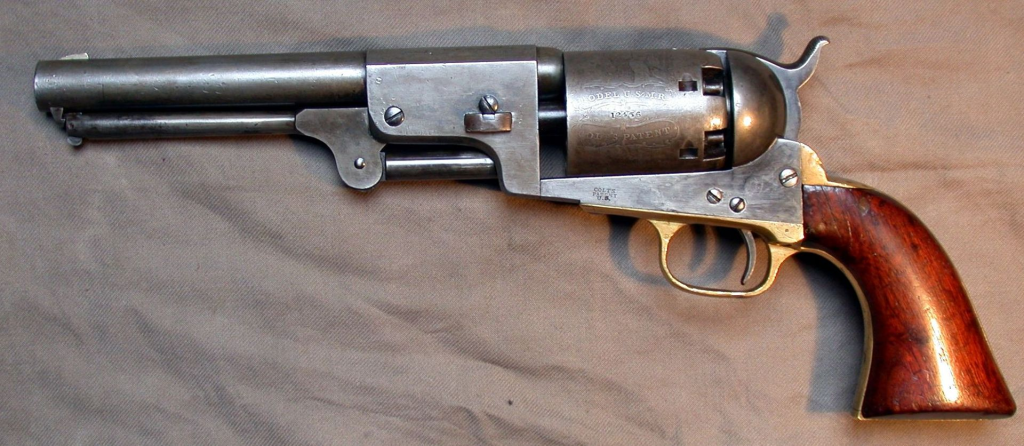
2. The Adoption of Revolvers and the First Real Leap of Volume of Fire, 1848
The replacement of single shot pistols with percussion revolvers constituted the greatest leap in instantaneous handgun potential the Army ever had. At the point at which the service formally incorporated revolvers, in 1848, the ratio was simple and arithmetical: several shots to the reload, rather than one. The repetitive motion paired with a percussion igniter enhanced usability in the firepower and consistency particularly during adverse weather.
This change altered the use of sidearms neither in the presence of horses, wagons, or close-in confusion where a long gun may be cumbersome. It also transformed training expectations. The revolvers required other types of handling, such as operating a cylinder, indexing the shot, and loading some ammunition in a stressful situation. The effect of the quiet was that soldiers were now able to think of firing several shots accurately in quick succession, and this ability would reverberate in all later sidearm demands.
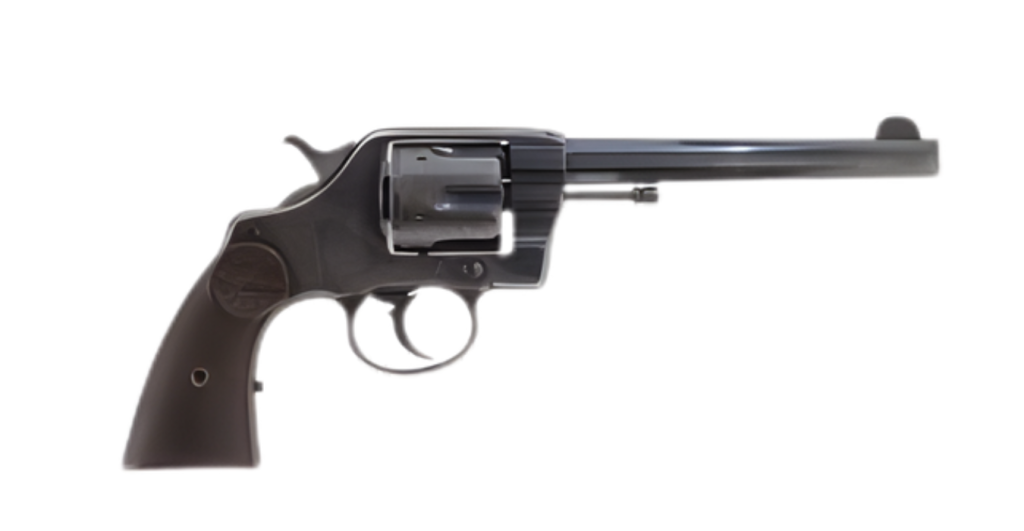
3. The Model 1892 of Colt and the First Double-Action Standard of the Army
The relocation of the Army to the Colt Model 1892 introduced a new concept to the standard issue: speed without grip change. The option of a double-action operation was such that a soldier was able to shoot through the triggering motion instead of manually cocking the hammer each time. It was also joined with the swing-out cylinder to reload at a faster and simpler rate than designs that use gates to load them.
That mechanical improvement was accompanied with a lesson on operation. The cartridge of .38 Long Colt failed to provide the final, terminal-performance which the Army had anticipated and this prompted new interest in the question of caliber and effectiveness. Even without the discussion of battlefield stories, the engineering lesson is evident: the Army started valuing handgun performance at the battlefield as a combination of mechanism and cartridge, rather than either of these items.
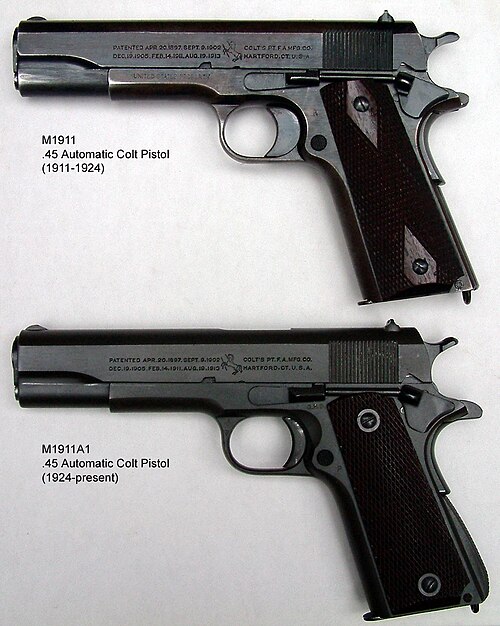
4. M1911 and Semi-Auto Manual of Arms Is a Military Groundwork
Introduced in 1911, the M1911 did not only usher in a new type of pistol- it also established a new standard of what a service pistol should be: semi-automatic, magazines loaded, and meant to be used over time with predictable handling. It had a capacity of seven rounds of the .45 ACP and served as the standard US sidearm over a period of over seventy years, eventually becoming the M1911A1 with such additions as better sights and better ergonomics.
The long-lasting effect was procedural. Semi-auto pistols altered the ways troops loaded, cleared and carried handguns, and armorers retained them in size. The training and qualification methods of the Army handgun also settled down to semi-auto habits that remain current today: magazine changes, clearing malfunctions and regular recoil-management methods.
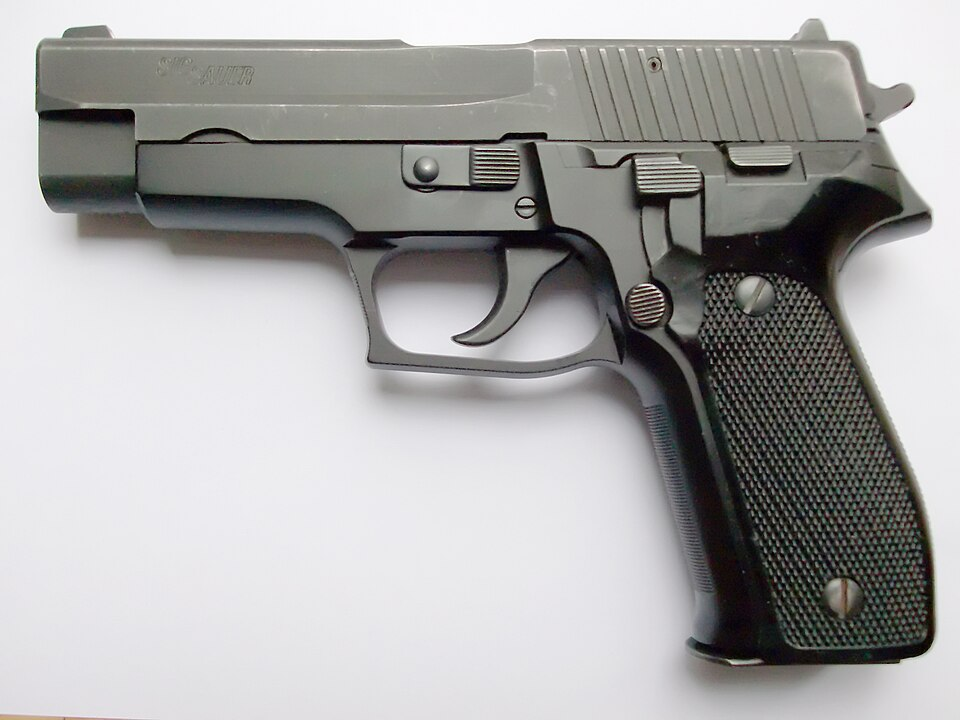
5. The Experiments on XM9 and the Triumph of Reliability as a Number
In the case of the selection process of a new 9×19mm pistol by the Army in the 1980s, the selection process was part of the story. The focus of trials was placed on measurable reliability and operation in poor conditions, with such parameters as average rounds between failure. The two finalists of the 1984 competition (SIG P226 and Beretta 92F) reported high numbers on reliability with 2,877 MRBF of the P226 and 1,750 MRBF of the 92F during the last stage of the testing history.
As even the test controversies indicated, it involved a more profound change: it was not merely anecdotes, but constructed tests with pass / fail outcomes and interpretation. Recent records related the use of mud and salt water immersion tests to compare systems to a.45-caliber control weapon, with more rigid-fitting 9mm pistols potentially sacrificing tolerance to accuracy. The silent transformation was cultural: the procurement and engineering of vocabulary classes of stoppage, the test of one mission, the test of the other, and standardisation of test protocols was inseparably connected with the battlefield of the sidearm.
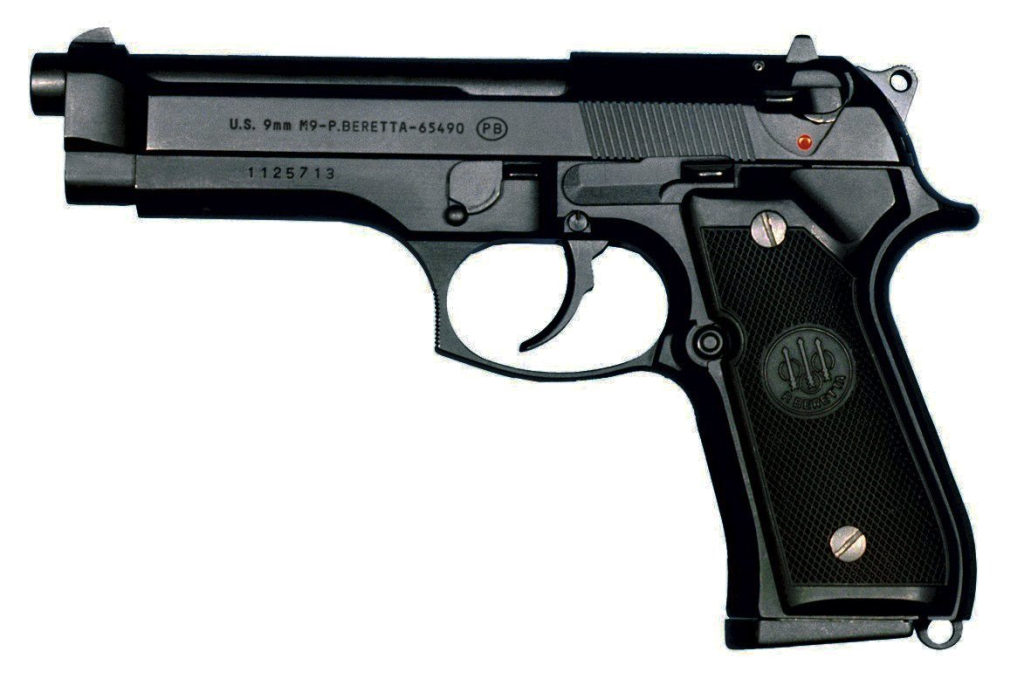
6. The Logistics Shock of Standardizing on 9x19mm and the M9 Adoption
In 1985, the Army took over the Beretta 92F as the M9 after a competition that was dictated by the NATO-like caliber standards and high capacity demands. It was not merely a matter of getting rid of the .45 and going to a 9mm, but of adopting a double-action/single-action pistol with a bigger capacity magazine and a safety/decocker idea built into the specifications that looked like an ambidextrous one. That changed the way that, in the hands of a large group of soldiers most of whom had not resided on the range they could be conditioned, to hold the pistol in safe in hands, and to discharge it in a manner satisfactory.
Long-run effect was focused on logistics. Caliber standardization eased supply during coalition situations where supply was shared and the larger magazine capacity reduced the frequency with which a soldier had to reload during close range situations. Simultaneously, the M9 generation showed how maintenance could be a new king of image: service intervals, type of replacement parts, and the choice of a magazine style might turn the same pistol into a reliable one or a faulty one in the field.
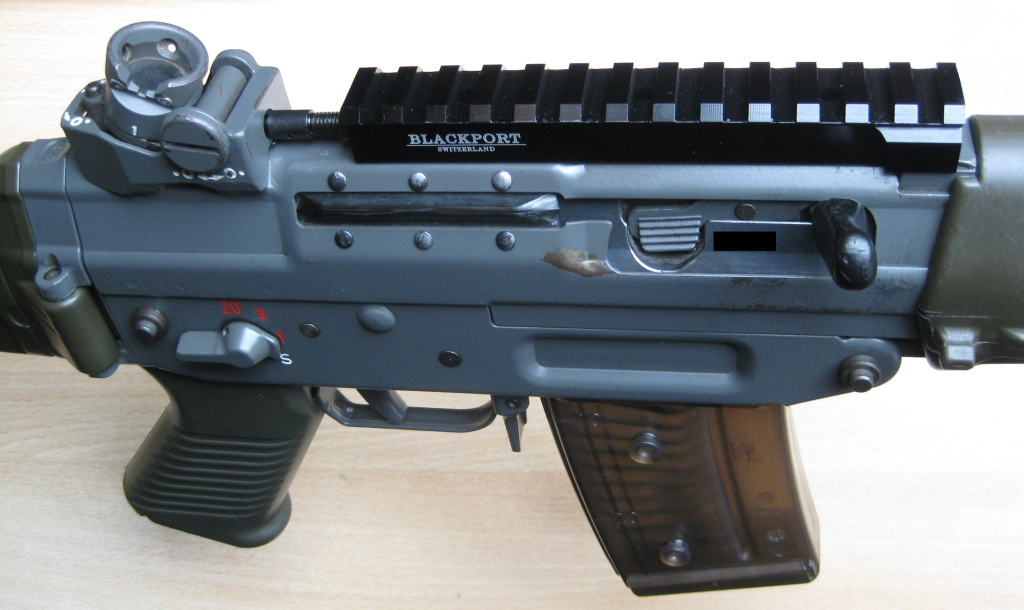
7. The M9A1’s Rail and the Normalization of Weapon Lights on Pistols
The M9A1’s most visible change a MIL-STD-1913 accessory rail turned the handgun into a platform for low-light tools rather than a standalone object. That mattered because pistols are often used where rifles are awkward: inside vehicles, narrow hallways, or crowded control points. A weapon-mounted light can turn a sidearm from a “backup” into something usable for searching, identifying, and controlling movement in confined spaces.
Alongside the rail, the M9A1 fielded sand-resistant magazines intended to reduce friction and prevent grit from adhering. The engineering point was straightforward: the Army’s sidearm ecosystem was no longer just a pistol and ammunition. It was magazines, rails, lights, and the maintenance practices to keep all of it functional in dusty environments.
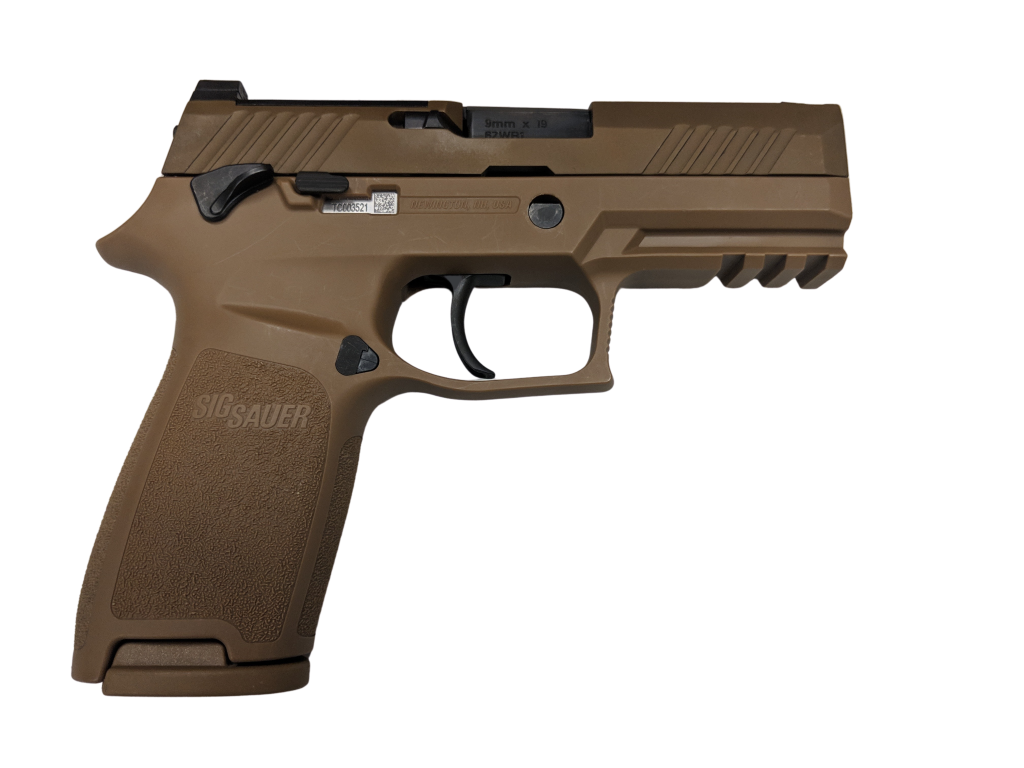
8. The M17/M18 Modular Handgun System and the Chassis Concept Goes Mainstream
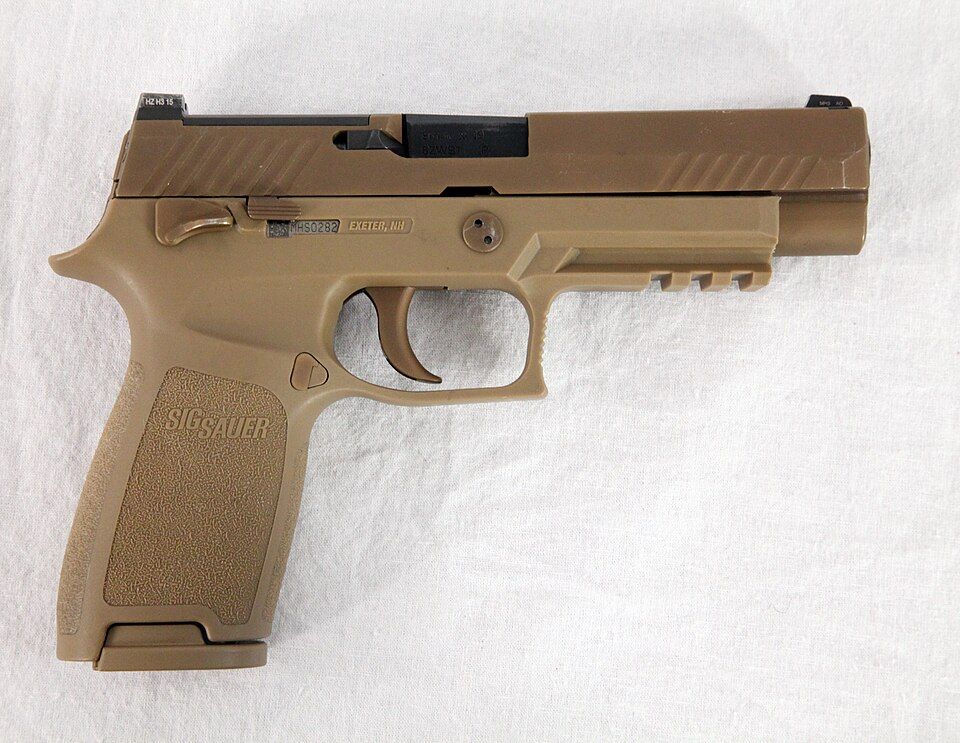
The Modular Handgun System transition, announced in 2017, moved the Army to the SIG-derived M17 and M18 pistols built around a removable serialized fire-control unit that can be placed into different grip modules. The design intent was flexibility without creating multiple entirely different pistols. In the M17 configuration, the pistol uses a 17-round standard magazine and includes an integrated rail for accessories, with model-specific barrel lengths separating full-size and carry variants.
The quiet impact was institutional. Modularity pulled the sidearm into the same configuration mindset that already defined modern carbines: mission-driven setup, standardized accessory interfaces, and a focus on fitting the weapon to the shooter rather than forcing the shooter to adapt to a single fixed frame. As described in the technical overview of the M17 and M18 service pistols, the system also aligned with low-light sighting solutions and updated corrosion-resistant finishes, reinforcing that the “combat pistol” is now expected to live comfortably alongside optics, lights, and modern sustainment practices.
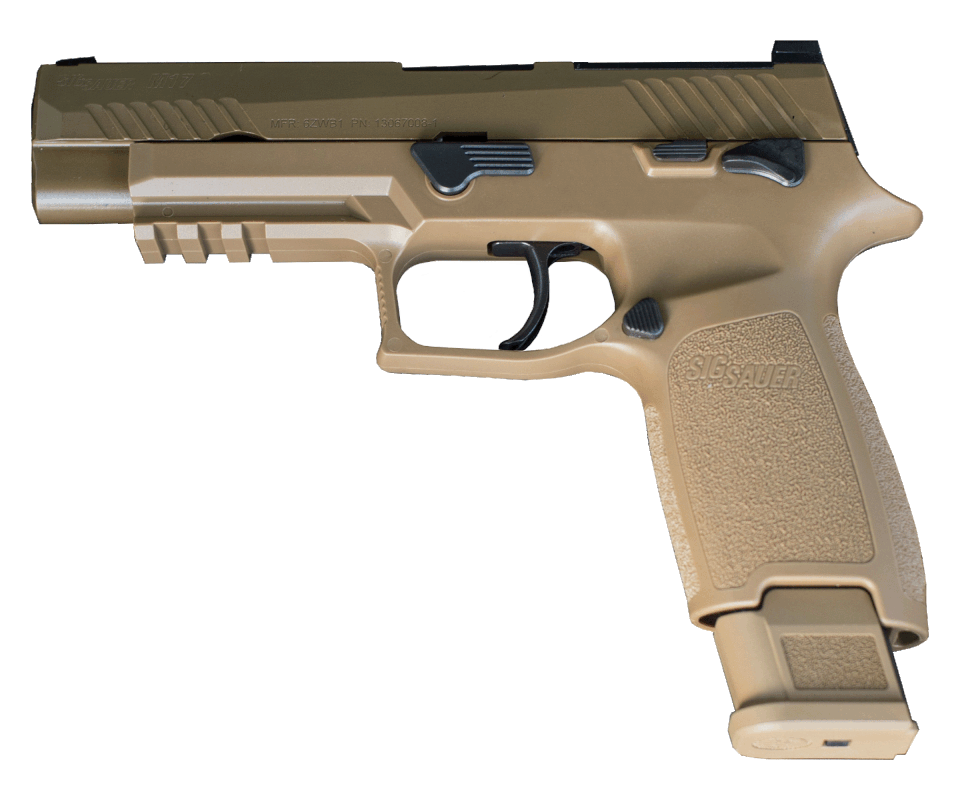
Across these switches, the common thread is not dramatic pistol duels or cinematic last stands. The sidearm’s real influence shows up in manufacturing methods, training load, and how reliably a soldier can bring a compact weapon online when the primary tool is unavailable.
From interchangeable parts to rails and modular chassis systems, the Army’s pistol transitions have repeatedly nudged broader combat behavior quietly, persistently, and often long after the contract award headlines faded.”


