We have rifle cartridges that will print little groups in optimum conditions and there are cartridges which will continue to print it when the wind increases, when the barrel becomes warm, or when the shooter is shot at an awkward position. To the fastidious hunters and match shooters, that latter type is where credibility is developed.
Next comes a field-and-range perspective on cartridges that have gained a reputation as predictable, useful recoil, and predictability across most of the popular rifle systems and some newer models which came with modern bullets and superior engineering than the fast equals flat era would ever provide.
1. .308 Winchester
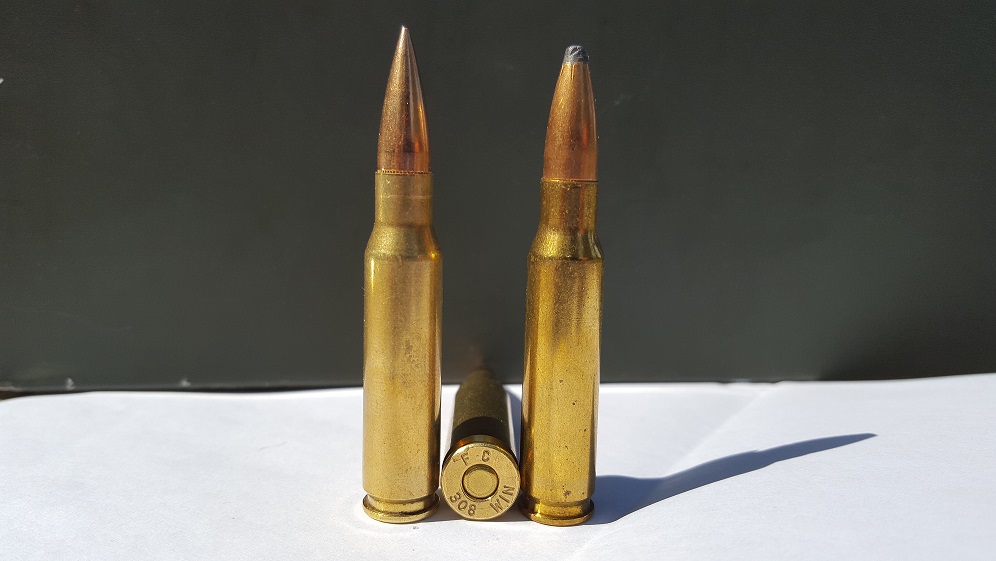
The.308 winchester has more real-life numbers supporting it than any other cartridge. Launched in 1952, it found a golden mean of controllable recoil, effective case design, and wide barrel fit. As a precision rifle, it is one of the simplest centerfires to keep honest: it will shoot well with a variety of barrel lengths and it is also generally forgiving when circumstances and shooting positions are not. Even in long-range competition it will still manifest where regulations dictate that it be, and in hunting rifles it remains pertinent as it does not need that exotic equipment to provide predictable hits at common field ranges. This is the reason why .308 is still a calibration point when shooters compare whatever is new that is the reason behind that do-it-all personality.
2. 6.5 Creedmoor
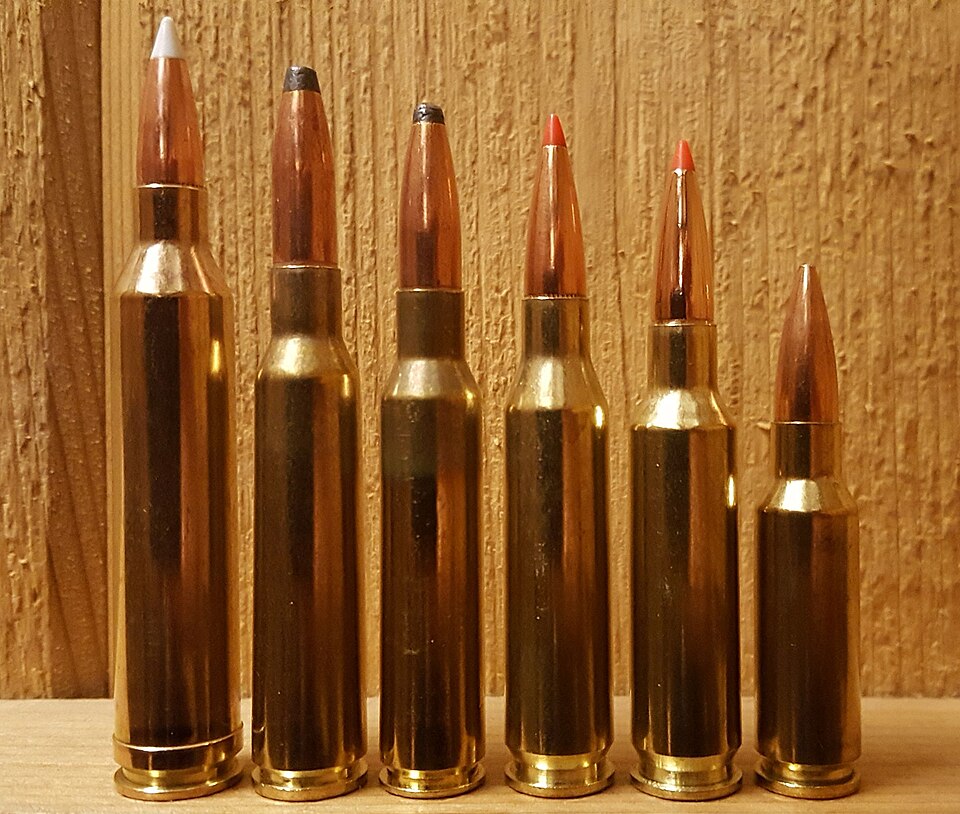
The reputation of the 6.5 Creedmoor is bound to the purpose in which it was designed: to deliver high-BC bullets in the most efficient way possible and to maintain a low recoil so that the shooters do not leave the scope. In a typical hunting case, there is one evident division of the published ballistic examples; the .308 will be found to have more vitality at a shorter distance, but the Creedmoor will be found to have less drop at a greater distance, and in one such head on head they miss by 35 inches at 800 yards. That is a combination of good aerodynamics and shootability, which in turn is a repeatable dope and less fatigue over long strings, and that is the reason it remains a default application with the shooter who needs precision without stepping up to larger magnums.
3. .223 Remington/5.56 NATO
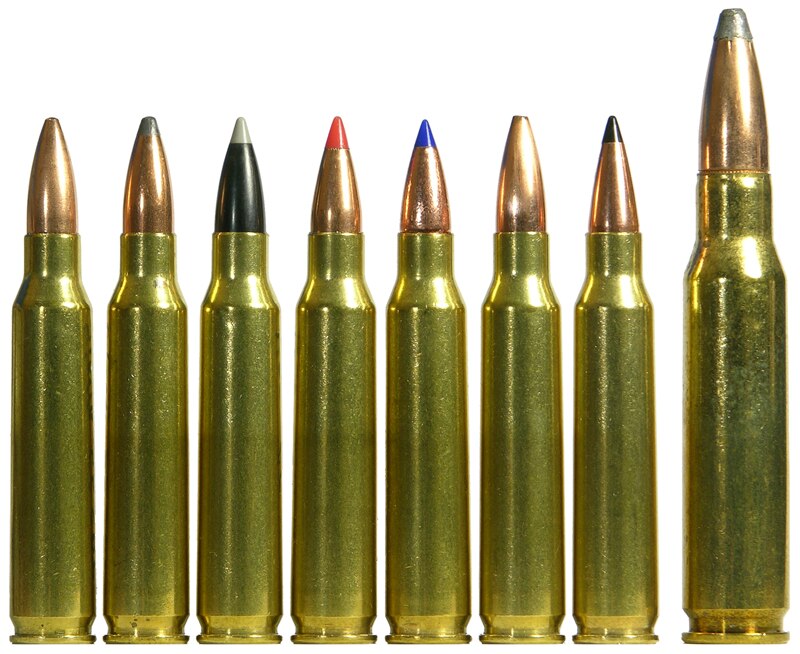
.223/5.56 can be outrageously predictable in good barrels at the correct twist rate. The entire trick is low recoil: it aids shooters to see hits, call shots and correct more quickly: and that is every bit as important on steel as on varmints. Although the bulk loads differ, when there is control over the spread of velocity, match bullets in this bore size can be tight in the vertical at range. It is also one of the easiest cartridges to build high volume skill without beating and that practice time usually transfers to target more than a change in caliber.
4. .243 Winchester
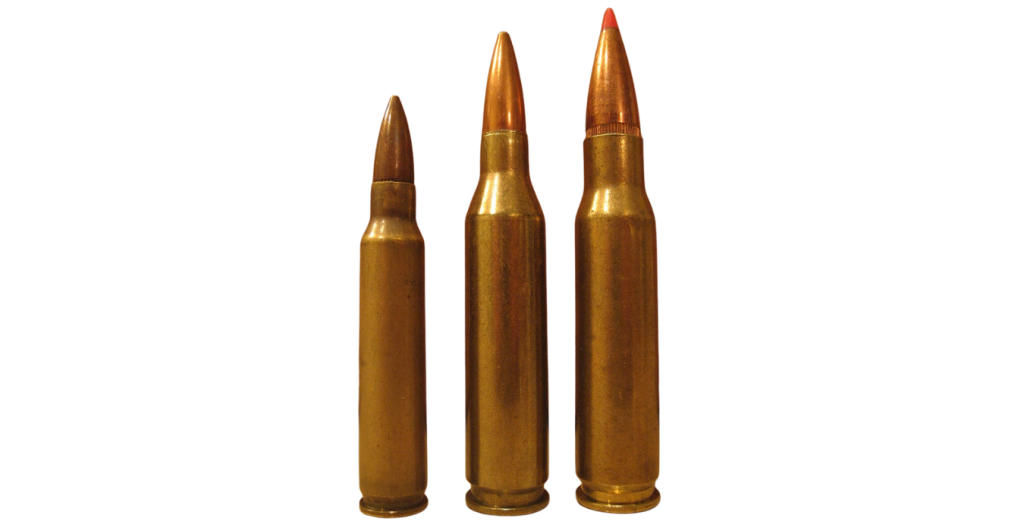
The 243 Winchester is a long-standing, flat and friendly cartridge that will habitually deceive shooters with how effortlessly it will accumulate bullets. It spies two practical worlds: gentle recoil conducive to cautious fundamentals, and sufficient velocity to hold the paths clean within the normal ranges of hunting. In well-designed bolt guns, it can frequently provide very good mechanical accuracy with no unusual tricks of loading. To those shooters who desire a centerfire that is like a training cartridge and yet will reach into the world of real hunting, the choice of a steady shooting cartridge is the .243.
5. 6mm ARC
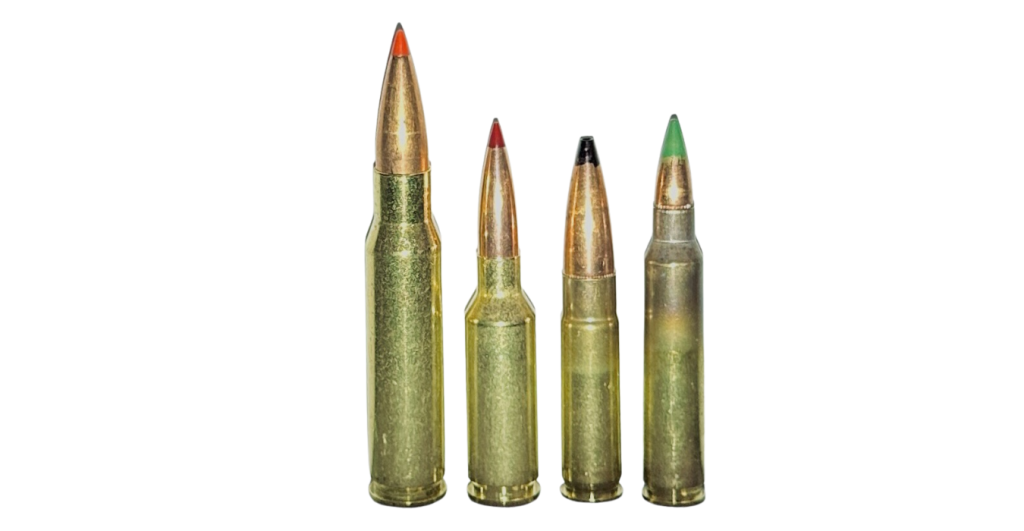
When they need to shoot the AR-15 with an exact reach, the 6mm ARC is constructed around the fact of the modern reality that sleek bullets outrun the raw speed in the presence of wind and distance. It was intended to receive high-BC 6mm bullets in a package that feeds consistently in the platform, and can often be talked about in the context of remaining supersonic further than 1000 yards with the appropriate loads. The ARC advantage compared to .223 is seen in less drop and better wind artistry which can convert hits are possible into hits are repeatable particularly when the shooters desire the semi-auto version with no loss in long-range performance.
6. .270 Winchester
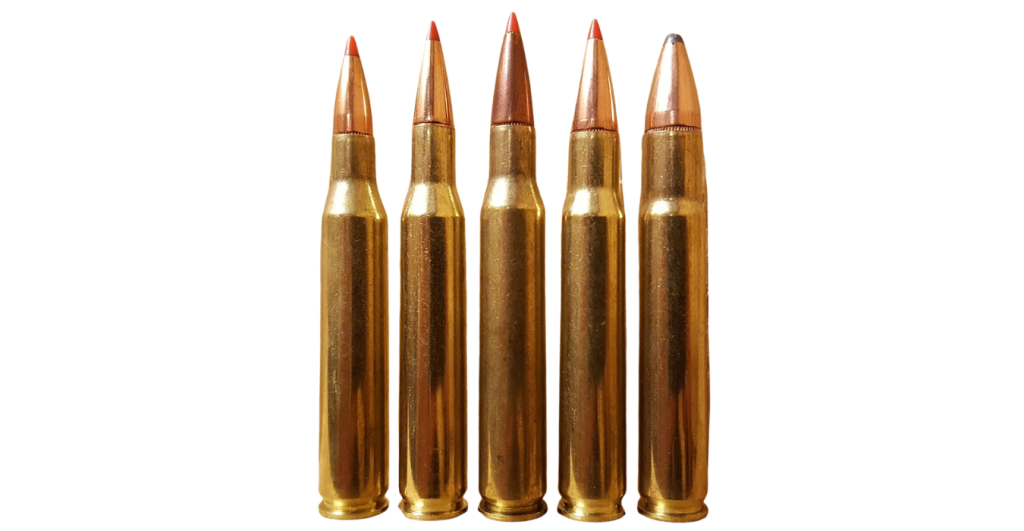
Reputations of accuracy are not always acquired in matches, some are acquired at a rate of one clean shot per decade. The .270 Winchester has been doing so ever since 1925 and has a trajectory profile that has seen it become a classic in open-country hunting long before rangefinders and dial-up turrets became the norm. In a large number of the factory rifles, it usually works better than it should with the smallest amount of trouble, and it does it and remains practical in the recoil. The .270 is still an option to shooters who think that being old-school means being reliable.
7. 6.5 PRC
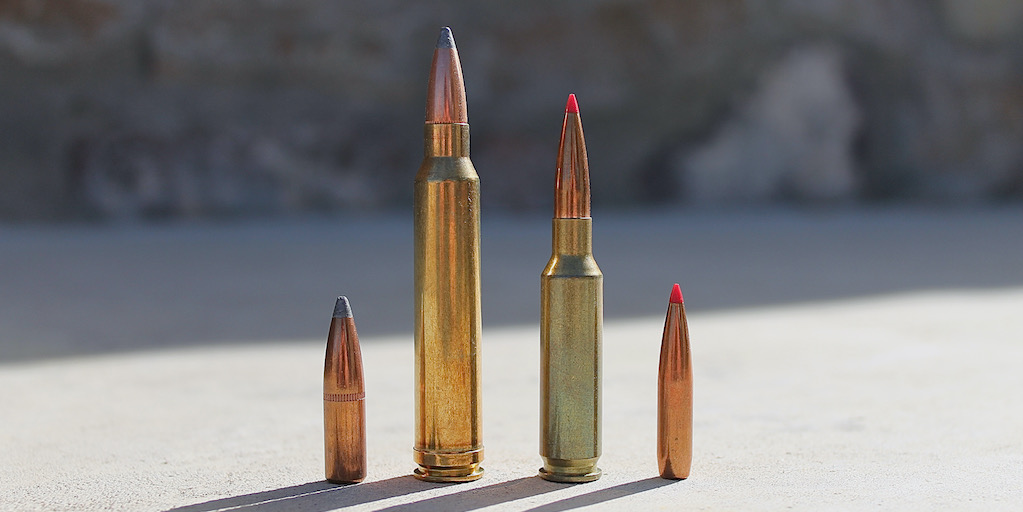
The 6.5 PRC takes the place of those who enjoy the shooting that the Creedmoor delivers but prefer more speed and power without having to leap to the most kick-you-in-the-butt of 30-cal magnums. In printed guidelines of standard loads, it drives 140- to 147-grain bullets in the 2,9102925 fps range, with trajectories becoming flatter and wind groups becoming tighter as range increases. The additional performance is most valuable when the objectives are far enough to make a minor error large, yet recoil control is important to see its effect and remain steady. It is an up-to-date stretch cartridge, one that maintains accuracy at the point, rather than the speed.
8. Match-Grade .22 LR
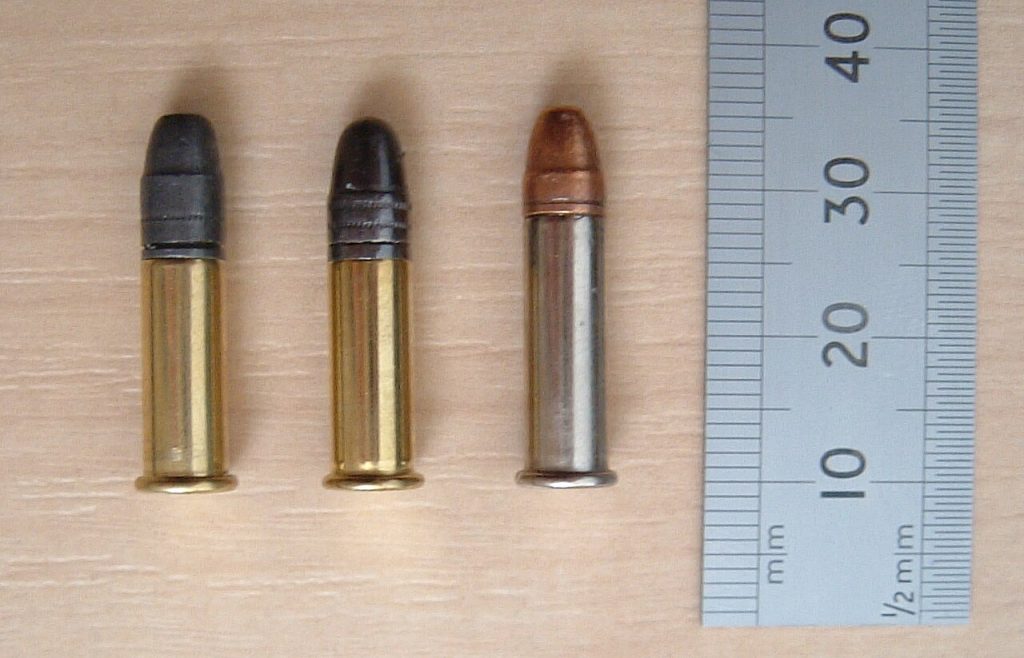
Accurate shooters continue to revert to rimfire due to one reason: It shows the error at once. Even with quality match ammunition, a good .22 LR rifle will give a respectable tight group out at 50 yards, and it causes even a well-trained wind reader to take notes since even a light breeze will set the bullet in motion. Subsonic velocities (c. 1,0661,100 fps) are favored by serious rimfire shooters in order to avoid transonic instability, and this is one reason lot-tested ammunition is more important here than in nearly any other application. It is an efficient way to improve the centerfire performance, as a training device of the trigger control and positional stability.
9. 7mm Remington Magnum
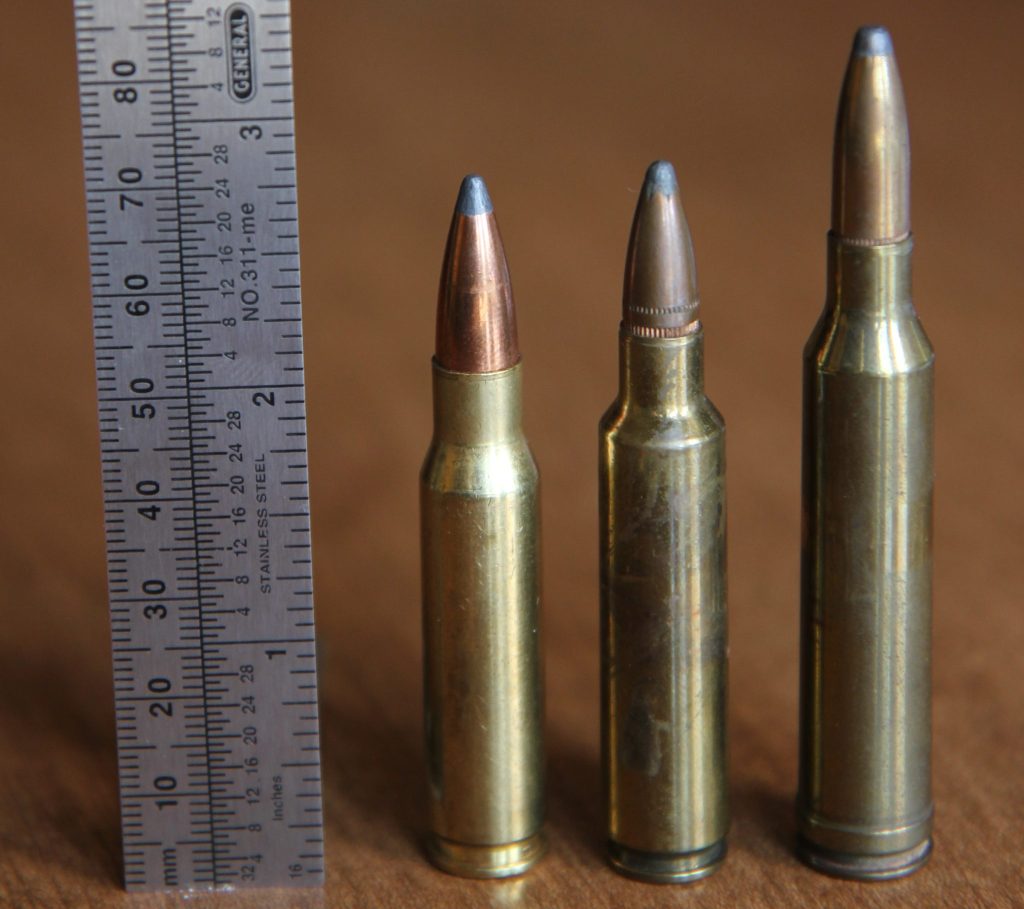
The 7mm Remington Magnum keeps its long-range reputation because it pairs flat trajectories with the ability to carry heavy-for-caliber, aerodynamic bullets. Modern bullet design corrected many of the older limitations that came from mismatched factory loads, and today’s high BC 7mm options make the cartridge easier to tune for accuracy than its early decades suggested. It still delivers the kind of downrange authority hunters want in open country, but its real precision value is how steadily it holds velocity and resists wind with sleek projectiles when distances get long.
These cartridges don’t succeed for a single reason. Some win by being easy to shoot well, others by cutting wind drift, and a few by fitting platforms that shooters actually carry and train with.
Across all of them, the pattern stays consistent: repeatable accuracy comes from stable ballistics, controllable recoil, and a cartridge that behaves predictably when conditions aren’t perfect.


