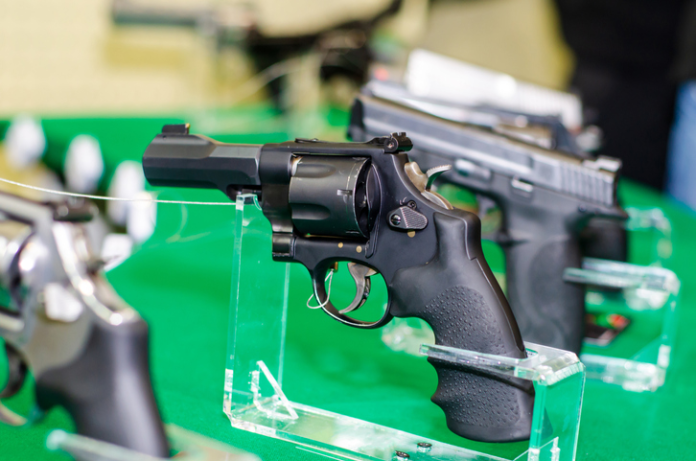
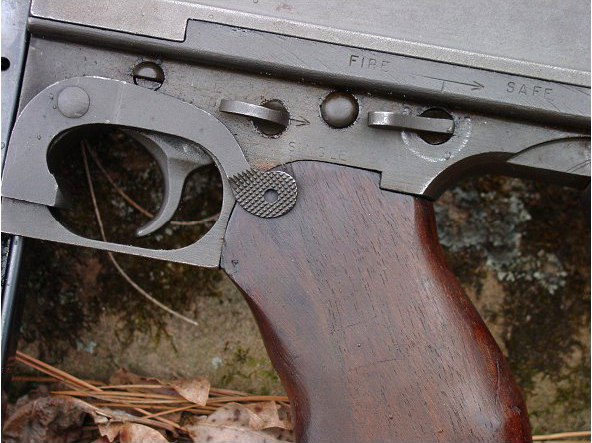
Duty-pistol triggers have never been all about feel. They are mechanical interfaces which determine the amount of work which the trigger does, in what state the gun rests between shots, and how reliable the shooter is between the first and the final press.
Within the last few decades, the most significant transformations were not so much about cosmetics but about how manufacturers were able to incorporate the aspects of safety, usability and repeatability in a package that could be standardized on by large agencies.
1. Revolver Logic Takes a Semi-Auto Jump (DAO, SA, and DA/SA Definitions)
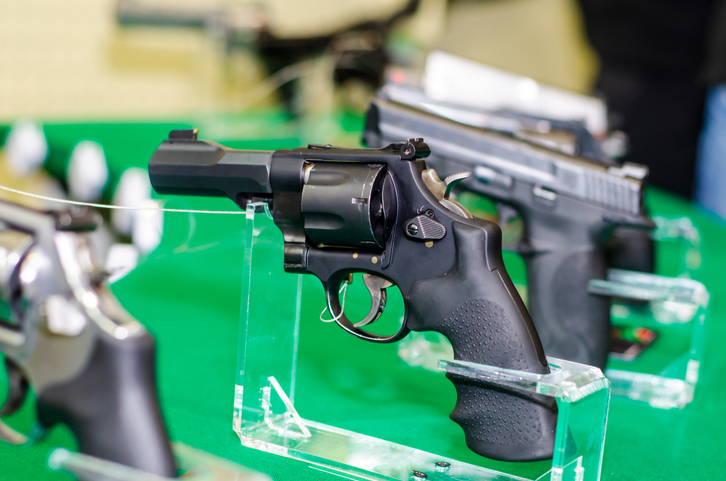
Prior to the modern duty pistols settling on several dominant designs, the trigger language was borrowed through the revolver-based industry: Double Action Only (DAO), Single Action (SA) and Double Action/Single Action (DA/SA). The definitions of the baseline revolvers were simple as defined by the IALEFI discussion: DAO the trigger must be cocked and the firing mechanism released with each press of the trigger, SA the firing mechanism must be completely cocked before the trigger is pressed, and DA/SA both depending on the way the gun is manipulated.
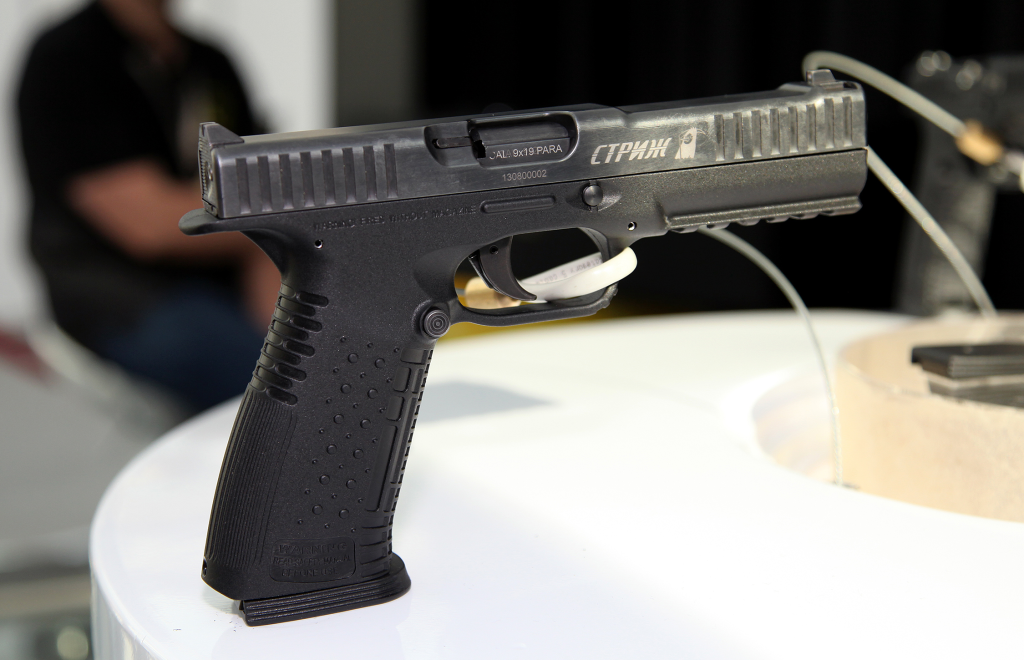
That terminology was later to conflict with the emergence of striker-fired pistols, in which the firing mechanism is usually not visible, and can be cocked partially, fully or mostly by the trigger itself. The outcome was a protracted debate on the meaning of even a longstanding striker-fired based design of what a double action means. IALEFI is keen to point out that definitions do count since the carry condition and trigger work underway may be substantially different when two pistols both are sold as a duty striker-fired.
2. Pre-Cocked Striker Becomes the New Bottom Line
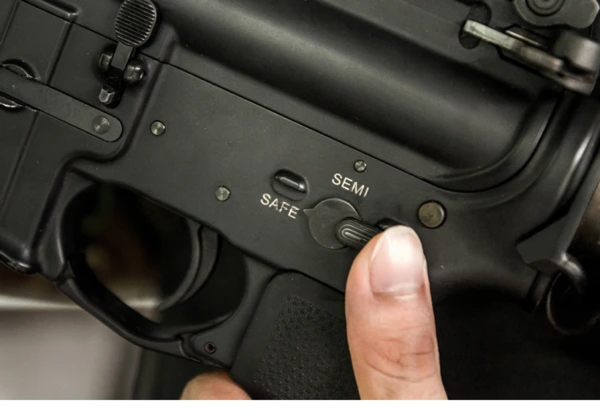
A major change in actual use of duty pistols was widespread adoption of new striker systems not classic SA, not classic revolver-like DAO as many shooters would interpret these terms. One typical contemporary system is to maintain the striker partially tensioned following chambering, then free the trigger completing cocking and release- an idea familiar in the laymen description of the shooter as precocked double action in the typical shooter fire action description. Mechanically, such an architecture assisted the agencies to shift to a consistent trigger stroke shot to shot without compromising on internal safety systems or making manual controls easier. The shakeup in this case was not simply replacing the hammers with strikers, but making an otherwise repeatable press more normal, making the training load in learning to both pull a heavy first and a light follow-up pull a little lighter. This also simplified the attempt to standardize training on one press-and-reset cycle instead of having two separate trigger behavior patterns.
3. Trigger Semantics Makes one take a close look at what the Trigger actually does
The argument shifted to a discussion of preference to an issue of definition with a practical implication as striker-fired pistols replaced duty holsters. IALEFI records the discovery of instructors and engineers that striker-fired pistols can be highly variable: some leave the striker loosely engaged until the trigger cocks and releases it, others leave the striker half-cocked and some run in the 3/4-cock range. Within that paradigm, marketing terms tended to lose a connection to SAAMI-type definitions and the same term, Dao, might mean entirely different things. The main warning contained in plain words is also maintained by IALEFI: many of the striker fired pistols sold to Law Enforcement are by SAAMI definition a single action pistol. This was a significant shift in the duty-gun selection since it obliged the armorers, trainers, and policy writers to consider the real internal conditions instead of terms of categories.
4. The Real Cost of Transitional Duty Autos Revealed by Early DA/SA Duty Autos
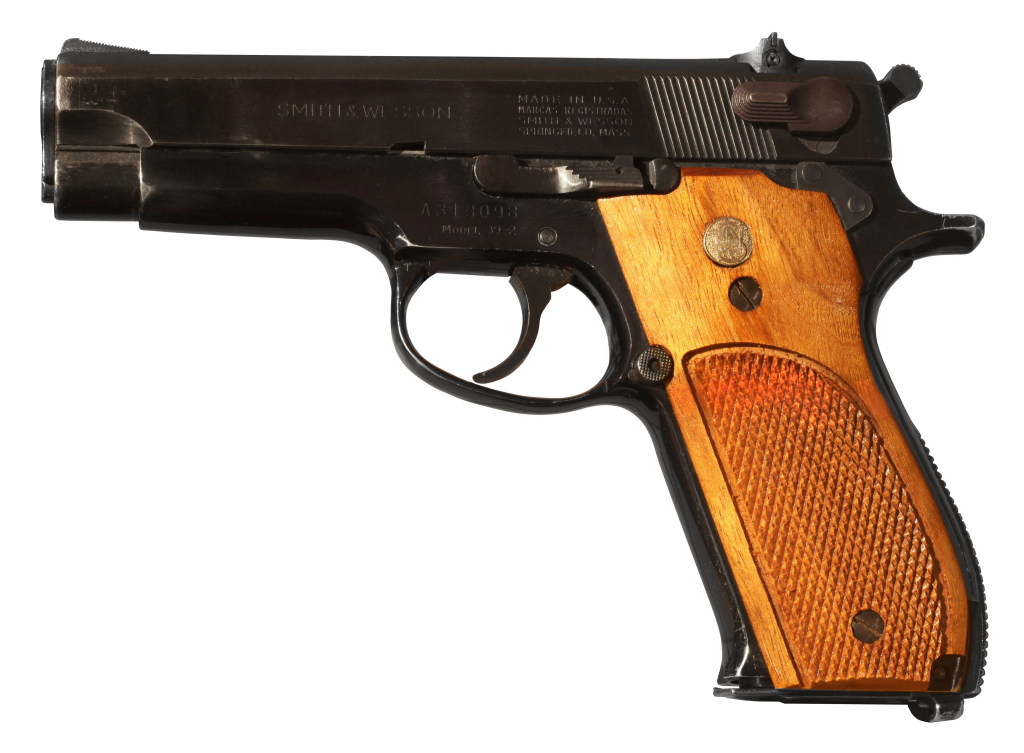
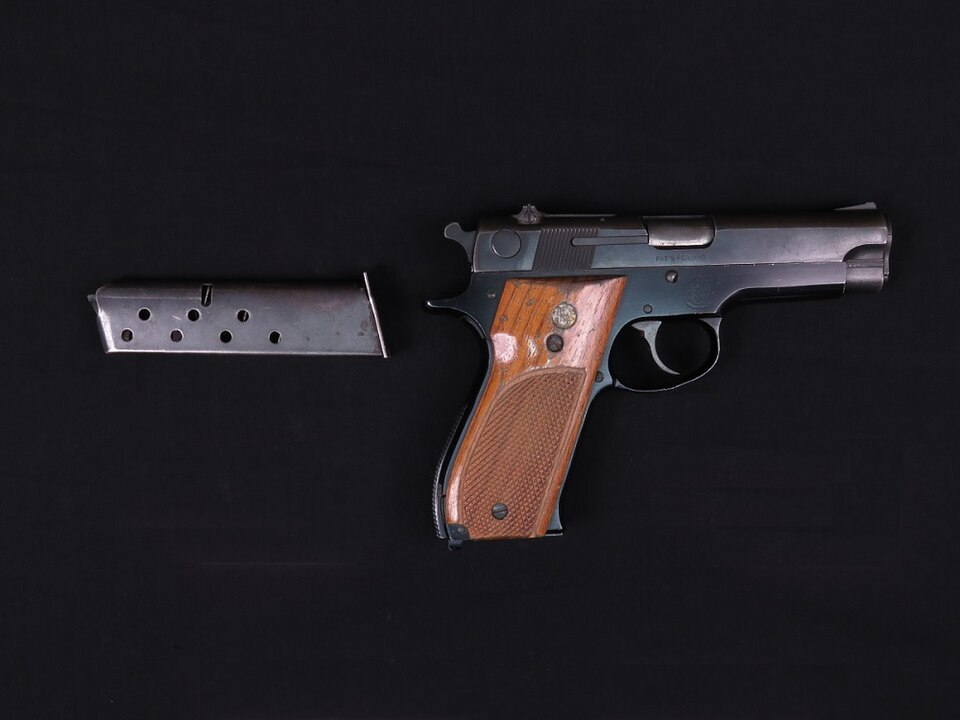
The replacement of the revolvers with semi-autos did not immediately result in the modern set-and-forget duty trigger. The original DA/SA pistols could have a long first pull followed by supplementary manual actions and in some designs the safety design imposed its own limitations. One of the details that is prominent in the lineage of Smith and Wesson Model 39 is the following: “Nevertheless, the weapon was to be carried on-safe since there was no firing pin safety.
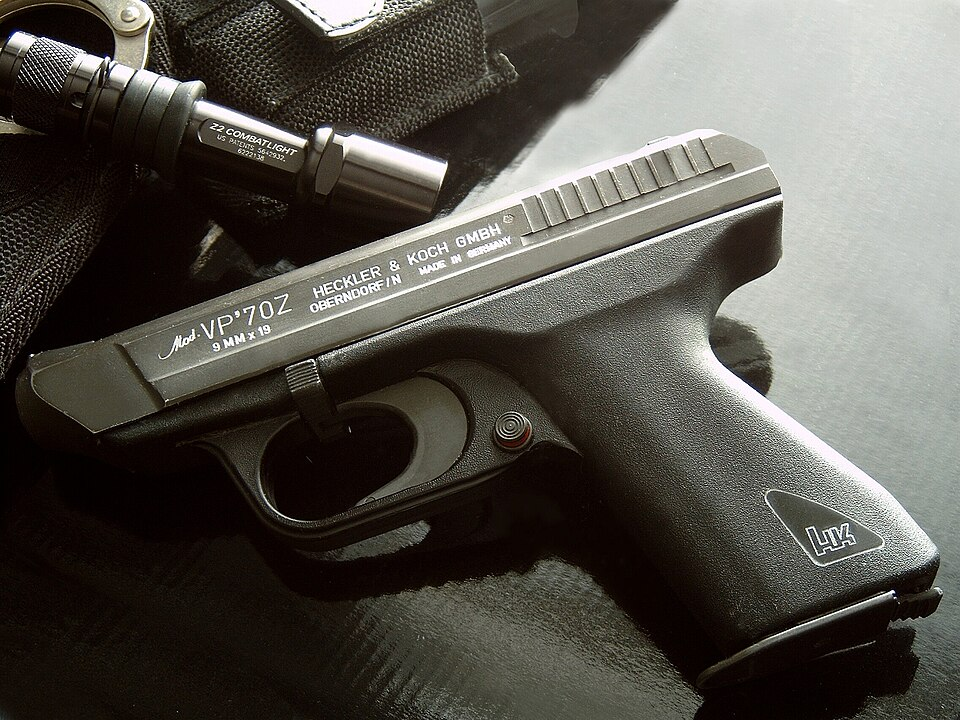
This fact implied that certain users experienced a safety disengagement during presentation as well as a long two-press first press, a design that is both clumsy by modern design but which demonstrates how engineering and patents and institutional risk tolerance influenced what was acceptable at the time. The subsequent incorporation of firing pin safeties and other internal modifications indicate how duty safe increasingly came to be an engineering goal, rather than a handling philosophy.
5. The Trigger Systems move towards standardization due to Agency Adoption
Once an agency of such size bets on a pistol, the design of triggers ceases to be a luxury item and turns into a lever within an organization. The adoption of the S&W Model 39 by the Illinois State Police is often considered to be a turning point; the adoption of this decision has been referred to by Massad Ayoob as the ripple that became a wave, and the ruling in 1967 has been labeled as the first such adoption by a large United States department of a semi-auto as standard equipment. Such an institutional action was important as it provided manufacturers with incentives to encourage training, parts, and long-term durability and triggered systems with an incentive to be trainable at scale. It also revealed edge cases with haste- magazine loading practices, safety manipulation realities and the disparity between qualification performance and day to day carry requirements.
6. The DA/SA Deliberate First Shot Argument is Re-entered into the Duty Conversation
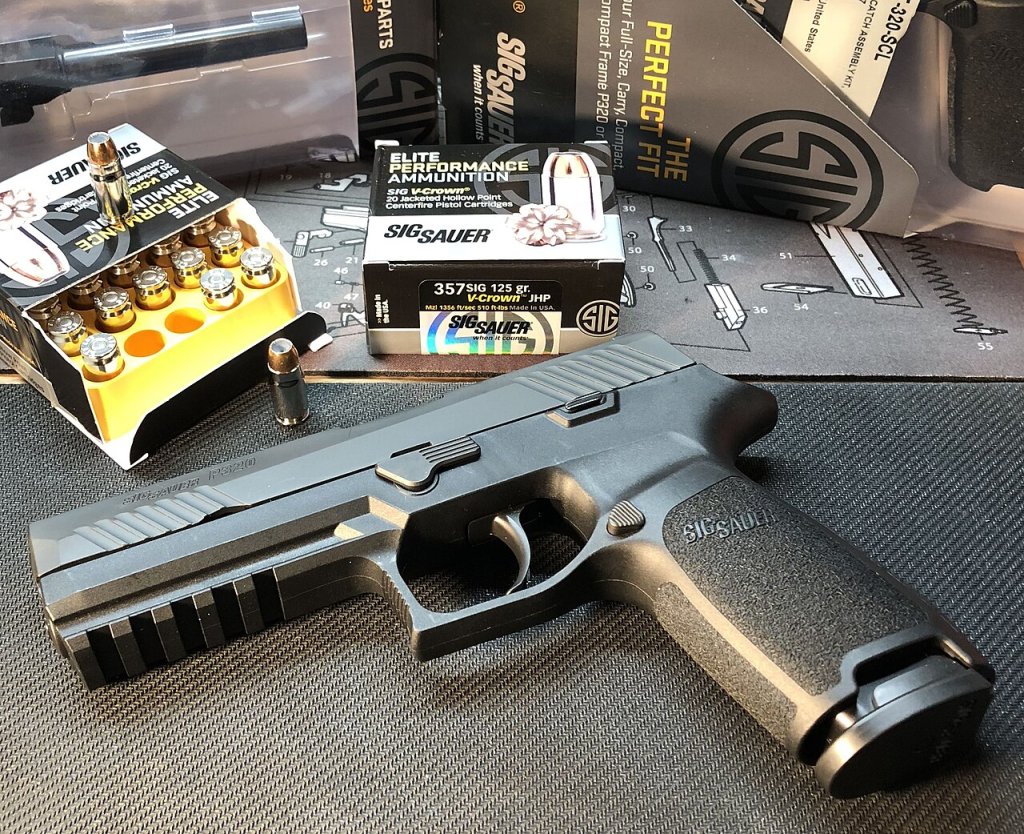
Although the striker-fired pistol is now the primary item, DA/SA never vanished entirely out of the duty picture and recent commentary has been based on the suggestion that the first long press can act as an inbuilt governor in the face of stress. Langdon Tactical recapitulates that preference by saying that a deliberate first shot is preferable, that DA/SA pistols are the right tradeoff between performance, safety, and shootability, and that striker-fired models that maintain consistent pulls and internal safeties. The mechanical implication here is that the same duty mission can be done with two philosophies, one focusing on heavier first press or lighter single-action press, and the other focusing on uniformity among all the presses.
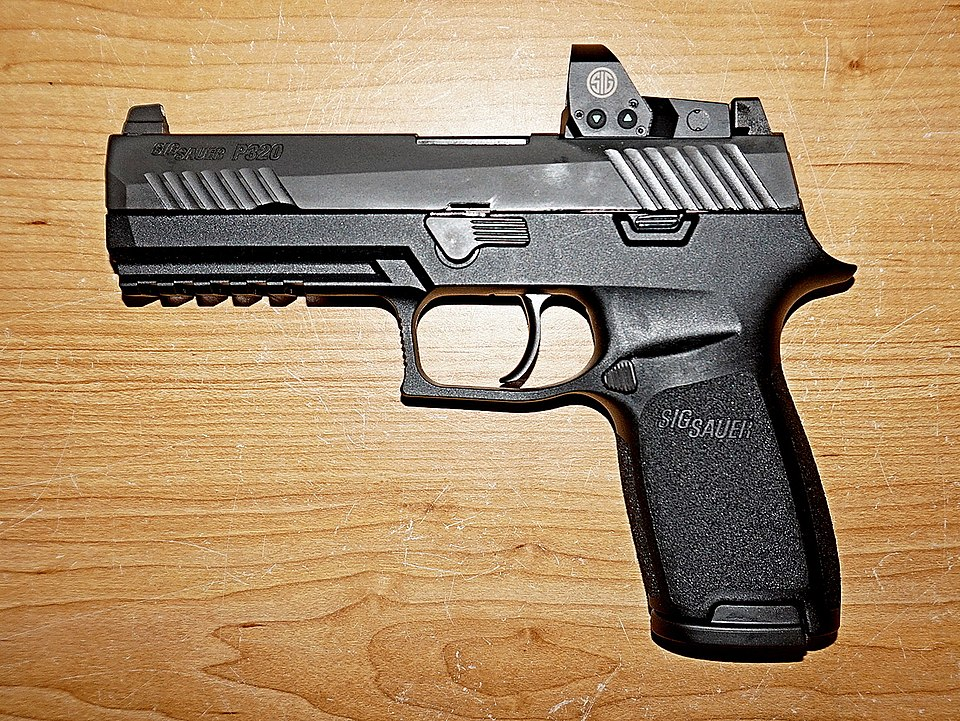
The shakeup is that today, the technology does not push modern duty pistols into a single camp; such as, agencies have choices between more mature trigger systems that have very different training and handling consequences. Across these shifts, the common thread is mechanical clarity: what condition the firing mechanism sits in, what actions the trigger performs, and how the system behaves from first shot through reset. Modern duty pistols were redefined less by a single invention than by successive trigger-system decisions each one trading complexity, consistency, and safety architecture in ways that reshaped training standards and everyday carry practice.


