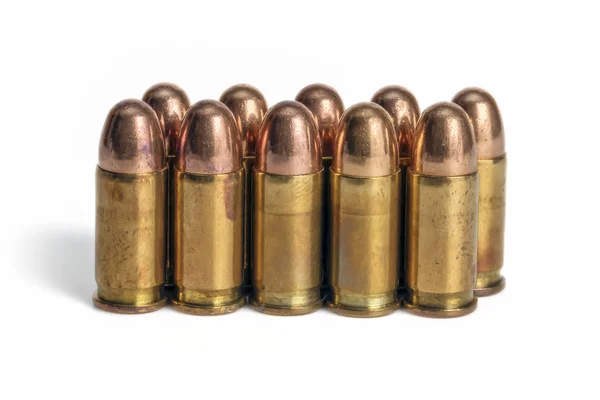
Handgun calibers are discussed as magic words: utter the right one and it will take care of the rest. In a real home-defense situation, the cartridge must accomplish two tedious, inexcusable tasks go bang every time and deliver a bullet with enough penetration to hit what counts, even in the presence of cloth and angles working against the shooter.
The current benchmark of that second job is the FBI-style yardstick constructed around 12-18 inches in 10% ballistic gelatin, with other barrier operations which consist of heavy clothing and wallboard. That model does not favor a winner, but it does reveal what rounds require the defender to make high tradeoffs. The cartridges and combinations that keep reoccurring as trouble-makers are below, either failure to do their job of reliability and penetration, or too high a demand on recoil control and undue over-penetration within normal construction.
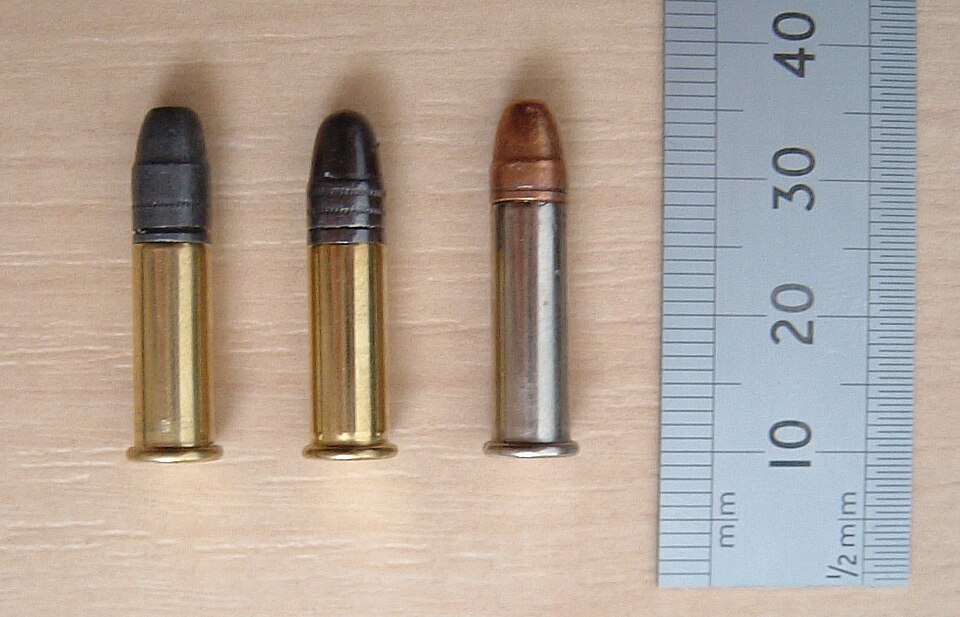
1. .22 Long Rifle
The cheap practice, low recoil is what 22 LR has built its reputation on and not defensive certainty. The main problem is ignition: rimfire priming is always less predictable than centerfire, and such reliability difference is most significant when the shoter cannot afford to leave the shot without a bang. The round also is prone to the same issue that FBI-style protocols are also meant to expose: achieving an essential depth following adverse factors such as heavy clothing and inadequate angles. There is plenty of lethality in plenty of .22 loads, and the margin of error is very slim and swamped by winter clothing, bone or an imperfect route through the torso.
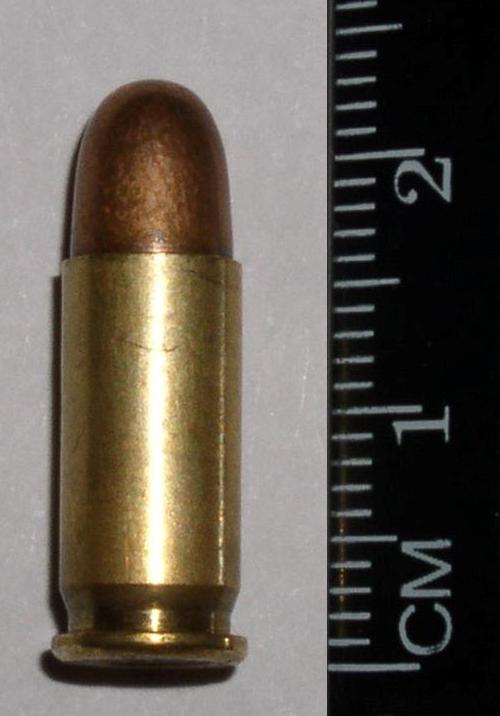
2. .25 ACP
The reason behind 25 ACP is that the initial pocket pistols required a feed that was more reliable than rimfire. There is no longer any compensating advantage to its low power and short range of modern bullets. In practical use it tends to generate shallow wound tracks, and erratic terminal behaviour, particularly in comparison with modern service calibers with modern-designed projectiles that are based on standardised testing criteria. It is also often combined with small, difficult-to-operate pistols that exaggerate the error of the shooter in a crisis.
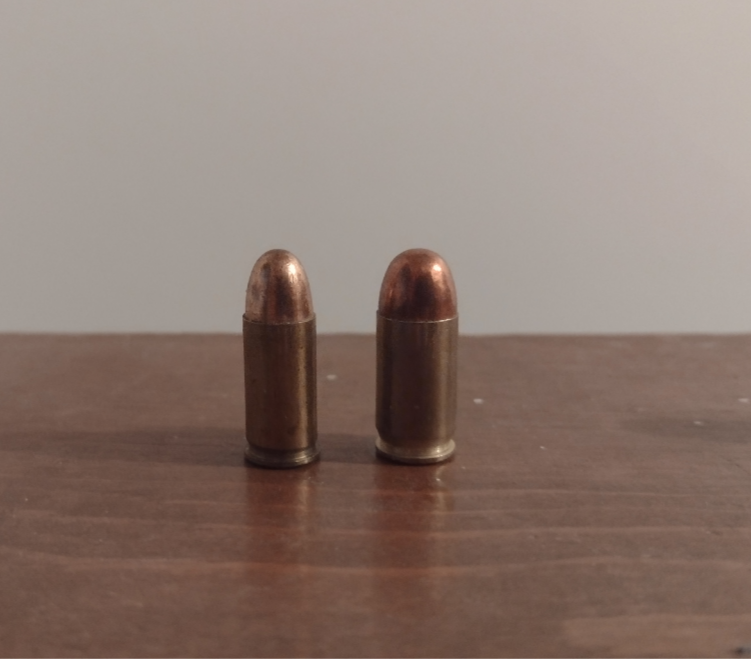
3. .32 ACP
The ACP is awkwardly placed between controlled and hidden, and historically familiar–but incompatible in many cases when questioned to pierce and spread through thick cloth. Gel testing culture did not come out of the blue but as a result of agencies requiring performance that could be measured even though bullets that hit would not stop within the shortest time. The same lesson can also be observed with loads of .32 ACP that either lack depth or exhibit unreliable expansion and leave the defender wishing a shot to be in the right place instead of setting up to shoot at worst-case angles.
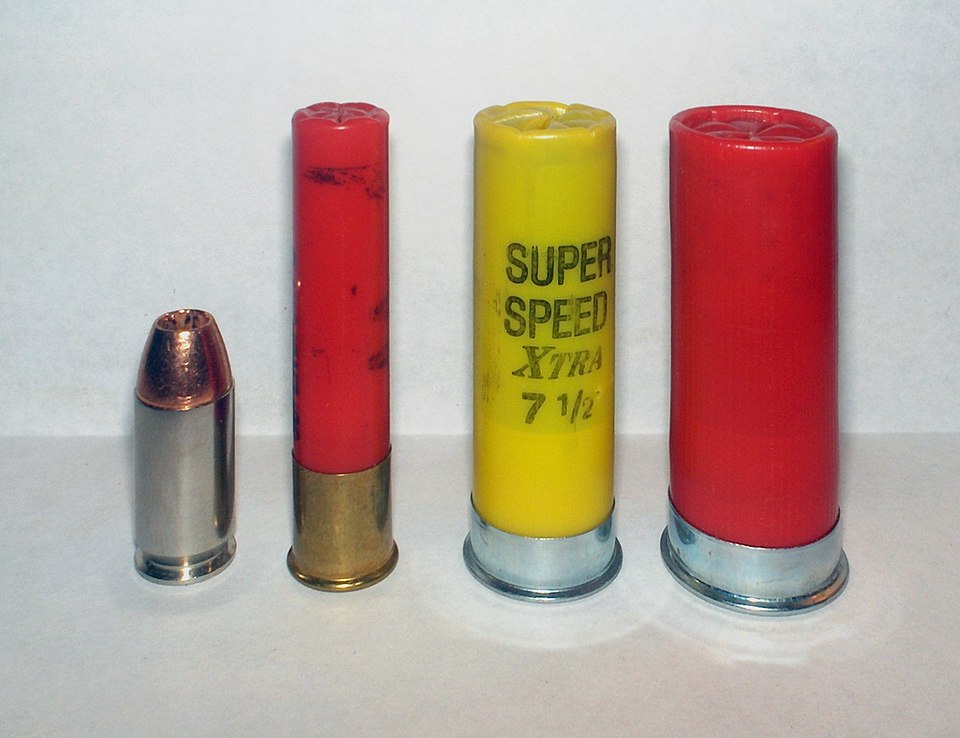
4. .410 shotshell from a revolver
It sells itself: 5 shotgun rounds in a handgun. Physics is not on his side. Velocity passes away in short barrels, and much of the loads of .410, and particularly of birdshot, have too little penetration to be consistently depended on to reach vital organs. Compromises in accuracy, recoil, and consistency even with buckshot or slugs typically perform poorly on the platform, which is not matched by either a purpose-built defensive handgun caliber or a real shotgun.
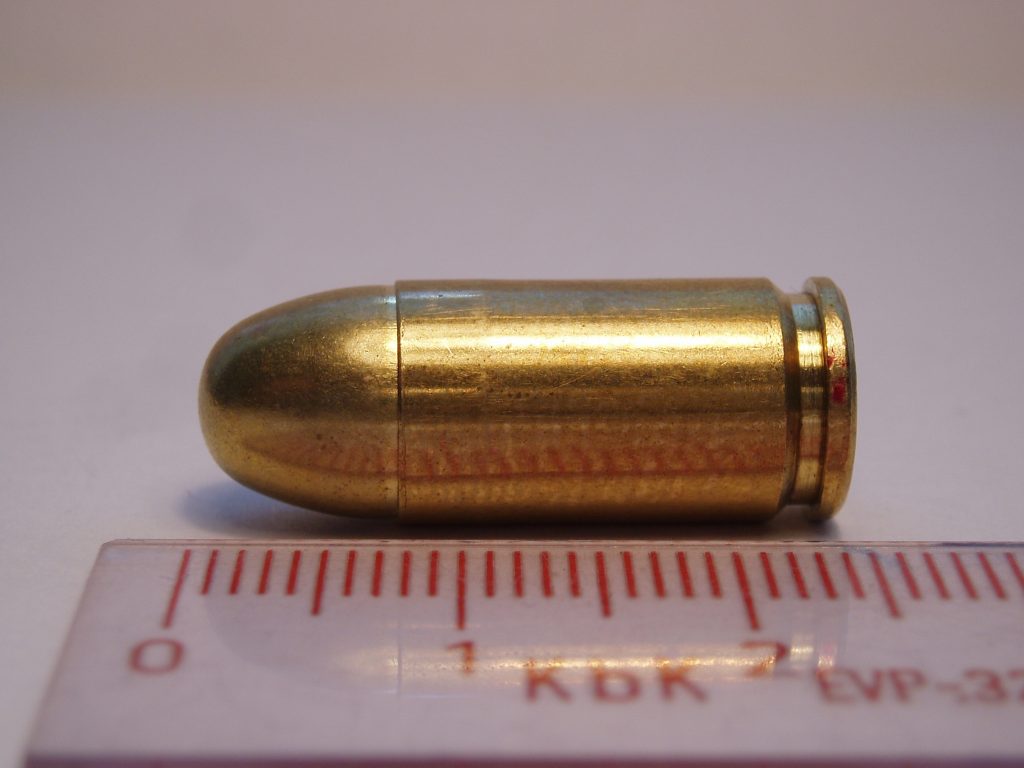
5. 380 ACP low-penetration loads
It is possible to use 380 ACP, but again, it must be careful to ensure that the actual load does not enter the range of underpenetration trap. The low velocity range of the cartridge implies that certain hollow points swell prematurely and quit- the cartridge especially after the cavity has been congested with heavy clothing. It is not the label of.380, but rather the selection of a caliber that cannot be expected to penetrate in the same manner that the industry has sought to push towards the barrier-informed gel testing. Small.380 pistols also tend to experience sharper recoil than anticipated, which worsens the ability to make fast follow-ups.
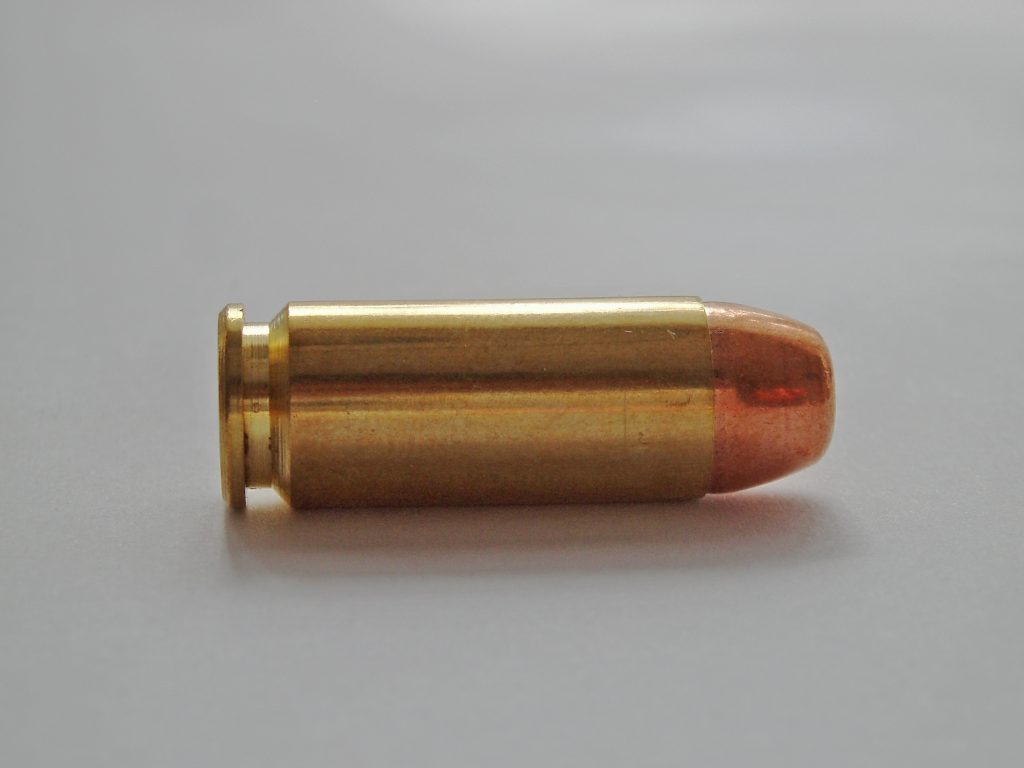
6. 10mm Auto to be managed by ordinary housewives
10mm Auto is a reality that has horsepower, frequently 600 or more ft-lbs in full-strength loads but the check bounces in recoil, blast, and controllability. A defender works in a house, it is not a game of one-shot energy showing off, it is a game of quick hits, hits that can be repeated. To most shooters, 10mm splits reduce times and enhance chances of missing, and here the issue of wall-penetration is most topical. Empirical wall testing has repeatedly shown that a missed shot can travel through typical interior material in a wide variety of calibers; there is no recoil feature that encourages a miss.
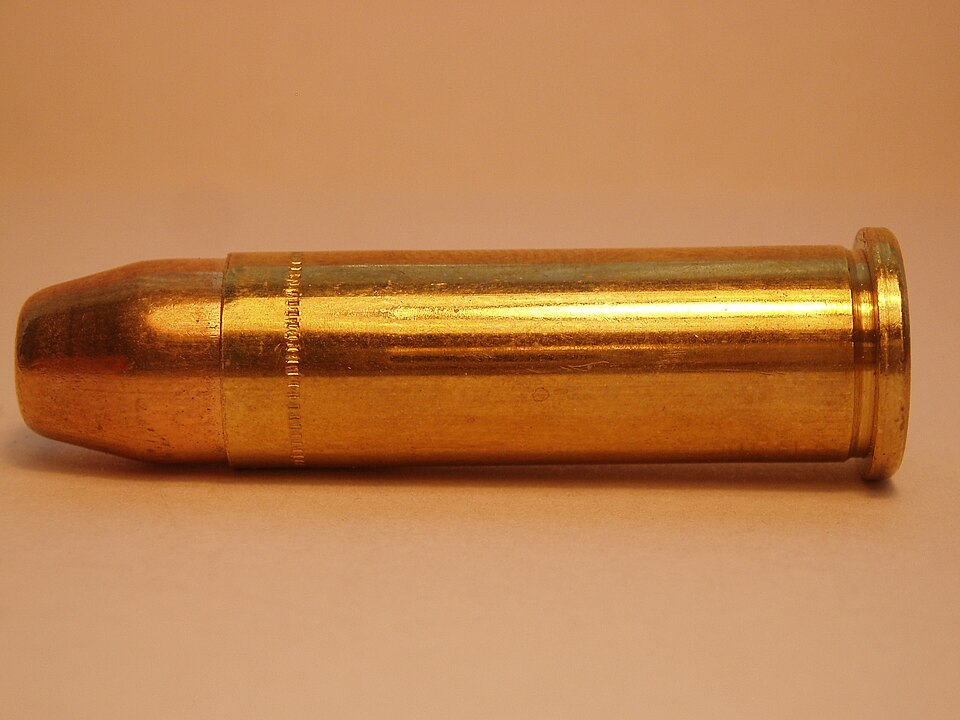
7. .38 Special ultra-short barrel
The popularity of the snub-nose revolver is due to the ease with which it can be carried rather than the fact that it is ballistically forgiving. Below two inch barrels, the velocity reduces significantly that certain hollow points do not open or open variably and therefore transform defensive ammo into performance lotto. The effect is a small range of loads that act tolerably, and even the ones require the shooter to control stiff recoil in a small grip when working with a heavy trigger- hard to do at a time the adrenaline is elevated.
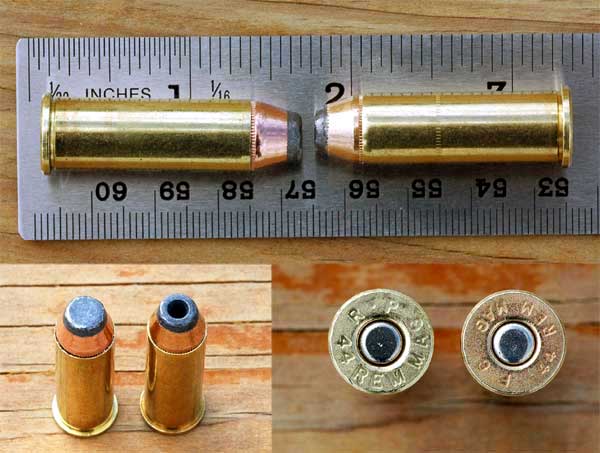
8. .44 magnum to use in defense indoors
The 44 Magnum is designed with high energy and deep penetration- 1,000+ ft-lbs in many cases- and that is precisely why it is a poor choice in most situations in which people have been trying to protect themselves indoors. The presence of heavy recoil impairs recovery and penalizes accuracy and the profile of penetration of the cartridge exacerbates the chances of an attempted pass-through or a miss resulting in unintended spaces. Defensive planning of the indoors is concerned with the direction taken by every projectile; cartridges designed to penetrate as much as possible instead of making that easier.
Caliber debates tend to overlook the actual dividing line: which are cartridges that assist in providing repeatable, fight-stopping hits, and which are cartridges that require optimal conditions. Gelatin work and barrier testing as a standardized language established a common way to discuss that, and it continues to refer to the same things, namely, reliability, sufficient penetration, and shootability. The decision on home-defense equipment remains to be shot down. A cartridge that is simple to keep hitting and predictable terminal behavior decreases the quantity of things that can go amiss in the event that there is no time to troubleshoot.


