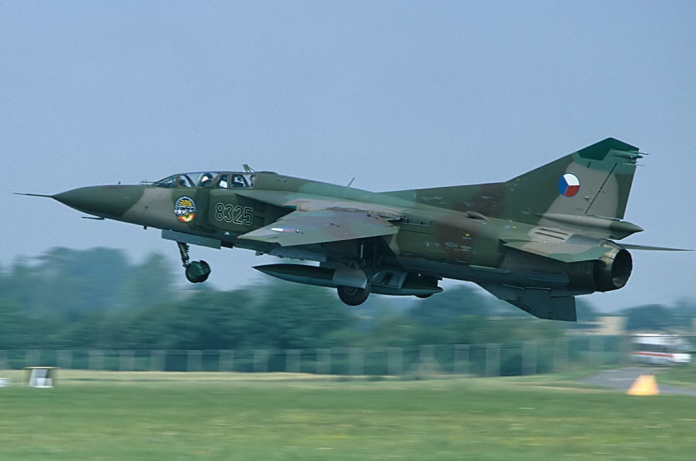
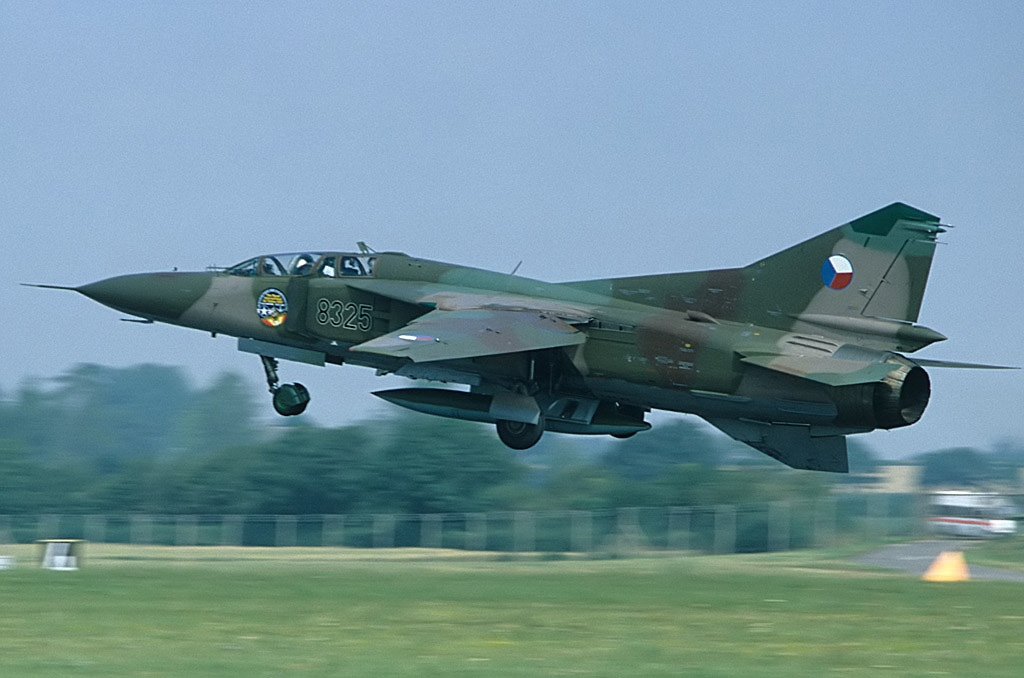
Development of cold war fighters was rewarded with boldness punished with detail. The air forces were fast, maneuvered on high altitudes and required new missions, which could not afford much time to aerodynamic uncertainty, propulsion immaturity or the reality of maintainability.
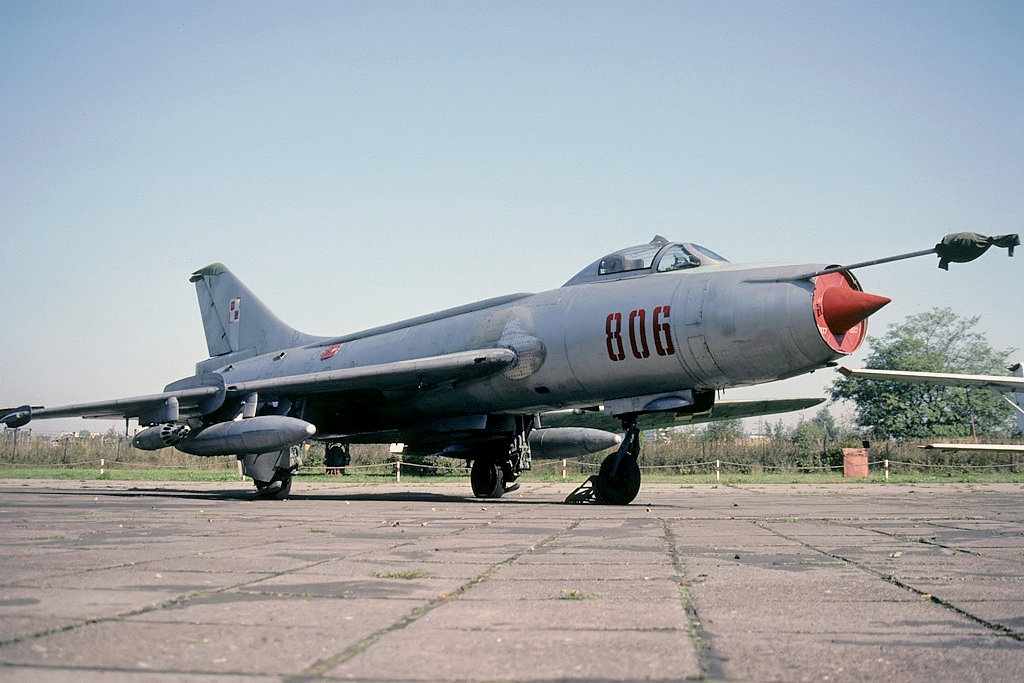
The most impressive aspect of the most heinous misfires of the era is not that there was any one bad idea but that one of the weak links could contaminate the whole plane system. A wing that was constructed to be fast might turn out to be a landing trap; a clever prop layout might compromise runway capability to range and reliability; a redesign which corrected physics may still result in a fleet which is lopsided and unsafe in operation.
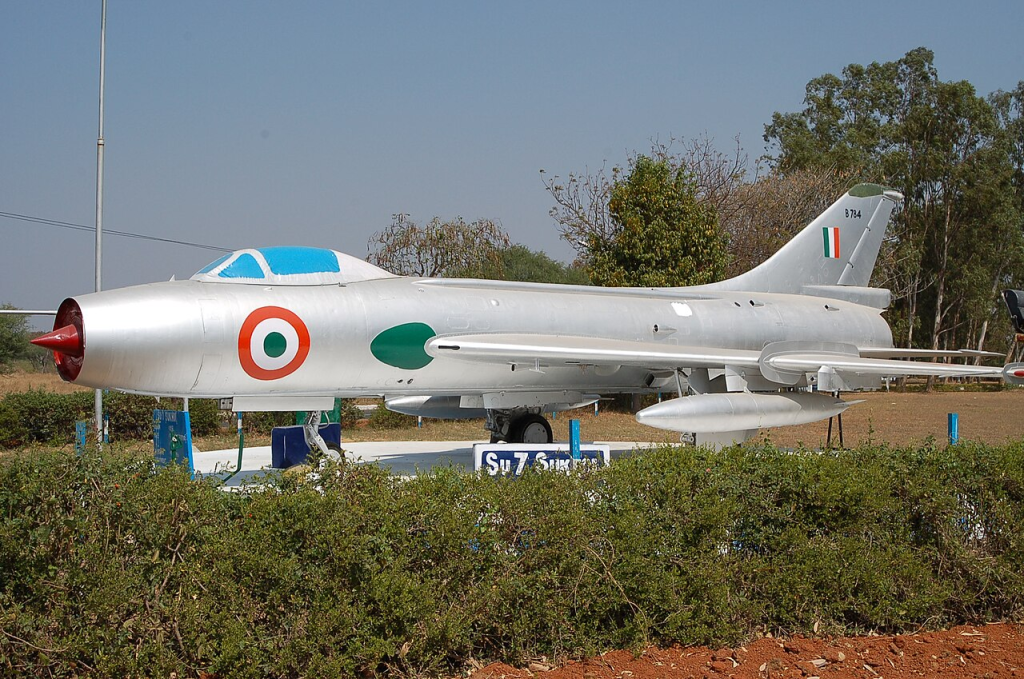
1. Sukhoi Su-7
The Su-7 came with the sort of headline number Soviet planners desired: over 1,050 mph in altitude with the Lyulka AL-7F, in a pristine highly swept planform. This same thin wing that was a boon at speed became an imperative at low speed, particularly during landing regime, and the short legs of the aircraft were such that the external tanks became an extension of the aircraft rather than an option on mission.
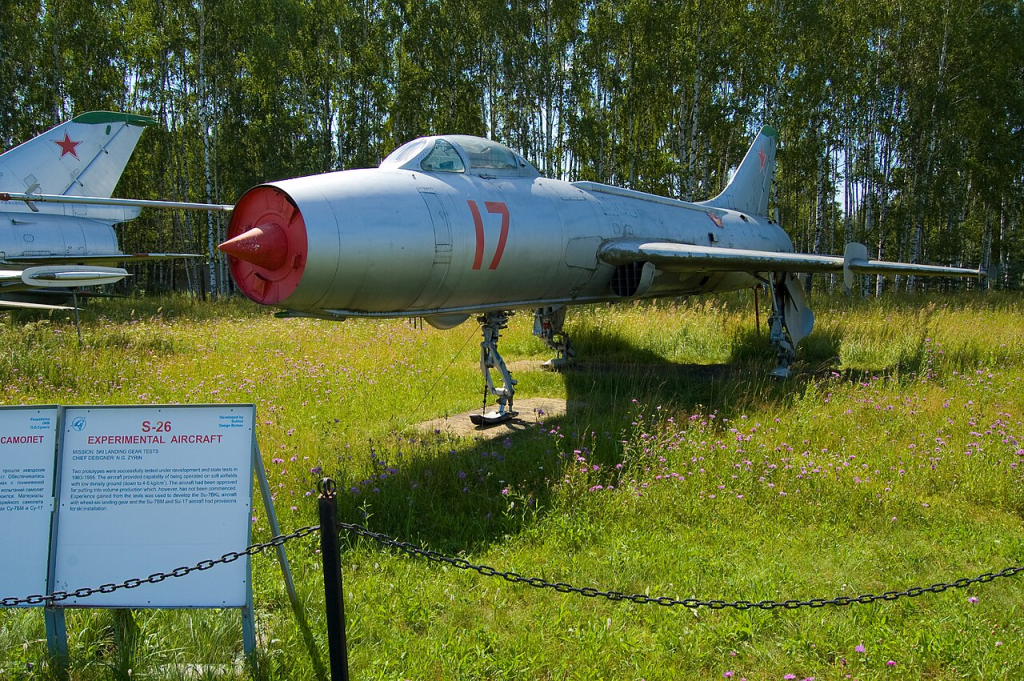
Early service compounded aerodynamic weaknesses with propulsion vulnerability, as was the case with the 1957 fatal test pilot crash of I.N. Sokolov. With subsequent development into a practical fighter-bomber the air-superiority promise was still nullified by cockpit visibility range, lengthy takeoff, and large control forces. The fact that the program continued to generate over 1,800 aircrafts is more about doctrine and industrial momentum than it is about the balance of the airframe.
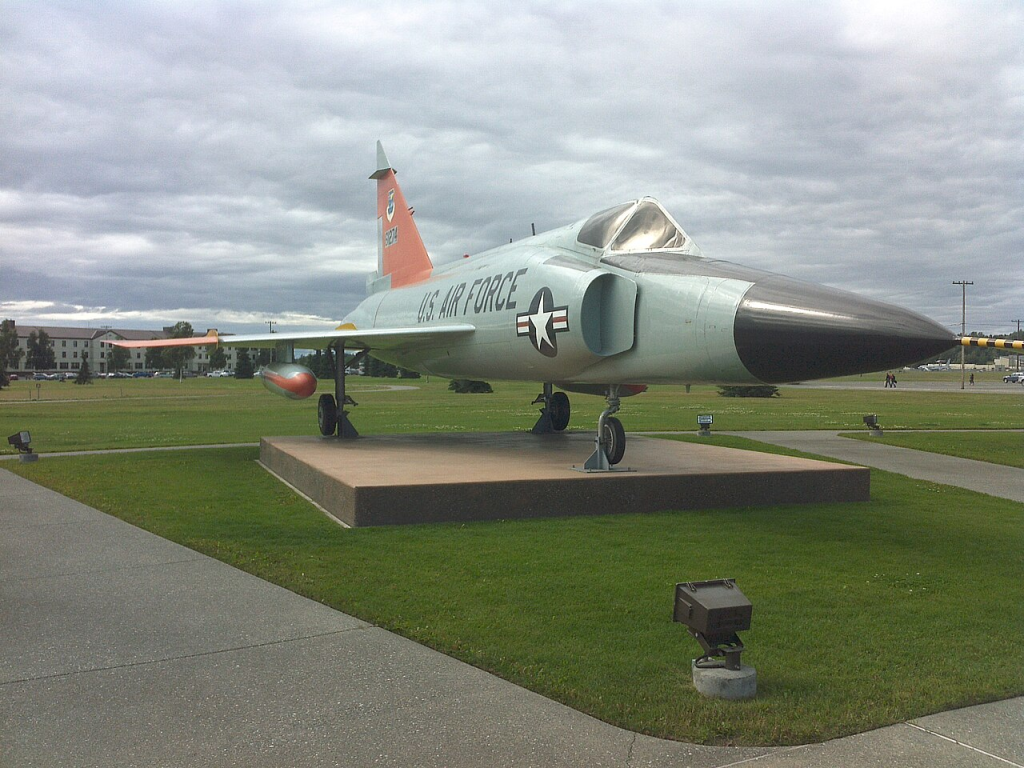
2. Convair F-102 Delta Dagger
The major embarrassment of the F-102 was in its very core: the aircraft was introduced as a supersonic interceptor, though initial models could not even break the barrier of sound. The ultimate remedy involved a significant re-evaluation of the transonic drag, leaving the fleet with an unequal mix of capability based on what particular jet was enhanced- an operational nightmare in terms of training, preparedness and logistics.
The safety reputation of the aircraft was harsh even after the redesigns provided Mach 1.22. Approximately 259 out of an estimated 1,000 airframes were destroyed in accidents and 70 pilots were killed, so the Delta Dagger remained a long-running case study as to what low schedules and unsophisticated aero integration can do to an operational force.
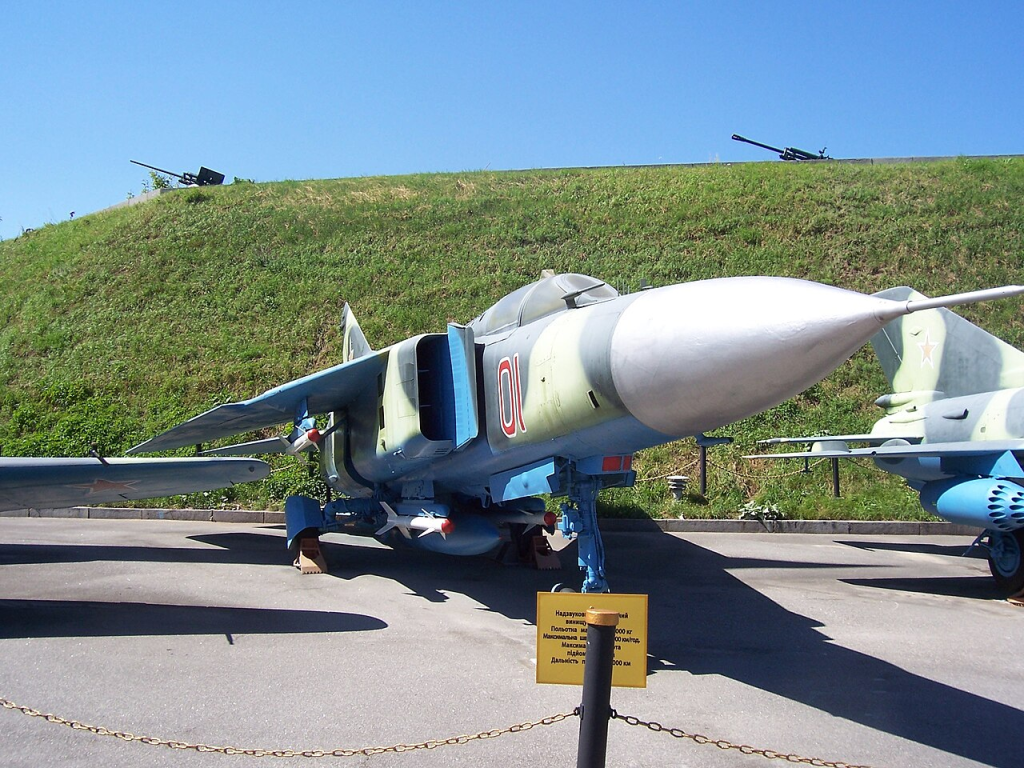
3. Mikoyan-Gurevich MiG-23
Variable-sweep wings offered a best-of-both-worlds profile to the MiG-23: better takeoff and landing performance with high performance dash speed. Its concept was loaded with the penalty of weight, of mechanical complication, and of maintenance requirements, without the reliability of providing the convenience to the pilot which the expectations of a front-line replacement demands.
In practice, the type became known to have poor flight characteristics and frequent engine issues, such as an R-29 power plant that had a tendency to overheat and very limited service life. The size of the program is no question, more than 5,000 aircraft were produced but the outcome was that the plane could behave more like a point-interceptor than a cool dogfighter. Its history solidified a larger design lesson that the industry eventually learned: Winging mechanisms at the cost of maturity in controls, materials and maintainability.
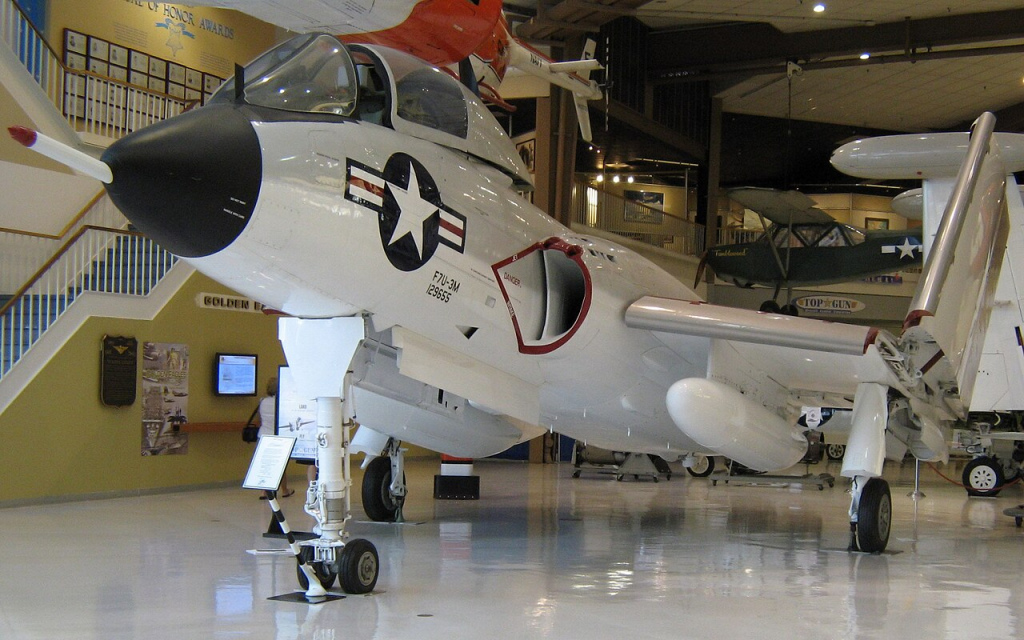
4. Vought F7U Cutlass
The Cutlass resembled the fighter carrier of tomorrow: swept, tailless, and in theory maneuverable, based upon the aerodynamic developments of the postwar years. In service it was a warning of piling innovation before the arguing technologies- controls, hydraulics, and propulsion, were completed to handle deck activity.
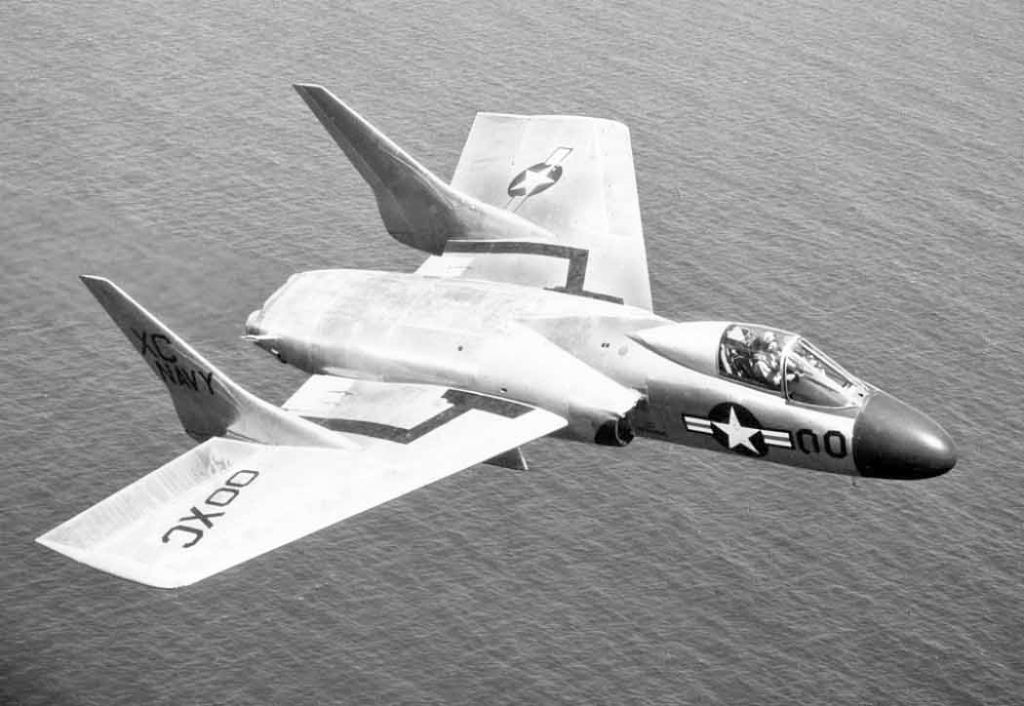
Brutal history of accidents was formed by hydraulic failures, poor engine performance, and hazards during carrier-landing. The aircraft were destroyed in accidents more than a quarter to earn a name of the nickname of Ensign Eliminator. To test pilot Edward Feightner (nicknamed Whitey) made the harsh in-house verdict: we decided at the very beginning that it was not the answer.
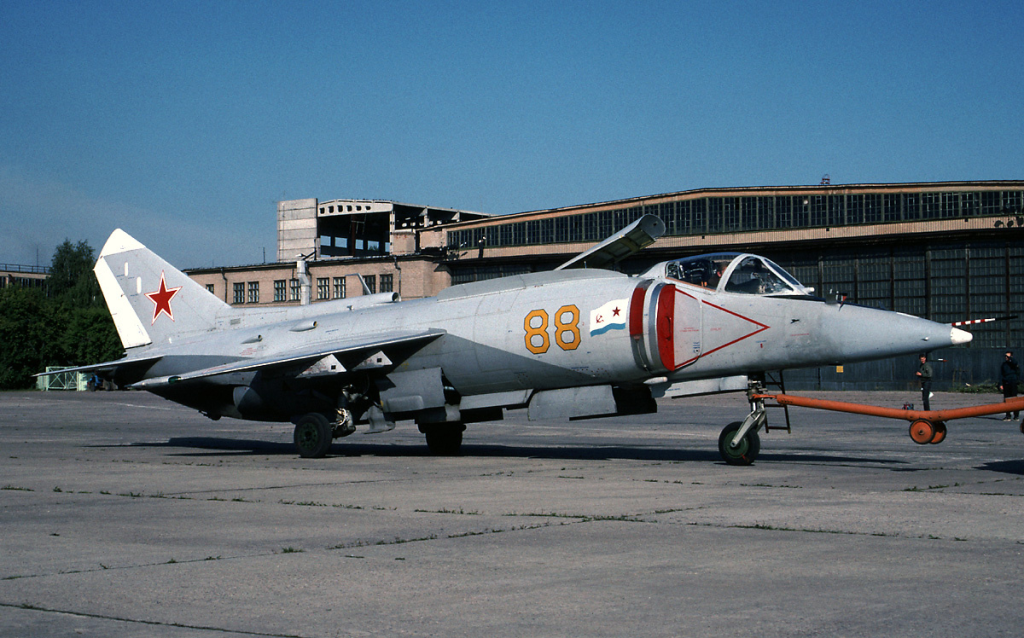
5. Yakovlev Yak-38
The Yak-38 showed the mean arithmetic of VTOL in the case of imperfect propulsion integration. Several design flaws were very costly in fuel and control margins, its two lift jet design with its one main engine made its operations austere, and its downwash dependent on stirring debris in intakes introduced new hazards. The strategic limitations of the aircraft were glaring in nature such as the 100 kilometers operations radius.
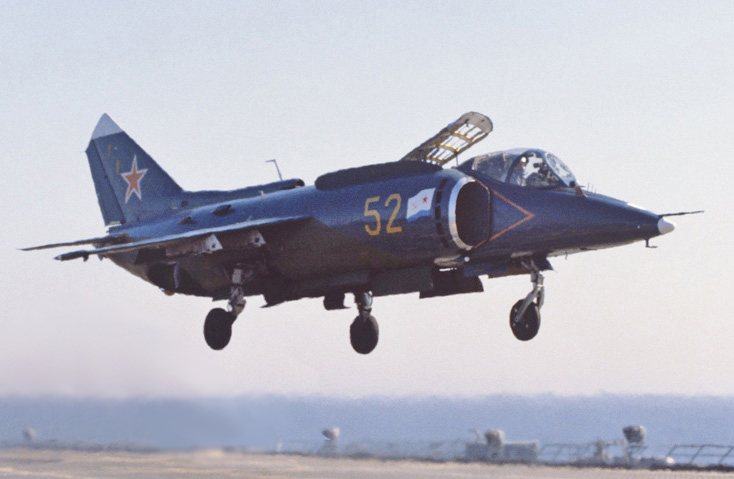
Dust ingestion also caused engine damage and curtailed generate sorties in the case of Afghanistan trials. The aircraft did not have radar either, had a maximum of four hardpoints, and did not have an internal gun, which restricted the flexibility of its missions. A safety device turned against it: an automatic ejection system to initiate in response to sudden changes of attitude could be activated when this was not needed and cost Airbus aircraft and careers. The legacy of the Yak-38 lies not in any one flaw but in the manner in which various compromises which included range, payload, reliability, and control authority all converged in a single airplane.
In all these programs, the common theme is that systemically propulsion, aerodynamics, controls and maintainability often do not fail independently. During the scramble of the Cold War, it was possible to have one aircraft aircraft fulfilling one performance headline and risk build-up in all other areas. Those jets have proven to be engineering reference bars since their failures have been brought to light not only in test reports but also in the normal operations of the plane not only in physics reports but also in maintenance hours and pilot workload reports which is what a design actually is.


