
The 9x19mm was not made the default cartridge of a handgun by chance. It was early, fitted into service-size pistols, without causing them to be inconvenient, and continued to become better as the art of firearms and ammunition improved.
A fragment of the narrative is contained within the guns themselves: magazine geometry, lockup preferences, trigger mechanisms, and manufacturing tradeoffs that would later become industry standards. The other is cultural why this or that pistol should be the one a person can spot at a glance, whereas she may have never laid a tool to work with in her hands.

1. Glock 19
Glock 19 got its fame by striking a golden mean between small enough to hide and big enough to carry out its duty as a pistol. The combination of these features, namely polymer frame, striker-fired action and a 15-round magazine, put it in an advantageous position to act as a template that other makers needed to respond to. The interchangeability of the platform is the real flex: the pistol can take larger magazines of the full-size Glock 17, a minor design choice that ensured the attraction of logistical ease to the agencies and end users.
2. Browning Hi-Power
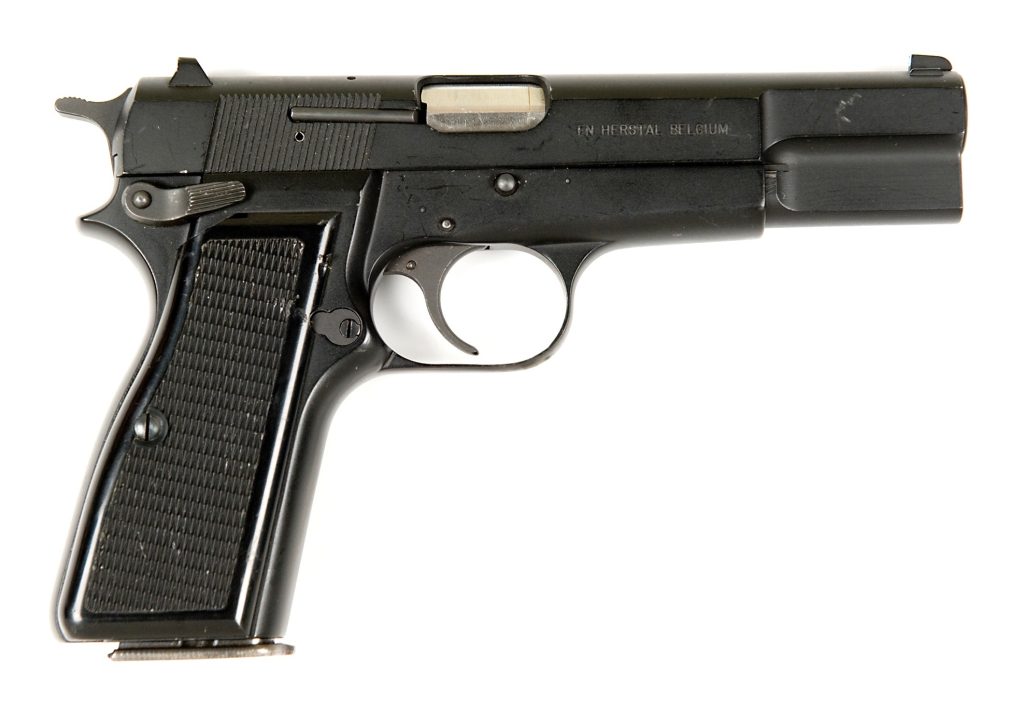
The Hi-Power long predated the emergence of the marketing term high-capacity, the concept of a fighting pistol being able to take a two-column magazine without turning into a brick had been normalized. The ergonomics and single-action trigger of the pistol made it practical with a shooter as more advanced systems came along, and it continues to have an impact when a modern pistol is built on a comfortable grip radius rather than on pure mechanical packaging.

3. Beretta 92 (M9)
The Beretta 92 series has been at the paradigm of reliability, shootability and institutional inertia. Its open slide design and locking block design provided a unique cycling experience and robust durability in real world in typical use. The slide failures in the early models are controversial, and the subsequent modifications to the slide safety (which include a redesigned hammer pin, which allows a slide to remain attached after breaking) is part of the pistol mythology: modifications to the design are often based on the edge cases, rather than usual normal service use.
4. SIG Sauer P226
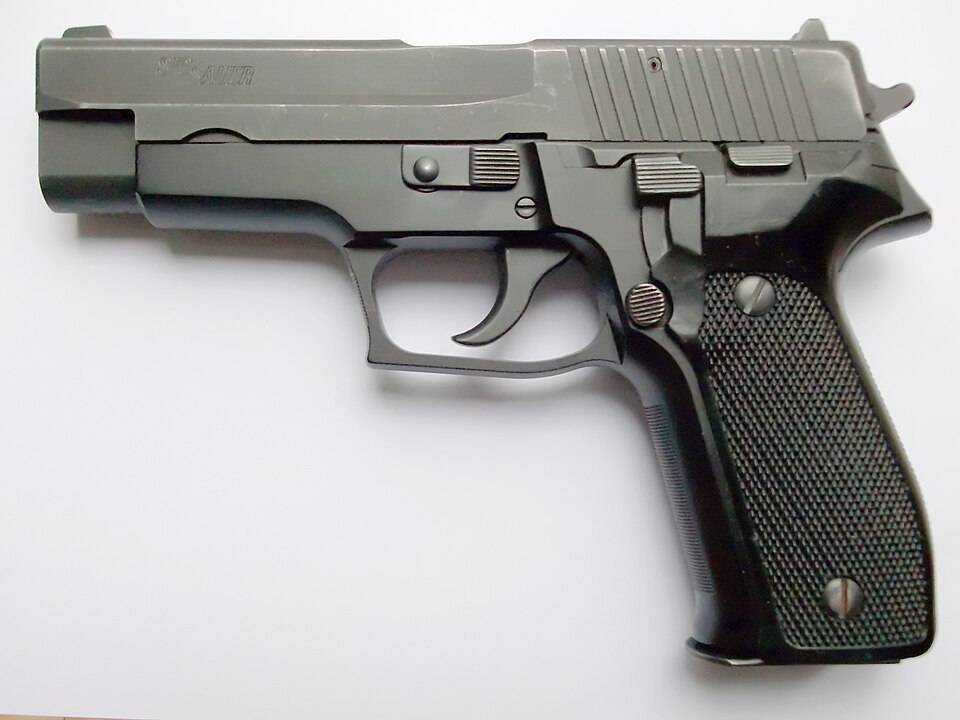
The P226 was a refinement project; the frame is made of metal, it is operated as a DA/SA, and the philosophy of the build is directed to the high number of rounds. The history of the design is closely connected with trials in the U.S. services where it became one of the leaders despite not getting the main contract. Another significant breakthrough was the redesign of the slide to an all-steel-solid stainless-steel format in 1996 by SIG, a move that was associated with strength in a high-wear environment. It is still one of the undisputed illustrations of how the aspects of feel and functionality may be put in a duty-capable 9mm.
5. Luger P08
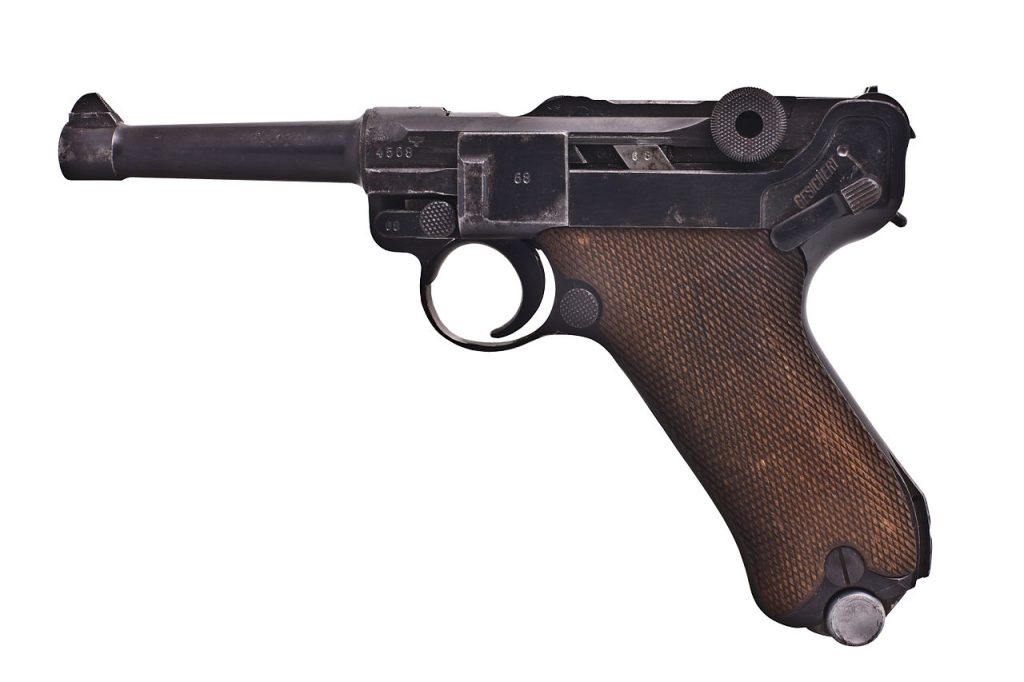
The Luger is legendary since it is mechanically unapologetic. Its short-recoil, toggle-locked mechanism is immediately identifiable and uncommonly sensitive to characteristics of loads, a criticism being one reason why the idea failed to become a mainstream operating system in later civilian pistol designs. Its greater heritage cannot be separated with the cartridge it helped popularize the 9x19mm Parabellum of 1901 which was scalable to pistols and later to submachine guns.
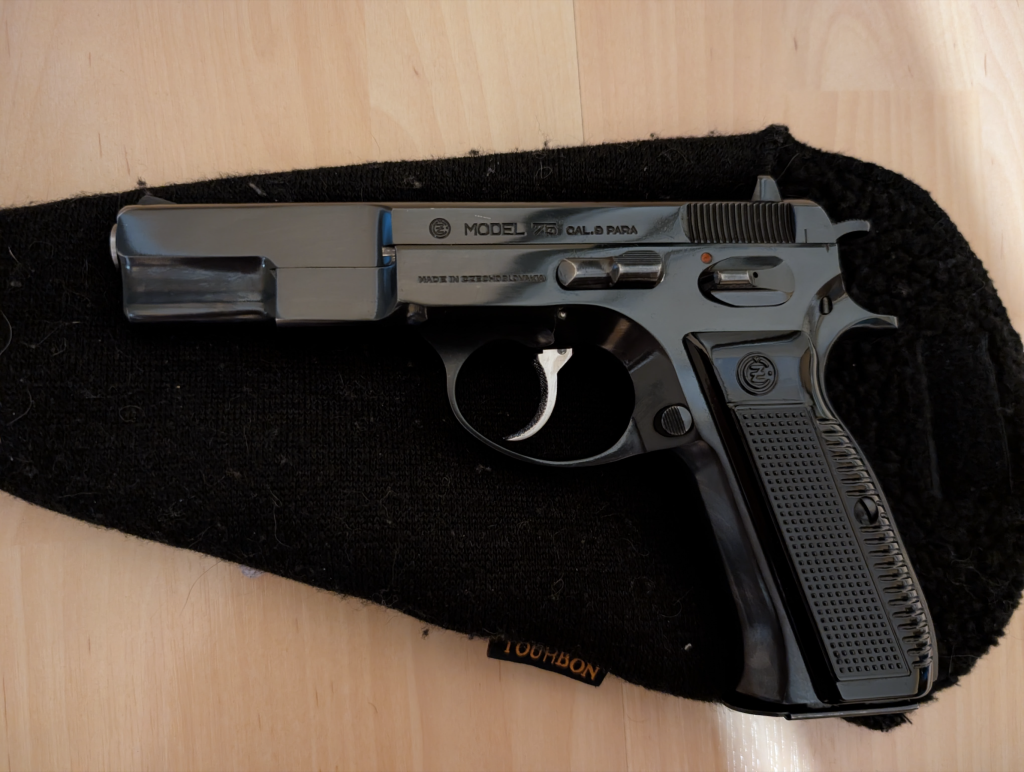
6. CZ 75
The CZ 75 was made a standard to shooters who appreciate controllability and natural pointing. Its internal slide-rail structure helps in creating a low, tight slide fit that most people associate with smooth bike riding and realistic precision. It also served to solidify the notion that an all-metal, two-stack 9mm could be both a service pistol and a competition-ready platform with a serious capability without having to radically redesign it.
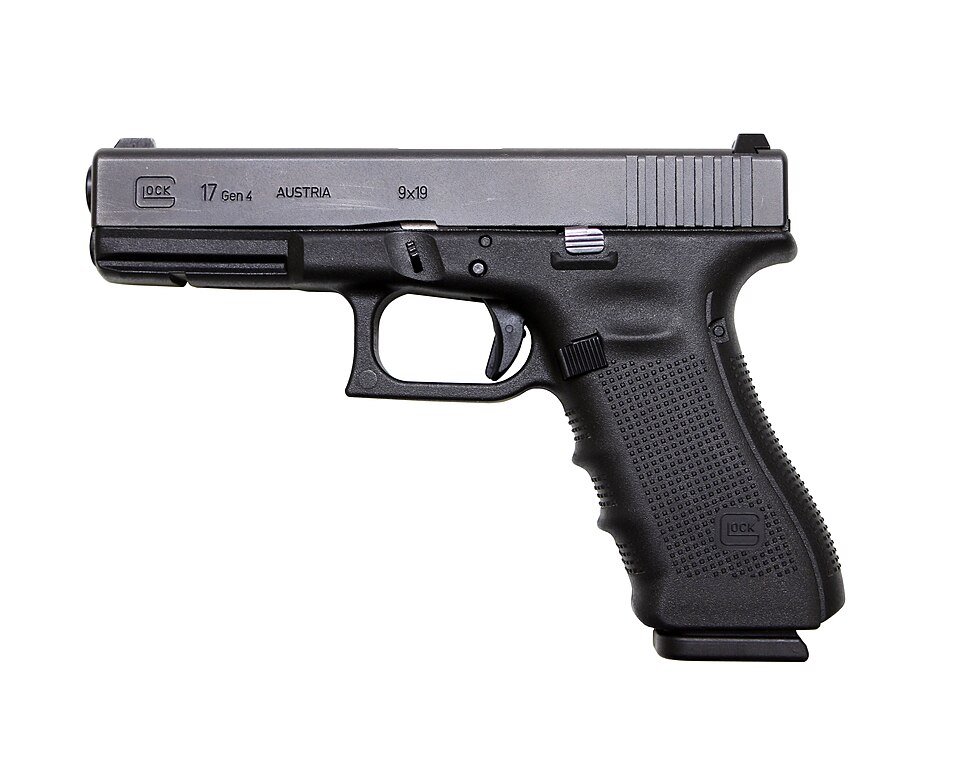
7. Glock 17
The Glock 17 is the pioneer polymer shockwave that caused a re-evaluation in the industry. A light frame with a simple striker-fired system when it came out looked like cost-cutting, until it turned out to be durable at scale and easy to maintain at large organizations. Far more than any single attribute, it standardized a manufacturing model: fewer components, uniform triggering behavior, and materials which were resistant to corrosion reduced the maintenance cost of the high volume users.
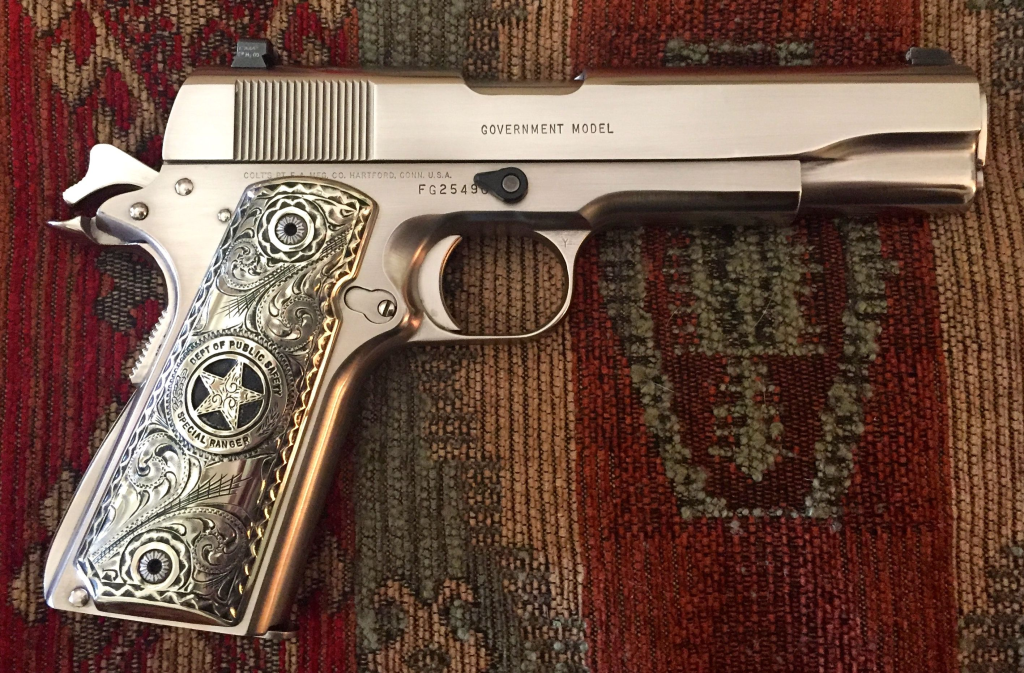
8. Colt 1911 (9mm variants)
The 1911, in 9mm size, is something of a bridge between the old and the new: ergonomic classics, bringing the trigger directly to the back, and a cartridge that lessens the force of recoil and shortens response time between shots. The important aspect of the engineering is not nostalgia: it is the ability of the platform geometry, which had a geometry of a different cartridge to provide excellent shootability with some care in adjusting it to 9x19mm feeding and timing.
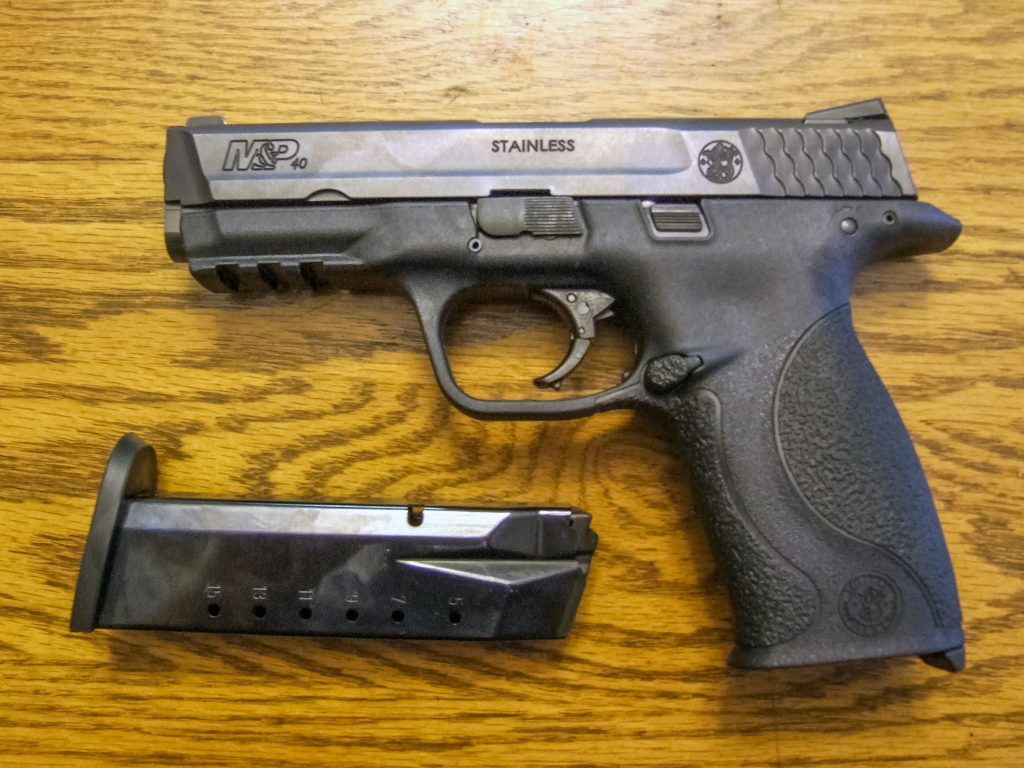
9. Smith & Wesson M&P Shield
Shield is the miniaturization stage of 9mm: service-level cartridges in carry-sized packages. It established its reputation based on keeping controls bare and the profile slim yet remaining like a real pistol on the shooting field. Its position in the history of great 9mm is related to what it represented throughout the industry: the fact that the small pistol was no longer to be considered something that was compromised.
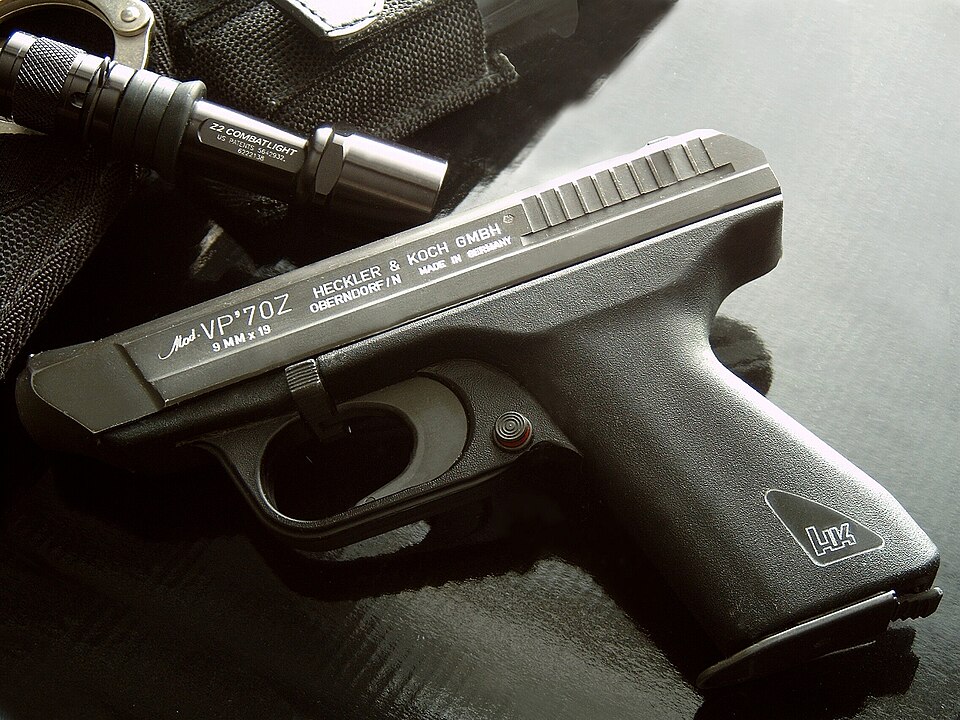
10. Heckler & Koch VP70
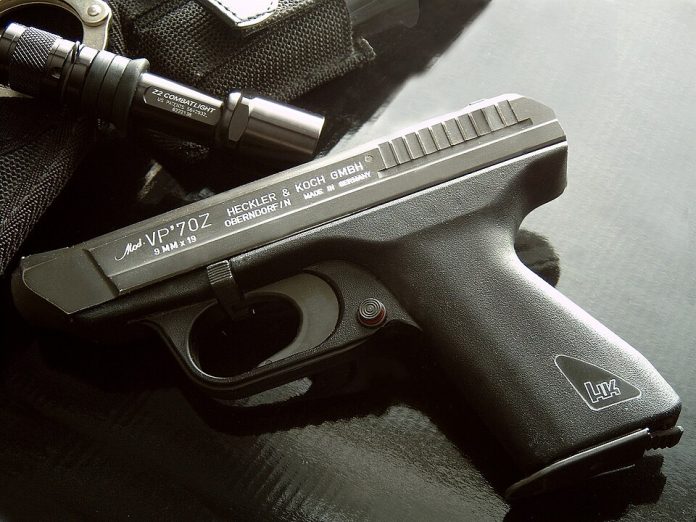
The VP70 is a prototype that is released into the production line. It did put polymer way ahead of its time, operate a striker-fired system when that was out of the ordinary, and it did so in a blowback manner that demanded a heavy slide and a unique shooting personality. The engineering desire of HK can be seen in the details like an 18-round magazine, which is a double-stack, and the idea of a shoulder stock, which might transform the purpose of the gun. Its feature set also preempted the future mainstream even where it was criticized, e.g. the hefty DAO trigger.
In all these designs the rule is the same, the pistols that failed to wear out are the ones that dealt with more than one thing at a time–capacity and without stilted manipulation, and adjustments that worked when under fire.
It is that mix that makes legendry 9mm not a story of one great gun but one of a heritage of engineering choices that are still present in the modern handguns.


