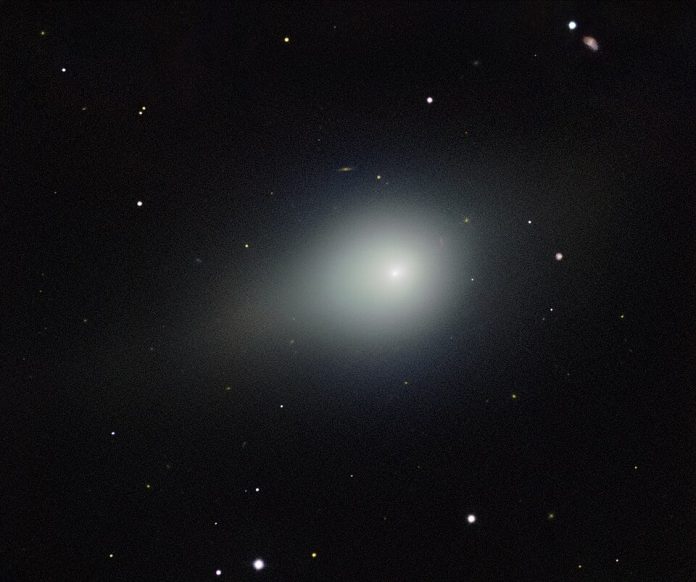
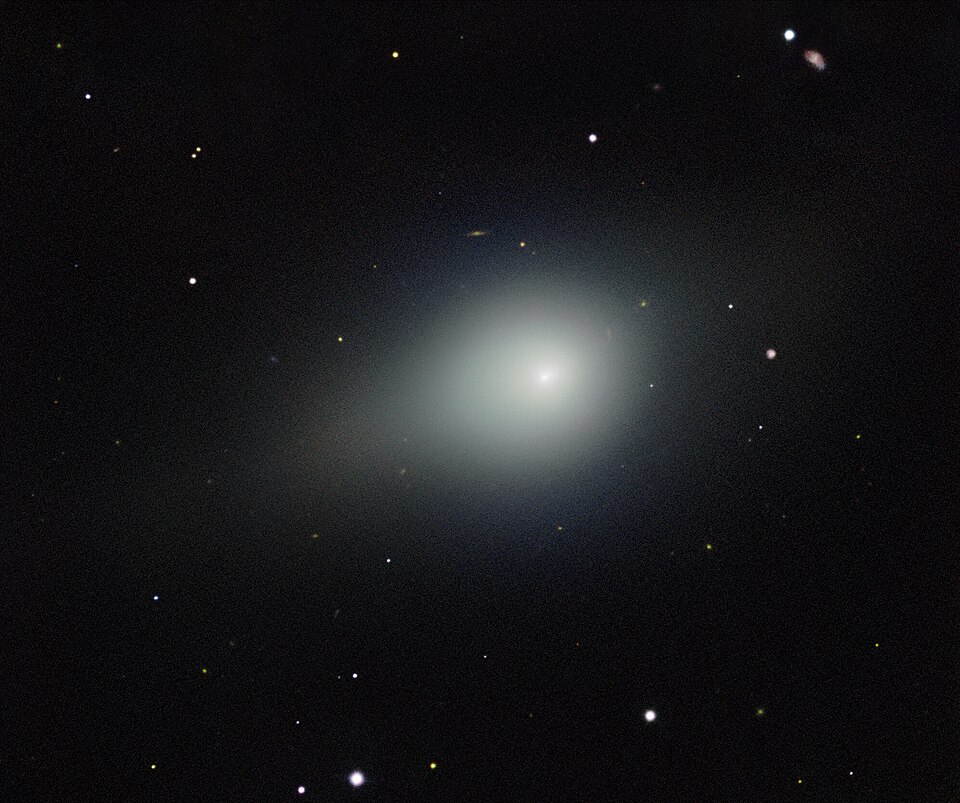
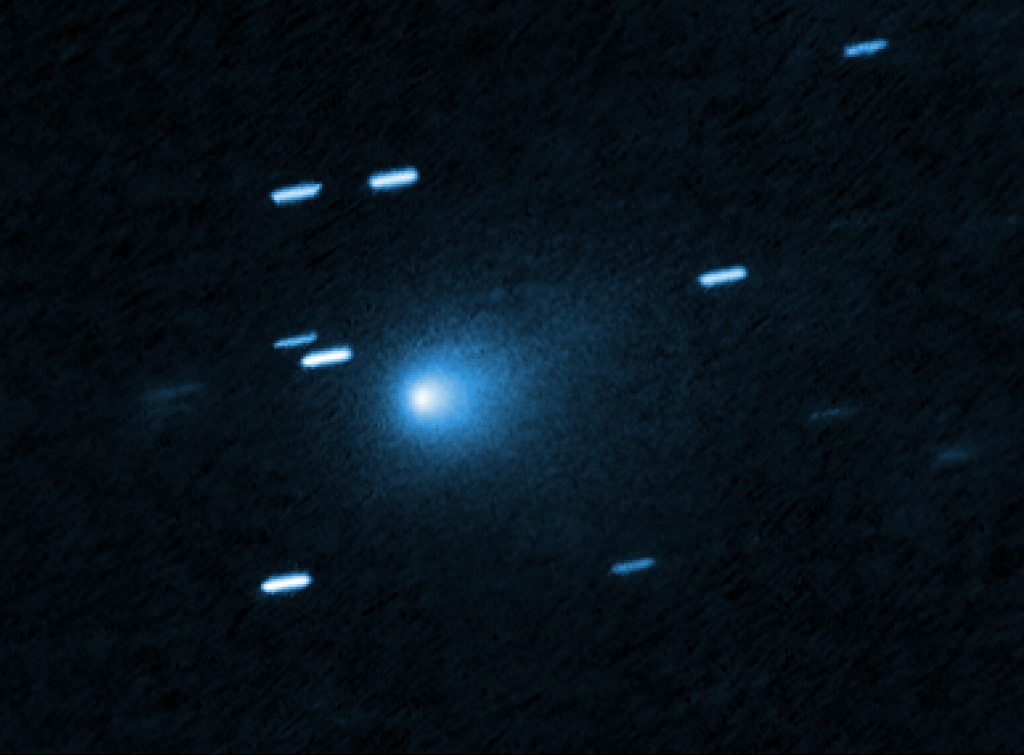
Comet 3I/ATLAS is a calibration experiment for modern astronomy as much as it is a chemical sample. The comet’s interstellar orbit, high speed, and changing coma have forced observers into a type of distributed experiment ground-based and space-based telescopes, and even instruments orbiting Mars, all working to provide different perspectives on the same rapidly moving object.
What makes 3I/ATLAS so particularly instructive is not only the fact that it is the third confirmed interstellar object, but also that it has properties of a comet while bearing a chemical signature that does not quite fit within the established patterns of the solar system. This presents a unique opportunity to study all three aspects within a single data set.
1. A hyperbolic orbit that required immediate verification
3I/ATLAS was recognized as an interstellar object almost from the start due to the hyperbolic nature of its orbit, which indicates that it is not bound to the Sun, and due to its approach velocity, which is well above the average velocity of solar system comets. The initial assessment of the object’s velocity was about 210,000 km/h (130,000 miles per hour), which made it imperative to have precise ephemerides for all subsequent observations.
2. A “fleet observation” approach spanning Earth and Mars
Rather than pointing a single flagship telescope, observers approached 3I/ATLAS as a moving target to be observed from a variety of baselines. The presence of Mars-orbiting resources made such long-range triangulation geometry particularly useful, as it provided a way to refine the position of the comet in the sky at a particular time of day that would not have been possible from Earth alone.
3. Carbon dioxide that is exceptional even among comets
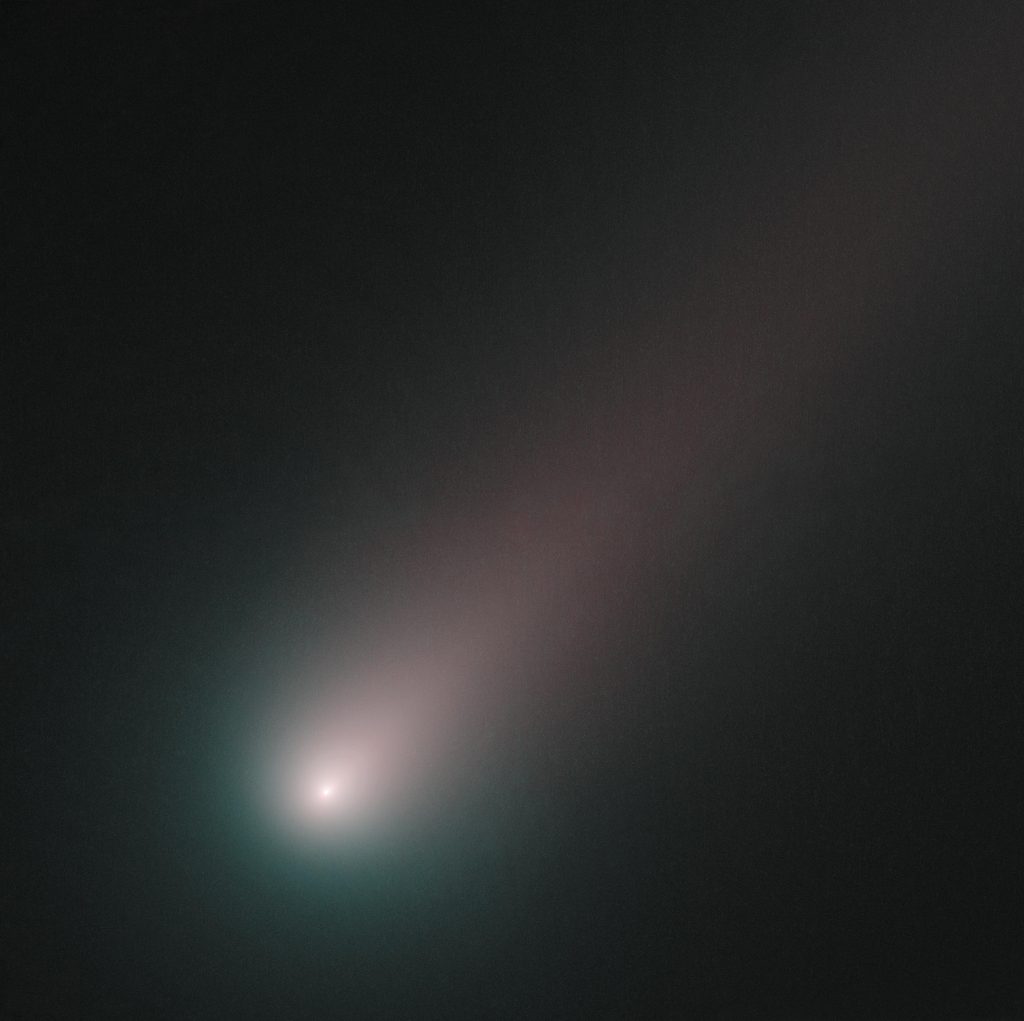
The comet’s coma has a very CO2-rich composition. A study showed that the comet has an extreme CO2/H2O ratio of 7.6±0.3, which is one of the highest ever recorded for any comet, and far beyond what would be expected in the solar system. The result has both scientific and practical implications: CO2-driven activity can keep a comet active at a greater distance from the Sun than water-driven sublimation would.
4. Nickel without iron and a clue hidden in volatility
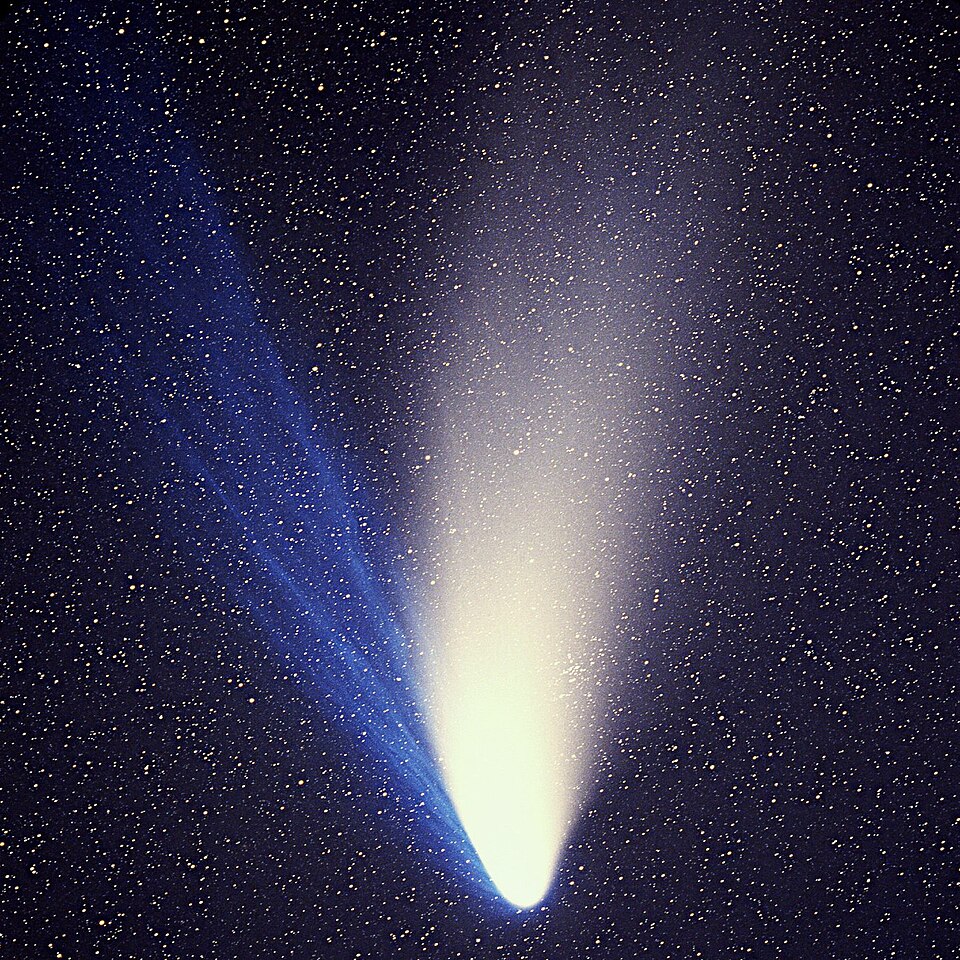
Spectra obtained using the Very Large Telescope showed the presence of nickel in the coma but no iron at first, which is peculiar since many cometary observations have shown the presence of both nickel and iron. One possible explanation for the presence of these metals is their association with highly volatile organometallic carbonyls, where nickel tetracarbonyl would sublimate more easily than iron pentacarbonyl, causing nickel lines to appear first while iron lines would appear only after further heating. Another observation showed the ratio of nickel to iron to vary significantly as the comet approached the sun.
5. A radiation-processed crust, not a pristine interior sample
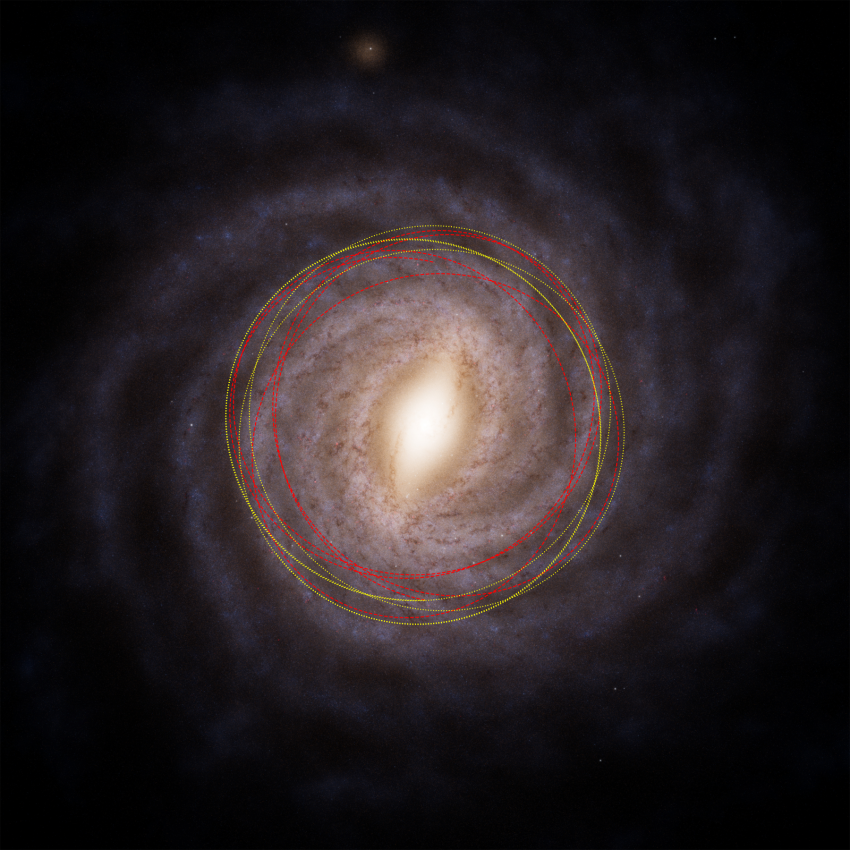
Chemically, the interstellar spacecraft is not neutral. Laboratory and theoretical studies related to 3I/ATLAS suggest that prolonged exposure to GCRs could result in the conversion of CO to CO2, accompanied by the accumulation of an organic-rich, reddened outer surface, consistent with the observed gas ratios and spectral slopes of the comet. These studies also suggested that the current rate of erosion could be sampling only a processed surface layer perhaps 15 to 20 meters thick, indicating that the coma could be reflecting an engineered-by-radiation surface layer rather than the pristine interior that formed around another star.
6. A test case for “catch-it-early” interstellar readiness
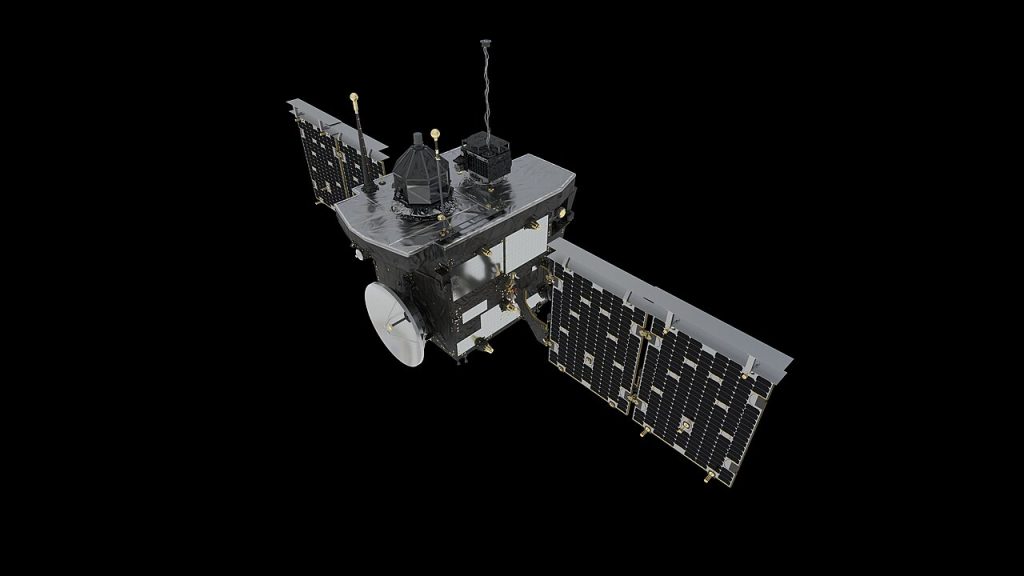
The arrival of 3I/ATLAS serves as a reminder that interstellar objects will not wait for mission planning schedules. Missions such as the Comet Interceptor concept, which involves waiting for a target to become available, have been specifically mentioned as a model for future flybys of interstellar objects, with orbital families limited by delta-v constraints of the spacecraft. The take-home message is that effective in situ science needs pre-positioned capability and quick targeting logic, since the time from discovery to perihelion passage may be shorter than most spacecraft development times.
7. Citizen astronomy that provides real photometry, not just outreach
Amateur and citizen networks have contributed early detections and brightness tracking, while professional observatories have queued up for spectroscopy time. The Unistellar network reported a measurement of around 17.8 magnitude from an observer capture, showing that a network of small-aperture telescopes can still contribute useful constraints on brightness changes, particularly when the comet is faint and crossing a dense field of stars.
8. A nucleus that remains difficult to see through its own coma
Even for space-based telescopes, the nucleus is not a straightforward observation because of the dust and gas that clouds the nucleus. One of the constraints provided by the Hubble telescope was that the upper limit of the size of the main part of the nucleus was about 1.7 miles in radius, but it did not attempt to resolve the nucleus itself. The size of the nucleus is important because it determines the rate of mass loss and the rate at which a processed crust can be stripped away, as well as whether the later observations can feasibly sample interior material or whether they are still dominated by surface materials produced during interstellar existence.
3I/ATLAS ultimately amounts to a single object that holds multiple lessons in engineering: how to improve trajectories based on various baselines, how to understand activity driven by volatility without presuming water to be the preponderant factor, and how radiation can produce the materials that observers might otherwise consider “primordial.” With the advent of more wide-field surveys and interstellar detections no longer being a rare occurrence, 3I/ATLAS provides a template for how to take a passing mention and turn it into a well-structured inquiry one that weaves together chemistry, dynamics, and instrumentation into a cohesive whole.


