In recent years, Iran’s military capabilities have been degraded through precision strikes, sanctions, and the loss of key infrastructure. Yet, the country is rebuilding elements of its nuclear, missile, and drone programs and expanding its regional influence through proxies. Any future campaign to apply “maximum pressure” could involve a focused set of strikes designed to erode Tehran’s ability to project power while limiting collateral damage. Based on recent operational history and intelligence assessments, here are several categories of strategic targets that could be considered.
1. Nuclear Enrichment and Weapons Design Facilities
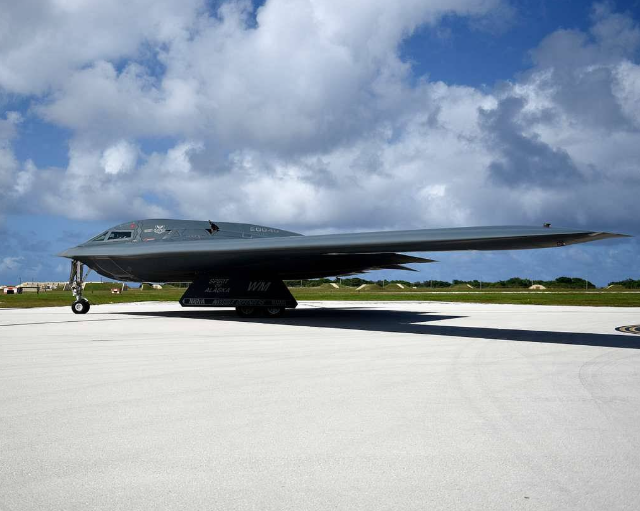
Iran’s nuclear program remains at the core of Western security concerns. Underground complexes like Fordow and Natanz have been used for uranium enrichment and research into weapons design. Past operations, including the B‑2–led Operation Midnight Hammer, demonstrated that hardened sites could be penetrated with Massive Ordnance Penetrator bombs. Targeting these facilities anew could set back timelines for enrichment by years, although such strikes would need to be done with great care to avoid dispersing hazardous materials.
2. Ballistic Missile Production and Storage Sites
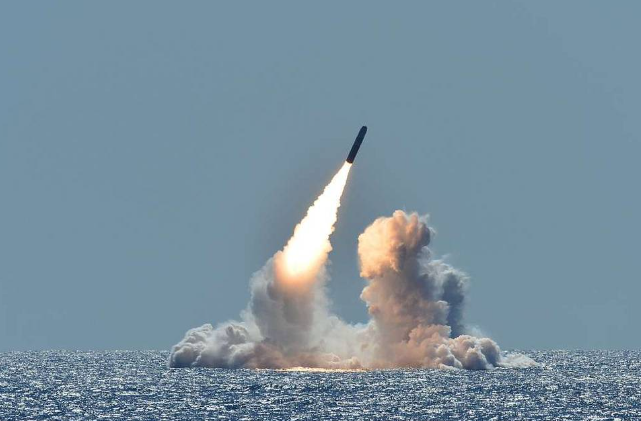
Iran’s missile program encompasses more than two dozen above- and below-ground facilities associated with testing, production, and storage. These facilities support both liquid- and solid-fuel systems, with components such as sodium perchlorate obtained from abroad. Disabling the missile assembly plants, fuel depots, and launchers would diminish Iran’s capabilities to threaten regional adversaries and reduce its deterrent options.
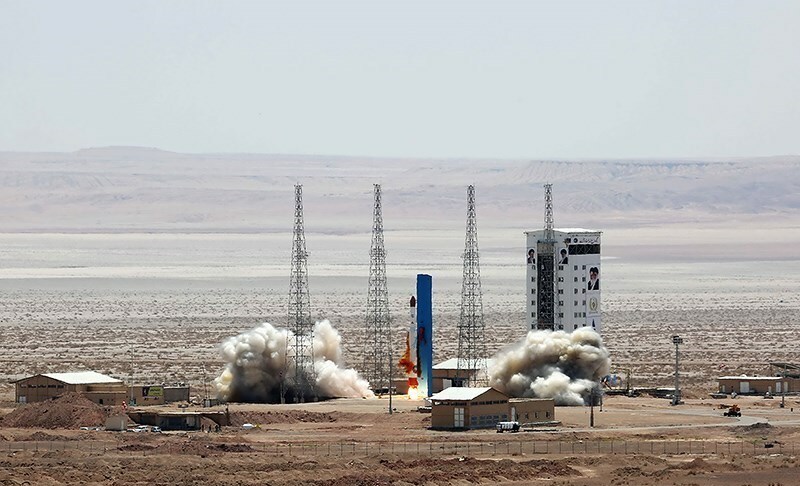
3. Space Launch and Satellite Infrastructure
The Iranian space program has vast dual-use potential: the same technology used in orbital launches applies to long-range missiles. Facilities such as the Imam Khomeini Space Center and the Chabahar spaceport currently under construction support satellite launches and can be harnessed for military payloads. Neutralizing launch pads, tracking stations, and integration facilities would constrain both civilian and military space ambitions.
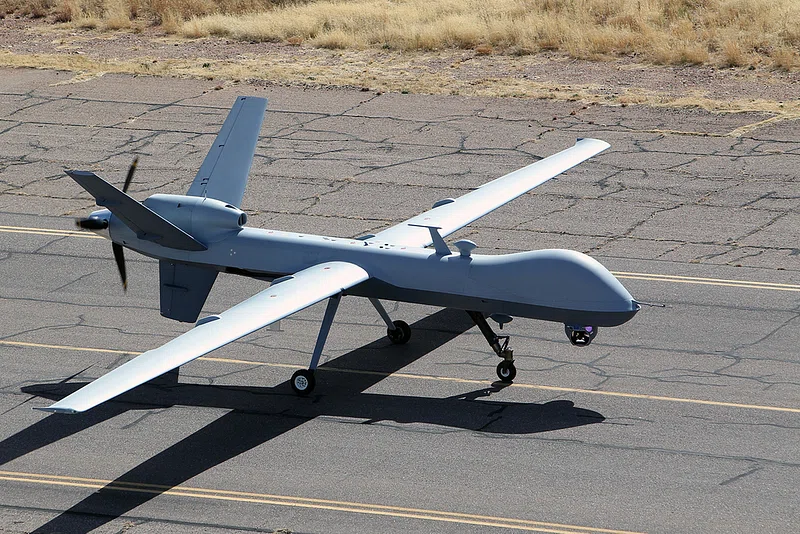
4. Drone Manufacturing and Assembly Plants
Unmanned aerial vehicles have become a hallmark of Iran’s asymmetric warfare strategy. Factories run by Shahed Aviation Industries and other entities produce systems used in regional conflicts, including attacks on Ukraine via partnerships with Russia.
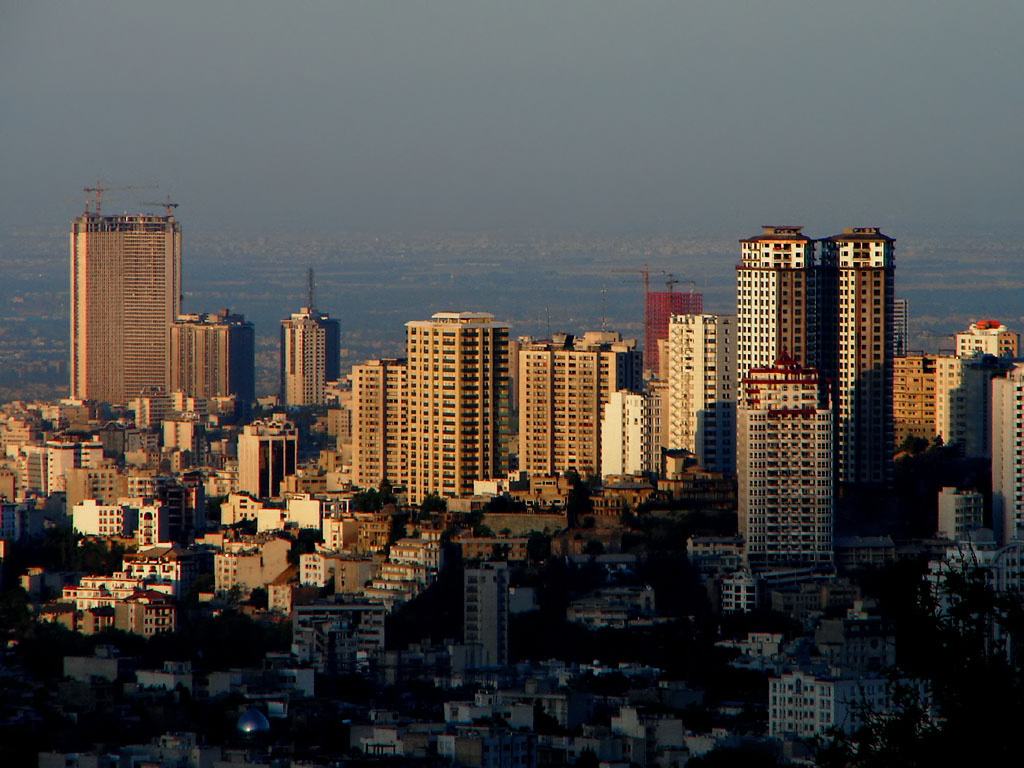
Disrupting production lines, component storage, and testing ranges would reduce Tehran’s ability to supply its own forces and allied militias.
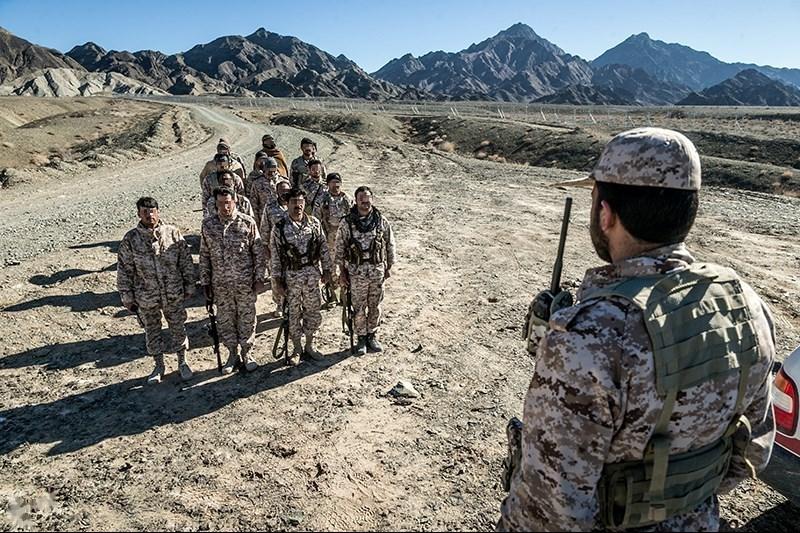
5. IRGC Command and Logistics Hubs
Many missile, drone, and proxy operations of Iran are overseen by the Islamic Revolutionary Guard Corps. Command centers, secure communications nodes, and logistics depots-when struck-could impair operational coordination. These targets often situate deep within civilian infrastructure, and precision and intelligence accuracy become critical to avoid unintended casualties.
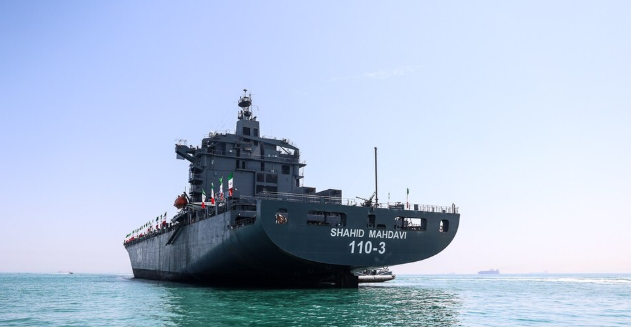
6. Naval Assets and Coastal Missile Batteries
The Iranian naval forces, specifically the IRGC Navy, continue to maintain fast-attack craft and coastal missile batteries that could pose a threat to shipping in the Strait of Hormuz. Targeting these assets, along with associated radar and command facilities, would reduce Iran’s capacity to disrupt maritime trade routes or harass allied vessels in the Gulf.
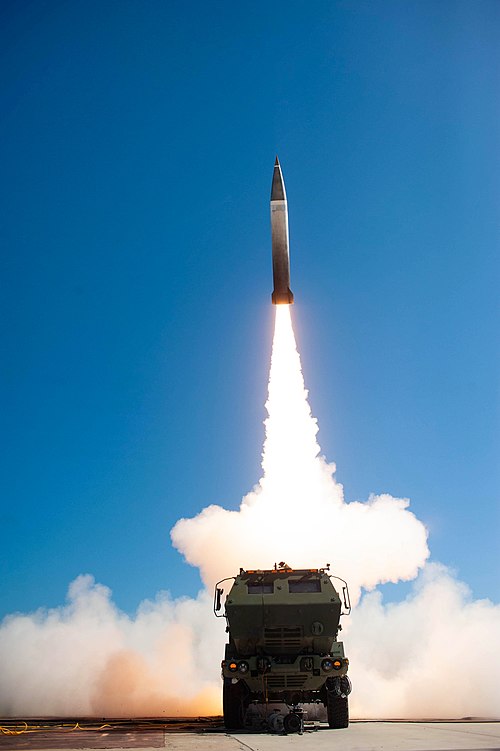
7. Overseas Proxy Supply Lines
Iran enables its proxy forces in Lebanon, Syria, Iraq, and Yemen through networks that move weapons, components, and funds. Precision strikes on storage sites, transit hubs, and clandestine workshops outside of Iran’s borders could degrade these groups’ capabilities without directly escalating inside Iranian territory.

Any strike package would combine air, naval, and cyber components and would likely focus on surprise and multi-domain coordination in order to impact Iran’s capabilities for regeneration of the most threatening capabilities with a goal of avoiding an enduring conflict. The success of such an approach would depend not only on target selection but also on the broader diplomatic and economic measures accompanying military action.


