When outside governments talk about “options” toward Iran, the most consequential details tend to sit below the headline: which systems get targeted, how communications survive, and how fast escalation can outrun planning.
In the public debate today, the menu being described runs from cyber activity and sanctions to connectivity support and limited strike concepts-while repeatedly stressing that any move would stop short of ground deployments. That combination puts engineering realities at the center: networks, space-based links, jamming, and the resilience of critical infrastructure.

1. Cyber operations to disrupt regime and military networks
The discussed options have centered on cyber activity against Iranian military or regime-linked targets in order to disrupt coercive capacity without physical strikes. The approach comes with warnings that Iranian-linked actors have historically exploited weak cyber hygiene abroad, underlining a U.S. government alert that Iranian cyber actors may strike vulnerable U.S. networks. For operators, the engineering issue is symmetry: the more offensive cyber planning increases the defensive workload for utilities, logistics firms, and any internet-exposed environment that relies on legacy devices and default credentials.

2. Satellite internet: a lifeline and a detectable risk
Space-based broadband has had connectivity assistance floated around it, with Starlink named most frequently because it bypasses terrestrial chokepoints. The technical limitation is not only the availability of terminals but also the fact that possession is illegal inside Iran, creating a built-in detection problem for users. Even when terminals exist, the link budget and terminal behavior can betray location patterns under surveillance pressure, turning an “internet solution” into an operational security puzzle.

3. Internet Shutdowns and the Infrastructure Behind Information Control
The ability of Iran to “pull the plug” has repeatedly shaped protest dynamics through limiting uploads, coordination, and outside verification. Reference reporting describes a nationwide cutoff that left 85 million people effectively disconnected from the outside world, with service degradation persisting over days and forcing reliance on nontraditional routes. The engineering takeaway is that blackout resilience is less about single tools and more about layered paths: peer-to-peer messaging, circumvention software, and redundant upstreams that do not share the same failure points.
4. Jamming & Interference against low-Earth-orbit links
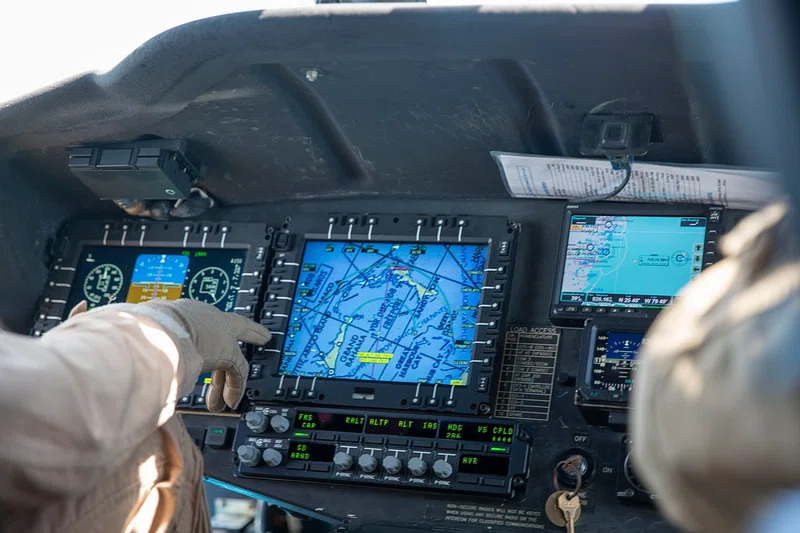
Starlink relies on clean RF conditions and valid GPS inputs to orient terminals and provide timing. Reference reporting described Starlink disruptions consistent with GPS interference and broader jamming, including observation of significant packet loss following the shutdown. Once jamming becomes routine, connectivity turns into a moving target: users need placement discipline, power continuity, and procedures that reduce transmission time while still moving media and messages.
5. Sanctions and Tariffs as System-Level Pressure on Finance and Energy
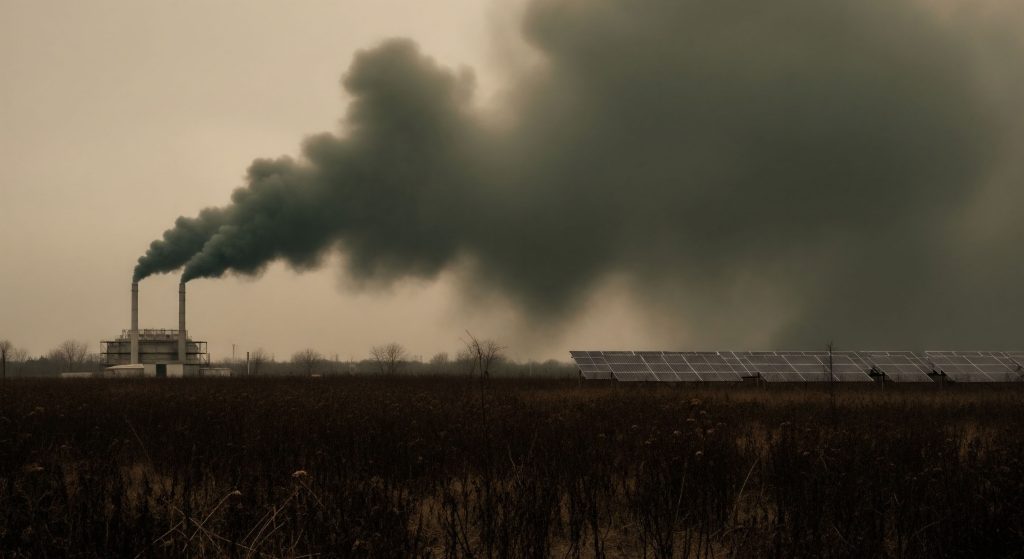
Non-kinetic pressure has also been described in the form of new sanctions against specific figures or sectors such as energy and banking, along with threats of broader trade penalties. Whatever the policy goal, the engineering effects show up in procurement delays, maintenance backlogs, and reduced access to industrial spares-especially where imported control components, metering, and specialized software updates are involved. Constraints often propagate quietly, weakening reliability before any visible failure occurs.

6. Limited strike concepts vs. dense urban realities
Some proposals have targeted internal security services instead of broader infrastructure but also emphasizing no ground deployments. Dense cities complicate “precision” in practice: communications nodes, barracks, and logistics depots can share walls with civilian life and essential services.
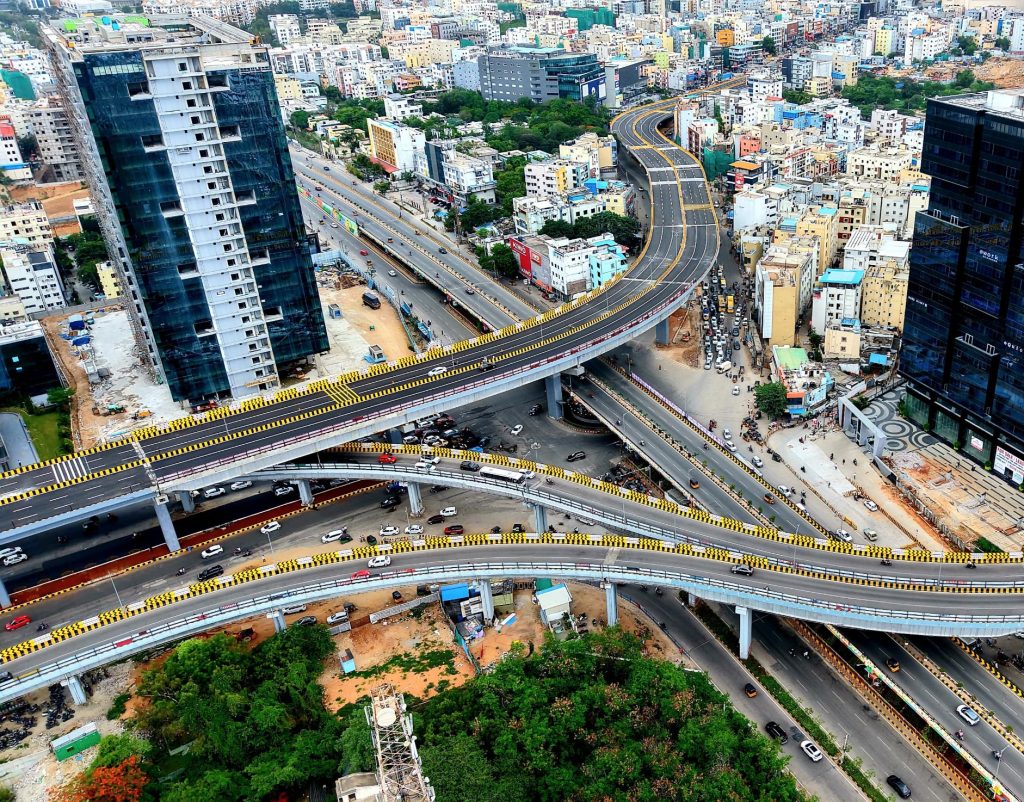
As one reference framed it, Tehran’s scale makes it difficult to mount an air campaign without elevated civilian risk turning target selection into a problem of mapping, redundancy, and unintended cascade effects across power, transport, and telecom.

7. War-powers process and the mechanics of authorization
Even when the framing is one of limited action, U.S. process constraints implicate timing, disclosure, and scope. A Congressional Research Service-type summary of the War Powers Resolution points out notification requirements within 48 hours when forces are introduced into hostilities or imminent hostilities, including descriptions of circumstances and estimated duration.
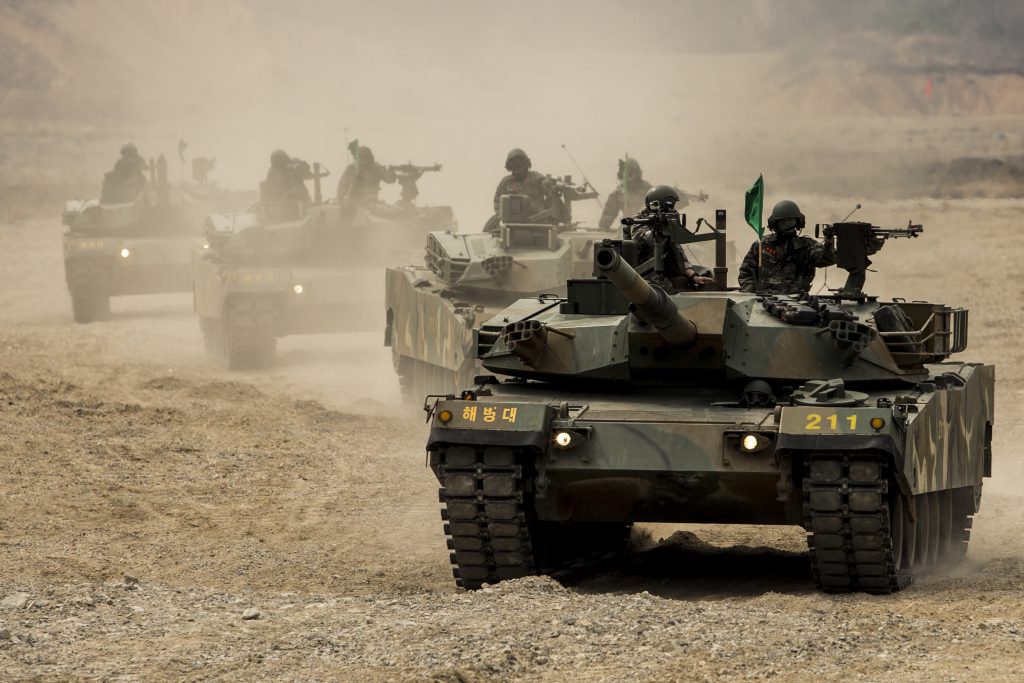
It also points out competing interpretations of what constitutes “hostilities.” The further an option relies on sustained operations-air, cyber, or maritime-the more its design is determined by procedural architecture. Taken together, these pressure points describe a modern intervention debate in which connectivity, interference, and cyber defense sit alongside traditional instruments. The technical details do not just support policy but frequently set its outer boundary.


