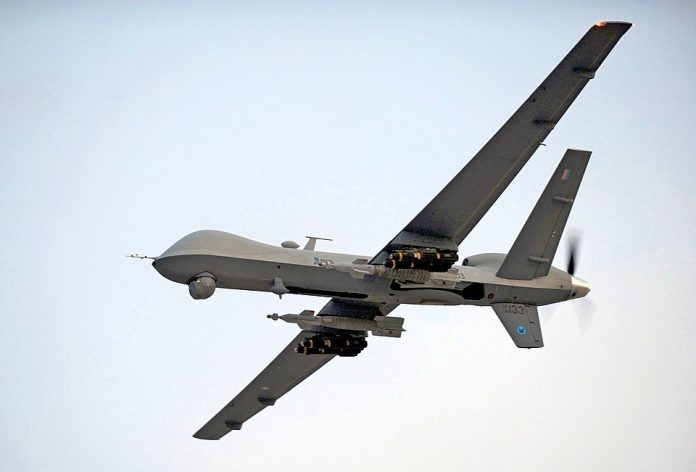
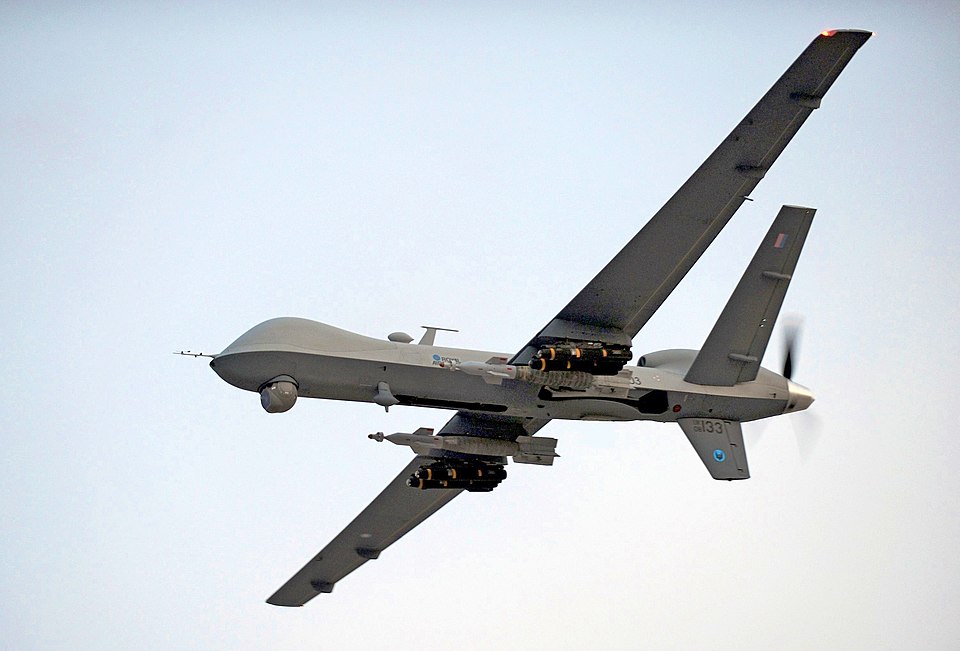
$80–90 million worth of modern air-defense hardware is a useful number, not because it captures every cost of a battlefield loss, but because it spotlights a widening mismatch: systems built to swat down aerial threats are increasingly being hunted by far smaller uncrewed systems.
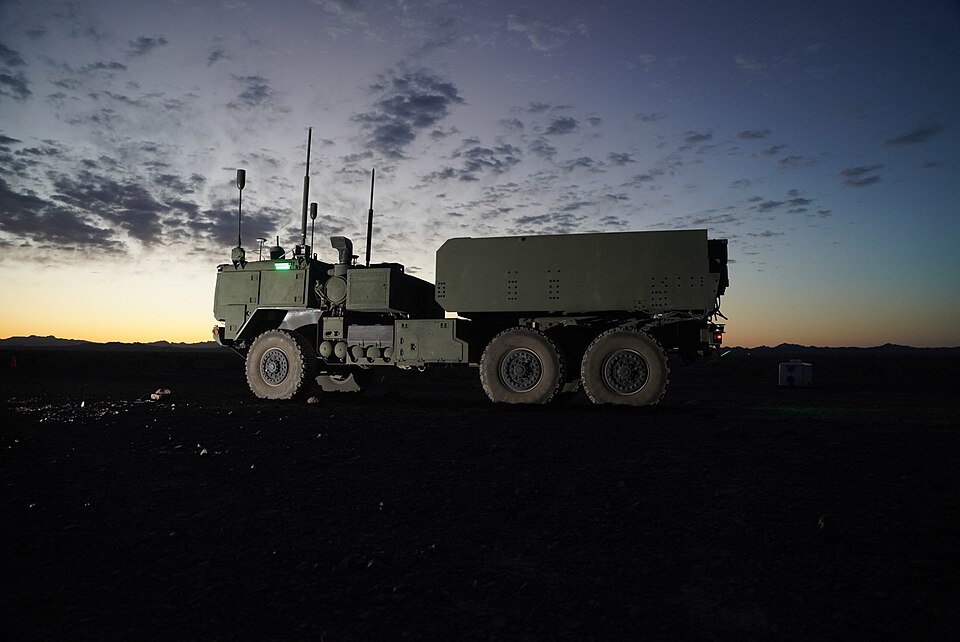
That tension sits at the center of an August 2025 Ukrainian operation attributed to the 412th Nemesis formation, which said it used undisclosed “innovative methods” to remove multiple Russian air-defense elements from the field. The techniques are intentionally opaque, but the engineering story is visible: sensing, communications, and targeting cycles now move fast enough that “the shield” can become the most obvious target.
1. Air-defense vehicles are becoming priority ground targets
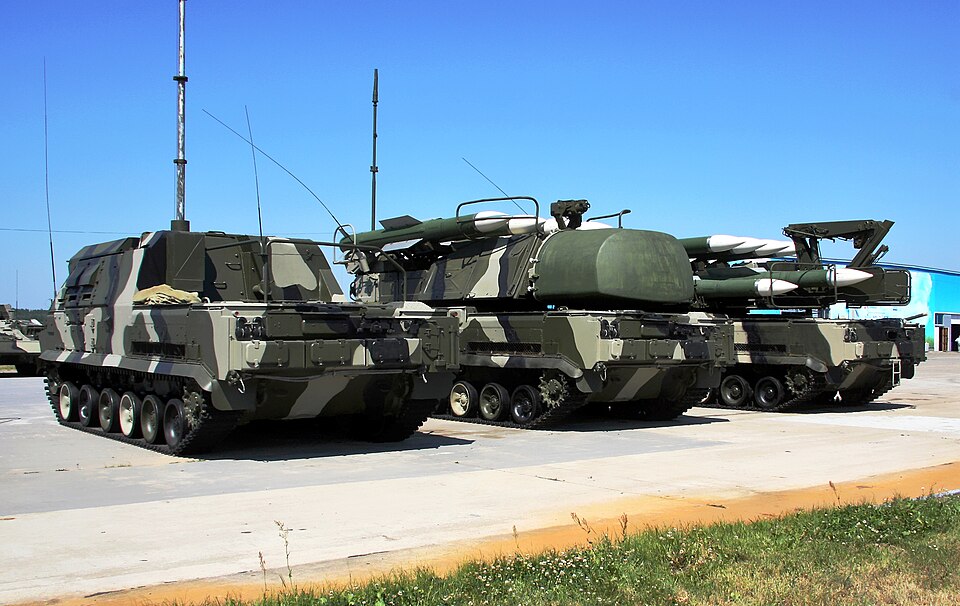
Ukraine’s Nemesis unit described destroying two Tor-M2 systems, a Buk-M3 launcher, and a Buk-M2 radar in a single strike package, a cluster valued at $80–90 million. Whatever the specific delivery method, the outcome highlights a hard reality for integrated air defense: the launcher-and-radar stack can be degraded by attacks that arrive at low altitude and with little warning, especially when the attacker can iterate tactics faster than the defender can revise procedures.
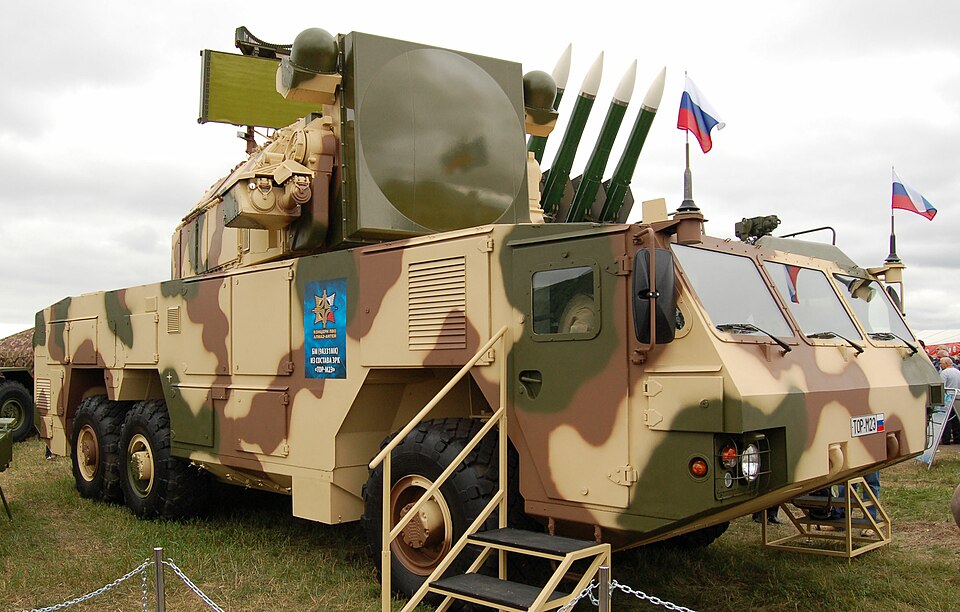
2. Tor-M2’s strengths can be stressed by small, close-in threats
The Tor family is designed for point defense against aircraft, helicopters, cruise missiles, and drones, and it combines surveillance, tracking, and launch functions on one mobile chassis. Open technical descriptions place Tor’s engagement range at 12 to 16 kilometers. The catch is that a system tuned for rapid reaction still depends on detecting and classifying a target in time, and small drones can compress timelines, complicate discrimination, and invite saturation at the exact layer Tor is meant to dominate.
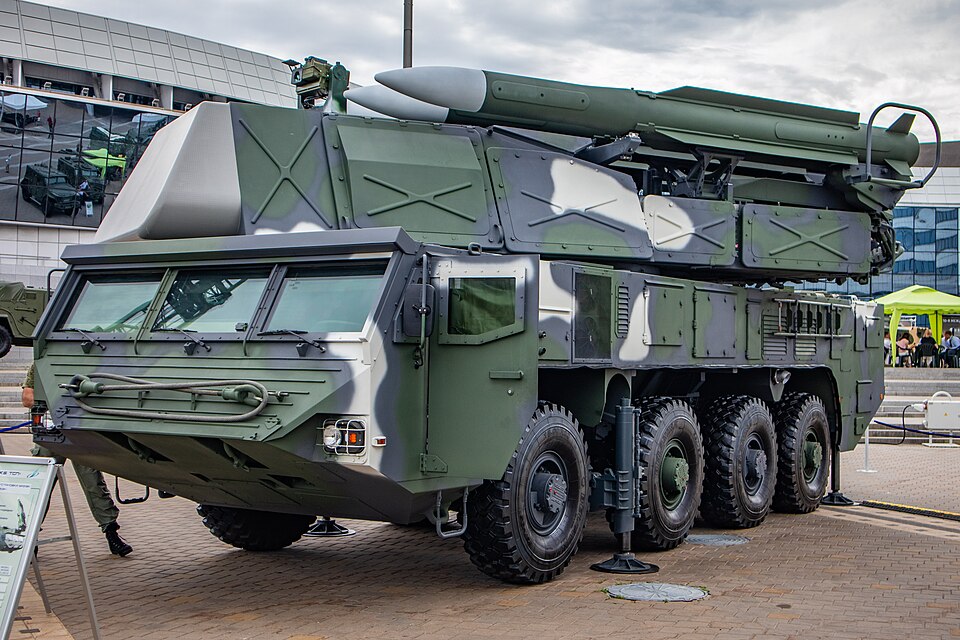
3. Buk-M3’s coverage is valuable and therefore huntable
Buk-M3 sits in a medium-range role, with commonly cited performance out to roughly 70 kilometers and high-altitude reach, making it a key layer in a broader network. That importance makes it a magnet for reconnaissance-strike cycles designed to peel away air defense before follow-on strikes. In practical terms, a system built to reach out and touch aircraft can be pressured by drones that force it to radiate, reposition, or rely on escorts each choice carrying its own signature and risk.
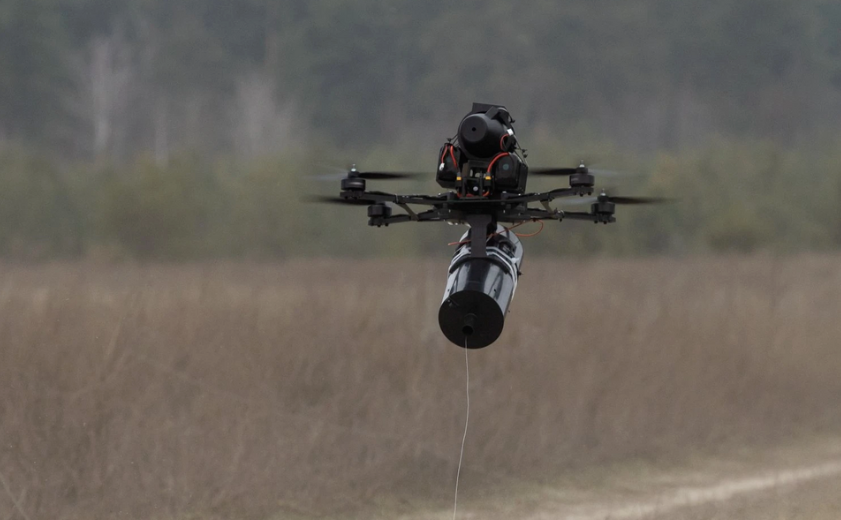
4. Fiber-optic control is changing the electronic-warfare bargain
Radio-frequency jamming helped define early FPV tactics, then pushed both sides toward tethered control. In the field, fiber-optic drones have become common enough to leave visible “webs” of cable in operating areas, creating a new hazard for troops and vehicles, according to a Ukrainian operator identified as “Khyzhak.” Those “small unjamm able drones controlled by fiber-optic cables” are described as so prevalent that they leave the terrain “a tangled web”, and they are reported with reach up to 50 kilometers in some variants. The vulnerability is physical: the cable can snag, kink, or telegraph where launches occurred, but the payoff is consistent control where RF links collapse.

5. “Mothership” drones widen the geometry of an attack
One of the most disruptive developments is airborne deployment: fixed-wing platforms that carry multiple FPV drones and release them over the target area. At a May 2025 CSIS event, Kateryna Bondar described a mothership concept as a fixed-wing drone that can carry up to six FPV drones, doubling as a relay to keep smaller craft connected deeper into contested space. That architecture makes air defense’s job harder by changing where the “launch point” is and by enabling multiple approaches that are not tied to a single operator position.
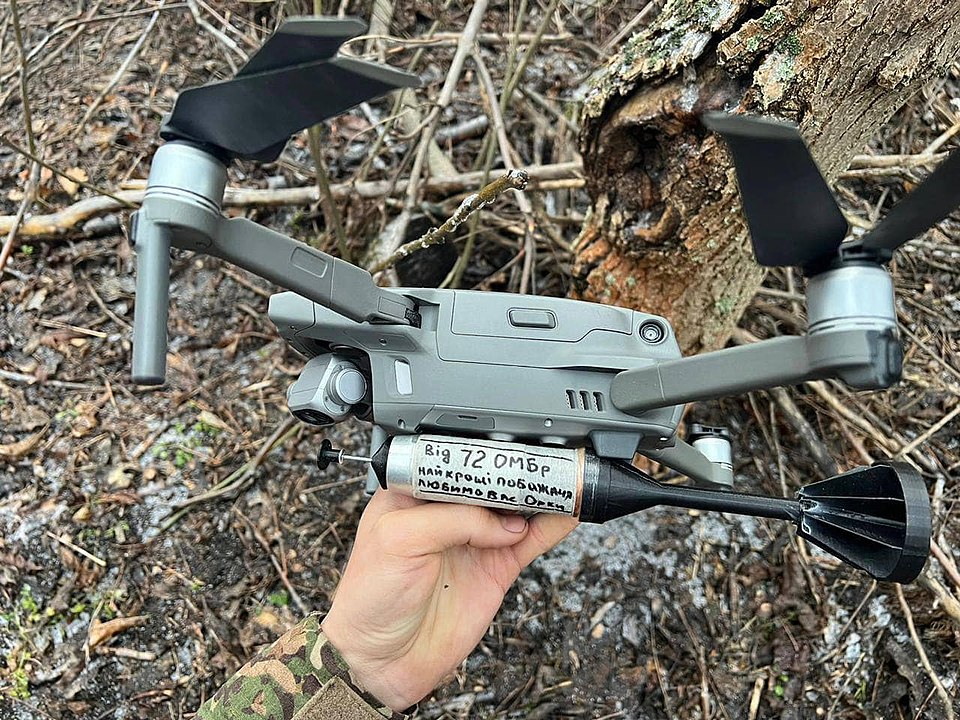
6. AI add-ons are shifting work from the operator to the airframe
Modular AI packages are increasingly used for autonomous navigation and automatic target recognition, reducing dependence on a perfect control link in the final seconds. Bondar characterized the typical integration as “attaching also a module” that supports “autonomous navigation” and “automatic target recognition,” with processing happening onboard so the operator sees “pre-analyzed information.” In engineering terms, the drone becomes less like a remote-controlled aircraft and more like a small, disposable guided weapon that can tolerate interruptions, deception, and high operator workload.
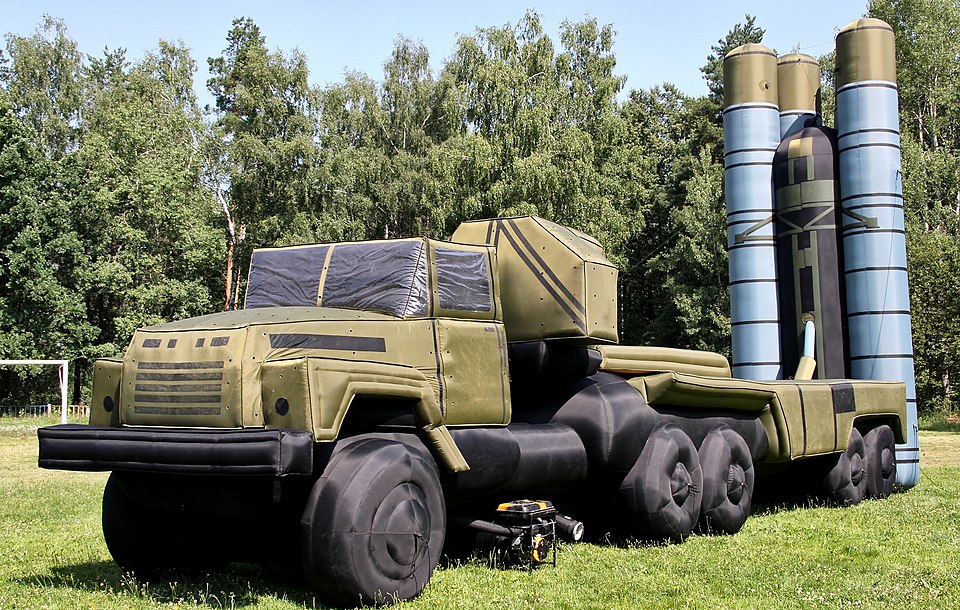
7. Defense is adapting with decoys, dispersion, and layered sensing
Russian countermeasures described across the source material include decoys, more frequent repositioning, and heavy use of electronic warfare. The broader adaptation trend is also visible in analysis of integrated air and missile defense doctrine, which emphasizes an “any sensor, best shooter” capability and tighter airspace management under contested conditions. The implication is straightforward: the side that connects detection to engagement fasterand with fewer emissions and fewer predictable patterns keeps more of its high-value systems alive.
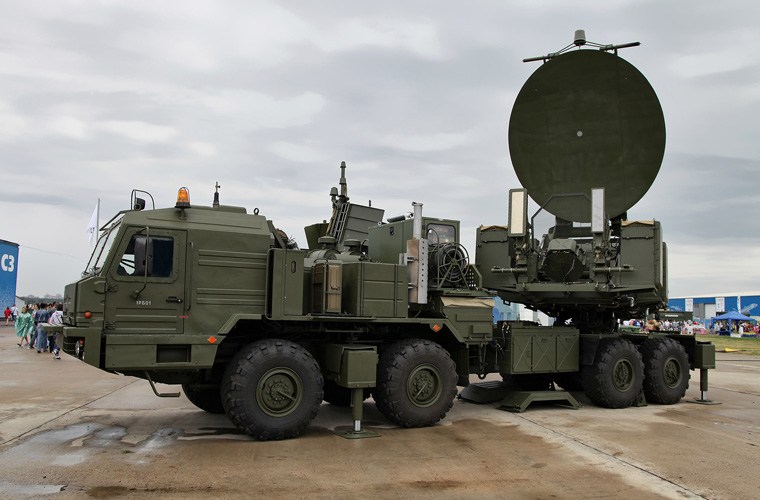
The Nemesis claim that “The enemy is changing tactics, trying to stop us and hide, but in vain – our retaliation reaches its target” reads like unit-level messaging, but it also summarizes a technical cycle: measure, adapt, and strike before the other side’s countermeasure becomes standard. In the drone era, survivability belongs less to the most expensive platform and more to the force that can reduce signatures, distribute functions, and iterate tactics at machine speed.


