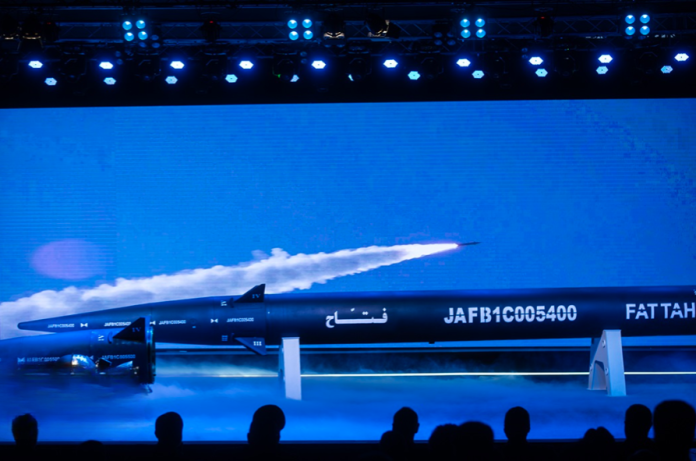
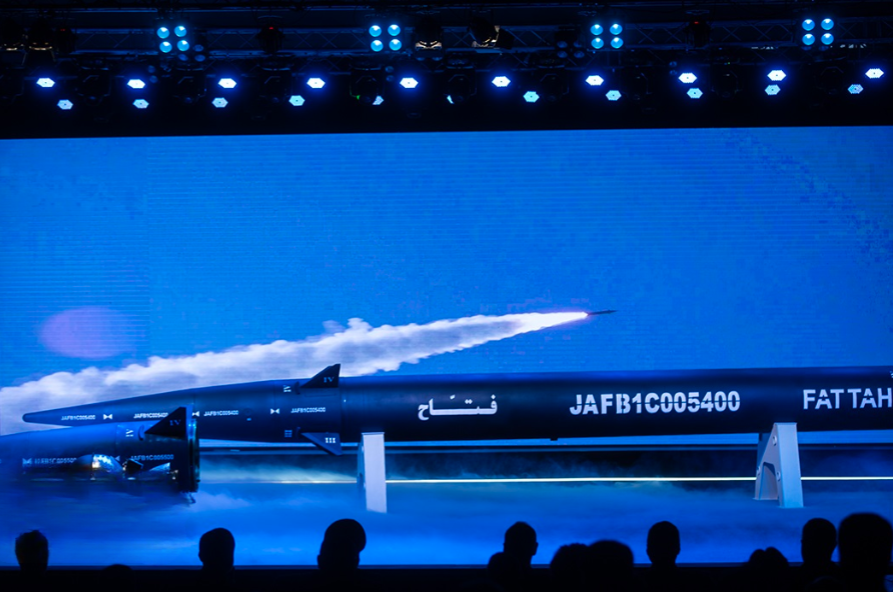
When a new missile enters a conflict zone, engineers and planners watch for what changes: warning time, interception odds, and the kinds of targets that become newly vulnerable. That attention has followed Russia’s Oreshnik, a hypersonic, nuclear-capable system that Ukraine and some Western officials have described as intended to shape allied decision-making as much as battlefield effects.
Ukrainian President Volodymyr Zelensky, writing on X after a wave of strikes, argued that “supporting Ukraine’s air defense is a permanent priority,” and called for “a clear reaction from the world,” “above all from the United States.” The appeal placed less emphasis on single episodes and more on the mechanics of deterrence: what signals land, and what consequences follow.

1. Oreshnik compresses warning time and complicates defense planning
The Oreshnik is widely assessed as an intermediate- or medium-range ballistic missile with hypersonic speed. In technical terms, that combination can reduce the time defenders have to detect, classify, and cue interceptors, while also raising the penalty for misidentification. Reporting around its flight profile has described steep exo-atmospheric arcs and reentry at high speed, with Ukrainian military reporting citing speeds around 13,000 km/h during the latest use.

For air-defense architecture, the engineering consequence is straightforward: coverage gaps matter more when timelines shrink. Systems that rely on layered engagement windows can be strained if the incoming object is both fast and difficult to track through all phases. Reference material has also described Oreshnik as difficult to stop with the air defense systems available to Ukraine, reflecting a broader challenge for defenders facing high-speed ballistic threats.
2. Multiple warheads turn one launch into many aimpoints
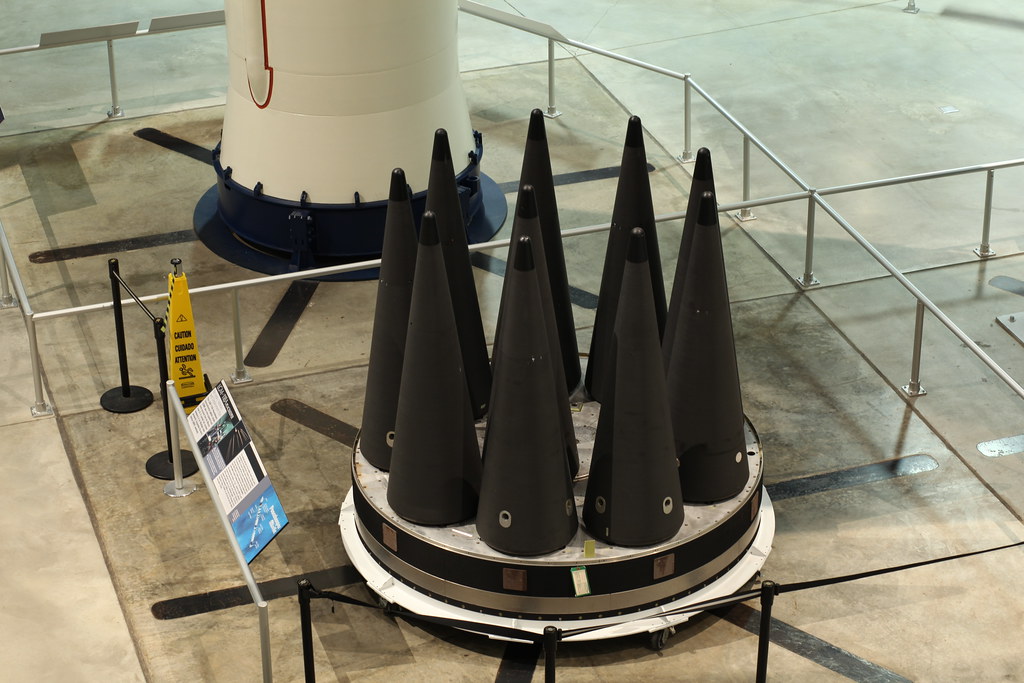
A distinguishing feature attributed to Oreshnik is its ability to release several independently targetable reentry vehicles. Reference reporting has described up to six MIRV-like warheads, with further submunitions associated with each. Even when those payloads are assessed as inert or “dummy” warheads, the design still forces defenders to treat a single missile as a cluster of terminal threats.
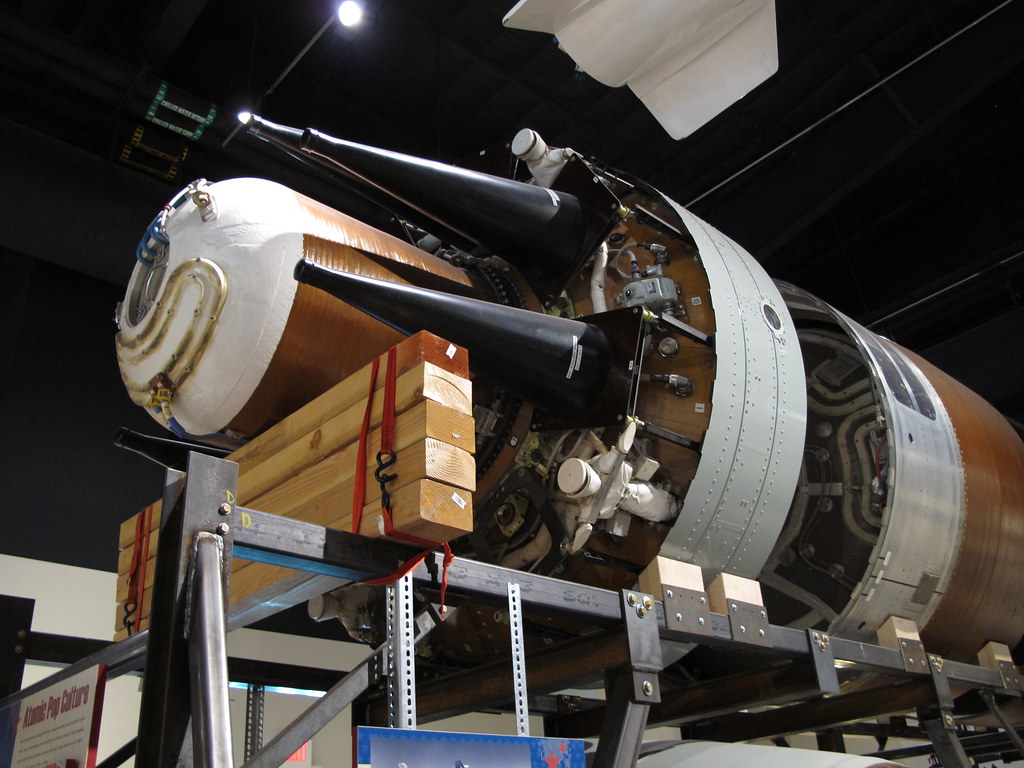
That engineering choice shifts the economics of defense. A defender may need to expend more interceptors per launch, keep more radars and command nodes resilient under saturation, and maintain higher readiness rates. It also widens the plausible target set: a single ballistic trajectory can translate into multiple impact points, increasing the burden on civil defense and infrastructure operators.
3. The warhead ambiguity is part of the message
Oreshnik’s classification as nuclear-capable has been repeatedly highlighted in reference coverage, alongside the point that observers cannot confirm whether a ballistic missile is carrying a nuclear or conventional payload before impact. That ambiguity is not a side effect; it is a property with strategic and operational consequences.

In practice, ambiguity can elevate risk for crisis managers and air-defense commanders, because the decision chain must assume worst-case possibilities under time pressure. It also affects alliance signaling: a conventional strike delivered by a platform associated with nuclear delivery can be interpreted as a rehearsal, a warning, or a stress test of response thresholds without requiring the attacker to cross into nuclear use.

4. Geography matters: a long-range strike near Poland alters regional risk perception
Reference reporting has tied the latest use to impacts in Ukraine’s west, including the Lviv region, placing the event close to the border of NATO-member Poland. Zelensky has also framed medium-range ballistic use as a shared concern for multiple European capitals, not only Kyiv. From an engineering-risk standpoint, proximity changes how infrastructure is protected. Logistics hubs, rail junctions, energy nodes, and cross-border corridors become part of a broader resilience calculation when a weapon’s reach and speed extend the threat envelope. The issue is less the line on a map than the system-of-systems reality: supply routes, repair capacity, and redundancy planning all become harder when high-speed strikes can arrive with minimal warning.
5. The alleged “residence attack” claim shows how technical narratives get weaponized
Russia has linked Oreshnik use to claims of an attempted strike on a Putin residence in the Novgorod region, a claim that Ukraine denies and that U.S. officials have said did not happen. Separate reference material has noted that analysts found no evidence to support claims that Ukrainian drones targeted such a residence, describing the allegation as lacking corroboration. For engineers and operators, the lesson sits in the interface between information and operations. A complex weapon’s debut rarely stands on performance alone; it arrives wrapped in justification, attribution, and counter-claims designed to shape what outside actors consider “reasonable.” In modern strike campaigns, narratives can function like enablers creating space for escalation, discouraging support, or pressuring negotiations while the hardware demonstrates capability.
Oreshnik’s significance, as described across the materials, is not limited to blast effects at a single site. The missile’s speed, payload architecture, and nuclear-capable ambiguity combine into a planning problem for air defense, infrastructure resilience, and alliance crisis managementZelensky’s message focused on that continuity: air defense as a standing requirement, not a surge response. In engineering terms, the debate becomes less about one weapon system and more about whether the supporting systems production capacity, delivery cadence, and integration can keep pace with the threat’s evolving design.


