
Hybrid pressure is increasingly treated as an engineering problem, not just a security one. A leaked German planning document, as described in multiple Western write-ups, places cyber operations, sabotage and influence campaigns inside a single escalation logic less “background noise,” more early-stage shaping of a battlefield that includes rail junctions, power substations, data links and fuel depots.
For infrastructure owners and the technical workforce that keeps Europe running, the significance is not the document’s politics. It is the design implication: resilience is being reframed from an IT discipline into a whole-of-system requirement spanning energy, transport, communications and logistics.

1. “Phase Zero” makes infrastructure the frontline before uniforms appear
German planners, as summarized by a confidential Operational Plan for Germany, treat hybrid measures as actions that “can fundamentally serve to prepare a military confrontation.” That framing aligns with the Institute for the Study of War’s description of covert attacks as a “Phase Zero” effort aimed at shaping informational and psychological conditions ahead of wider conflict. The engineering takeaway is straightforward: the early indicators may be anomalies in uptime, safety incidents, supply-chain integrity, and operator fatigue signals that look like routine risk until they cluster. In this model, critical infrastructure is not collateral; it is a target set used to degrade readiness and response capacity.

2. Germany’s role as a logistics hub changes the threat model for mundane assets
The leaked plan reportedly treats Germany as a transit corridor and operational base an attractive point of pressure because movement and sustainment rely on predictable nodes. That shifts attention to assets that normally sit outside “high security”: marshalling yards, dispatch software, depot transformers, bridge inspection schedules, and the contractors who keep them compliant.
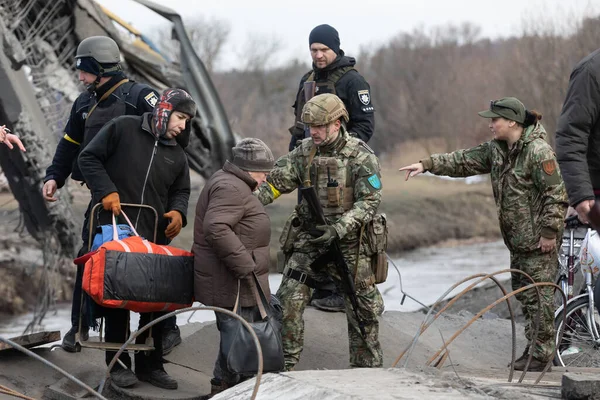
The plan’s logic also pushes civil-military coordination into the foreground, because a logistics state depends on private operators for rail, trucking, ports and telecom. Resilience planning becomes less about a single hardened site and more about maintaining throughput under disruption.

3. Sabotage trends point to transportation and utilities as repeat targets
A CSIS dataset described by the Irregular Warfare Initiative argues that the number of Russian-linked attacks in Europe nearly tripled between 2023 and 2024, with transportation and government targets each at roughly 27%, and critical infrastructure and industry each near 21%.
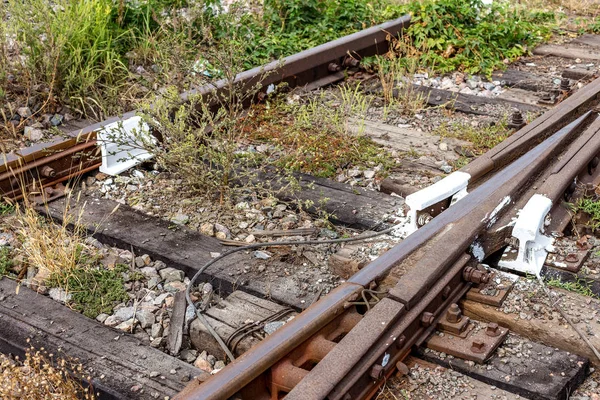
The relevance for engineers lies in the mix of tactics: physical damage, “gray” attribution, and operational friction that forces expensive inspections and rerouting. The same analysis highlights the use of proxies and cut-outs, which complicates incident classification and drives up the cost of response because forensics must cover both technical failure modes and malicious interference.
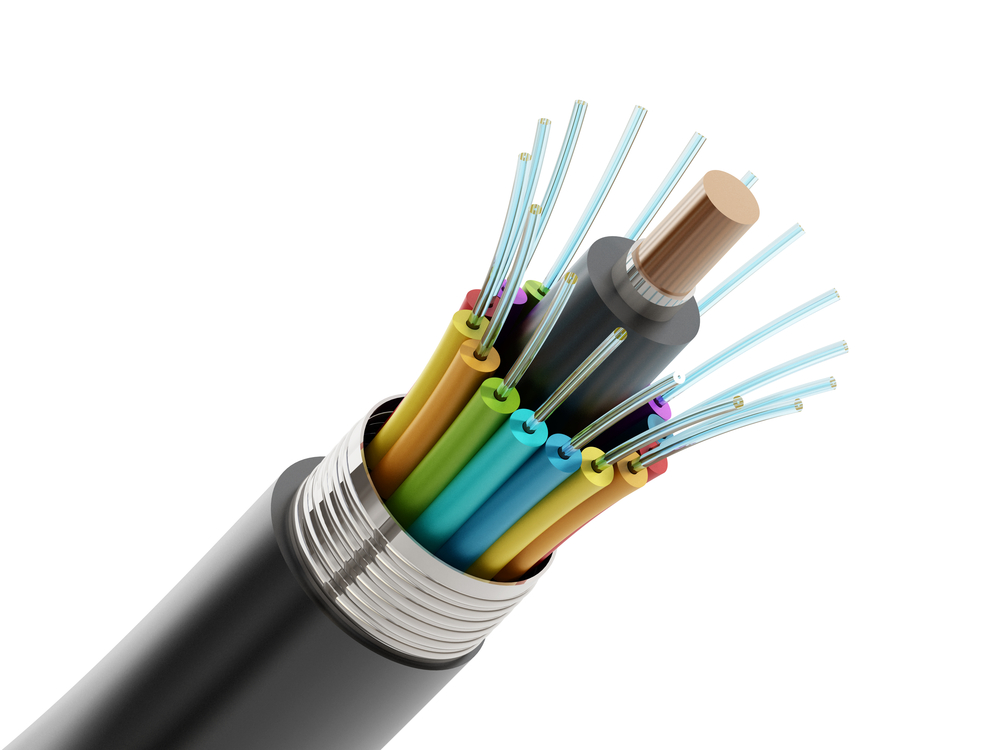
4. Undersea cables and “anchor accidents” expose how fragile connectivity really is
Modern Europe runs on fiber. The CSIS-linked discussion emphasizes how anchors used to cut undersea fiber-optic cables can create major disruption without specialized equipment, and notes that submarine cables carry roughly 95% of transatlantic data traffic. For infrastructure planners, this collapses the boundary between maritime safety and digital continuity.

Redundancy stops being a procurement line item and becomes a design doctrine: alternate routes, rapid repair contracting, spare capacity, and tested failover procedures that assume partial regional blackouts and degraded timing services.

5. Cyber defense is treated as continuous operations, not a crisis switch
NATO’s cyber doctrine explicitly treats cyberspace as contested “at all times,” and it notes that cumulative malicious activity could, in certain circumstances, be considered an armed attack on a case-by-case basis. The Alliance also points to institution-building such as the new NATO Integrated Cyber Defence Centre as a way to improve network protection and shared situational awareness. The engineering impact is procedural: monitoring, segmentation, patch management and incident support mechanisms must operate as routine production functions, not exceptional events. Cyber resilience becomes inseparable from operational technology safety and the reliability metrics regulators already track.
Across these threads, the leaked plan’s enduring contribution is not a timetable. It is a systems view: infrastructure is both capability and vulnerability, and modern coercion exploits the seams between public responsibility and private operations. For the engineers tasked with keeping lights on and trains moving, the practical consequence is that resilience now reads like readiness measured in redundancy, recovery time, and the ability to sustain service when disruptions look ordinary until they do not.


