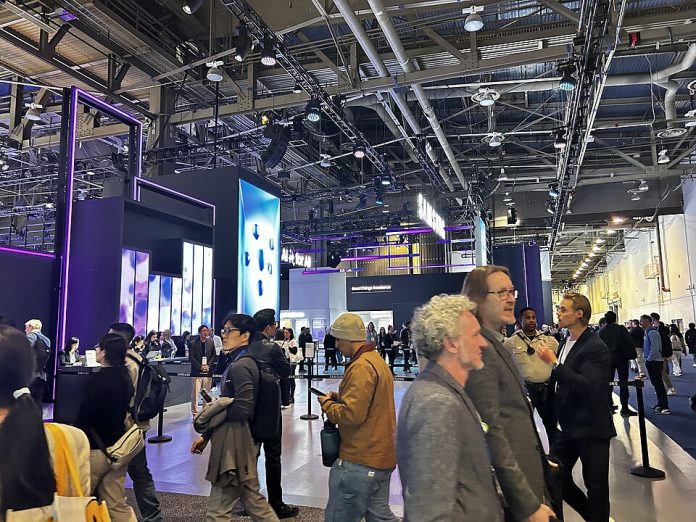
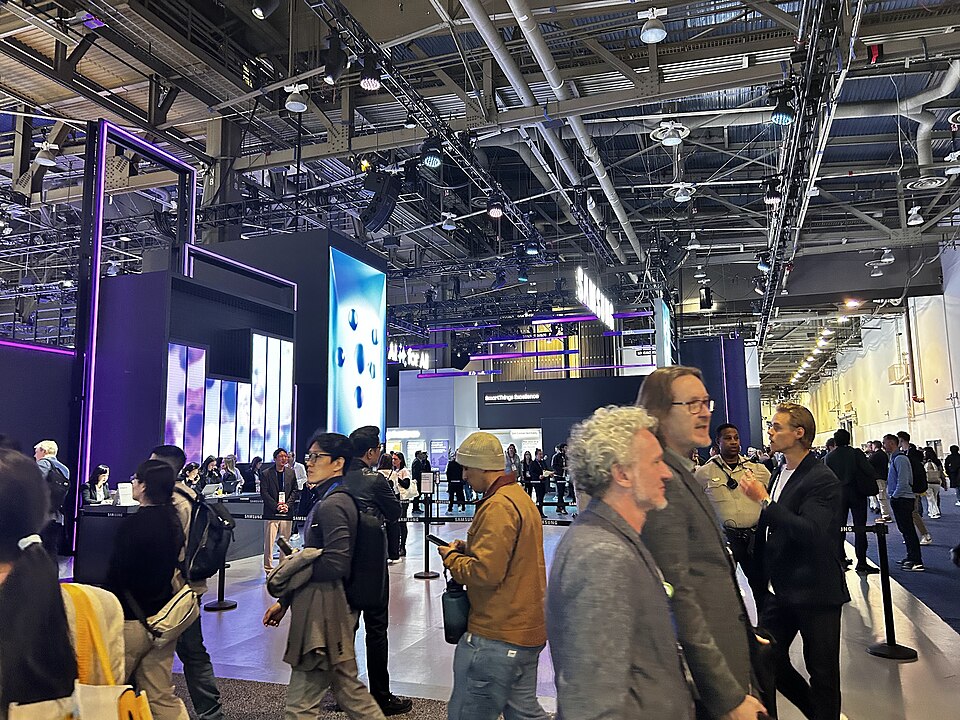
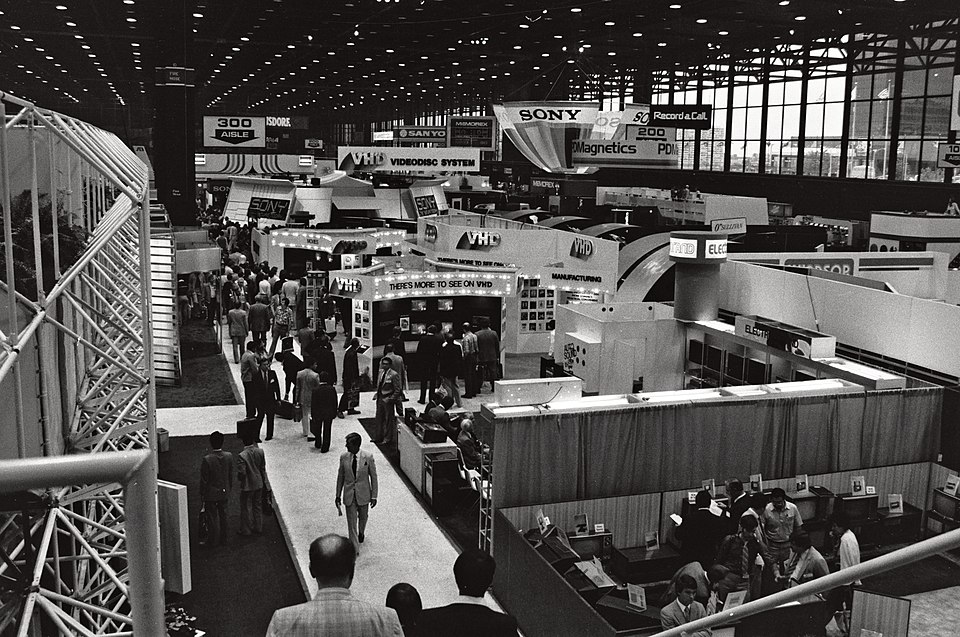
CES has always been a spectacle, but the most useful way to read it is as an engineering signal. The noise fades quickly; the underlying design decisions tend to persist for years. For the official Best of CES 2026 program, more than 40 journalists across multiple tech publications spent six and a half hours narrowing thousands of exhibits into 63 finalists across 22 categories, plus a Best Overall award, using eligibility rules that emphasize new concepts, problem-solving and measurable performance gains.
The process matters because it spotlights what teams could actually demonstrate on the floor, not just what they could render. Across those finalists (and the wider show), a handful of themes repeated with unusual consistency.
1. Physical AI steps out of the demo loop
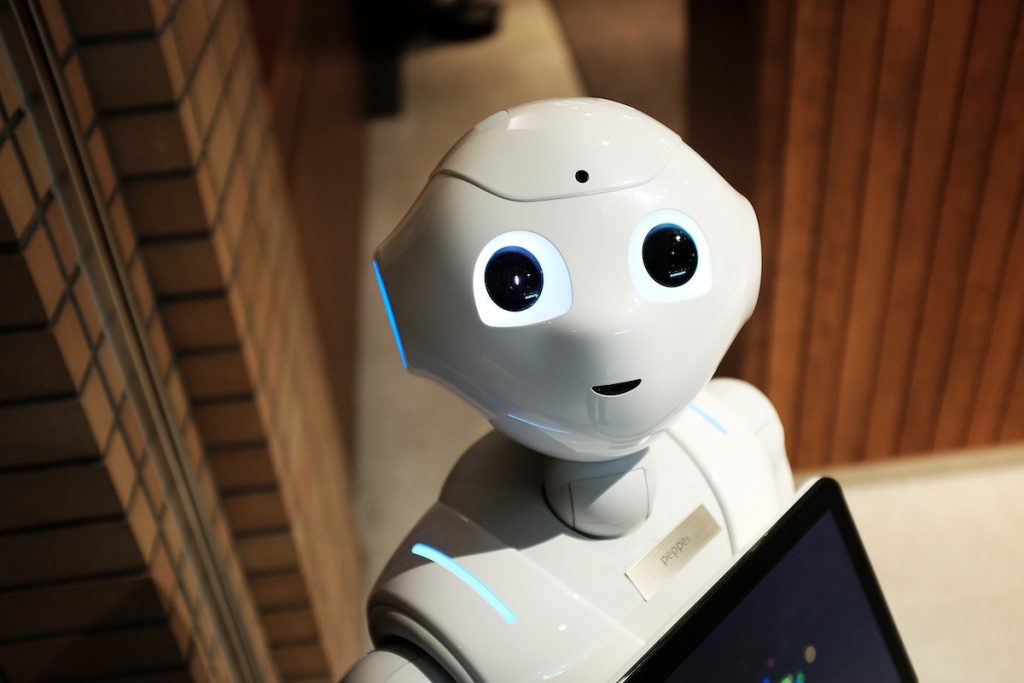
On the show floor, AI appeared less as a chat layer and more as a control system vision, sensing and actuation packaged into products meant to move through homes, factories and public spaces. The shift aligned with CES framing that “physical AI” designed to move, build and solve problems in real-world environments defined this year’s tone. In Best of CES finalist and winner lineups, the most legible examples weren’t humanoids on pedestals, but robots with jobs: stair-capable cleaning systems and autonomous outdoor maintenance platforms built around navigation stacks, terrain handling and docking automation.
2. Chips and “token economics” become consumer features
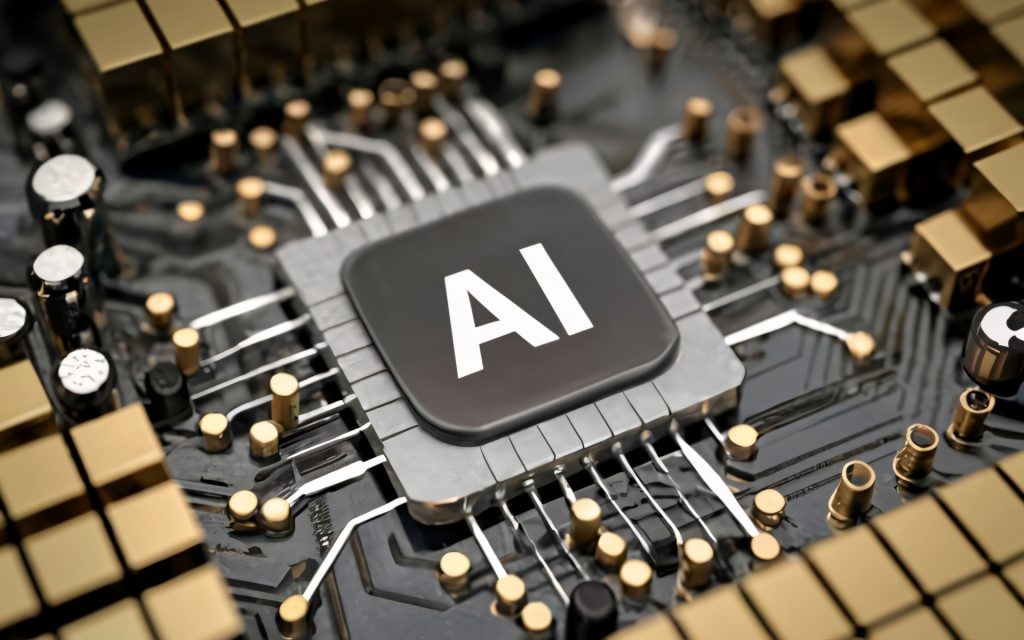
Deep computing was no longer only a datacenter conversation. Silicon announcements tied performance to the operating cost of AI itself particularly throughput and token processing efficiency because those metrics increasingly shape what AI functions can live locally on devices.
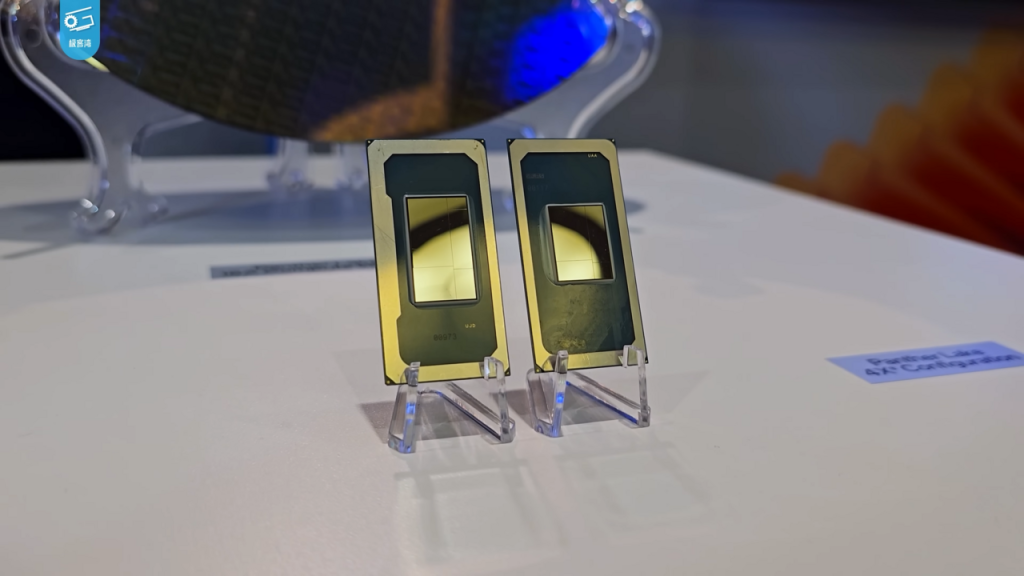
In the Best of CES Deep Computing category, Intel’s Core Ultra 300 “Panther Lake” won for integrated graphics gains aimed at mainstream laptops, while rival platforms emphasized NPUs and local AI capacity. That same push showed up in robotics demos, where vendors positioned compute as the enabling layer for perception and autonomy, not just faster apps.
3. The smart home becomes a systems-integration problem
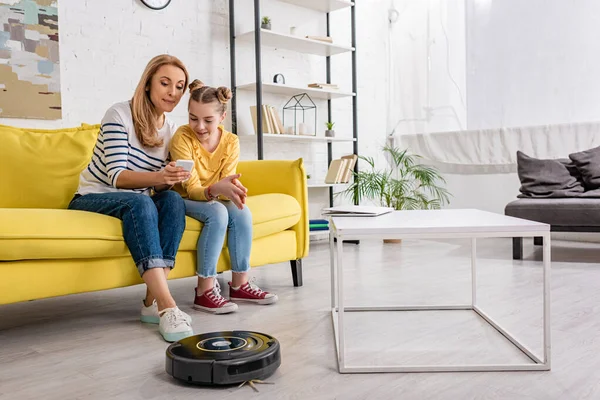
Smart home finalists leaned into reliability, sensing and power management rather than novelty. The Best Smart Home winner, Roborock’s Saros Rover, targeted a long-standing robotics edge case stairs using articulated legs to change floors without a human carry. Alongside it, concepts like remote power delivery for locks and modular cleaning attachments pointed to a new priority: fewer single-purpose gadgets and more interoperable subsystems that can be serviced, upgraded and monitored over time.
4. Display engineering pivots to RGB backlighting
TV innovation clustered around backlight architecture, especially RGB-based approaches that generate red, green and blue light at the source rather than filtering white light. The payoff is higher color purity and brightness headroom, but the manufacturing and calibration demands are steep. Show-floor attention centered on flagship implementations such as Samsung’s RGB Micro LED direction and Hisense’s RGB Mini-LED roadmap, while Best TV/Home Theater winners emphasized practical benefits: brightness increases, wireless connectivity options and burn-in mitigations designed to expand use cases beyond dark-room viewing.
5. “Nearly invisible” hardware becomes a real spec target
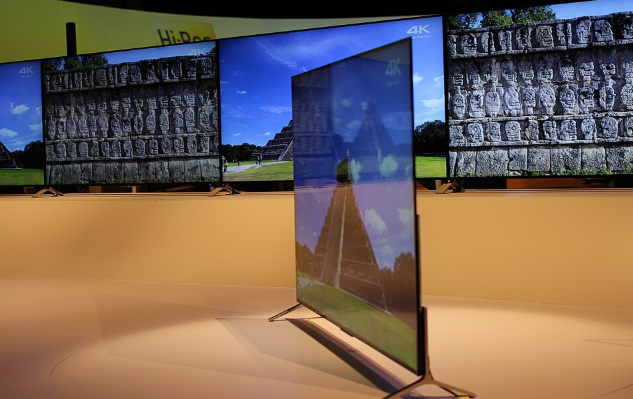
Ultra-thin industrial design returned as an engineering challenge rather than a lifestyle flourish. LG’s “wallpaper” W6 stood out for being 9mm deep while supporting a remote connectivity box that can sit up to 30 feet away, reducing cable constraints without turning the product into a fragile art piece. Elsewhere, thin audio components and compact sensing modules showed the same pattern: shrinking parts to unlock placements and form factors that were previously impractical.
6. Assistive tech advances through sensing, not “smartness” alone
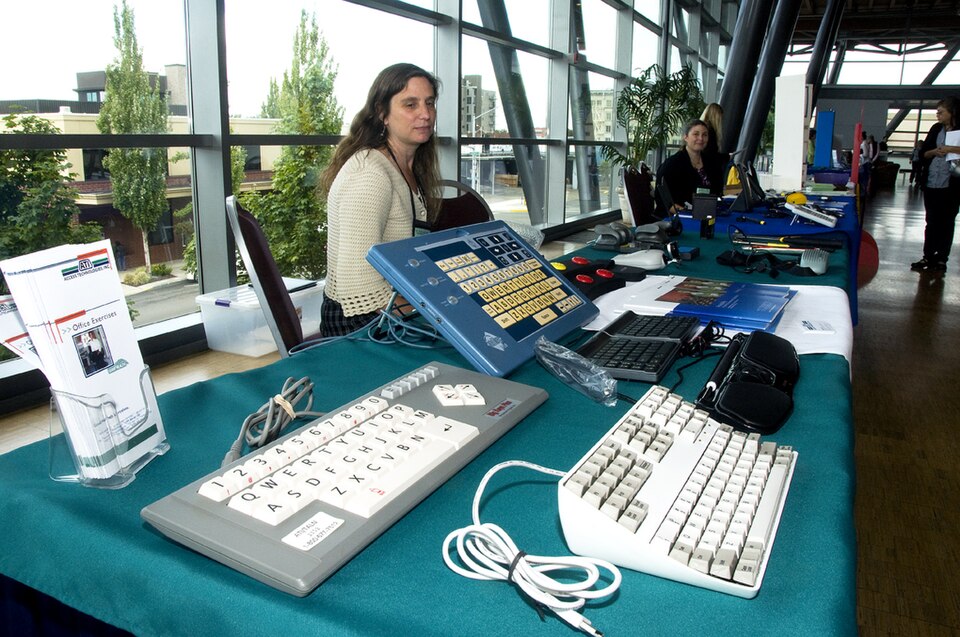
Accessibility and aging-in-place finalists underscored a quieter engineering truth: small sensing improvements often beat flashy interfaces. A radar-based stove shutoff that detects presence and reports anomalies to caregivers, and a realistic companion robot designed to respond with lifelike motion cues, both framed “help” as dependable detection and response loops. CES also highlighted an accessibility-focused stage presence, reinforcing that inclusive design is increasingly treated as a source of mainstream interaction breakthroughs rather than a separate category of gadgets.
7. Outdoor automation moves from novelty to maintenance infrastructure
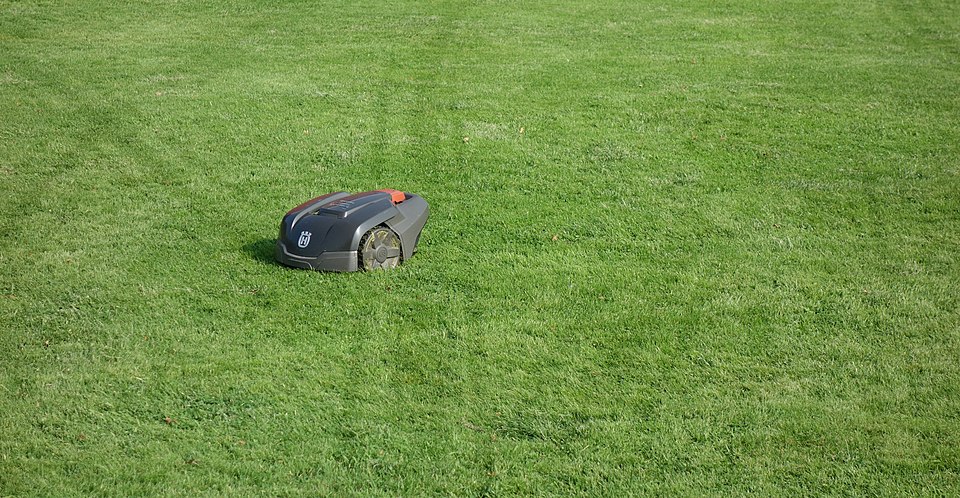
Robots left the living room and kept their engineering rigor. Beatbot’s AquaSense X ecosystem won Best Yard/Outdoor by automating the least pleasant step in pool cleaning emptying debris via a dock that self-cleans and disposes into a bagged bin. Robotic mowers pushed into steeper terrain handling, with examples like the Luba 3 AWD emphasizing slope capability and wire-free navigation enhanced by LiDAR and vision. The theme across finalists was operational uptime: docking, rinsing, obstacle handling and self-management.
8. Product judging elevates verification over spectacle
The Best of CES structure itself functioned as a filter for engineering maturity. Eligibility required that an entry be an official exhibitor and either introduce a compelling concept, solve a consumer problem, or set a new bar in performance or quality criteria echoed in official program descriptions such as “solve a major consumer problem”. With 23 total awards (including Best Overall) distributed across 22 categories, the expanded slate also signaled that the show’s most important progress is now spread across domains: compute, mobility, home infrastructure, health, and the edge devices that tie them together.
CES 2026’s most consistent message was practical: autonomy, display quality and device intelligence are being shaped by measurable constraints power, cost, thermal envelopes, manufacturability and serviceability. For engineering-minded readers, that makes the finalists more than a gadget list. They read like a map of where product teams found enough real-world traction to demonstrate, defend and repeat.


