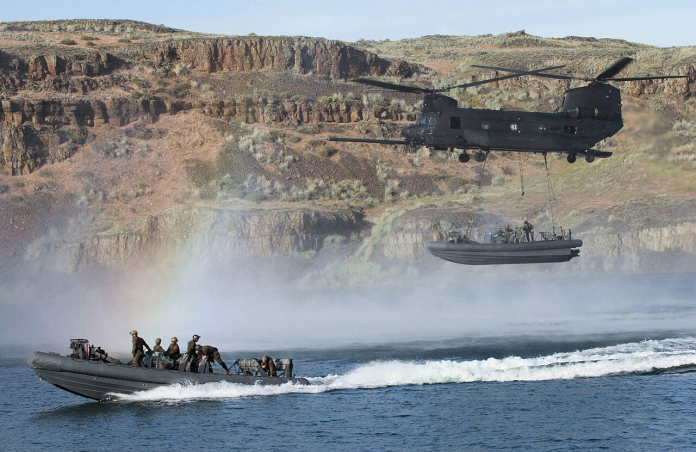
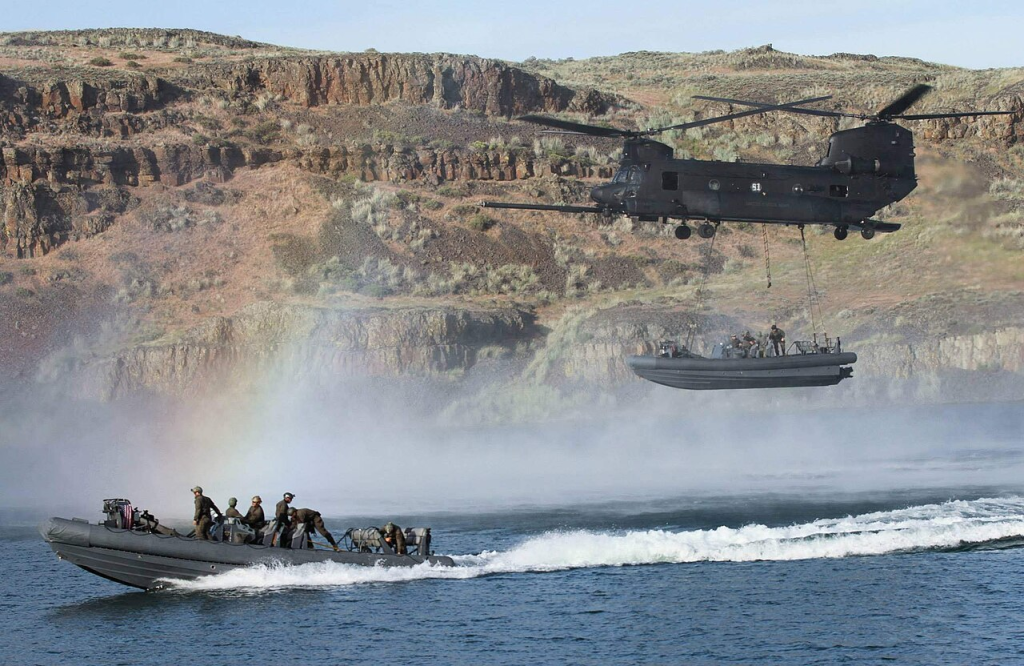
Four aircraft types sit at the core of how the U.S. Army’s 160th Special Operations Aviation Regiment (Airborne) moves assault forces into places where speed, darkness, and tight landing geometry matter more than raw numbers. The regiment’s reputation rests on an ecosystem: small helicopters that can “stick” a landing almost anywhere, medium-lift ships that can flex between transport and gunship roles, and heavy-lift platforms that stretch reach and payload without surrendering night-and-weather access.
That mix explains why the Night Stalkers are repeatedly linked to complex, short-notice missions in dense urban terrain. The details of any single operation can remain opaque, but the aircraft and the mission logic behind them are not.
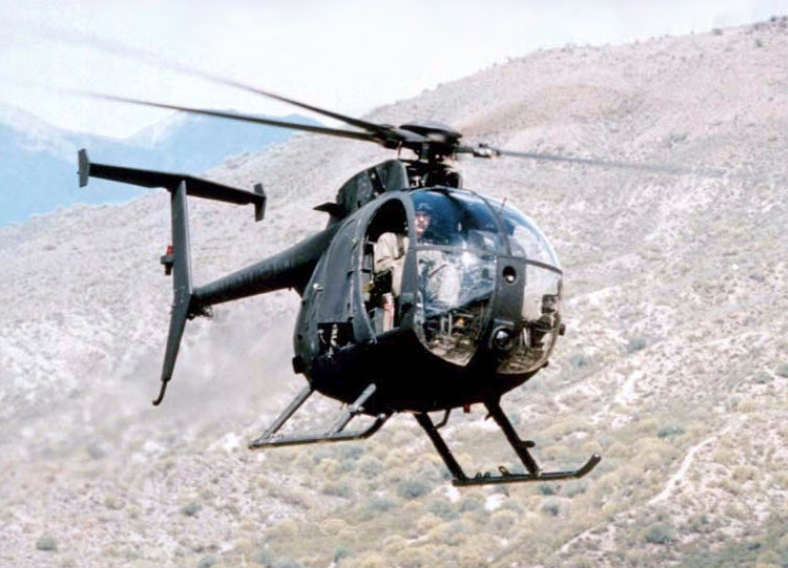
1. MH-6 Little Bird: Rooftop-and-Alley Access
The MH-6’s job is simple: put a small team exactly where a larger helicopter cannot. The airframe’s compact size and agility make it well suited for insertions onto rooftops or narrow roadways, a niche so specific it has become the platform’s signature. A commonly cited configuration carries commandos on external bench seats, trading comfort for speed and the ability to step directly onto target-adjacent surfaces.
Publicly available specifications underline why it remains useful for “short hop” precision work: maximum speed around 152 knots and range on the order of 232 nautical miles are sufficient when the broader package tankers, command-and-control, and supporting aircraft handles the long-haul enabling. More detail on baseline performance appears in 152 knots maximum speed data.
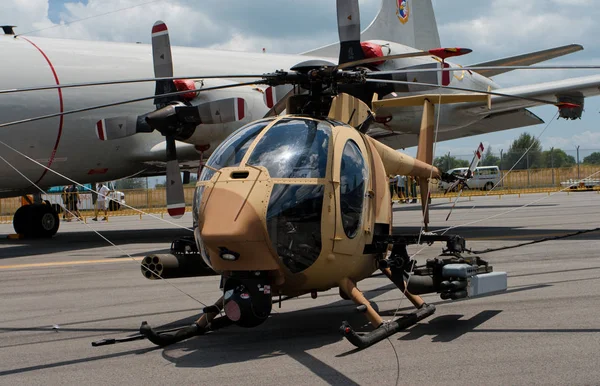
2. AH-6: A Small Gunship that Stays Close
Where the MH-6 delivers people, the AH-6 is built to keep them alive during the most vulnerable minutes of a raid. Its value is not standoff firepower; it is proximity. The airframe can work tight orbits over streets and compounds, bringing direct fire, rockets, and precision missiles to bear in spaces that punish larger platforms.
Loadouts vary, but the pattern is consistent: a lightweight helicopter carrying a heavy punch for its size miniguns, larger-caliber guns, rockets, and Hellfire-class missiles. The same public equipment listing that covers the Little Bird family includes examples such as AGM-114 Hellfire options, illustrating how “small” does not mean “lightly armed” in special operations aviation.
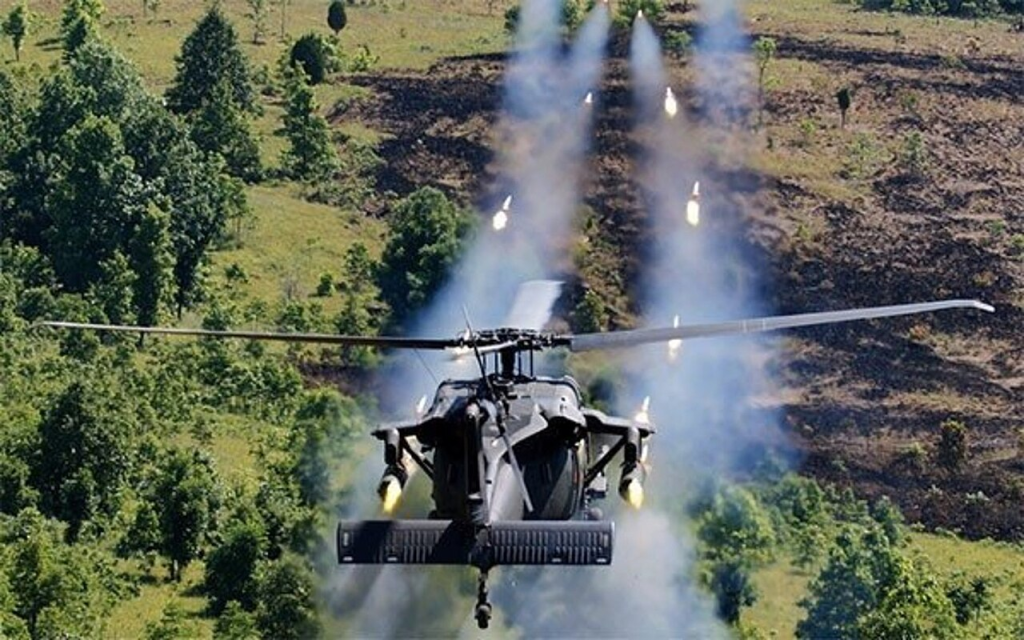
3. MH-60M (and DAP kits): One Airframe, Two Personalities
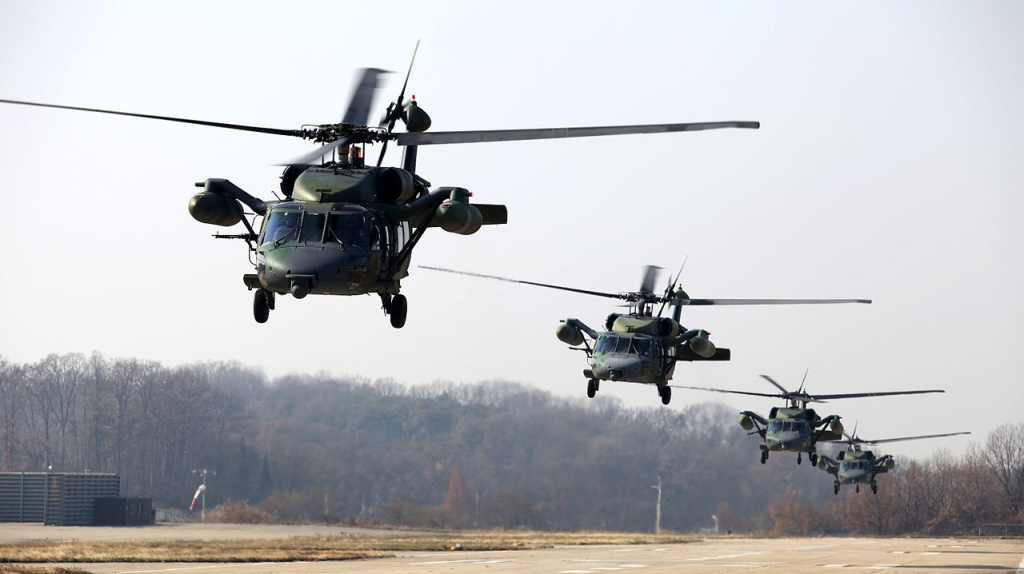
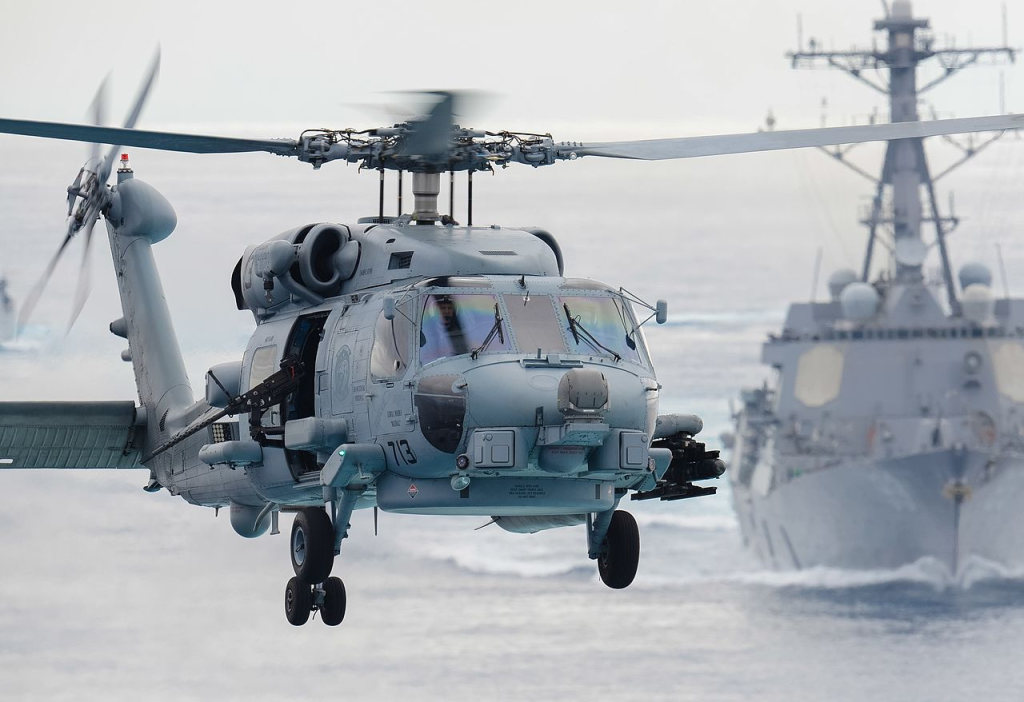
The MH-60 family supplies the middle of the formation: enough cabin volume for an assault element, with the avionics and pilot aids to fly extremely low at night and in poor weather. What separates the Night Stalkers’ version from conventional utility helicopters is how readily it can be configured for different roles without changing fleets.
The Direct Action Penetrator approach pushes that flexibility further adding stub wings and a weapons suite so the same basic helicopter can escort, suppress, and then revert to transport on short timelines. In the DAP configuration, commonly discussed weapons include 70mm rockets and missiles, with systems intended for close-in strafing and precision engagement. The type’s ability to shift roles quickly is central to why the platform remains a workhorse for high-risk insertions.
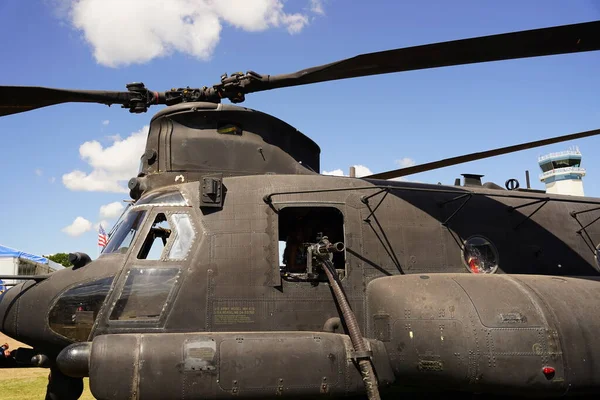
4. MH-47G Chinook: Range, Payload, and Mission Endurance
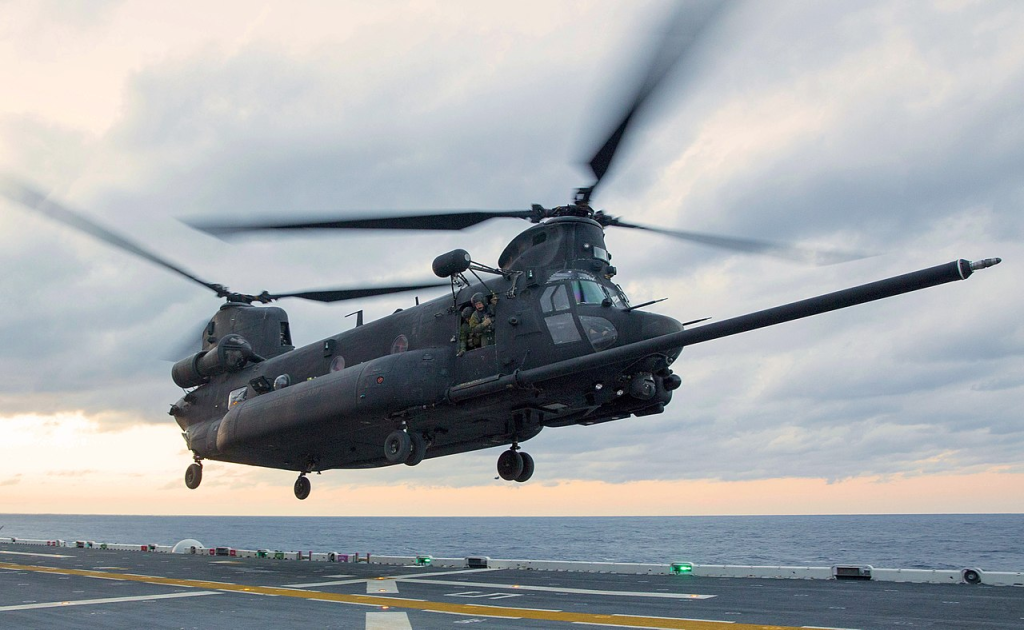
The heavy-lift option is about scale: more operators, more equipment, and more fuel without abandoning the low-level/night profile that defines special operations aviation. The MH-47G integrates long-range fuel tanks and an extendable refueling probe, pairing payload with reach in a way that changes mission geometry fewer intermediate landing zones, fewer ground logistics requirements, and more options for alternate extraction points.
Open specifications show why it is often described as the long-legged hauler of the package: maximum gross weight around 24,494kg and useful load around 11,340kg, with avionics designed for day/night and adverse-weather navigation. The platform’s special operations fit is closely tied to its probe-and-tank design and cockpit architecture, including the extendable refuelling probe and integrated sensors.
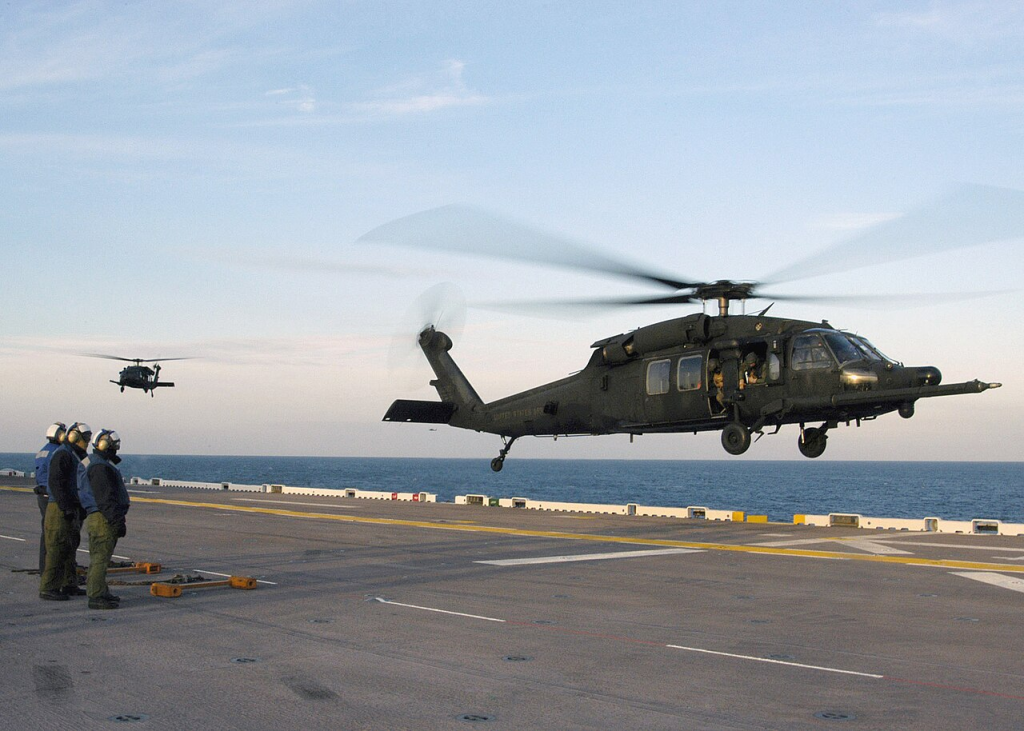
5. Why a Dedicated Regiment Exists at All: Failure-Driven Engineering
The Night Stalkers’ origin story is less about heroics than systems engineering under pressure. After the 1980 Iran hostage rescue attempt failed at Desert One, the U.S. military’s own reviews emphasized interoperability gaps, mismatched procedures, and the risks of assembling ad hoc aviation teams for exceptionally complex missions. The institutional response was to build a purpose-trained aviation organization for special operations: common tactics, common standards, and aircraft configured for the night-and-low-level problem set.
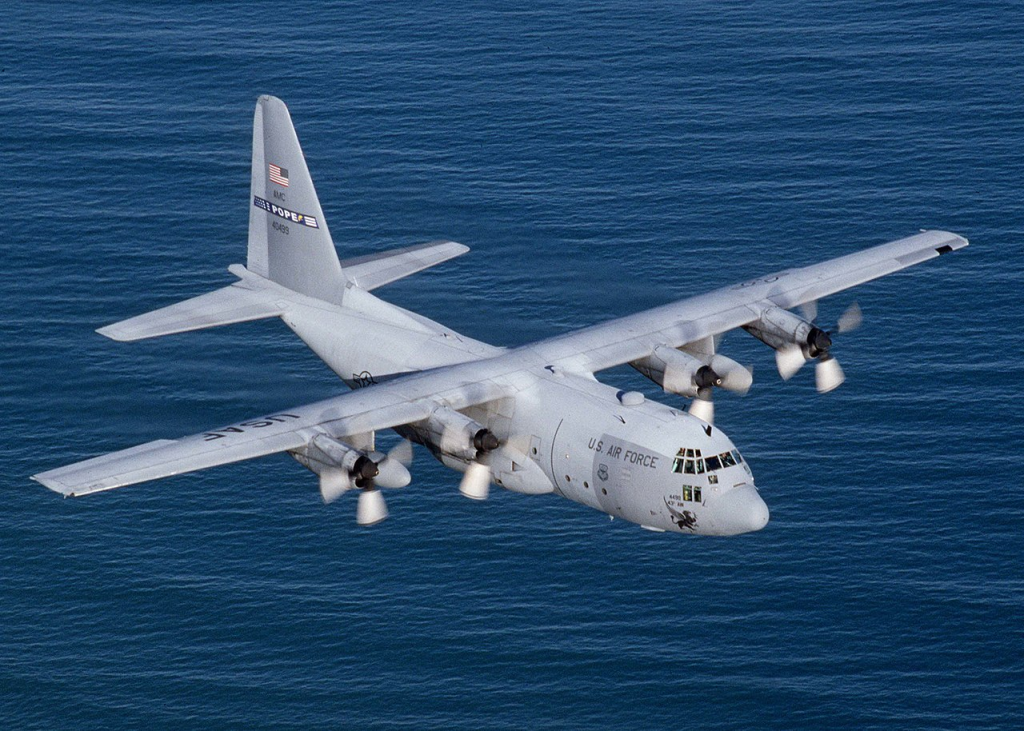
That impulse turning hard lessons into specialized capability also explains why the regiment invests so heavily in training pipelines and tight crew integration. The point is not just to fly well; it is to make an entire insertion-and-extraction “machine” predictable under stress. A condensed overview of the Desert One failure and its implications appears in an official-style summary describing the collision between an RH-53D and a C-130 during the abort sequence.
6. The Stealth Thread: Shaping, Materials, and The Penalties
Special operations aviation’s most persistent engineering tension is signature reduction versus flight performance. Long before the public saw modified Black Hawks associated with the 2011 Abbottabad raid, concept work existed on reshaping an H-60 to reduce radar cross section. The basic trade study logic remains relevant: shaping and coatings can add drag, weight, and stability penalties that crews must manage in the hover and during low-speed maneuvering.
One widely circulated passage from Sean Naylor’s Relentless Strike, repeated in later technical analysis, captures how operators framed that tradeoff in plain language: “The additional material that made the helicopters invisible to radar also added weight and made them difficult to fly.” The quote is useful less as history than as a standing reminder that “stealth” in rotary-wing terms is rarely free.
Read together, these aircraft illustrate a single concept: special operations aviation succeeds by packaging complementary tools, not by betting everything on one platform. The Little Bird family solves the geometry problem, the MH-60 family solves the adaptable “do more with one tail number” problem, and the MH-47G solves the distance-and-mass problem. That portfolio approach is the Night Stalkers’ real signature and the reason their behind-the-scenes engineering decisions matter as much as their flying.


