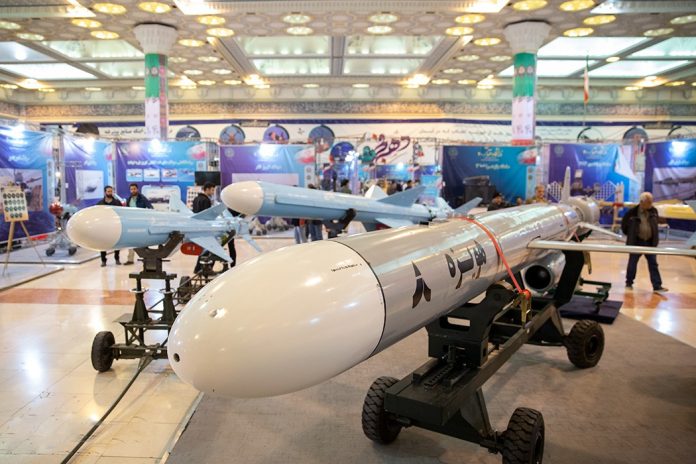
Some cruise missiles are engineered in clean rooms. Others are engineered in a hurry, from whatever can be found, rebuilt, and made to work. Ukraine’s Flamingo sits firmly in the second category and that is the point.
What draws attention is not only what Flamingo reportedly does on paper, but how its design choices line up with the defense-industrial reality now shaping long-range strike: limited inventories, stretched air defenses, and the growing premium on munitions that can be produced in volume.
1. More reach paired with a heavier punch
The headline claim around Flamingo is a range of over 3,000 kilometers paired with a 1,150-kilogram payload, a combination that pushes it into a different class than many legacy cruise missiles. For comparison, Tomahawk is widely described with a range of up to 1,600km and a significantly lighter warhead load. The practical implication is target geography: more sites fall inside Flamingo’s radius, and more aimpoints can be serviced with fewer “perfect hits” because the warhead mass can compensate for less-than-surgical accuracy.
2. “Junkyard” inputs that favor scale over elegance
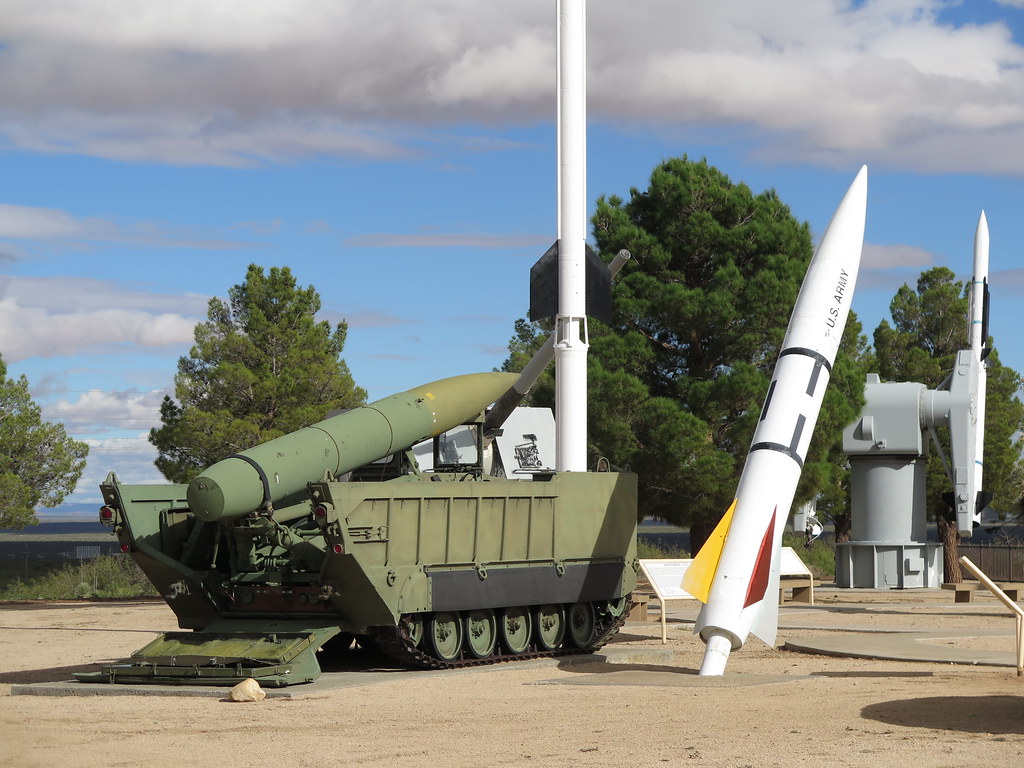
Fire Point’s approach is built around availability: refurbished engines, surplus bomb bodies, and composite structures that can be fabricated without a boutique supply chain. Fire Point CTO Iryna Terekh said, “We found these engines literally ‘in the dump’ and restored them,” a line that captures the underlying production logic use what exists, then industrialize the rebuild process.
3. Manufacturing tempo treated as a weapon feature
Fire Point has described output at roughly one to two missiles per day with an ambition of seven per day by early 2026, and a unit cost around $500,000 per missile. Those numbers matter less as a scoreboard and more as a signal that Flamingo is being framed as a sustainment munition, not a scarce “silver bullet.” In the same broader direction, the U.S. is explicitly exploring mass affordability in missiles through efforts that include plans for more than 3,000 cruise missiles under an “affordable mass” construct an indicator that the production problem is now central, not secondary.
4. A warhead menu built around what is already stockpiled
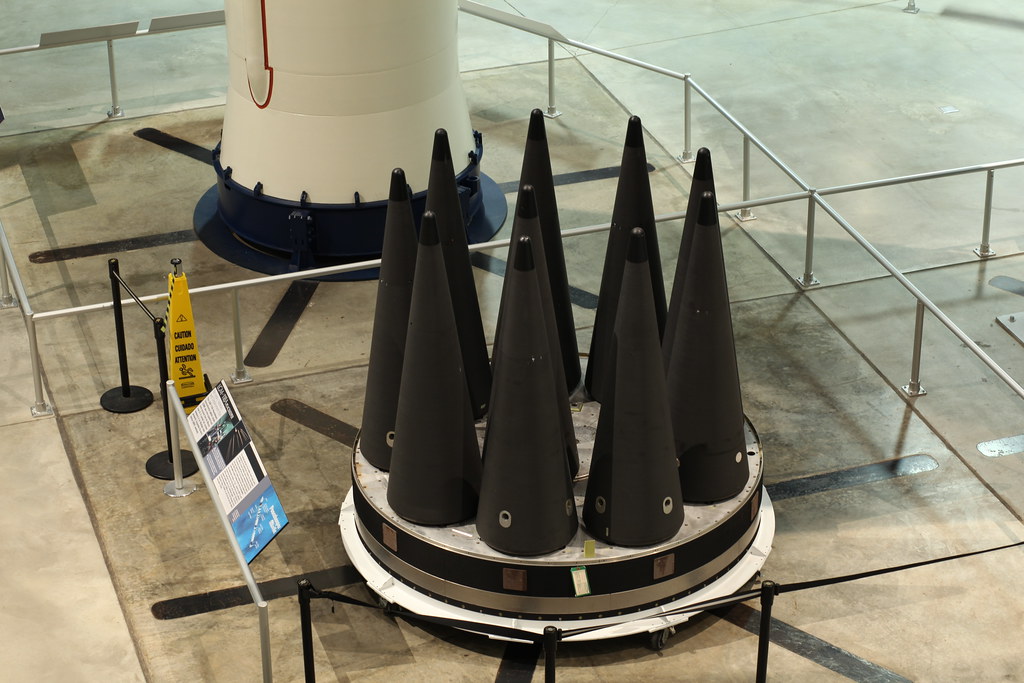
Flamingo’s reported payload flexibility is tied to a simple advantage: Ukraine inherited large inventories of Soviet-era munitions that can be repurposed. The program has been associated with using FAB-series bombs as donor warheads, and Fire Point has also discussed future options, including different payload types for different target sets. That modular instinct parallels newer Western work on small, adaptable cruise-missile-like systems such as the Wolf family of “launched effects”, even if Flamingo sits at the heavier end of the spectrum.

5. Survivability through low-altitude routing and mundane launch signatures
Flamingo is described as flying below 50 meters, exploiting terrain masking and radar horizon limits that complicate detection and engagement timelines.
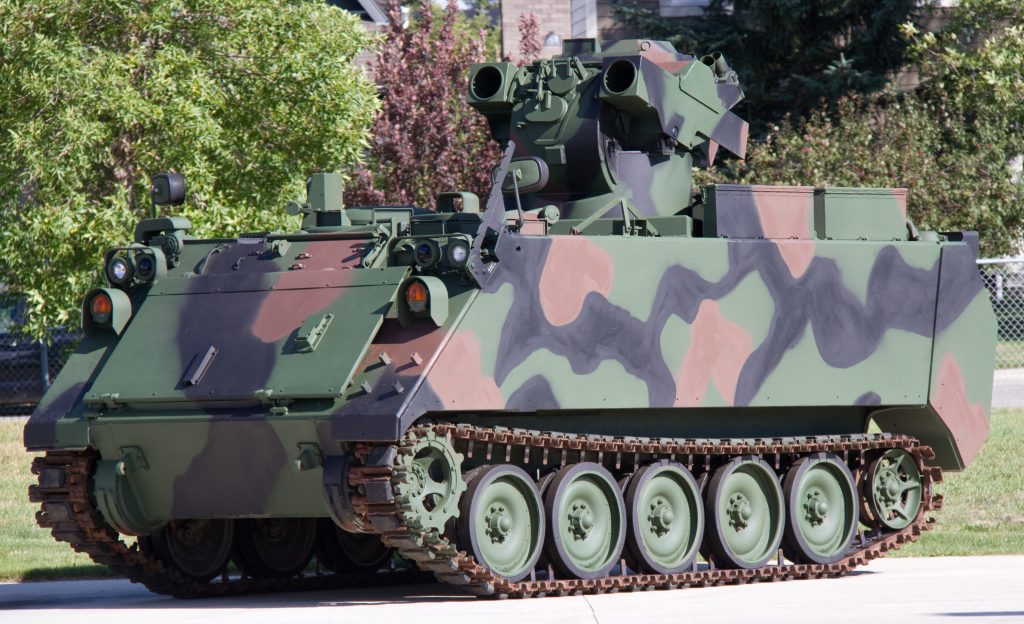
Just as consequential is the reported launch concept: concealed in civilian-looking trucks, reducing the telltale “military footprint” that normally makes launch units high-priority targets. Terekh emphasized that “you will never be able to distinguish among trucks on the road whether there is a Flamingo missile inside or not,” pointing to operational security as a design requirement, not a afterthought.
6. A strategic problem for defenders: too many aimpoints, not enough coverage
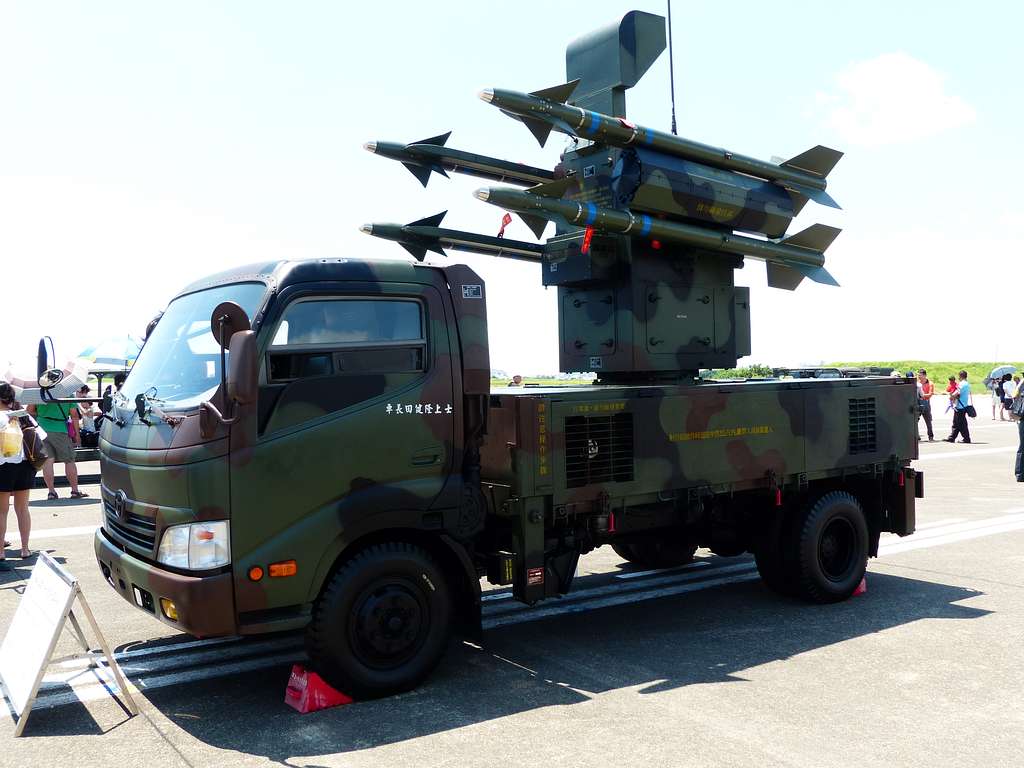
Long-range strike reshapes air defense math by expanding the defended set beyond what a layered network can realistically cover. Anders Puck Nielsen said, “the number of potential targets is impossible for Russia to guard sufficiently,” describing an effect familiar to planners: even a missile that is not “stealth-first” can become oppressive if it forces dispersal, constant alert, and expensive interceptor expenditure across a widened map.
7. A shift toward indigenous long-range strike as a policy lever
Flamingo’s biggest engineering consequence may be institutional rather than aerodynamic: it supports a deeper move toward domestic strike capacity. Ukrainian intelligence chief Kyrylo Budanov said, “Ninety-nine percent of the recent strikes… were executed using locally produced systems,” a claim that regardless of exact attribution by munition type underscores the intent to reduce dependence on externally supplied long-range weapons and the constraints attached to them.
Flamingo is being discussed alongside Tomahawk because both occupy the same conceptual lane: long-range, terrain-hugging, precision-guided strike. The difference is that Flamingo’s story is inseparable from its manufacturing thesis buildable, repairable, and expandable under pressure. That combination of reach, payload, and production posture is what makes the program resonate well beyond Ukraine: it reflects where cruise missile design is headed when stockpiles, not brochures, become the limiting factor.


