
How does one operation trigger both diplomatic alarms and a focused discussion about missiles, drones, and infrastructure control?
Public reactions to the U.S. action in Venezuela have varied from strong condemnation to cautious calls for restraint. Many governments have stressed the importance of international law and citizen protection. However, a parallel story has emerged regarding how the operation was carried out and what it means for power dynamics in the region.
This editorial breaks the moment into specific themes related to engineering and operations. It explores what readers can glean about platforms, payloads, logistics, and infrastructure concerns, without treating diplomatic statements like a constant update.
1. Covert strike signatures: what missile fragments can (and can’t) tell engineers
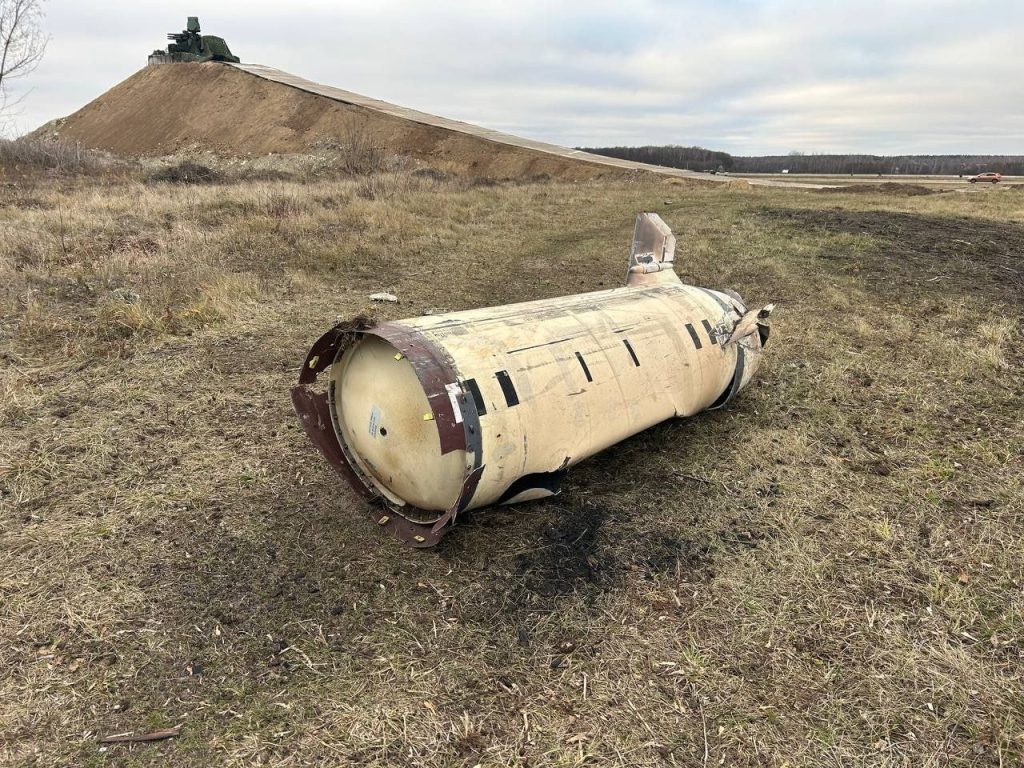
Imagery from Venezuela’s far northwestern Alta Guajira region has focused on physical evidence rather than official reports. Descriptions of recovered fragments pointed to markings consistent with AGM-114 Hellfire or AGM-179A JAGM, two types of air-to-ground weapons often linked to drone strikes. From an engineering perspective, fragments rarely provide complete confirmation of a strike’s success on their own. Nevertheless, the “WARNING” and “52.0” tail-section markings, along with the known mass of ~52 kg (115 lb) for JAGM, are the types of labels that stay intact even after detonation. These details help narrow down identification. This is important because selecting a weapon reveals constraints: guidance methods, stand-off distances, collateral control expectations, and the integration needed to hit specific target types accurately. JAGM’s key advancement over baseline Hellfire variants is its dual-mode seeker (laser plus millimeter-wave radar). This design choice emphasizes flexibility in challenging conditions more than raw accuracy, since both are precise. In situations where planners expect uncertain visibility, complex backgrounds, or tight decision times, seeker diversity reduces reliance on any one sensing method.
2. MQ-9 loadouts and the balance between endurance and firepower
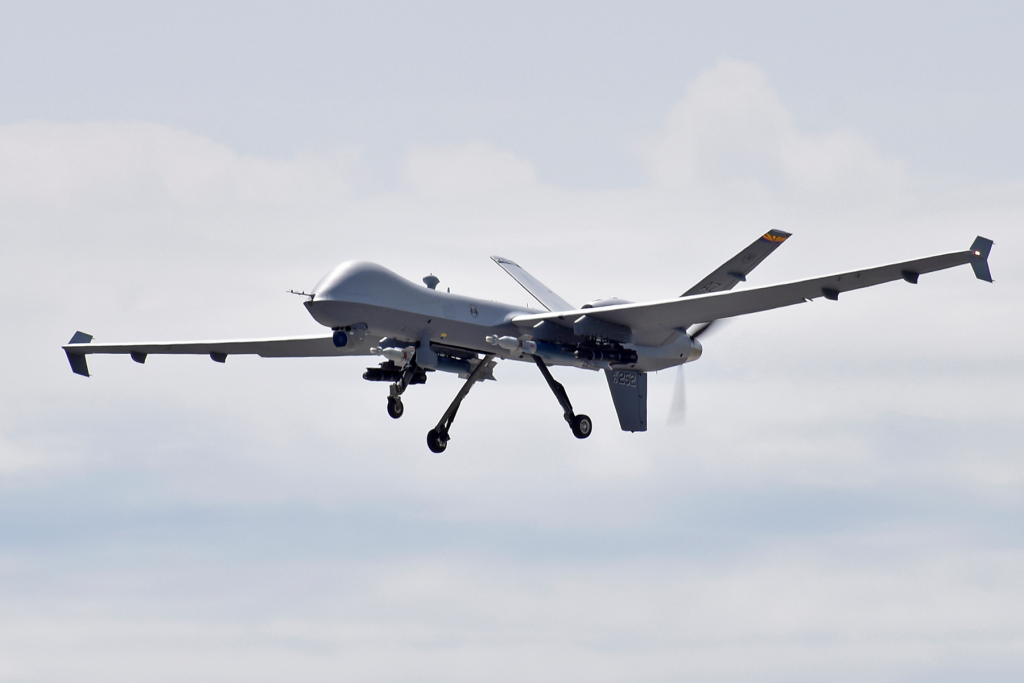
One revealing aspect of operations has been the focus on MQ-9 Reaper flights from Puerto Rico since September 2025. Spotters have noted heavier weapon loads over time. The importance lies not in having “more missiles,” but in understanding the engineering choices: adding weapons changes endurance, climb capability, and loiter patterns but this can be acceptable if the mission prioritizes persistence over maximum range. In the Caribbean and nearby areas, a Reaper’s strength is its long dwell time and ability to threaten a target set without the immediate visibility of fast jets. When paired with small, precise missiles, it provides a use-of-force option that ranges between surveillance-only missions and significant, visible strike operations. Reports indicate that the U.S. military has not officially confirmed JAGM’s integration on MQ-9, even though it is planned. This distinction is important for readers following modernization efforts. Integrating a new missile involves more than just attaching it to the aircraft; it requires software updates for stores management, weapon deployment parameters, guidance systems, and testing across various conditions. Even if two weapons appear interchangeable under a wing, the avionics process can be a significant challenge.
3. Ports, docks, and the unique engineering complexities of infrastructure targets
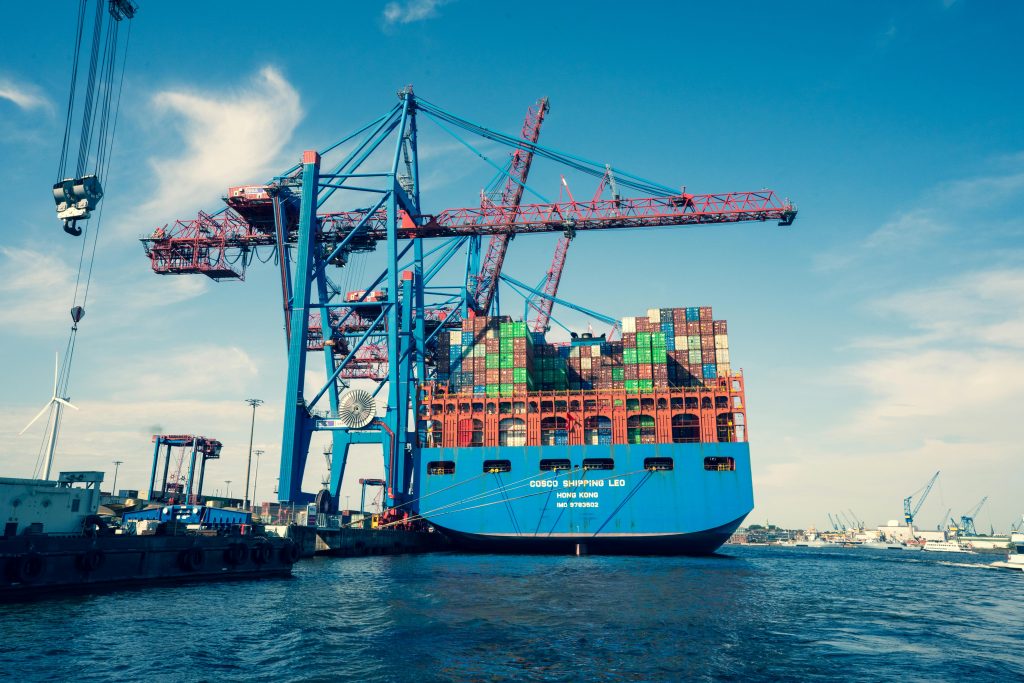
References to a target labeled as a “port facility” or “dock” shift the technical discussion away from simple targets like a single vehicle. Port infrastructure involves comprehensive systems engineering, including power distribution, fueling, cranes, access roads, shoreline configurations, and chokepoints essential for operations. This is why strikes on infrastructure tend to have significant secondary effects compared to the physical size of the damage. Disabling a loading point may involve less destruction and more disruption, leading to reroutes and inspection delays. For maritime logistics, the difference between a functioning berth and a compromised one can lead to schedule instability, idle equipment, and excessive wear on alternative routes not built for constant loads. Munitions choice also indicates intent: penetrating effects, delayed fusing, and selected aim points can be adjusted to disable functionality without leveling an entire area. Readers curious about modern strikes should focus on which subsystems fail power, cranes, storage, access and watch for quick repair actions, such as temporary generators and modular bridges.
4. Electronic support aircraft and the practical limits of air defenses
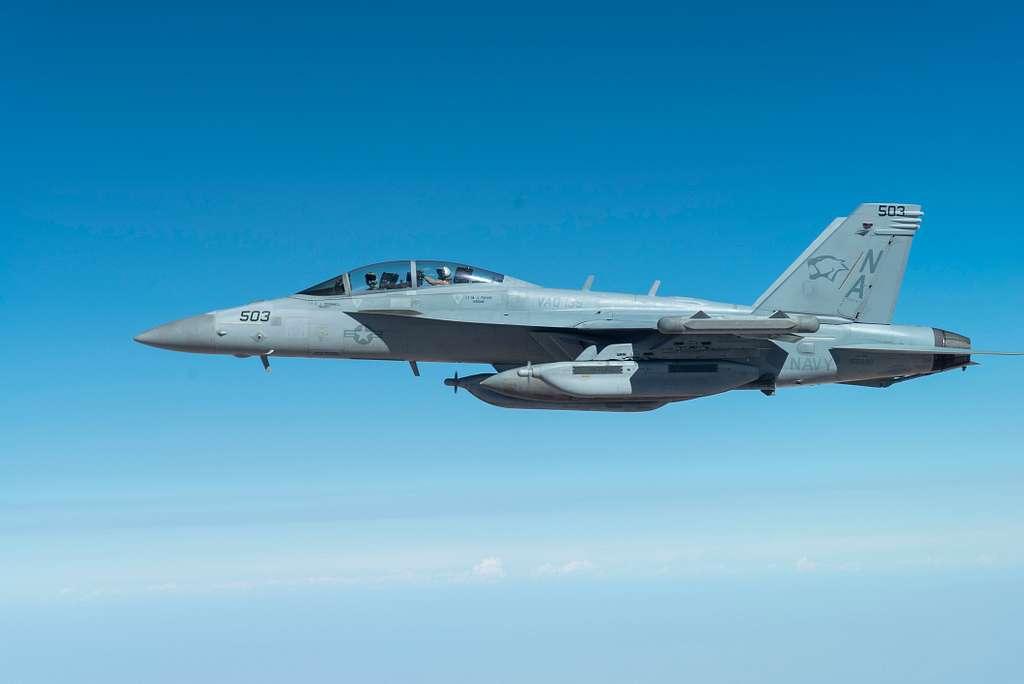
References to the availability of specialized aircraft, such as EA-18G Growlers and EC-130H Compass Call, raise an ongoing question: how often does electronic warfare affect mission feasibility? In modern missions, electronic support can enhance low-profile platforms, making them harder to detect or engage. When a country’s air defense network has limited sensor coverage or readiness, electronic attacks focus less on overcoming a strong system and more on creating larger safety margins for the strike package. This approach also reduces the chance that defenders receive clear data from their sensors, affecting their response times and confidence in attribution. For engineers, this highlights that “air defense” is a complex system, not a simple unit. Radar performance is only as effective as data fusion, command structures, and missile stock levels. The outcome often hinges on the transitions between sensors, delays in authorization to engage, or gaps due to terrain and coastal obstacles.
5. Counter-narcotics strikes and the mix of platforms: drones, gunships, and targeting discipline
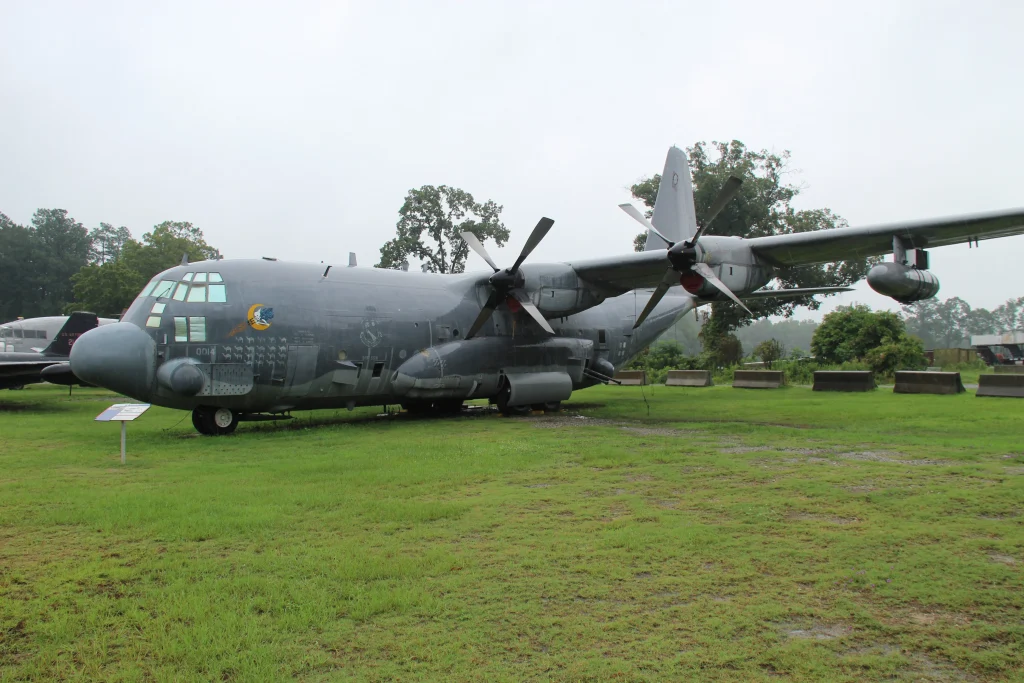
In conjunction with the operation in Venezuela, U.S. Southern Command has shared footage of attacks against maritime targets identified as drug-smuggling vessels. This campaign involves various platforms, including drones and aircraft equipped to identify small crafts from a distance. Reports noted AC-130J involvement and increased attack rates since September 2025. From an engineering standpoint, stopping small boats is deceptively challenging. Factors like sea conditions, wake patterns, thermal interference, and risks of misidentification increase with distance and time. The engineering advantage comes from combined sensing EO/IR, radar, signal cues along with stable tracking algorithms that maintain target locks as boats move or blend into coastal clutter. For these operations, the main goal is not “maximum firepower,” but effective target identification and proportional engagement options. A mission that can shift from monitoring to disabling fire relies on reliable communications, appropriate weapon choices for small crafts, and strict guidelines to ensure sensors do not become the weak link in a lethal sequence.
6. Oil infrastructure: refurbishment timelines and slow engineering bottlenecks
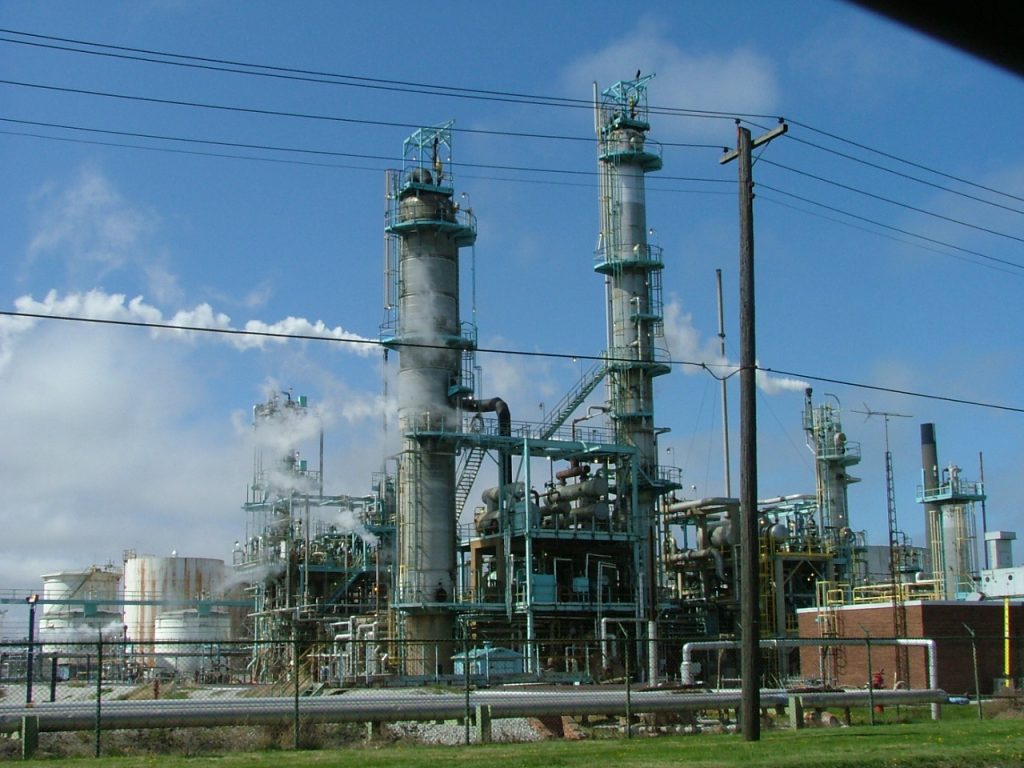
U.S. officials have repeatedly highlighted Venezuela’s oil potential and the idea of outside companies repairing deteriorated infrastructure. Regardless of the politics, the engineering situation is clear: oil production is limited by physical assets wells, gathering systems, pipelines, compressors, storage, power, and export terminals. These assets degrade in ways that cannot be fixed simply by announcing it. Refurbishment efforts, when undertaken, involve supply-chain management and reliability programs. They require inspection processes (for corrosion, fatigue, electrical safety), availability of parts for older equipment, and skilled labor that can operate safely at scale.
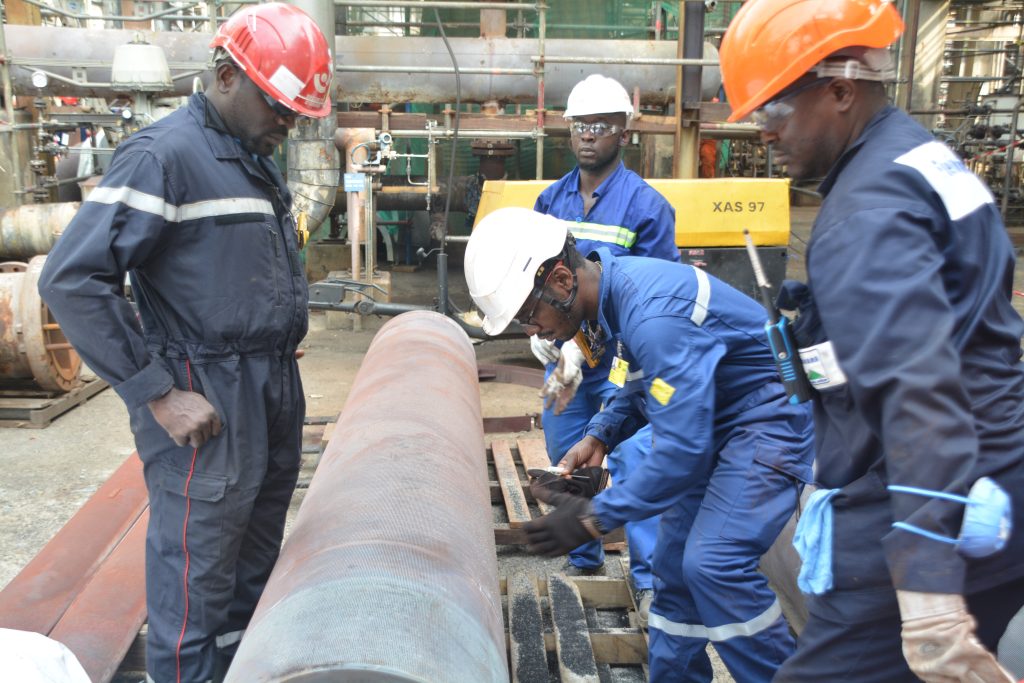
Even basic recovery relies on stable power and functional instruments; more ambitious repairs need long lead times, clear contracts, and maintenance discipline, which usually deteriorates during prolonged disruptions. In this context, “largest reserves” isn’t a practical measure; consistent output is what matters. Engineers and industry experts look for indicators like the uptime of export terminals, availability of diluents, and spare-parts logistics, as these determine whether oil moves consistently rather than if reserves just exist on paper.
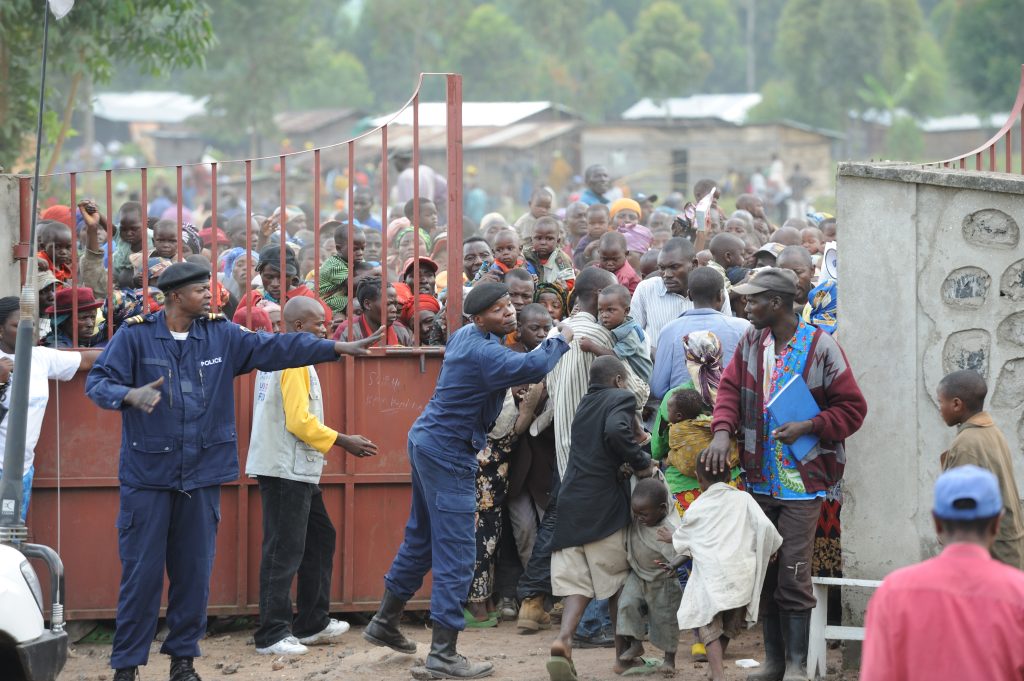
7. Border logistics and citizen protection efforts: engineering for uncertainty
Regional governments have stressed de-escalation while activating practical measures. Colombia, for example, has outlined steps to protect civilians and prepare for potential humanitarian or migration needs along the border. While framed politically, these moves quickly translate into engineering tasks: staging areas, temporary shelter supplies, backup power, clean water, medical triage, and transport routes that can manage influxes.On-the-ground accounts from the main border crossing have described normal traffic alongside uncertainty and precautions, with residents stocking up on essentials and volunteers preparing medical support.
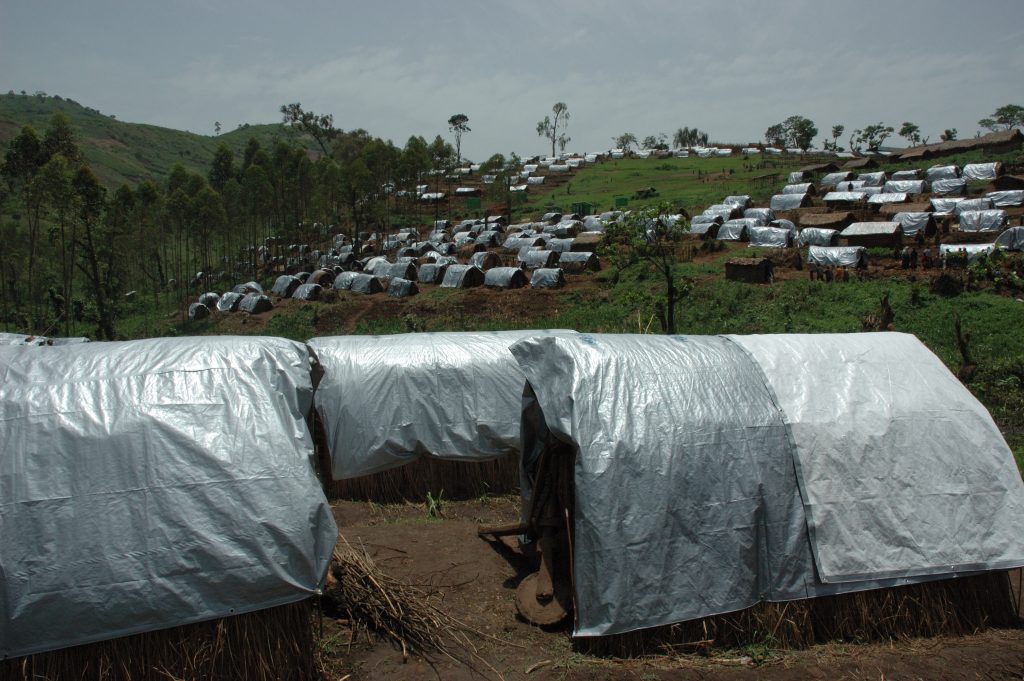
This mix of routine movement with underlying risk is where resilient logistics become essential. Infrastructure must function while planners quietly add backups.For readers, this serves as a clear reminder that “security” is also a form of civil engineering. Roads, bridges, fuel depots, and communications networks become critical when institutions try to prevent a tense situation from escalating into a systems failure.Across global responses, a common theme has been restraint and concern for citizens. At the technical level, the recurring theme has been systems: weapons that produce distinctive signatures, platforms designed for longevity, electronic infrastructures that influence detectability, and the facilities ports, power plants, oil sites, border crossings that turn political choices into real-life results.At the intersection of diplomacy and machinery, the engineering narrative is tangible. It shows up in loadouts, repair plans, and the steady resilience of logistics that remain important long after the headlines fade.


