Long-range precision does not start at the target. It begins at the cartridge-how predictably it launches a bullet, how consistently it holds velocity, and how much it asks of the shooter when conditions get sporty.
Across hunting ridgelines, steel matches, and practice sessions, where repeatable hits are in order, the most trusted chamberings share a few common traits: stable bullets, manageable recoil, and broad support in rifles and ammunition. These few listed below show up time and time again because they keep the work focused on the wind calls and fundamentals instead of the constant re-zeroing and load chasing.
1. .308 Winchester
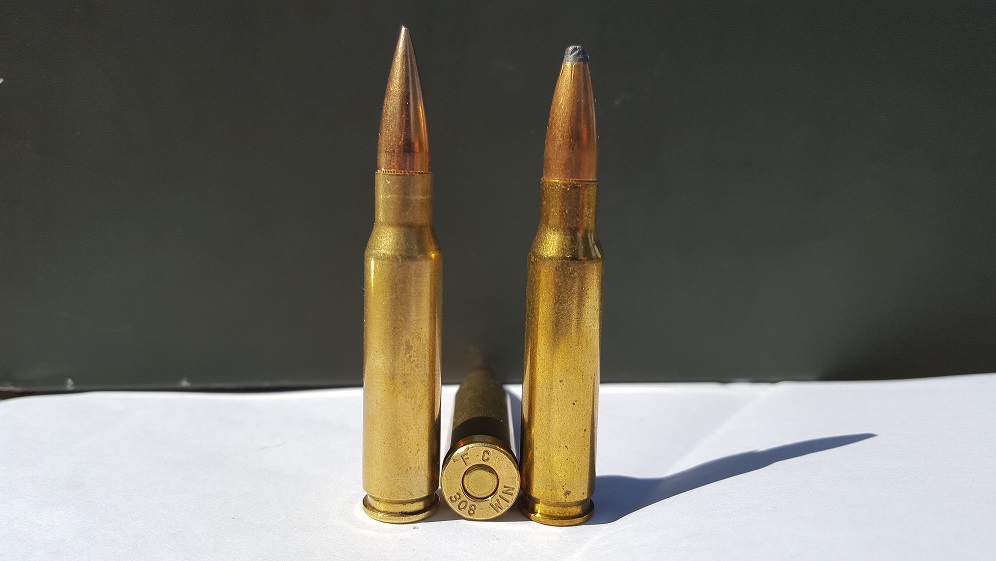
The .308 Winchester stays a reference point due to the fact that it is predictable across an extremely wide spread of rifles, barrel lengths, and factory loads. It is rarely the flattest option at distance, but it does have an extensive track record of delivering consistent trajectories at practical long-range distances when appropriately allied with quality bullets.
Match ammunition availability is a major part of its staying power. Loads like Federal Gold Medal Match in 168- and 175-grain BTHP have been widely treated as a baseline for what “good factory precision” looks like, and that standardization helps shooters troubleshoot optics, dope, and fundamentals without wondering if the cartridge is the weak link.
2. 6.5 Creedmoor
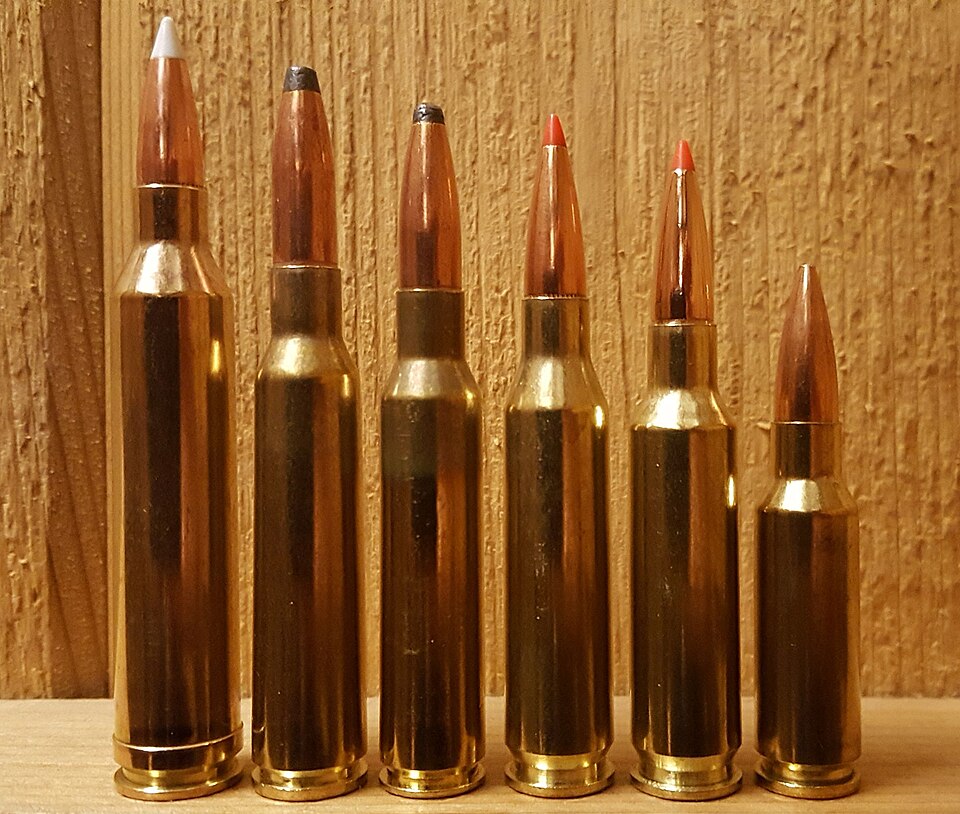
The 6.5 Creedmoor was actually designed for efficiency: fast twist compatibility, high-BC bullets, and geometry that allows for consistent seating and ignition. Those design features helped give it a reputation for accuracy that holds up in factory rifles as well as custom builds.
Its performance profile is also inextricably linked to bullet stability and twist. Tools such as a twist-rate stability calculator formalize what experienced shooters already learn on the range: long, sleek bullets need sufficient spin margin to remain stable as temperature and altitude shift. The Creedmoor’s common barrel specs make that pairing straightforward, and the cartridge’s mild recoil helps shooters stay on glass to read impacts and correct faster.
3. .223 Remington / 5.56 NATO
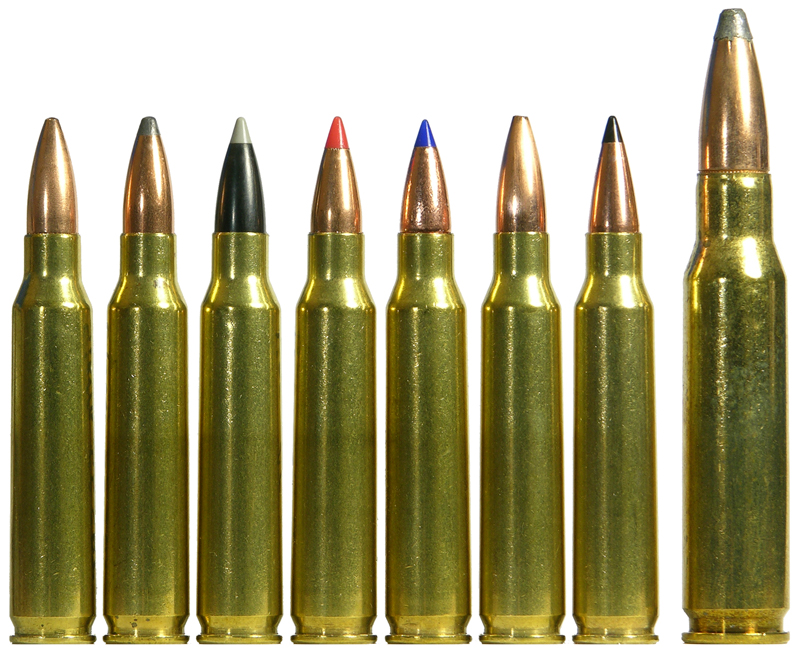
.223 Remington and 5.56 NATO in appropriate chambers earn their place by making precision approachable. With a good barrel, the right twist rate, and bullets matched to that twist, it can print excellent groups while keeping recoil light enough to watch trace and impacts.
That low recoil is not just a comfort feature, it supports repeatability. Controlled testing has demonstrated that subtle increases in recoil energy can lower shot placement accuracy even when engagement timing stays similar, accuracy falling as firing energy rises. The .223 class naturally tilts the equation toward staying settled behind the rifle, particularly across longer strings where fatigue starts to creep in.
4. .243 Winchester
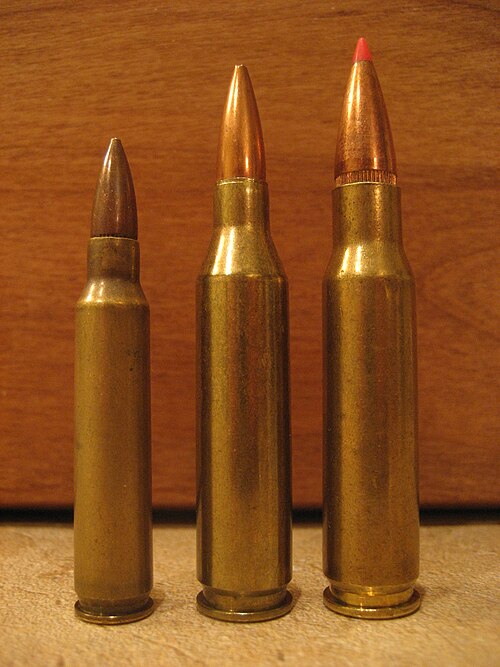
The .243 Winchester has for years been one of those “shoots better than it should” cartridges in many a bolt gun, especially when the quality is there in the rifle’s barrel. The flat trajectory combines with generally easy-to-handle recoil, which in turn helps build confidence in newer shooters and helps keep experienced shooters honest on fundamentals.
Its real strength is in how forgiving it can be with factory hunting loads that still group well. For hunters seeking a cartridge that tends to behave without demanding elaborate tuning, .243 is often the one that quietly over-delivers.
5. 6mm ARC
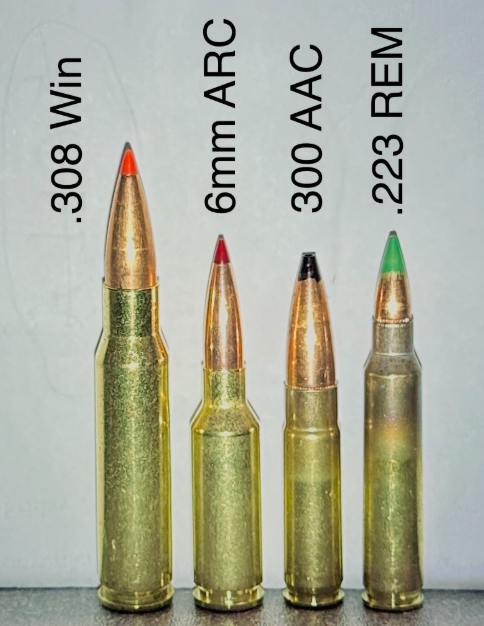
The 6mm ARC is engineered around extending the AR-15’s reach by using high-BC 6mm bullets, and it changes what “real distance” looks like for that platform. In the right setup, designed to keep the bullets supersonic beyond 1,000 yards, it gives gas-gun shooters a cartridge that can hold wind and elevation with less drama than smaller bores.
The trajectory advantage and reduced wind drift versus .223 are cited in a number of published comparisons in field-oriented evaluations. One snapshot frequently cited is that it drops about 28.5 inches less at 500 yards, and shows roughly 30% less wind drift under comparable conditions, with reports of sub-MOA groups and practical hunting use to 400 yards on deer-sized game in appropriate setups.
6. .270 Winchester
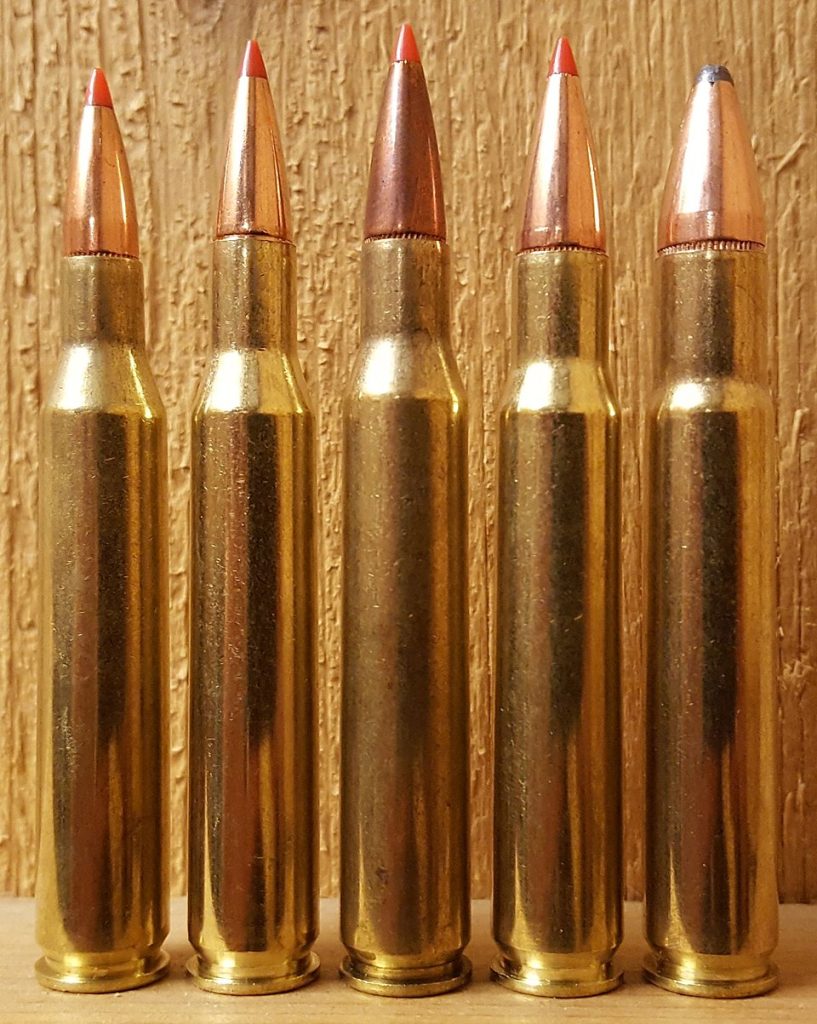
The .270 Winchester seems to pop up repeatedly in accuracy discussions, and has forever been a clean, flat-shooting hunting cartridge that tends to behave well in factory rifles. Its century-long run means there is no shortage of proven bullet weights, hunting loads, and rifle options.
To shooters for whom field accuracy trumps trend cycles, the appeal of .270 is simple: many rifles chambered for it shoot “better than average” without special handling, and its trajectory stays friendly enough to reduce range-estimation penalties at common hunting distances.
7. 6.5 PRC
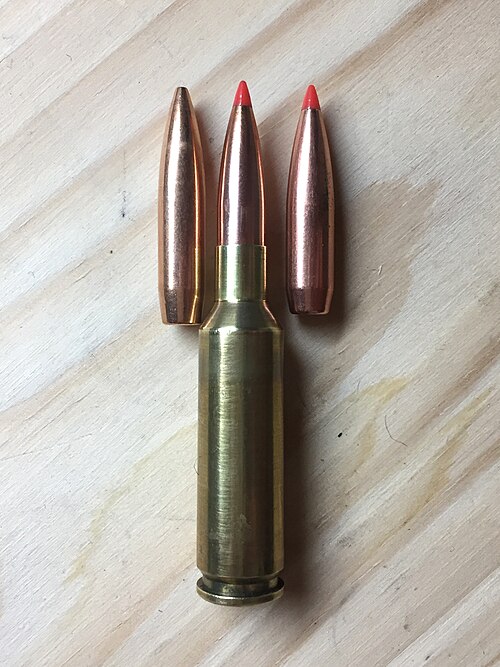
Think of the 6.5 PRC as an extension of the Creedmoor idea: similar bullet diameter and long-range intent, but with more case capacity and more velocity. The extra speed can help tighten wind holds and flatten drops at the far end of typical hunting ranges, while still fitting into short-action rifles in many configurations.
Detailed comparisons note that the 6.5 PRC can run roughly 250 fps faster than the Creedmoor in factory form, and examples using 143-grain loads show it striking about eight inches higher at 500 yards when both are zeroed similarly, along with a 300- to 400-ft-lbs more energy advantage downrange in common side-by-side discussions. The tradeoff is increased recoil, but many shooters still find it manageable with a properly set-up rifle.
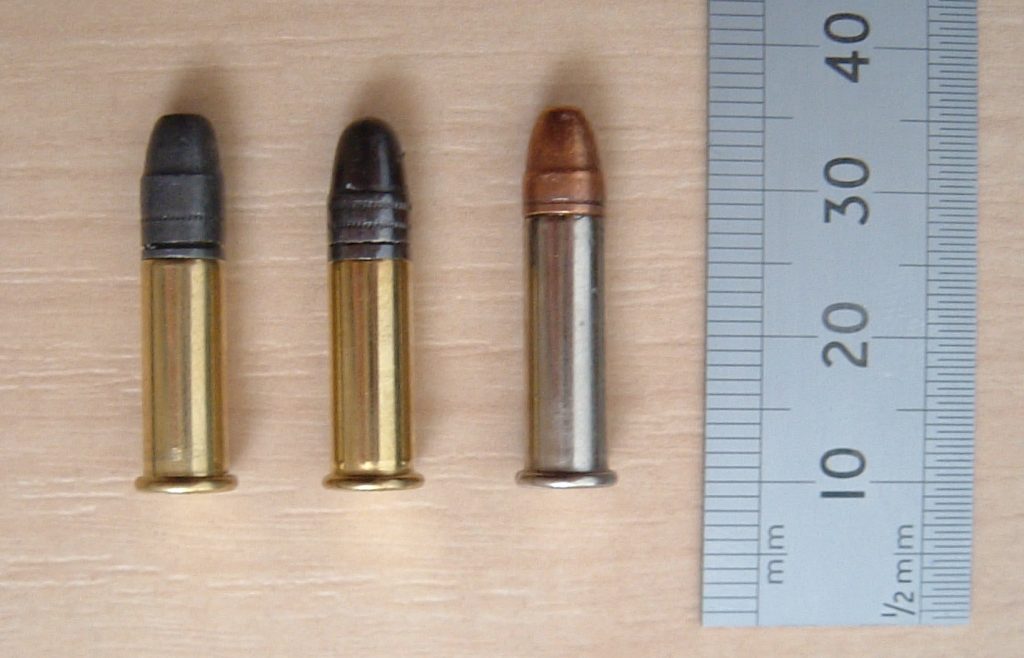
8. .22 LR (Match-Grade)
Match-grade .22 LR is not a centerfire long-range solution but it is one of the best ways to develop long-range skill. Its steep trajectory and wind sensitivity at 100 yards and beyond forces clean position building, consistent trigger control, and honest wind calls without the cost and recoil of centerfire.
Premium .22 LR accuracy is inextricably linked to sidestepping transonic instability. Savvy competition guidance usually cites subsonic ammunition making speeds of 1,066 to 1,100 fps as the sweet spot and also cautions against taking loose, bulk ammo if tiny groups are the aim. A bigger takeaway is practical: rimfire precision is a training multiplier, and the best lots can turn “practice” into true data-gathering.
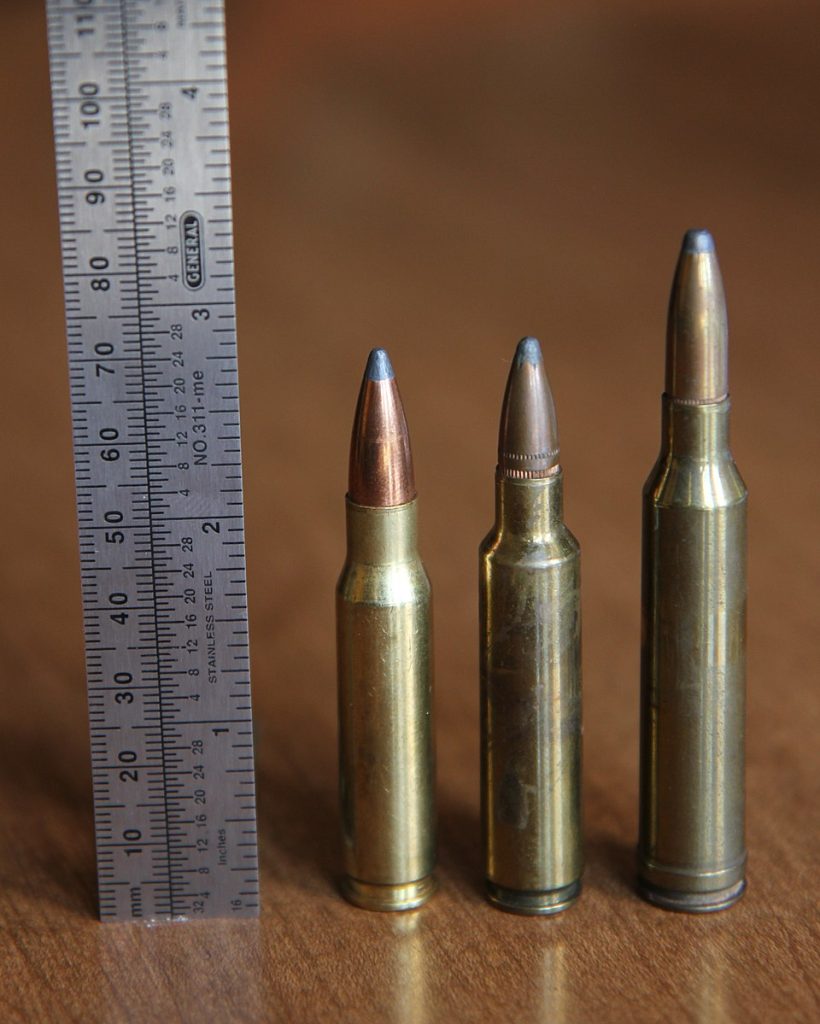
9. 7mm Remington Magnum
The 7mm Remington Magnum remains one of the most practical ways to carry magnum reach without stepping into the heaviest recoiling hunting cartridges. Modern bullet design has done a lot of work here today’s long, sleek 7mm projectiles give the cartridge the wind performance and downrange speed that earlier factory combinations did not always realize. With modern 168- to 180-grain options, it supports flat trajectories and strong retained velocity, and it stays relevant because it offers that “long lane” capability in rifles that hunters actually carry. As one widely-circulated assessment puts it, “It’s probably the most practical long-range hunting cartridge available” when paired with a long, high-BC bullet.
Across these calibers, a pattern emerges: predictable cartridges reduce workload. They make it easier to confirm dope, spot impacts, and keep performance steady when conditions-and shooter energy-start shifting. The best long-range choice is usually the one that stabilizes the intended bullet reliably, feeds easily with quality ammunition, and keeps recoil low enough that the shooter can stay behind the rifle and keep learning from every shot.


